Collagen banking is the secret to ageing well – and this doctor swears by it

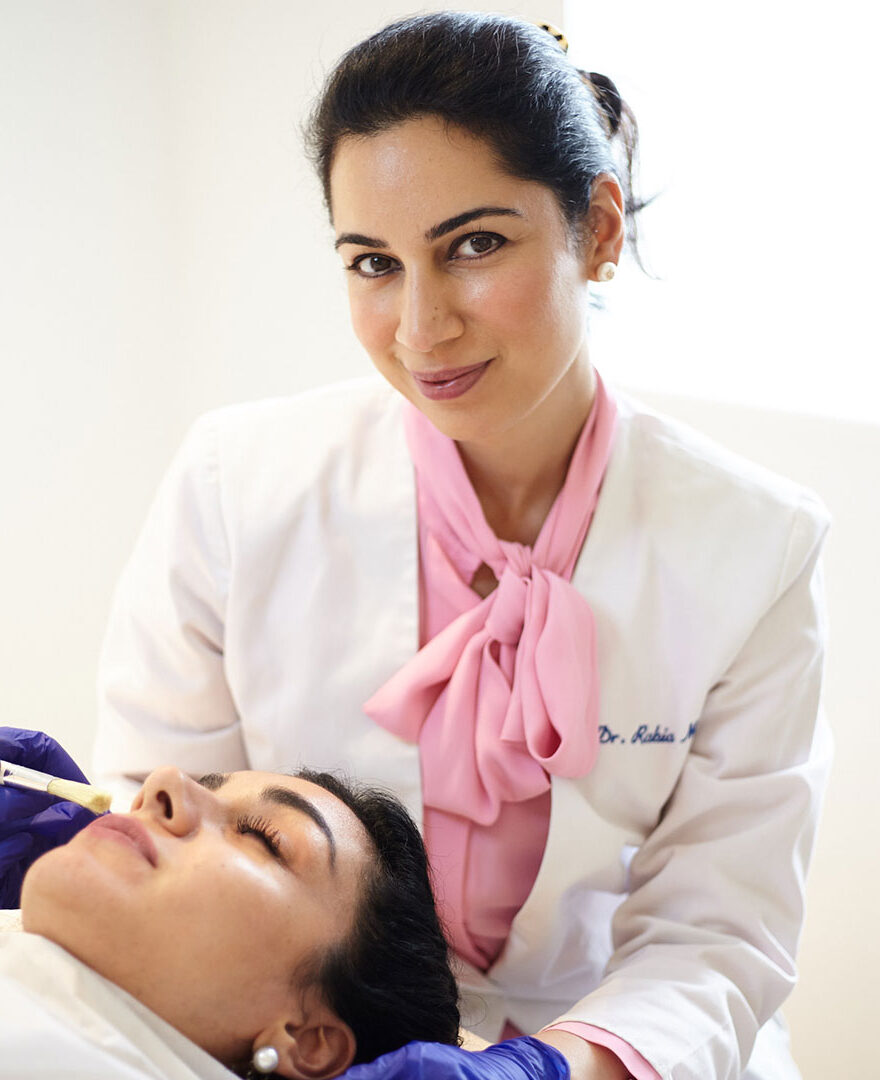
At 44, Dr Rabia Malik has never had Botox or fillers and believes in ageing well without injectables. Instead, she swears by collagen banking and shares her guide for beginners…
As an aesthetic doctor on a mission to stimulate collagen levels in the skin, one of my most frequently asked questions is, “What exactly is collagen banking?”
It’s a term that’s popping up everywhere, and for good reason. Collagen banking is the modern approach to ageing well, in my opinion — a proactive, preventative strategy that focuses on maintaining and stimulating collagen production in the skin over time.
This resonates deeply with me, not just as a practitioner, but as someone who has walked this path myself. I’m in my mid-40s and have never had Botox or filler. Instead, I rely on the principles of collagen banking to maintain my skin’s health and youthful appearance.
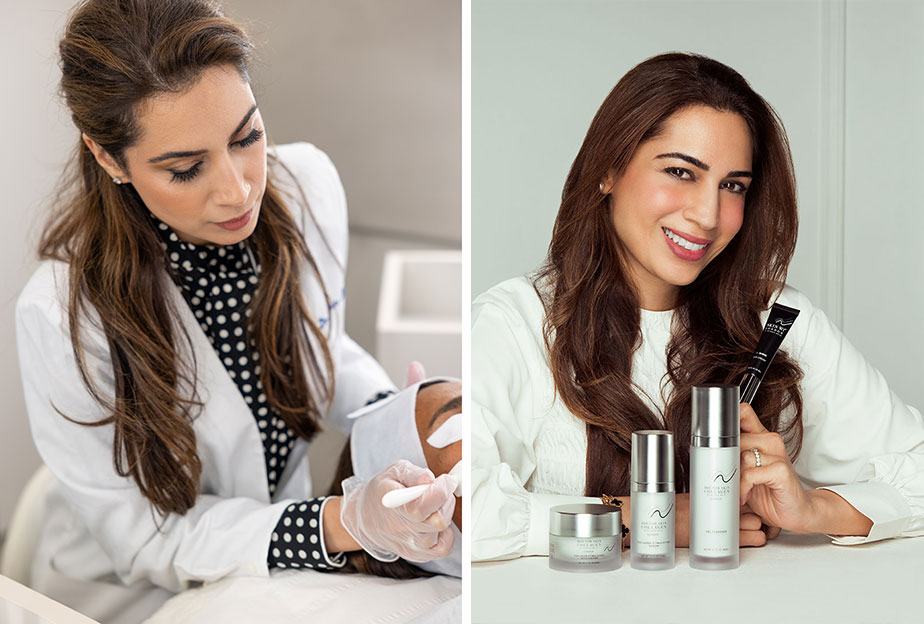
It’s an approach I started over a decade ago when I first set up my skin practice. In addition to running an online membership called Women Ageing Well, where I share my most up-to-date holistic advice. I’ve also created a skincare range that is formulated to embody this exact philosophy, Doctor Skin Collagen — and designed to be used alongside at-home tools.
Since then, I’ve seen countless clients benefit from collagen banking techniques, so I know it works. now I’m sharing my tried-and-tested guide, so that it can work for you, too…
Think of collagen banking as a savings account for your skin: the more you deposit and maintain early on, the better prepared your skin will be to withstand the inevitable ageing process.
Collagen is the most abundant protein in our skin, providing structure, elasticity, and firmness. Yet as we age, our collagen production starts to decline, usually around our mid-20s, at a rate of approximately one per cent per year. By the time we hit our 40s and 50s, the loss becomes more noticeable, contributing to sagging skin, fine lines, and wrinkles.
Collagen banking refers to the concept of building and maintaining a reserve of collagen while the skin is still able to produce it effectively. This is why it’s becoming a cornerstone of modern aesthetic strategies because it focuses on prevention rather than repair.
It is more than just a trend — it’s a shift in how we approach skin ageing. By focusing on prevention and investing in your skin’s health, you’re setting yourself up for long-term results that look natural and radiant.
Yes, and there are plenty of proven collagen-stimulating treatments, such as microneedling (which you can do at home, too), certain laser treatments for different skin concerns, and radiofrequency, which have been shown to stimulate the skin’s natural collagen production. They work by creating controlled micro-injuries that trigger the body’s wound healing response, leading to the production of new collagen and elastin fibres.
When it comes to skincare, my three skincare heroes would be retinoids, peptides and vitamin C serums as they have been found to help with collagen synthesis (i.e. to create more collagen). Retinoids, for instance, increase cell turnover and boost collagen production. Peptides, like those in my Doctor Skin Collagen Serum, £125, act as signal messengers, switching on the fibroblasts that make collagen, Meanwhile, vitamin C stabilises collagen fibres and enhances their formation.
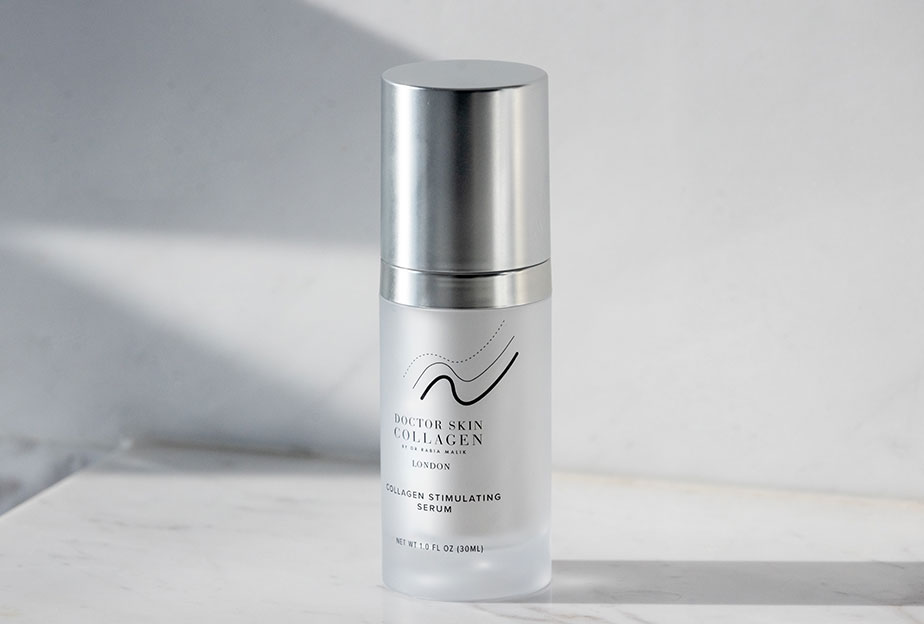
Collagen banking aligns with my philosophy of regenerative medicine, working with the body’s natural processes to achieve long-term results. Unlike injectables, such as Botox and filler, which provide immediate but temporary fixes, collagen banking is all about sustainability. By focusing on collagen preservation and stimulation, we’re addressing the main root cause of skin ageing rather than just masking the symptoms.
On a personal level, this approach has allowed me to maintain my skin’s youthful glow without the need for injectables. It’s empowering to know that your skin’s health can be a reflection of consistent care and scientifically proven strategies.
I’ve now channelled these key principles into the new Doctor Skin Collagen The Collagen Bank ATM Roller, £75, in order to transform the way we stimulate collagen banking from home.
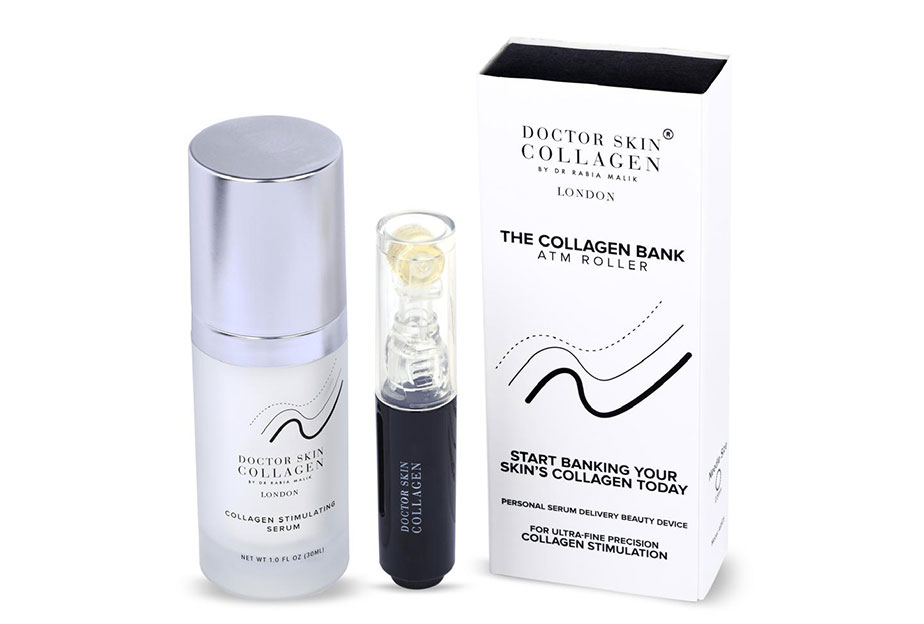
The 0.5mm dermaroller has 105 stainless steel needles which create micro-injuries in the skin and stimulate collagen production. Yet, unlike conventional microneedling tools, it is also designed to be used with my Doctor Skin Collagen Stimulating Serum, £125: this can be dispensed directly into the device, then you press a button to release as you roll, thereby increasing serum absorption.
By combining both the benefits of micro-injury and targeted skincare infusion within a weekly at-home treatment, it gives you a professional skincare experience without going to a clinic.
I always recommend beginning collagen-stimulating the earlier the better: even if you’re in your 20s or 30s, it’s never too soon to invest in your skin. But don’t worry because it’s also never too late to start: you can stimulate skin cell renewal at any age using the principles of collagen banking.
View this post on Instagram
Collagen banking is a multi-pronged approach that combines professional treatments and high-quality skincare, as well as lifestyle switch-ups, such as diet. But it is a long-term commitment, so consistency with all of this is key. Here’s how you can start at any age:
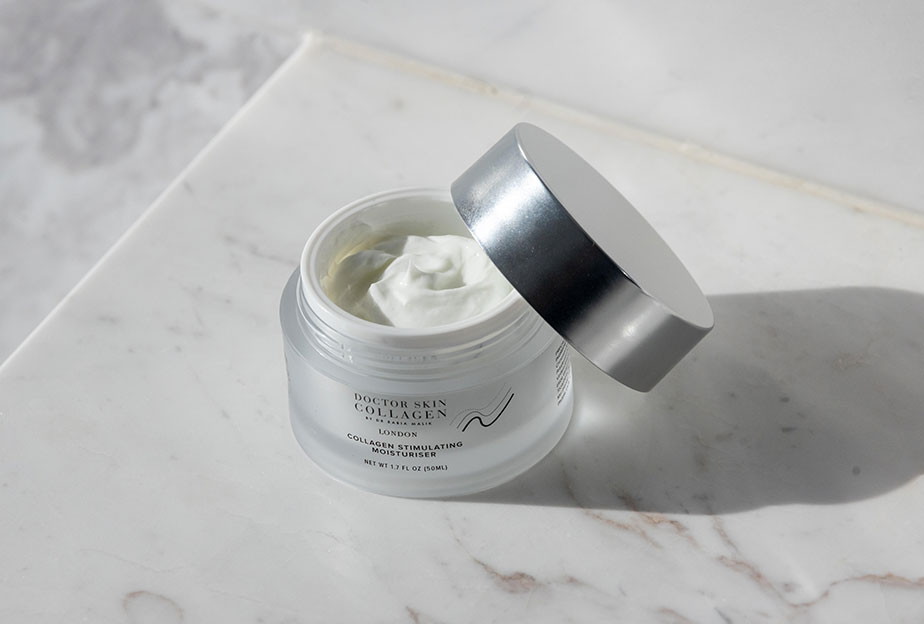
Peptides: These can enhance the skin’s ability to produce collagen. Peptides are short-chain amino acids that are the building blocks of protein such as collagen and elastin. Signal peptides are particularly important when it comes to stimulating collagen and include the copper lysinate prolinate and methylglucoside phosphate combination that I use in my Doctor Skin Collagen Serum and Skin Doctor Collagen Moisturiser. Other effective peptides include pentapeptide-4 and palmitoyl oligopeptide.
Growth factors: these are proteins produced by the body (and also synthetically in a lab) and they signal to cells to heal and grow. As such they can promote collagen production and skin density.
Vitamin C: L-ascorbic acid is considered the best form of vitamin C for stimulating collagen in the skin because it has the highest bioavailability and readily absorbs into the skin.
Retinoids: if your skin can tolerate these (read this expert guide to retinol find out more) you can incorporate these into your routine to boost collagen production.
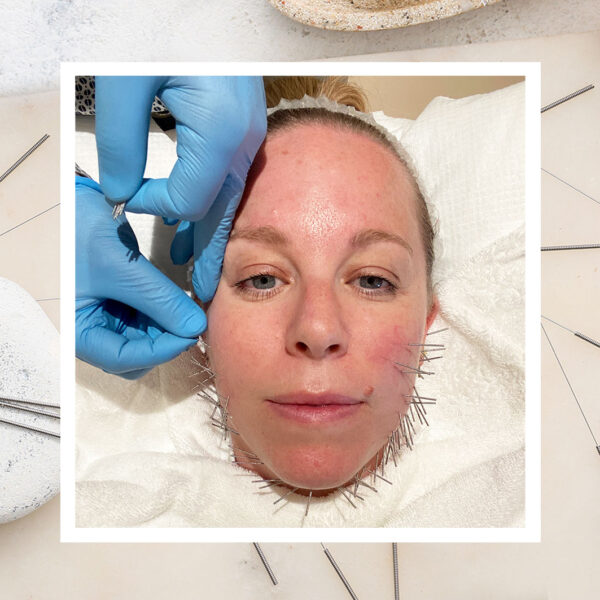
Microneedling: this procedure uses tiny needles to create controlled micro-injuries, stimulating collagen production, with a manual handheld roller, a skin pen automated device, or in combination with radiofrequency energy (radiofrequency microneedling). It’s especially effective when combined with key active ingredients, such as peptides and growth factors.
Laser treatments: fractional lasers, such as CO2 or Erbium lasers, can target deeper layers of the skin to encourage collagen remodelling.
Radiofrequency and ultrasound: these use heat to tighten skin and stimulate collagen synthesis. But make sure you see someone trained in how to deliver these treatments as they can have adverse effects such as burning (lasers) or fat loss (ultrasound) if not used at the correct settings.
Sun protection: UV damage is one of the fastest ways to deplete your collagen reserves. Wear a broad-spectrum daily sun cream rain or shine. If you’re outside on a sunny day, wear a hat and avoid direct sun on your face.
Collagen-friendly diet: foods rich in antioxidants, omega-3 fatty acids, and vitamins C and E can support collagen health. Think berries, leafy greens, nuts, and fatty fish. Avoid collagen killers, too: smoking, excessive alcohol, poor diet, and unprotected sun exposure can rapidly deplete your collagen reserves.
Drink water: well-hydrated skin is more resilient and better able to maintain its collagen network.
I am asked all the time if oral collagen supplements and powders are worth it. Hydrolysed collagen — a form that is broken down into smaller peptides for better absorption — has been shown to improve skin elasticity, hydration, and overall texture in some studies. A 2019 review in the Journal of Drugs in Dermatology found that oral collagen supplementation increased skin elasticity and hydration while reducing wrinkles over 8-12 weeks. The theory is that these peptides stimulate fibroblasts, the cells responsible for producing collagen, in the dermis. However, we still need more studies to determine the optimal dosage, and, as a result, I feel many commercially available collagen supplements are not formulated effectively enough to deliver results in the skin.
I personally don’t take a collagen powder supplement right now but instead prefer to supplement with liposomal vitamin C, because this is an essential building block of collagen that is better absorbed when in liposomal form, for more visible improvements in skin.
As someone who has embraced this philosophy both personally and professionally, I can confidently say that collagen banking is one of the most effective ways to age well. Whether you’re in your 20s, 30s, or beyond, it’s never too late to start saving for your skin’s future.
Dr Rabia Malik practices out of The Wellness Clinic in Harrods, London. You can join her online membership, Women Ageing Well, (from £39.95 per month). Her new at-home microneedling device, The Collagen Bank ATM Roller, £75 is available to purchase online or at The Wellness Clinic (4th Floor), Harrods. You can get 10 per cent off with the discount code: GTG10.