Protein coffee is the wellness hack Mel Robbins swears by – but just how healthy is it?

Podcaster Mel Robbins sent Instagram into a frenzy with her praise for the 30g protein coffee – we had to try it!
If you want to get more protein into your diet, is adding protein powder to your morning coffee a good idea? It’s more than a good idea, it’s “genius”, according to podcaster and author Mel Robbins. She asked her friend, exercise physiologist Stacey Sims PhD, on Instagram to find a solution, in a post which generated 13,000 likes and much enthusiastic chatter about the benefits of protein coffee.
“I’m always trying to figure out how I can get 30 grams of protein first thing in the morning, particularly when I’m on the move,” said lawyer-turned-lifestyle guru Robbins, whose empowering podcast full of wellbeing advice from guests such as Dr Sims, has captured the imagination of women globally. Her recent book The Let Them Theory (boldly, but perhaps not inaccurately subtitled ‘a life-changing tool that millions of people can’t stop talking about’) has topped the best-seller lists.
View this post on Instagram
Sims demonstrates how simple it is to make protein coffee by mixing a hefty 30g of chocolate protein powder with ice, milk and a double espresso. Robbins declares it “so cool,” cooing over the chocolate milk taste. But how good does it really taste? And how beneficial is it? We put it to the test.
Think of protein coffee as an “eating opportunity,” says Sims, “because it’s really difficult for women to get a lot of protein in. So if we start with a protein coffee, you’re already up 30g. It’s a good way to jump start the morning, [to] make sure you’re eating some protein in a little caffeine, a little carbohydrate – it’s good to go!”
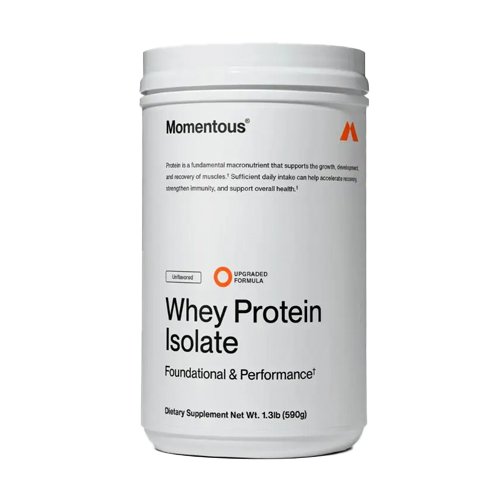
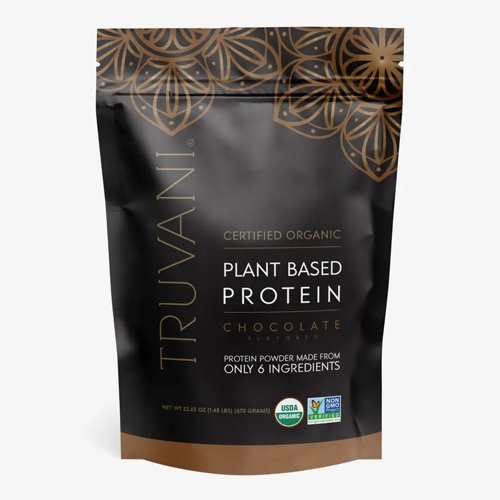
Is she right? If you don’t have time/inclination to get your protein from whole foods, a protein powder could fill the gap with more nutrition than a croissant. But as nutritionist Rob Hobson always reminds me, protein powders are ultra-processed foods, which can build up in your system, so choose your powder carefully. Dr Sims says she favours Momentous protein powder, which has minimal ingredients. She appears to be using Truvani Chocolate Plant Protein Powder, £32.99, in the coffee she makes for Robbins.
The ‘30g protein’ per meal is the much-talked-about number for women right now, especially as many of us struggle to get enough through our diet, especially in mid-life when we have a higher demand because we lose muscle mass (for which protein is a building block). I’m excited for nutritional therapist Emma Bardwell’s book The 30g Plan, which centres on meals not just with 30g protein, but also 30g fibre (which we don’t get enough of either) – from real food, not protein powder, however.
Most protein powders have 20g of protein tops per serving, and that includes Truvani and Momentous – so we’d have to disagree with Sims on the numbers in her recipe. You’d have to put more than the recommended dose (about three tablespoons) in your coffee, making it pretty chalky and hard to swallow.
Habit stacking is when you tie a behaviour change you want to make in with a habit you already have, in order to cement it as a new pattern, like standing in one leg while brushing your teeth to improve balance. Like millions, Robbins already has a morning coffee habit. Adding protein powder is a small but effective change to meet her goal of getting more protein first thing. It’s likely, then, that she’ll stick to it.
I ask functional hormone nutritionist Pippa Campbell whether adding protein can buffer the cortisol spike of your morning Americano. “Only marginally”, she says, “because there are things like amino acids, like tryptophan, for example, that makes serotonin, and so that’s a quite calming amino acid.” You will still get the spike, which, she says, is not a good thing in the first 60 to 90 minutes after waking because it messes with your natural rising morning cortisol levels. “The cortisol awakening response is a really important part of our circadian rhythm that helps regulate alertness, metabolism, stress response,” she explains. “I love my coffee, but I just won’t have it in the first 60 minutes of the day.”
Caffeine stimulates additional cortisol, which can lead to exaggerated stress responses, she says. It can cause a crash later on in the afternoon and should not be used as an energy management tool, especially first thing.
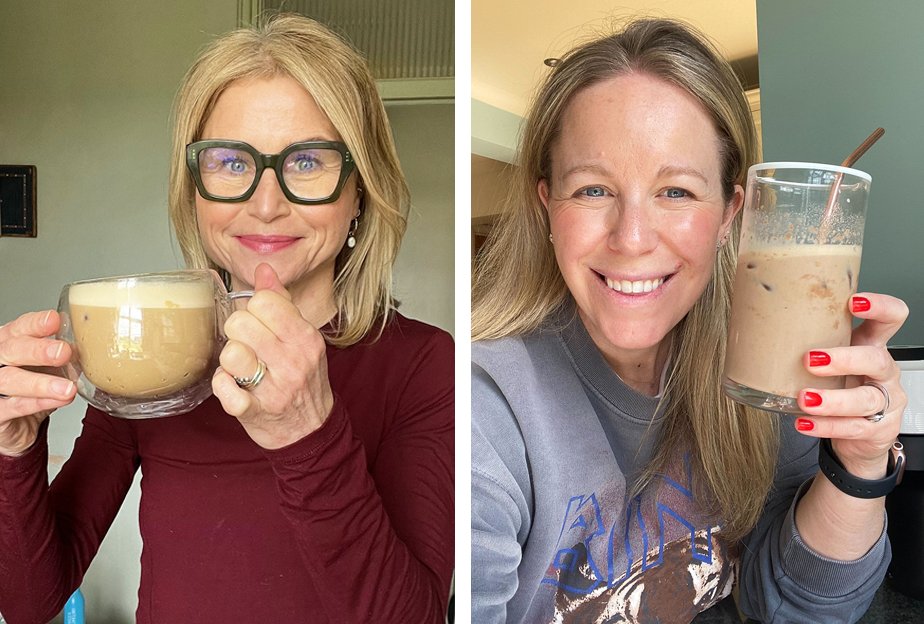
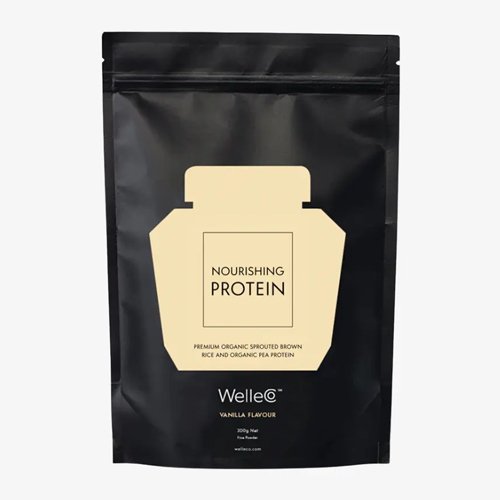
That depends on how much of a coffee purist you are and the taste of your protein powder. I tried it with Welleco Nourishing Protein Vanilla, £26.10, a vegan protein powder with 20g pea protein per 33g scoop. While the taste was good, it was impossibly lumpy when mixed cold, as Sims suggests and was only drinkable after a blast in the Nutribullet.
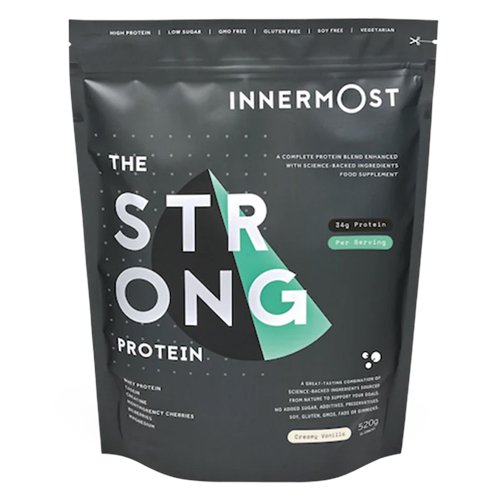
Beauty Director Sarah-Jane Corfield Smith made her protein coffee with Innermost Strong Protein, £29.95, which has an impressive 34g of whey protein in a 40g scoop (plus 3g creatine, a favourite with perimenopausal women). She agrees you need a shaker or mixer. She, like Robbin, is a convert.
“This really appeals to me as I make iced coffees at home – especially in the warmer months – and I struggle to get enough protein, so doing this is super-efficient for someone like me who feels like they never have enough time, but prioritises having a daily coffee!
As for me, I’ll stick with my green tea. Just not in the first 90 minutes of the day, though.