How clean is your makeup bag? Our resident scientist swabbed ours for bacteria

We’re all guilty of not washing our makeup bags enough but is that really a problem? As a cosmetic scientist, I decided to find out – here’s what happened when I got out my swabs and petri dishes
When was the last time you chucked your makeup bag in the washing machine, cleaned your brushes, or checked how long you’d been using your mascara for?
I imagine many of you will answer “I don’t know” or even “Er, never!” to all three questions. That was certainly the consensus in the Get The Gloss office when I asked.
As a cosmetic science journalist, I’m intensely aware of the importance of the safety and hygiene of beauty products, and it formed a large part of my training. After all, cosmetics can’t be sold without having undergone rigorous safety testing.
Yet I was also still guilty of not giving the cleanliness of my makeup bag much thought and often thought I was too busy to wash my makeup brushes.
So, armed with swabs and sterile petri dishes, I conducted a little experiment – analysing the makeup bags of my GTG colleagues to showcase just how easily they can become breeding grounds for bacteria that could be harming our skin and our health.
Trust me, you’ll really want to start cleaning up your beauty act after reading this…
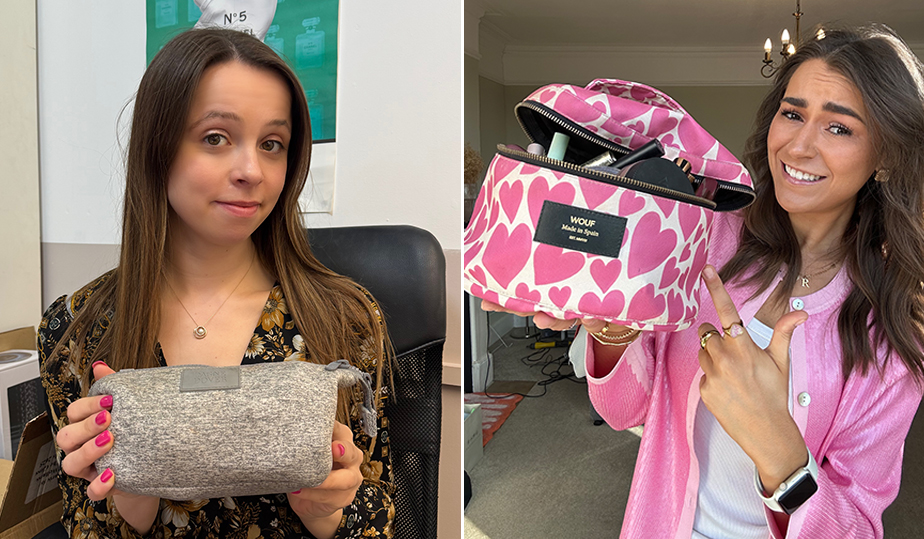
Named and shamed! Becki (left) and Isla with their offending makeup bags
Brown stains from ancient foundation spills spoil the look of your bag but it’s the microbes you can’t see that are the more concerning issue.
Not only does the outside of your bag get dirty when you carry it around with you, but every time you use a product and put it back inside, you risk spreading microorganisms from your hands, face, brushes, or sponges. Products that can’t be closed such as your brushes (especially if you hardly wash them), as well as those products that you don’t shut properly increase the chance of more bacteria cosying up in your cosmetics case.
“The average makeup bag is surprisingly filthy,” says veteran makeup artist and beauty expert Ruby Hammer MBE. “It’s one of those things we don’t always think about, but between sitting on bathroom counters, being tossed into handbags, and coming into contact with all sorts of surfaces, it picks up dirt, dust, and bacteria along the way. Spilled powders, smudged lipstick and product residue only add to the mess.”
“A dirty makeup bag means dirty products—and that can lead to unwanted bacteria, oils, and dead skin cells lurking in your makeup,” says Hammer. “This build-up can cause irritation, clogged pores, breakouts, and even eye infections if brushes or mascaras are contaminated. Plus, when your products are sitting in an unclean space, they can degrade more quickly, meaning you might get the best performance from them.”
Repeat after Ruby: “You wouldn’t eat food off a dirty surface, so why let your beauty products touch one?” Consider us suitably told.
To see how clean the GTG team’s makeup bags really were, contributing editor Florence and content coordinator Isla bravely offered up their bags and brushes for me to swab and I included my own rather travel-worn bag into the mix too.
I then cultured the samples in petri dishes, left them to one side in the office, and waited several weeks. It didn’t take long for the dishes to show signs of bacterial growth.
In fact, there was a whole array of microbial life laid bare. Have a look…
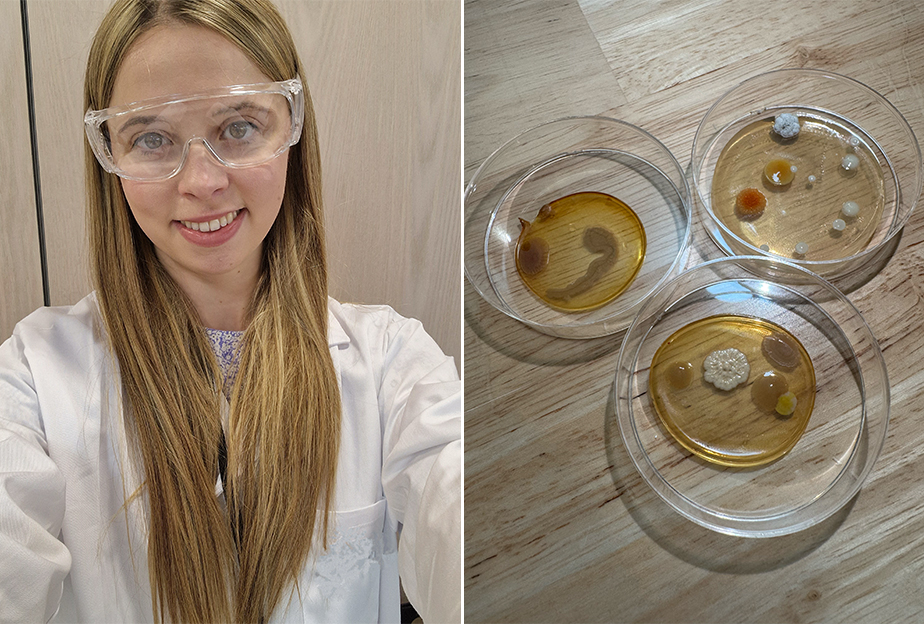
Becki gets down to business and the team’s lab samples (sorry if you’re eating right now)
The yellowy, white dots could be an indication of Staphylococcus – a common bacteria that can cause skin infections, while the ‘fluffier’ spores might be a type of fungus – likely due to damp brushes or products being put back into bags.
We didn’t have to know what was growing for sure to be more than a little grossed out. And, it just goes to show how many germs could be lurking in your own makeup bag.
“It’s safe to say I was shocked by the results of the bacteria swab, after naively assuming my makeup bag was ‘clean’,” says Isla. “Given that it houses products I use on my skin daily, I’ll definitely be making a habit of cleaning it more regularly. We wash our clothes all the time, so I’m not sure why I ever thought this should be any different! I dread to think how long it’s been since it had a proper wash.”
Florence had a similar reaction: “When Becki showed us the samples – and by the way – you could smell them before you saw them – I was shaken: and all of that was from swabbing just one brush! I use this to apply my bronzer, highlighter or blush everyday — and honestly couldn’t tell you when I’d last washed it. I immediately cleaned all my brushes and bag on arriving home. Lesson learned!”
Now that you know what’s potentially lurking inside your makeup bag, here’s our expert-backed advice on how to clean it.
Unsurprisingly, Hammer is meticulous about cleaning her professional makeup kit – and does so between every client. “Hygiene is non-negotiable,” she explains. “I work on many different faces and skin types, so keeping everything clean is essential – not just for appearance, but for safety and skin health.”
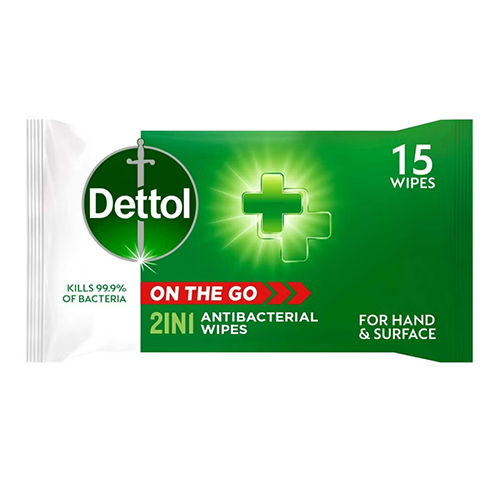
Follow her example and empty your makeup bag and wipe it down – inside and outside – every week with a damp cloth. You can also give it a once over with some antibacterial wipes too, especially if you travel with it frequently.
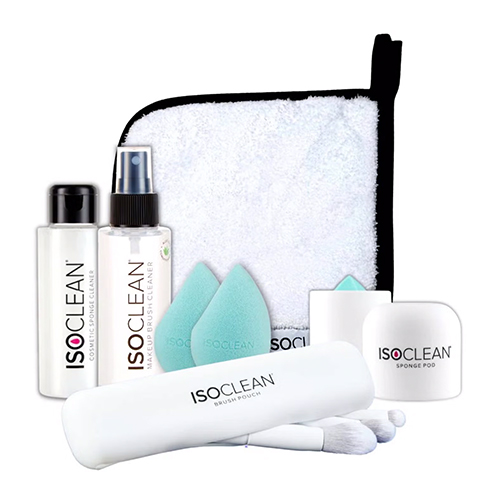
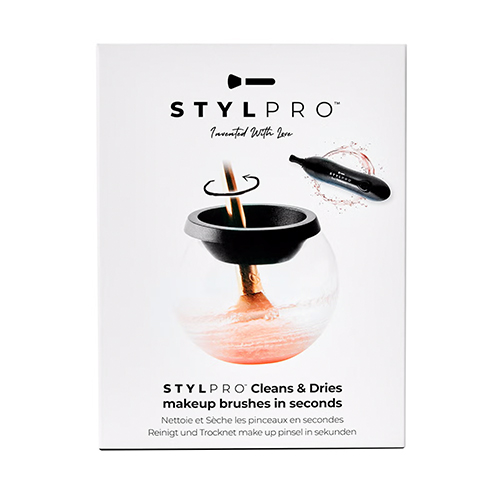
Cleaning your brushes and sponges should also be part of your weekly routine – and if a busy makeup artist like Hammer can do it, so can you.
“Clean tools are part of showing respect for the person in your chair,” says Hammer, so think about it as an act of self-care for your skin.
“I own a lot of brushes, as it allows me to rotate tools between clients, but when working back-to-back, I also rely on professional-grade brush cleansers and sanitising sprays between uses,” she continues. “They clean, disinfect, and dry quickly, which is crucial on set or backstage. It’s about being efficient and effective. You can’t cut corners when it comes to hygiene.”
You need to ensure you give your tools time to dry before popping them back in your bag to avoid inviting microbes back in, as well. Don’t forget tools like tweezers, sharpeners, and curlers too. You can quickly spritz them with alcohol to kill lingering bacteria, but don’t then use them straight away afterwards to avoid irritation.
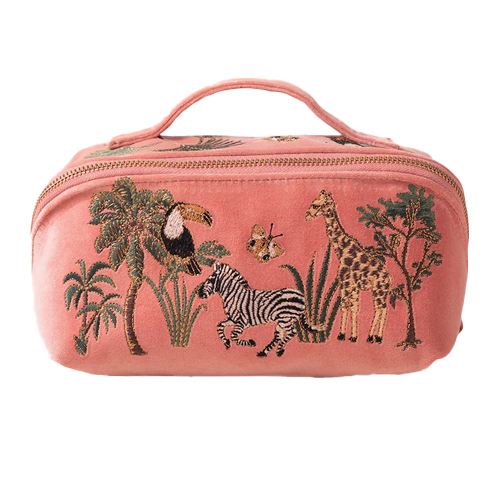
It’s highly recommended to give your makeup bag a deeper clean every month by washing it in warm water with a mild detergent, and if you are worried about damaging any decorative aspects, do this by hand. Once again, remember to let it dry completely before putting anything back in to keep bacteria at bay.
Old products are more likely to harbour bacteria so make sure to regularly check in on how long you’ve had them, and throw out any that have changed in smell, texture or colour. Avoid carting around products that have lost their lids as well; that is just going to encourage more germ-generating mess.
“I’m especially vigilant with products like concealers or anything cream-based, as they can harbour bacteria more easily,” says Hammer. “I do regular wipe-downs of compacts, sharpen pencils, and swap out anything that’s looking past its best. Remember: good hygiene keeps your skin happier and your makeup working better.”
If you find that your tools are consistently making your bag mucky, look for a case that has individual pouches to compartmentalise your brushes, or try a brush with a cap. Both options minimise the potential for bacteria to spread.
“Don’t overfill your bag – overcrowding increases the risk of broken or leaking products,” says Hammer. And ultimately: “Don’t be lazy – a little maintenance goes a long way in keeping your beauty routine hygienic and your products working their best.”