For 14 years, Paige Lewin had a toxic relationship with her Afro. But today she knows exactly how to care for it – and is here to share her wisdom. Here’s how to get the best results on wash day
Any products in this article have been selected editorially however if you buy something we mention, we may earn commission.
For years, podcast host and content creator Paige Lewin, 33, linked her self-esteem to the texture of her hair. She did everything she could to push against her natural curls and coils – which she felt were childish – in search of having long, sleek and straight hair.
After having her first straightening treatment aged 14, Lewin regularly booked in for harsh and damaging hair-relaxing appointments. Before long, she started losing her hair and turned to the world of weaves and wigs, which, while they created her desired look, continued to destroy the integrity of her natural hair. Eventually, aged 28, the Londoner was left with no other alternative than to shave it all off.
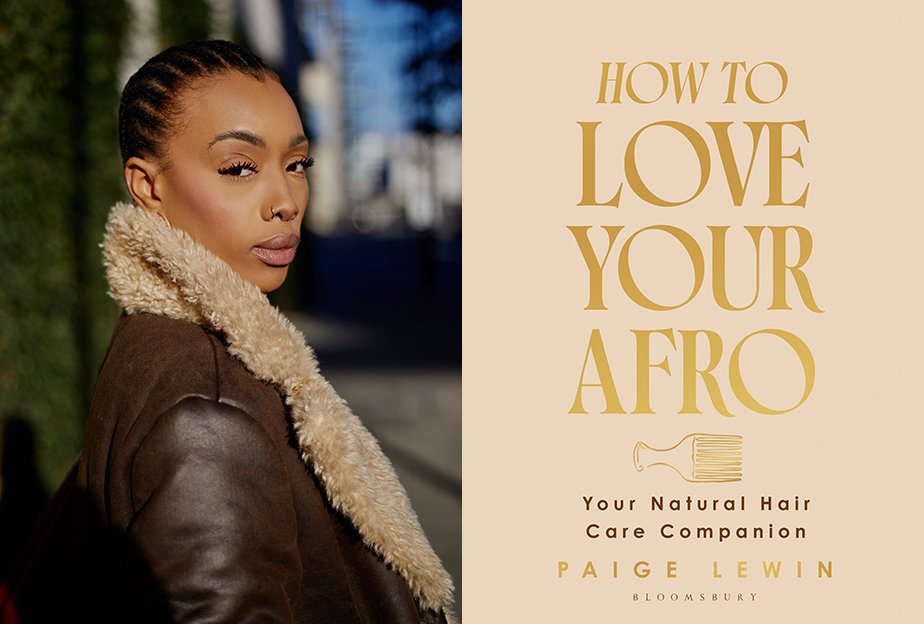
Image: Mami K Photography
While this new look initially brought her a sense of freedom and joy, Lewin realised that it was just another way to avoid her natural texture. This was when she decided to learn how to love, embrace and style her curly hair, launching her podcast, Texture Talks, in 2023, to tackle the realities of caring for Afro and curly hair. Now all of that knowledge has fed into her book, How To Love Your Afro: Your Natural Hair Care Companion (Bloomsbury, £11.85).
Given that wash day can often be a challenge for Afro, curly and textured hair, we asked Lewin how best to do it. Here’s everything you need to know.
How often should I wash my Afro hair?
“Start with a baseline of once a week. Or, at a push, every ten days to two weeks at the very latest.”
The art of detangling
“Detangling correctly is one of the most important elements of a successful wash day. A lot of our natural hair is shed and broken from either skipping this step or doing it too aggressively. Although if you’re experiencing hair loss in clumps, it may be a cause for concern and should be assessed by a dermatologist immediately.”
Finger detangle first
“Always start by gently detangling with your fingers. Use them to work slowly through any tangles or knots, unpicking them with the help of your product of choice. Follow up with a detangling tool to ensure you’re getting all the shed hair away from the roots. Shed hair that has naturally disconnected from your scalp and hasn’t yet left your head can get tangled in your Afro at the roots.”
Detangling brushes
“Finding a quality detangling brush that bends with your hair enough to glide through knots can help minimise the tugging and pulling that can cause breakage and speed up the process of detangling altogether. Beware of detangling brushes, where the bristles have tiny balls on them, as these balls can easily snag on tightly coiled hair, leading to unnecessary breakage.”
Choosing the right shampoo
“Here are the most common types of shampoo on the market, from the strongest cleanser to the weakest.”
Chelating shampoo
“These are generally considered to be some of the strongest types of shampoo. Outside of cleansing oil, dirt, debris and product build-up, they also remove minerals, metals and chlorine that can often be deposited into the hair through hard water.”
Clarifying shampoo
“These are designed to remove build-up from products, debris and pollutants from the environment. Always check the bottle to understand what kind of build-up the shampoo in question targets, as different clarifying shampoos can be formulated to combat specific types.”
“Use on an as-needed basis. Most people shouldn’t need to clarify more than once a month.”
Conditioning (moisturising) shampoo
“Moisturising or conditioning shampoos are formulated to cleanse hair gently, with weaker surfactants. These often contain humectants, which attract and retain moisture in the hair shaft, and emollients, which coat the hair to help condition the hair strands as they cleanse.”
Sulphate-free shampoo
“This is formulated without the category of surfactants called sulphates. Sulphates are a type of cleansing agent commonly found in shampoos that some in the natural hair community find harsh and drying on curly hair textures. Although these shampoos are free of sulphates, they still require an alternative form of surfactant to properly cleanse your hair and scalp. In some cases, these surfactants can be even stronger than the sulphates you’re trying to avoid.”
Co-washing
“This is short for ‘conditioner washing’, which initially referred to washing your hair with conditioner alone. Some people use co-washing as an additional step between shampoos to help infuse more moisture and conditioning agents into their hair to combat dryness. Others have opted to use a co-wash in place of shampoo to prevent their hair from feeling dry. While I’ve used co-washing in between wash days – especially on holidays to Jamaica, to combat the dryness from the hot climate – co-washing should never replace cleansing your hair and scalp with shampoo.”
Washing Afro hair, step by step
-
Soak your hair in water first. “How long you need to wet your hair depends on how quickly your hair absorbs the water and how dense and long it is. If it takes five minutes, so be it. Water helps to activate the surfactants in shampoo, allowing it to effectively cleanse your hair and scalp. It also ensures the shampoo is evenly distributed.”
-
Emulsify in your hands. “Lathering shampoo between your wet hands (emulsifying) before applying it to your hair activates the cleaning ingredients, especially in thicker or more natural shampoos. It also creates a rich lather that spreads more efficiently through your hair.”
-
Do at least two cleanses. “Double cleansing helps remove stubborn build-up from styling products and natural oils that can weigh down our curls. When I’ve used a large amount of product during the week, I’ll go in with an all-purpose shampoo first for two shampoos and then follow up with a conditioning shampoo – yes, sometimes I shampoo three times!”
-
Always follow with a conditioner. “Shampoo removes sebum, lifts the cuticle and allows water to swell the hair strand for cleansing. Conditioner, on the other hand, reduces this swelling, lowers the cuticle and smooths it by filling in any gaps in the cuticle layer, leaving a protective layer around the hair strand.”
Some of Paige’s favourite wash day buys:
Some of Paige's favourite wash day buys:
K18 Peptide Prep Detox Shampoo, £39
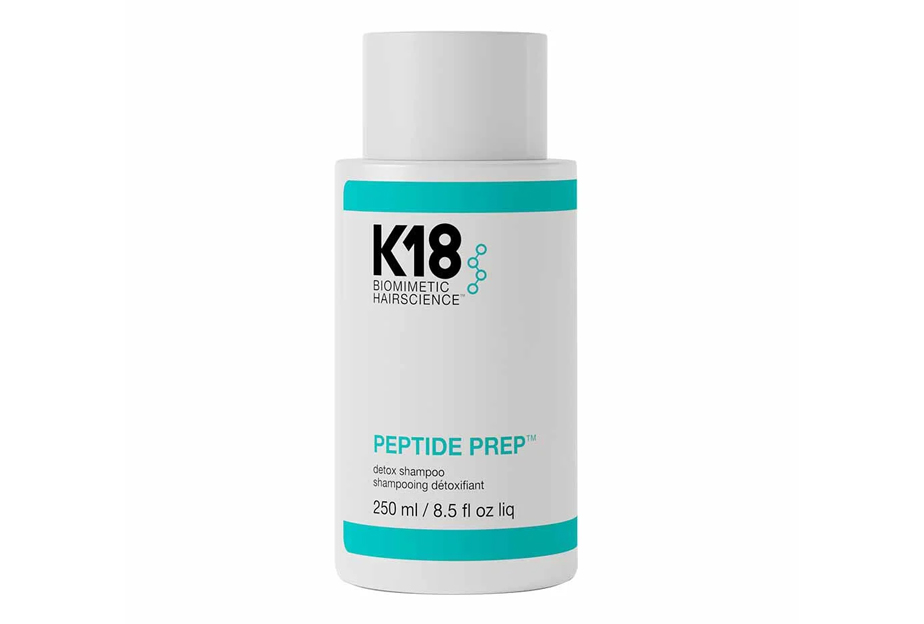
This deepening cleanses the scalp without stripping hair dry and allows for easier finger detangling.
Buy NowAveda Be Curly Advanced Shampoo, £30
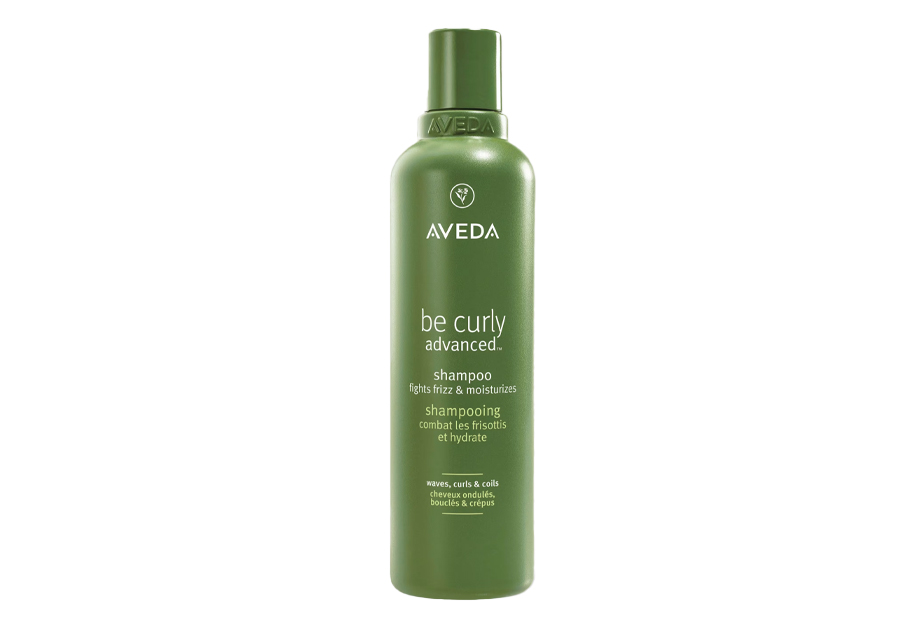
Great for a second cleanse. It hydrates without weighing hair down and helps define curls before conditioner.
Buy NowFelicia Leatherwood Detangler Brush, £17
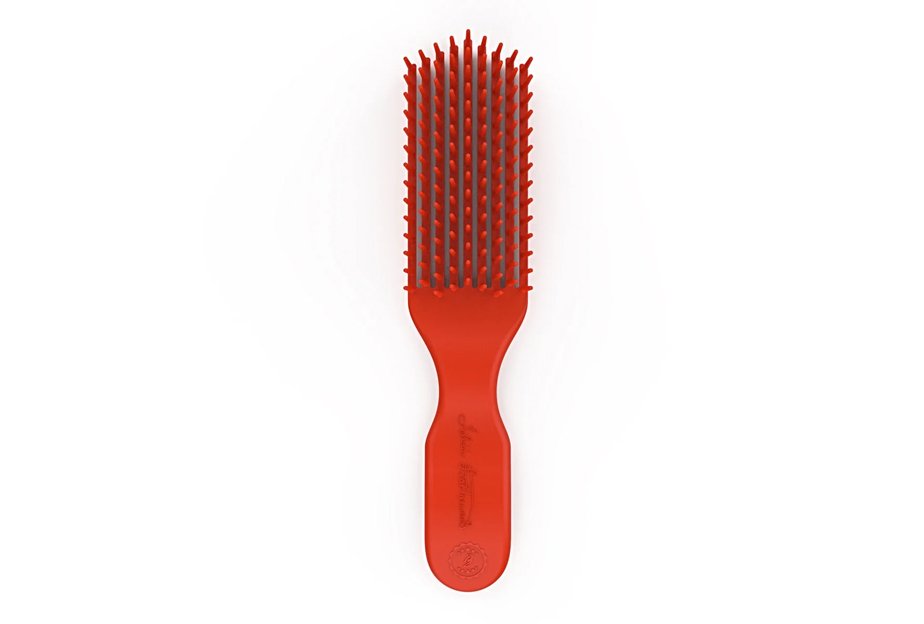
Lewin says this type of detangling brush is great for Afro hair because it’s flexible, glides through curls without ripping or snapping strands and helps reduce breakages.
Buy NowThis is an edited extract from How To Love Your Afro: Your Natural Hair Care Companion (Bloomsbury, £11.85) by Paige Lewin