How to use cycle tracking to manage your ADHD symptoms

Women with ADHD can lean into their hormonal cycle to help manage their condition. An expert coach explains how it works
Increasing numbers of women are being diagnosed with ADHD – the neurodevelopmental condition that can impact your ability to pay attention, control your impulses and manage energy levels – with film director Greta Gerwig and Lily Allen among them. Meanwhile, the NHS reports that the number of women in their late 20s/ early 30s receiving ADHD medication has risen tenfold in the last decade. And now a new book details how we can lean into our monthly cycles and harness our hormones to help manage symptoms.
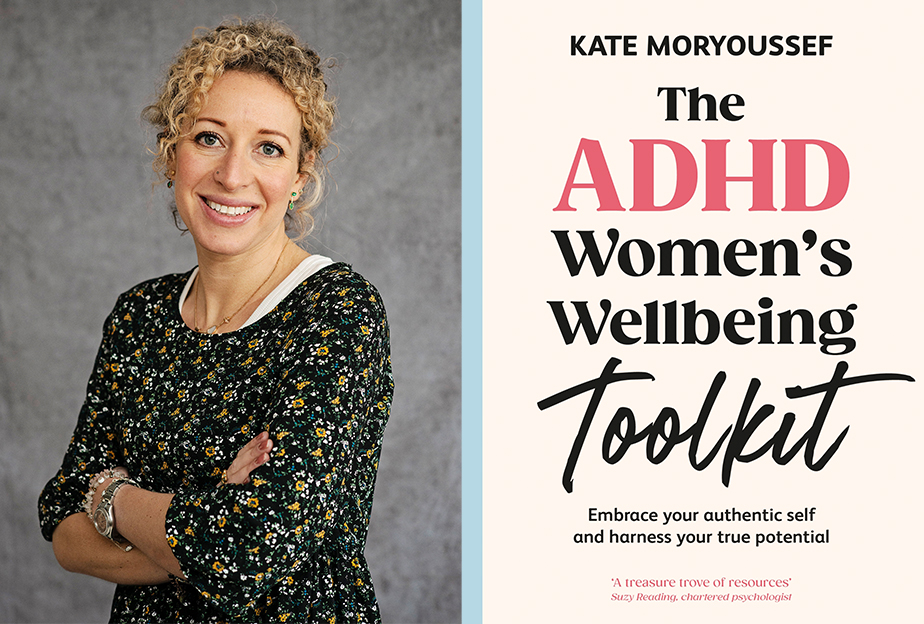
Its author Kate Moryoussef, a 45-year-old Manchester-based ADHD wellbeing coach and mum-of-three neurodivergent girls, says, “until recently, ADHD was mostly overlooked in girls. ADHD in females can look very different. Hyperactive traits are often internalized, frequently diagnosed as anxiety or depression, because of traditional gender conditioning,” she explains. “This might include perfectionism, insomnia, forgetfulness, disorganisation, overthinking, overwhelm, emotional dysregulation, mood swings, and a quiet lack of concentration.”
These can manifest in our bodies in stress-related conditions, such as chronic fatigue syndrome, thyroid issues, migraines and eczema, she says. “My ADHD diagnosis came late, at 40, alongside that of my then nine-year-old daughter,” Kate recalls. “As I was helping her with homeschooling during the pandemic, I noticed traits that I understood so well in myself.”
Suddenly, years of sensitivity to stress, anxiety and temper tantrums made sense. This sparked her mission to help other late-diagnosed neurodivergent women as a coach and EFT (emotionally focused therapy) practitioner, as well as through her hit podcast, ADHD Women’s Wellbeing. Her new book, The ADHD Women’s Wellbeing Toolkit helps people thrive through understanding, self-compassion and practical tools.
Our hormones, she explains “have a role to play in how and when ADHD expresses itself”. When oestrogen is high, our levels of the neurotransmitter dopamine are also higher, improving mood, motivation and focus, so ADHD coping strategies work better. But when this drops — including in menopause — ADHD traits can feel overwhelming.
“I’ve seen firsthand the effects hormonal fluctuations, including painful periods, PMDD and menopause, have on women living undiagnosed with ADHD,” explains Kate. She believes it’s no coincidence that we see increasing numbers of women being diagnosed at key phases of hormonal change — most notably puberty, postnatally, perimenopause, and menopause (like Lucy Macnamara, founder of fashion brand Aspiga, who shared her toolkit for managing her symptoms of ADHD after a midlife diagnosis).
But, says Kate, herein lies the solution. “The more that women take note of the ebb and flow of their cycle, leaning in instead of hating or dreading it, the more life can feel like an opportunity to rest, recharge, recalibrate and rejuvenate.”
Here she shares how to manage ADHD in line with your menstrual cycle, understanding how your needs vary across the month.
“This is the bleed, when oestrogen and progesterone are at their lowest and neurotransmitter activity is reduced. This is when our ADHD traits and emotional dysregulation can be exacerbated, and the effectiveness of ADHD medication is often felt to decrease.
“The co-occurring traits of our ADHD, such as anxiety, lack of sleep, RSD, impulsivity, brain fog, and mood regulation may also be significantly affected, causing us to feel at our worst with our ADHD symptoms and energy.”
“We’re now moving out of the ‘danger zone’ and potentially feeling more level-headed. Our energy and focus may be improving because our oestrogen levels are rising and our progesterone remains low.
“This is typically when our ADHD traits don’t feel as heavy and we can move through life with more ease and flow. The now increased neurotransmitter activity helps to improve mood and overall wellbeing. This is a good time to see friends, book meetings, exercise, and get those trickier jobs in the diary.”
“Even though we are at the peak phase of our oestrogen and may feel highly energised, this is also the top of the rollercoaster where we have all the dopamine and adrenaline but know there’s going to be an extreme drop.
“Many neurodivergent women begin to struggle just after ovulation. This sharp fall in oestrogen coupled with rising progesterone post-ovulation can begin to exacerbate our ADHD symptoms, with some women feeling more anxious, irritable, low in energy, and experiencing low mood and lack of focus.”
“The most challenging phase for those with ADHD, because there is a steep decline in oestrogen (reducing our mood-lifting dopamine input) and a rise in progesterone.
“For some women, progesterone’s mood-altering effects can interact negatively with stimulants and oestrogen, which means if we take daily medication, the dose may need tweaking to help move through this phase. This is especially important if PMDD has historically been a debilitating challenge.”
“By tracking your cycle, you can begin to recognise how your hormones impact your energy, mood, appetite, sleep, and focus. You can then understand how this impacts your ADHD and create strategies that support you.
“Download an app, keep a cycle journal, or simply use your phone’s notes to jot down the monthly occurrences you notice. This awareness will be a code to unlocking which triggers make your cycle harder to bear. Then you can begin curating a plan that supports and enables you to thrive and not merely survive.”
View this post on Instagram
“When you notice your mood and energy crashing, and that this is a monthly occurrence around the middle of your cycle, you can make decisions that keep this time easier and calmer.
“Pull back from big social plans (unless they energise you), hold off from a busy working schedule and begin prioritising self-care habits and gentle movement.
“Ensure you have diary buffers during your more vulnerable days to give yourself space to replenish energy. Add some reminders to prepare you so they don’t surprise you each month.”
This is an edited extract from The ADHD Women’s Wellbeing Toolkit: Embrace Your Authentic Self and Harness Your Full Potential (DK Red, £12.25) by Kate Moryoussef