Is chronic stress your normal? You may have hidden burnout

If you’re overwhelmed but still functioning, you may have hidden burnout, says nutritionist and coach Gudiya Dagur Patel, who sees it in 60% of her clients. Here’s how to spot and treat the condition before you crash out
If you’re juggling long work hours, school run, finances, and fitness, but underneath you’re exhausted, you might think the traditional notion of burnout doesn’t apply to you. You’re managing after all – just. But take a moment, says leading nutritionist, transformational coach and retreat founder Gudiya Dagur Patel. “You may have just adapted to chronic stress so well that it feels normal. Burnout sneaks in quietly when we ignore our own needs for too long.”
More than half of the women she treats in her clinic show signs of it, without knowing. It’s a condition she knows only too well, having experienced it herself.
“Over 60 per cent of my clients show signs of hidden burnout, ” she says, “even when they come into my clinic for other concerns such as dull skin, premature ageing, or stubborn weight. Their body is simply too stressed to heal, and it shows up on the skin, in their metabolism, and their energy levels.”

Hidden burnout is a state of internal depletion, says Gudiya. “A person goes into autopilot — outwardly functioning, ticking boxes, keeping everything together — but internally, they’re running on empty,” explains Gudiya. “There’s a mismatch between how you’re performing and how you’re coping. And that gap is where hidden burnout lives.”
It can be pretty hard to spot because there’s no dramatic collapse. “It’s subtle and often shows up as low-level fatigue, disinterest, tension, or overwhelm — symptoms that can easily be mistaken for hormone imbalances, perimenopause, anxiety, or just being ‘busy’,” warns Gudiya.
It can also be masked by productivity, professionalism, and the concept of pushing through, which is why high-functioning women, especially those in care-giving or leadership roles, are often the most affected – and the last to realise it.
Women just like Gudiya, 52, in fact. A former lawyer, she set up the innovative PHI Clinic in London with her now ex-husband, aesthetic physician Dr Tapan Patel, in 2014 and still runs operations as its managing director. She’s a true multi-hyphenate: with qualifications in nutrition therapy, a breathwork coach authorised in the Joe Dispenza method, and a life coach, who grew up around traditional ayurvedic practices. She’s recently added an MBA to her list of accolades and offers both business and wellness coaching with a holistic approach. Plus, she’s just launched her new Just Be retreats. However you see her, she combines clinical testing, restorative treatments, and coaching to help her clients — often women in their 30s to 50s — tackle the root cause of their issues. Her mission is to head off the crash before it strikes.
She herself wasn’t so lucky. “I crashed into a wall I couldn’t see coming. I was running PHI Clinic, managing a team, caring for my young children and my unwell mum, while maintaining a packed travel and social schedule, a relatively good diet, and a fitness routine. On paper, I looked like I had it all together, and I pushed myself to keep up that amazing image. But inside, I felt heavy, foggy, and permanently tired. It wasn’t depression or illness. It was my nervous system screaming for help. I didn’t realise the pressure I was putting myself under — until my body physically made me stop. That was the turning point for me — and the reason I do what I do today.”
Gudiya, who herself has battled cancer twice, has now worked with hundreds of women facing burnout, menopause, grief, or major life transitions, helping them overcome gut issues, weight gain, fatigue, or just a feeling of being utterly depleted. “My work bridges the gap between clinical wellness and emotional recovery. I’ve lived it, I’ve studied it, and I’ve created spaces both in clinic and at my retreats to help women feel like themselves again,” she explains.
The results can be life-changing. Women arrive on her weekend Just Be retreats (mark your diaries: the next one is 19 September 2025), saying, “I’m just tired and really busy.” The experience takes them out of constant ‘doing mode, “creating an environment where they can finally slow down, reconnect with themselves, and regulate their nervous system. Those same women end up having emotional breakthroughs, saying ‘I didn’t realise how far away I’d drifted from who I really am’.”
Sound familiar? Gudiya shares her advice on how to spot hidden burnout and the practices that helped her heal.
“That underlying sense of dread or depletion, especially when facing even basic daily tasks, is often the first warning sign,” says Gudiya.
“You’re putting in the same (or more) effort, but everything feels harder,” says Gudiya. “Your focus slips, motivation drops, and things take longer than they should. If you find yourself only able to scroll your phone or binge-watch TV — even when you want to rest — that’s not laziness. That’s a sign of hidden burnout.”
“When the nervous system is overwhelmed, it defaults to passive coping, ” she says. “You stop feeling joy, creativity, or connection. Even things you once loved feel like effort — like you’re going through the motions. You might even feel like you should go for a walk, stretch, journal, or sleep early — but those things feel strangely hard.”
“Your body is tired, your mind is heavy, and you find yourself more reactive or impatient than usual. That’s because your system is in survival mode. The desire to rest, but the inability to do so, is one of the clearest signs I see in burnout. It’s common in women who carry a heavy load, but who have been conditioned to override their own needs for years.”
“If you feel noticeably better after a break, holiday, or slow weekend, it’s likely your body is begging for more than quick fixes — it’s asking for regulation. But, if you don’t give your body what it needs, all these signs can lead to chronic inflammation, hormonal imbalance, sleep disturbances, relationship strain, and loss of identity.”
There’s no use telling a busy woman to stop and rest, and so Gudiya’s approach is rooted in micro-regulation rather than drastic overhauls. “You don’t need to change your whole life overnight. You need to shift out of survival, one small moment at a time.”

Chronic stress keeps your nervous system in a constant state of activity. Short, intentional pauses activate the parasympathetic system (rest and digest), lowering stress hormones and improving focus. Micro presence, using a sand timer, is a technique to quickly shift your body out of ‘stress mode’, and she’s passionate about making her clients realise that taking short breaks isn’t lazy, it’s essential.
Feel too busy to set your work aside? Take just two to five-minute micro-breaks throughout your day instead, using a sand timer to disconnect from your phone. Have a stretch, enjoy a cup of tea, or just breathe and be in the present moment.
Hidden burnout often manifests through hormonal imbalance, inflammation, or sleep disruption. Targeted nutritional support helps regulate your body’s stress and energy levels. Instead of simply treating the symptoms of stress and burnout – such as poor gut health or sleep problems – Gudiya recommends getting to the bottom of your concerns with personalised DNA and stool testing first. This can help shape tailored nutritional plans and supplement recommendations that will actually make a difference to how you look and feel long-term.
Sometimes burnout isn’t just physical – it’s emotional and spiritual, meaning that even with rest and nutritional support, it is likely to return if the root causes are not addressed.
A bit like therapy for your soul, transformational coaching explores how your daily habits, mindset, and environment affect your wellbeing. The aim is to identify the hidden stress patterns that might be leading you astray, arming you with small, practical shifts that move you out of what Gudiya calls ‘survival mode’ and towards sustainable balance.

Side hustle culture or simply competitive spirit can sometimes threaten to turn your hobbies into another source of stress. It can also mean your ‘downtime’ quickly becomes filled with yet more activities you need to juggle.
Do something with zero productivity value once in a while. Anything that makes you feel light again and that you enjoy doing without it needing to be ‘perfect’. It could be as simple as dancing or singing to a favourite song.
Excessive screen use, especially time-wasting ‘doom scrolling’, prolongs the activation of your sympathetic nervous system and disrupts your sleep/wake cycle, which can also prevent natural stress recovery.
“Set a firm ‘no screens after 9 pm rule’ to give your brain and nervous system a chance to reset away from stimulation,” says Gudiya. Use your evenings instead to relax with a book, listen to music, and spend time with loved ones.
Self-care isn’t simply indulgence – deep relaxation and restorative treatments can help reset a frazzled nervous system. Burnout and stress can show physically on your face, and so a holistic facial can be part of your recovery.
One of Gudiya’s favourite new treatments at PHI clinic is the JetPeel with lymphatic drainage, which is a relaxing wake-up call for your skin. The non-invasive, needle-free facial uses high-pressure Jet Stream technology to push exfoliating, firming, smoothing, and hydrating skincare ingredients deeper into your skin. It’s a deep refresh suitable for all skin types.

“Burnout leaves the body rigid and tense, so focusing on slow, intentional movement can help soften stored stress, support circulation, and create a sense of safety and ease in the body,” says Gudiya.
Practice yoga, try stretching, or go on short walks, all while focusing on breath and body sensation. For beginners, attending a retreat can help you unwind a little more easily, as you can be guided through poses and kept in the present moment, away from your to-do list. Gudiya’s Just Be retreats were created for that purpose.
Burnout can trap your body in fight-or-flight mode, affecting your mood, energy, and immunity, with consequences lasting potentially for years. However, small grounding techniques can work wonders for quickly activating your parasympathetic nervous system.
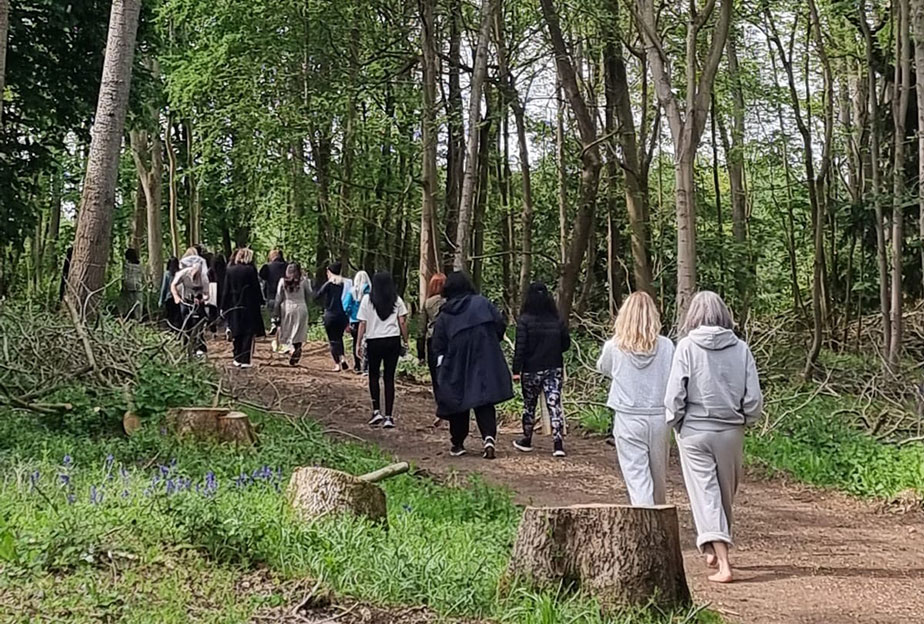
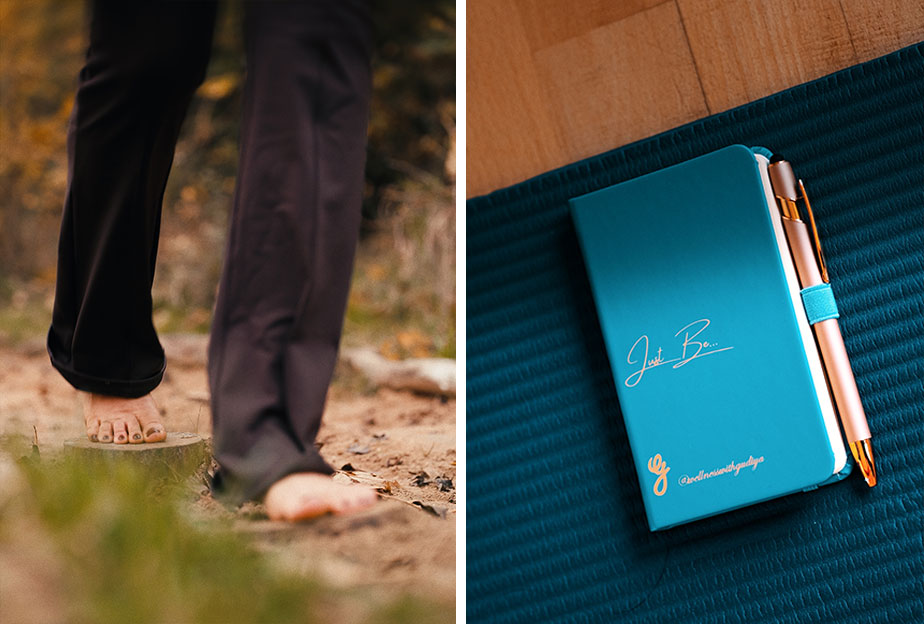
Gudiya teaches her clients how to easily restore some nervous system balance – a process that makes your body feel safe and supported again. Techniques include somatic breathwork, grounding nature walks, or barefoot walks in silence. These practices release stored tension and restore calm by reconnecting you to your surroundings.
What’s particularly concerning to Gudiya is when people notice they are burning out but add in yet more activities as a supposed fix. “Some people go from burnout straight into another form of ‘high’ performance mode: waking at 6am, doing five wellness routines, taking ten supplements.
“Real recovery is slow, gentle, and sustainable. Remember, rest isn’t earned; it’s needed for long-term efficiency,” says Gudiya. Most importantly, “you don’t need to wait until your body forces you to stop. If you’re doing everything ‘right’ and still feeling wrong inside, it’s time to listen. Burnout doesn’t always look like breakdown — sometimes it looks like doing too much, for too long, without enough space to just be.”
The next Just Be retreat takes place 19- 22 September 2025 in West Sussex, from £800. Click here to find out more.
Book in with Gudiya Dagur Patel via The Gloss Book now to benefit from tailored nutrition and wellbeing advice.