11 longevity trends you need to know for 2026 — from wellbeing expert Dr Sophie Shotter
From earrings that track your health to swapping your cold plunge for a sauna, the doctor behind a hit longevity podcast shares the latest advice for ageing well
There are cosmetic doctors who like to simply mask all traces of hard living with fillers and Botox, and then there are those who believe no cosmetic procedure can be truly effective unless it’s in tandem with a holistic approach to health. Top cosmetic physician Dr Sophie Shotter is one of the latter.
“I am constantly seeking out new studies, methods and products that can help my patients and followers improve their day-to-day lives and stave off disease,” Shotter says. One way she does this is by interviewing some of the biggest names in health and biohacking on her popular podcast Age Well with Dr Sophie Shotter, praised for being a welcome shot of oestrogen in what can feel like the wellness manosphere. Among her guests have been names such as high profile US exercise physiologist Stacy Sims and the show started outperforming big-name biohacker Dave Asprey’s The Human Upgrade podcast early on.
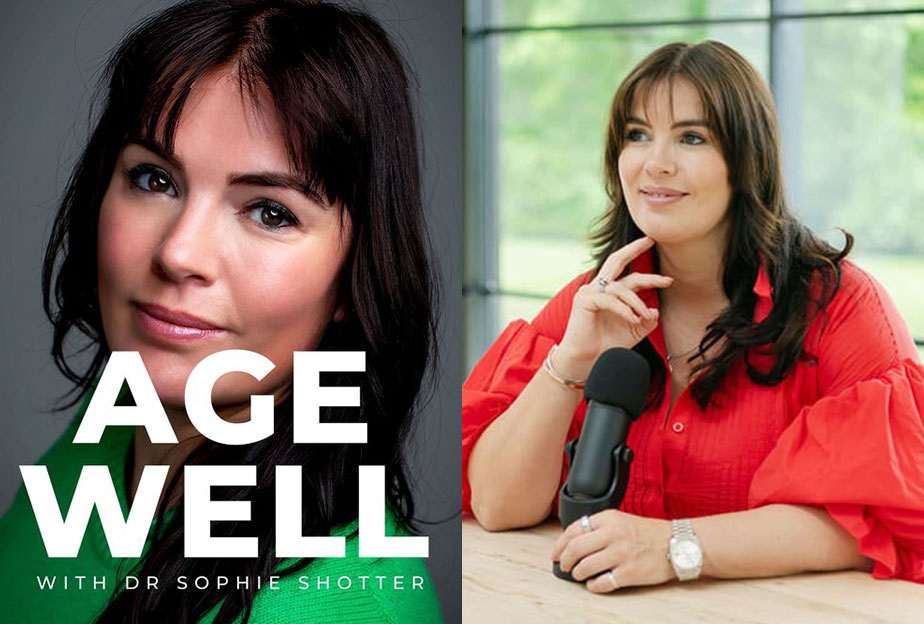
Real talk: Shotter recording her Age Well podcast
Shotter’s firm belief is that slowing the ageing process down will lead to a happier, healthier lifespan. In her cosmetic clinics, that means she encourages her patients to consider a 360-degree approach rather than to rely on quick tweaks. Her patient programmes may include things such as hormone, vitamin level and DNA checks alongside advice on nutrition, exercise, supplements, sleep and other lifestyle factors. She might also recommend things like advanced red light or biostimulating injectables with a view to optimising the body’s longevity and self-repair mechanisms.
With constant advances in the field of longevity, Age Well with Dr Sophie Shotter has given her “so many clear lessons – many of them challenging perceived biohacking wisdom – such as the fact that hardcore cryotherapy and HIIT training may not be the most suitable practices for women,” she says.
Here, she shares 11 remarkable new insights from guests and recent research from which we can all benefit.
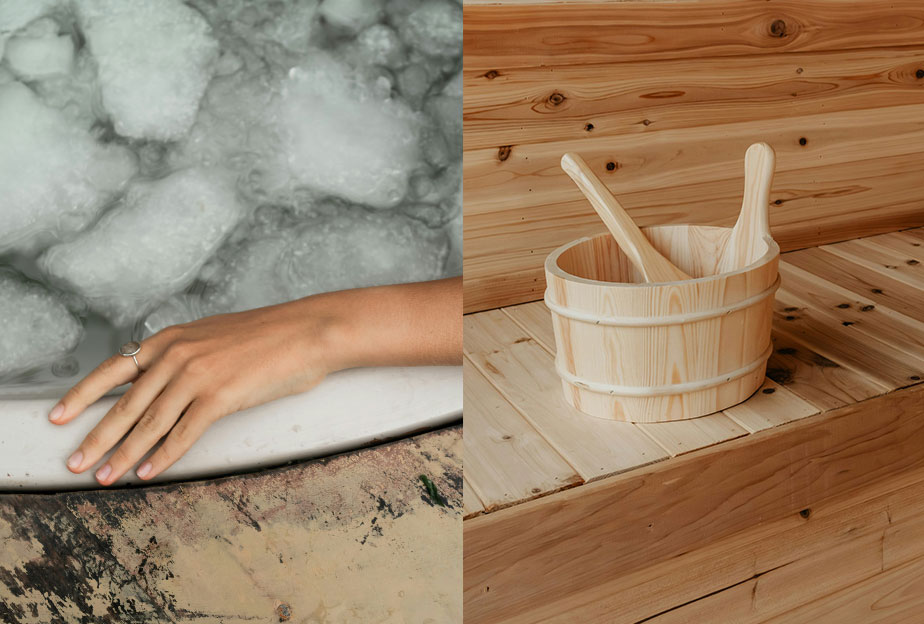
According to Shotter, the female body responds better to warmth than cold.
“It turns out men and women respond differently to stress-based interventions. Dr Stacy Sims explained on my podcast that women generally thrive in heat but not in cold: saunas support recovery and hormonal stability, whereas cold plunging can elevate cortisol, disrupt hormonal balance, and even impair muscle repair. In short, the female body responds better to calm and warmth than to shock-based protocols.
“It’s a reminder that gender-specific physiology matters. It means that as women we should be reassessing our approach. I personally no longer cold plunge now, based on the fact that I know my adrenals are strained anyway. Those with less adrenal load may do well with some moderate cold plunging (think 14-16 degrees) or with cold showers, which are less problematic than full cold-water immersion.”
Listen: Dr Stacey Sims on why women need to exercise differently to men
“The practice of ‘circadian light anchoring’, where you try to synchronise your internal body clock with the external environment (ie the sun or daylight) for better sleep and overall wellbeing, is effective and getting more refined. Apart from going outside first thing in the morning to drink in the light and support cortisol release, add some afternoon and evening light hygiene.
“Dimming lights and reducing blue light from mid-afternoon onwards appears to significantly improve sleep quality, sometimes even more than relying on the boosting effect of morning light alone. It’s about creating a full-day light story for your brain to follow.”
Listen: How to get the best night’s sleep of your life
“One of the most understated but impactful daily hacks is micro-walking after meals (which has become a gut health trend, too). Even as little as a one-to-three-minute amble noticeably reduces glucose spikes. I tested this on myself when I wore a continuous glucose monitor, and noticed the pattern definitely holds true for me.”
Listen: The wellness trends to watch in 2026 (see for more upcoming trends)
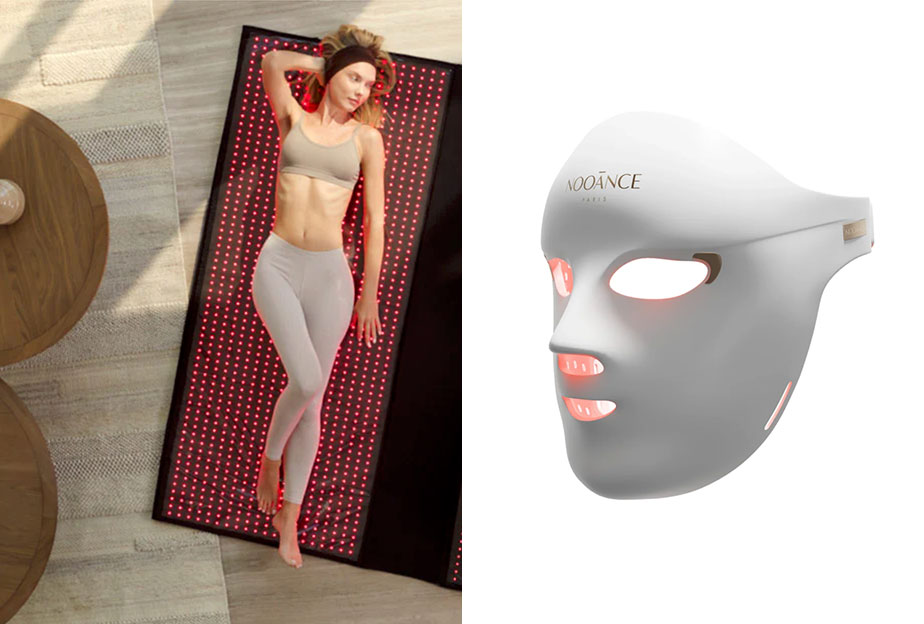
BonCharge’s LED Red Light Therapy Blanket; and the Nooance Paris X600 LED Face Mask
“We’re developing more sophisticated versions of old ideas. Pulsed red/NIR LED devices (masks and panels), where the light rapidly cycles rather than shining continuously, are worth looking out for; they’re becoming more common, although they’re not yet widely available.
“I found from my research that pulsing may enhance cell energy (the basic reason why LED works) with less heat build-up. BonCharge have a pulsed LED Red Light Therapy Blanket available, and at home, I use the Nooance Paris X600 LED Face Mask — it ticks every box for me in terms of efficacy, and I really like the results.”
Listen: So what’s the deal with lasers (LED and IPL)?
“A novel daily practice backed by a growing body of research is something called cognitive recovery micro-dosing: sprinkling tiny, high-intensity cognitive drills throughout the day. It could be balancing on one leg for ten to 30 seconds to train attention and body awareness. Or doing some micro breathwork to reset yourself (inhale for four seconds, exhale for six for three to five breaths) to improve your focus. The idea is that they’re short and low-effort, but cumulatively, they have a big impact: it seems to meaningfully sharpen reaction speed and mitigate cognitive fatigue.”
Listen: How to train your brain with Prof Mark D’Esposito
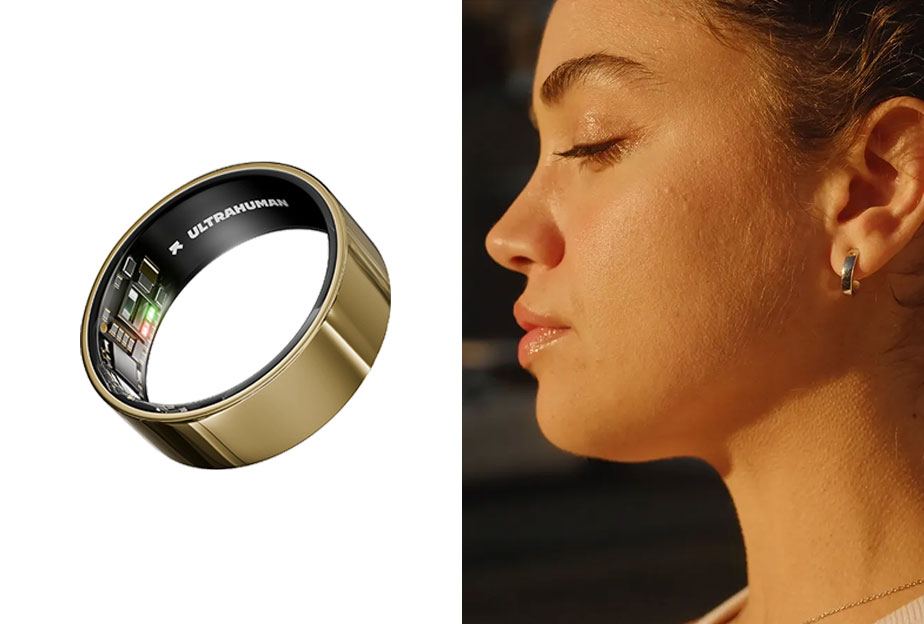
Move over Oura: The Ultrahuman Ring Air and Lumia 2 Smart Earrings
“Beyond Oura, there is a growing generation of ultra-light tracker rings, such as the Ultrahuman Ring Air, £329 and Circular Ring 2, £280, which refine HRV (heart rate variability, which is a marker of how well your body responds to stress) and temperature tracking without adding bulk. These metrics matter because HRV gives insight into how resilient your nervous system is to stress, while temperature shifts can flag illness, ovulation or over-training early on.
“There’s also a new wearable earring [Lumia 2 Smart Earrings, $249] which I’m intrigued to find out more about. Metabolic wearables [such as the Zoe continuous glucose monitor] are also evolving: ones that measure not just glucose but things like real-time ketones are on the horizon. This is an exciting prospect because ketones offer a window into metabolic flexibility and mitochondrial (energy) efficiency – key pillars of longevity. It’s not here yet commercially and is currently aimed mainly at diabetes research and management, with companies like Abbott developing combined glucose and ketone sensors.”
Listen: At home biohacking that actually works
“Intermittent hypoxic training, where you wear a mask that gives you intermittent short bursts of high and low levels of oxygen, has been used in elite sport for years. It’s becoming feasible at home with more affordable breath restriction masks, however they should only be used under the guidance of an expert trainer to ensure it is appropriate for you. The practice gently stresses the mitochondria (cell batteries) and can improve metabolic efficiency and VO₂ max; the maximum rate at which your heart, lungs and muscles can use oxygen during exercise — increasing it is important for longevity.”
Listen: Stay tuned for an episode with special guest Alan Trim coming in March 2026
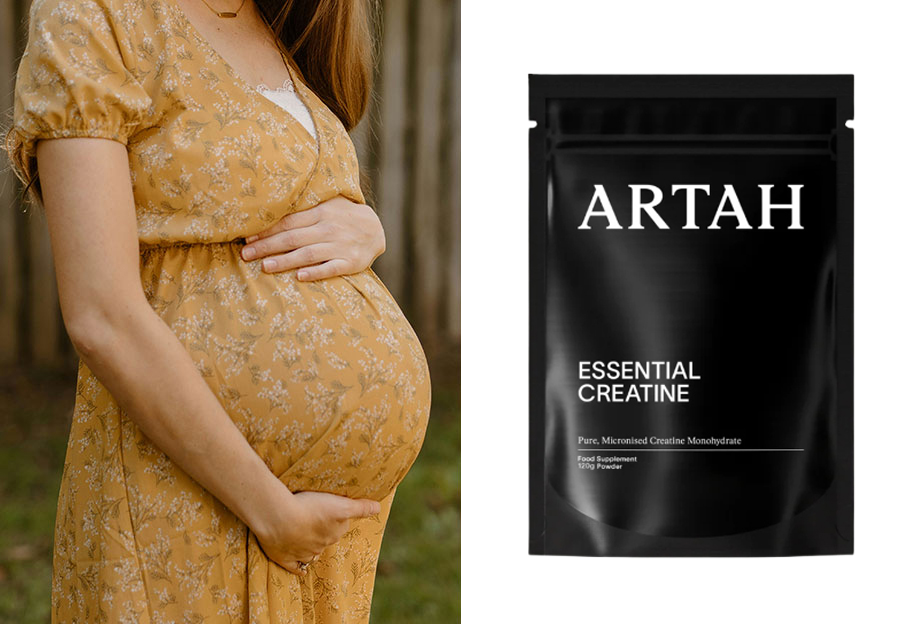
Shotter ecommends Artah Essential Creatine supplements during pregnancy
“Creatine continues to attract fans and clinical data for the role it plays in cognition and cellular health. Emerging data even point to foetal brain benefits (though always take it under guidance from your doctor if you’re pregnant). The fact that it may help control blood sugar is meaningful for both the mother’s and the baby’s health. I recommend Artah Essential Creatine, £28.”
Listen: A 20-minute creatine explainer and new findings on mental health
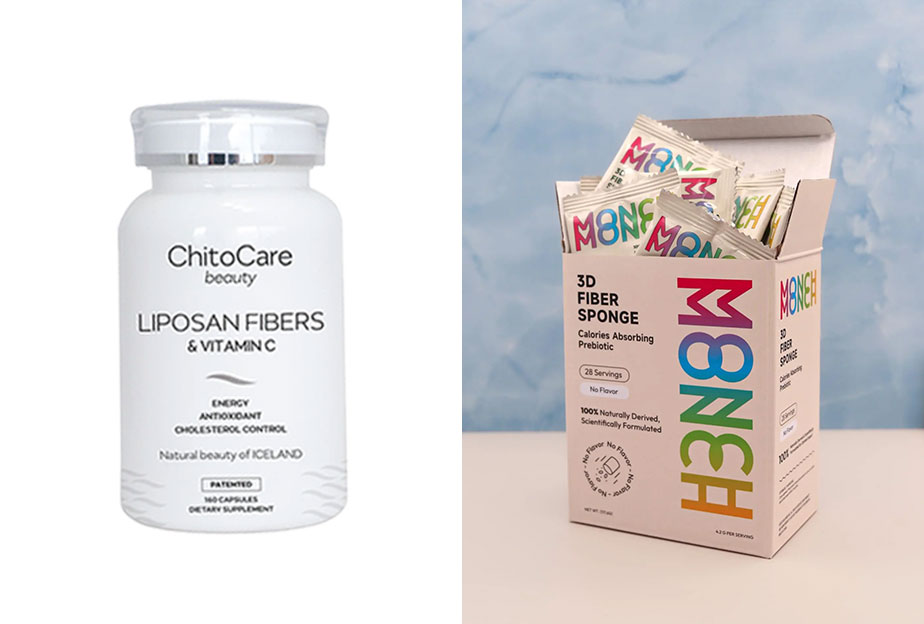
Shotter recommends ChitoCare Liposan Fibres and Monch Monch Calorie Absorbing Fibre Mix
“Don’t expect too much of these. A few ingredients, like berberine or fucoxanthin, can nudge blood sugar or metabolism, but none replicate the effect of GLP-1 agonists like Ozempic. Some fibre peptides and plant-based carb-blockers (eg ChitoCare Liposan Fibres, £59, or Monch Monch Calorie Absorbing Fibre Mix, £99.63) offer mild appetite or glucose benefits, but the idea that there’s a nature-identical alternative to semaglutide (such as Ozempic) is simply marketing.”
Listen: Ozempic and other weight loss drugs — everything you need to know
“The concept of shorter bursts of high intensity exercise, as discussed by Dr Stacy Sims on my podcast, is really interesting for women. Mainstream high-intensity training such as HIIT may be quite detrimental especially to women’s health as it can be overly stressful, driving cortisol and undermining hormonal balance if overused.
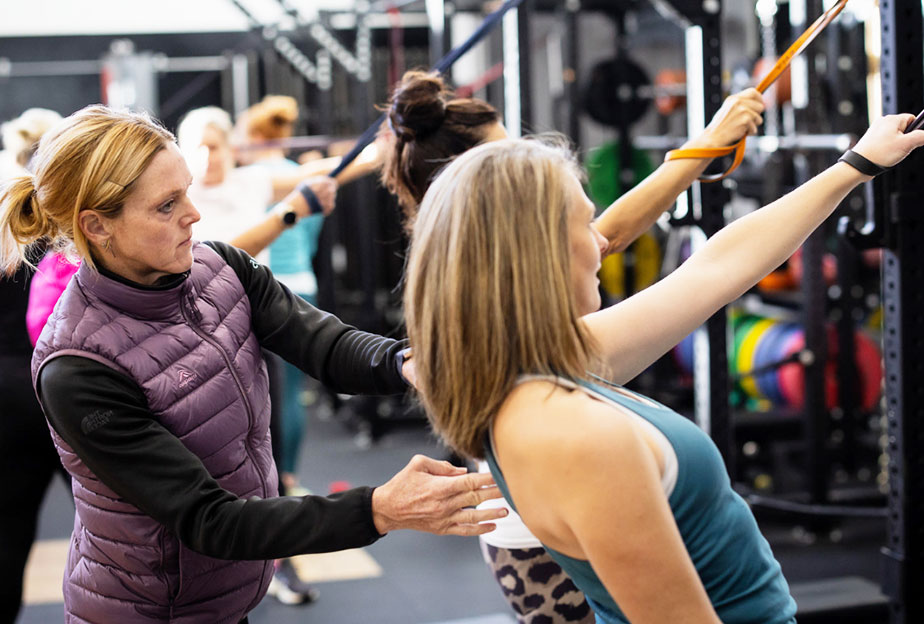
According to Dr Stacy Sims, women respond best to short, intense bursts of cardio rather than long HIIT sessions
“Dr Stacy Sims emphasises that women respond best to very short, very intense bursts of cardio rather than long, punishing HIIT sessions. She advocates SIT, or Sprint Interval Training; 30-second maximal efforts, such as hill sprints or bike sprints, followed by a full 2-3 minute recovery. These brief bursts stimulate cardiovascular fitness, fast-twitch muscle fibres and glucose uptake without creating a prolonged stress response. Think of it as sprinkling intensity, not drowning in it: one or two short efforts added to a walk or strength session can deliver meaningful benefits while better supporting long-term hormonal and metabolic health.
“Personally, I still rate the combination of strength training, zone 2 cardio (gentle jogging or cycling, where you can still keep up a conversation) and a touch of daily plyometrics (explosive exercises such as box jumps and burpees) as the most powerful all-round longevity strategy. It counteracts sarcopenia (loss of skeletal muscle mass), protects the heart, builds bone, and elevates metabolic health more effectively than any trendy modality.”
Listen: Dr Stacey Sims on why women need to exercise differently to men
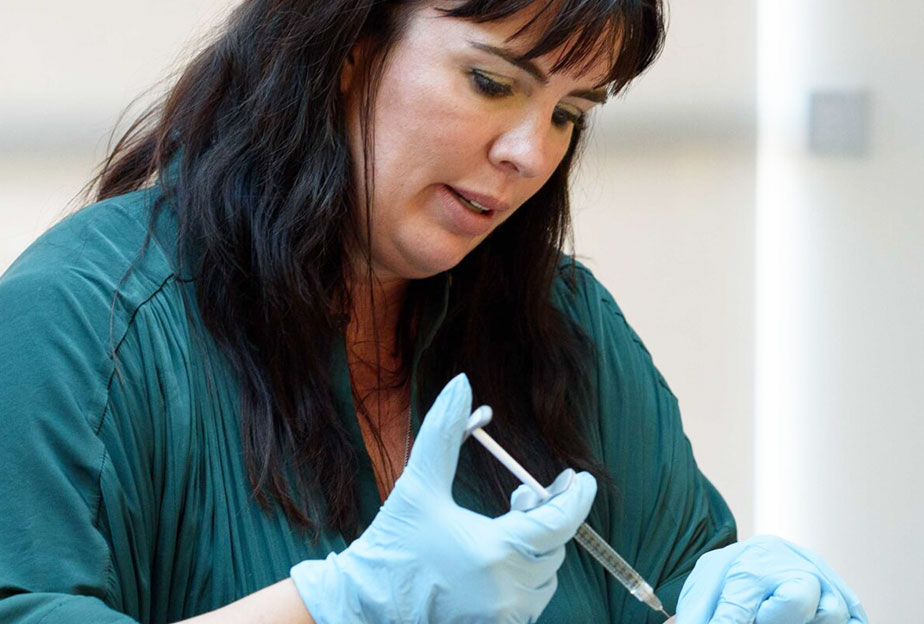
Shotter practising at Illuminate Skin Clinic
“Biostimulating injectables, which support skin longevity by supercharging your own cells, are where it’s at in tweakments. Sunekos (a course of 3 sessions spaced 2 weeks apart) is a true favourite for me as it works to restore your entire skin ecosystem – not just collagen but elastin, fibronectin and beyond.
“Skinvive (every 6-9 months) is another game changer, which up-regulates levels of aquaporin 3 (a protein that facilitates the movement of moisture in the skin and that usually decreases with age), allowing your skin cells to flood with long-lasting moisture.
“And I love MCT or meta cell technology, which turbo-boosts your own biology by spiking your blood plasma with almost 300 billion of your own exosomes to increase natural repair and regeneration.”