‘I’ve had endometriosis symptoms for 20 years – here’s how I manage my health and live a normal life’
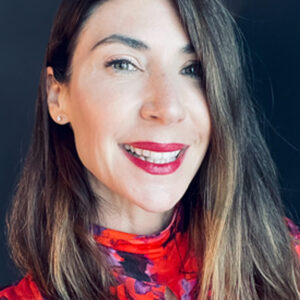
Agonising bloating, painful sex, aching joints and brain fog – Charlotte Dormon suffered for nearly a decade before finally getting an endometriosis diagnosis. Here’s how she finally found relief and the lifestyle tweaks that keep her feeling well
For almost 10 years of my life until my early 30s, I struggled to understand what was happening to my body. I’d been plagued by agonising bloating around my period and I’d have repeated bladder irritation, even though my tests for UTIs always came back negative. Then there was the constant pelvic pain that could make intimacy impossible, the debilitating fatigue that would come and go without explanation, the flu-like feeling, the brain fog, the aching joints…
Some weeks, I felt completely normal, and then suddenly everything would flare up again.
I’d always been very career-driven and would soldier on, relying on pain medication and plenty of coffee to get me through when I felt fatigued and inflamed. I put on a brave face for so much of my twenties, but underneath, I was suffering.
At first, the medical explanations sounded reasonable. One doctor suggested it might be IBS, which made sense as many of my symptoms, such as bloating, felt digestive. They gave me medication for stomach cramps, paracetamol, ibuprofen and even an antidepressant, citalopram. I tried lots of different diets – wheat-free, vegan, vegetarian, no sugar, but nothing helped.
Another doctor suggested Polycystic Ovarian Syndrome (PCOS), which causes pain around ovulation, bloating and low mood. I was prescribed the Mirena coil hormonal contraception to regulate my cycle, but it made everything worse.
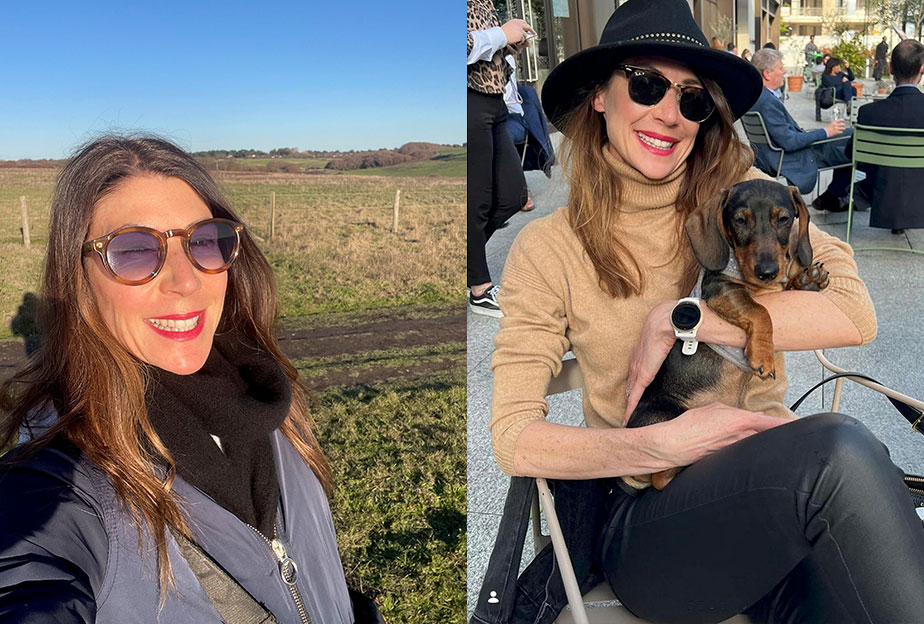
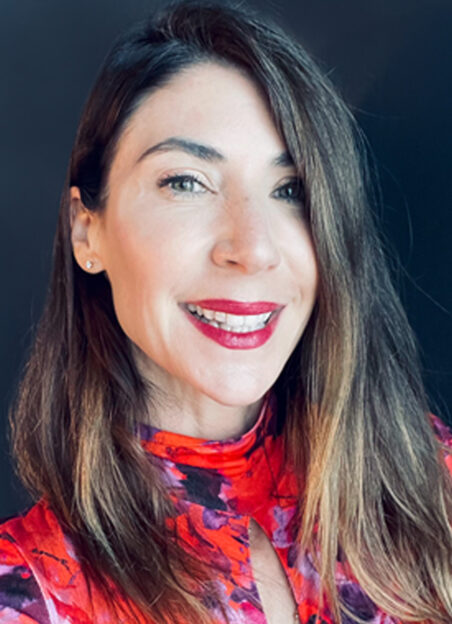
Health and PR Charlotte Dormon had undiagnosed endometriosis for eight years
I assumed this was simply how the process worked. You tried something, and if it didn’t help, you moved on to the next option.
There were many weekends when I cancelled plans. If I had a few drinks or stayed out late with friends, I’d suffer for days after with bladder irritation and bloating. I dreaded social occasions because of the aftermath. It began to affect how I saw myself, especially in my relationship with my boyfriend. I felt as though I was the problem because sex was super uncomfortable. In reality, my body was dealing with a condition that no one recognised.
It took eight years before I finally discovered the underlying cause at age 32: endometriosis.
Endometriosis occurs when tissue similar to the lining of the uterus (the endometrium) grows outside of it. This tissue can attach itself to organs such as the ovaries, fallopian tubes, bladder or bowel.
Unlike the lining inside the uterus, which leaves the body during menstruation, this out-of-place tissue has nowhere to go. But like the womb lining, it still responds to hormonal changes throughout the menstrual cycle. “During the monthly cycle, hormones stimulate the endometriosis, causing it to grow, then break down and bleed,” according to Endometriosis UK. “This internal bleeding, unlike a period, has no way of leaving the body. This leads to inflammation, pain, and the formation of scar tissue.”
It’s a chronic inflammatory disease that can affect multiple organs, including the ovaries, bladder and bowel. Symptoms can include severe period pain, pelvic pain, digestive issues, fatigue and bloating. Endometriosis can often take years to diagnose because these symptoms overlap with other conditions, such as IBS or hormonal imbalances. According to Endometriosis UK, around 1.5 million women in the UK are living with the condition, yet the average time to diagnosis remains close to nine years.
There is currently no cure, but treatment, surgery and lifestyle changes can help manage symptoms and improve quality of life. The condition can also affect fertility, with studies suggesting that between 30 and 50 percent of women who experience infertility may have endometriosis.
I paid privately for an MRI scan at a clinic in Harley Street (something never offered to me on the NHS), and it revealed adhesions (scar tissue) between my ovary and bowel. I took the results back to my GP and was referred to a gynaecologist. Soon afterwards, I had a laparoscopy, a keyhole surgical procedure under general anaesthetic, which is used to confirm endometriosis. The surgeon was able to see that there was endometrial tissue attaching my ovaries to my bowel and around my bladder and uterus. No wonder I’d had so much discomfort in these areas.
While I was under, they removed the adhesions using heat (ablation). The procedure left tiny scars around my bikini line, on the skin above each ovary and at the top of my vagina. I moved back in with my mum for the next four weeks to recover, with a lot of bed rest as I struggled to move around. But it felt a small price to pay for the relief of finally understanding what had been happening inside my body.
I was told by the doctor I saw after my operation that endometriosis was often seen as a ‘career woman’s disease’, and that the only real fix was to get pregnant, presumably because it would halt the hormonal cycle, or to go on hormonal contraceptives to stop periods. I’d tried the Pill in my twenties and didn’t get on with it, the Mirena coil also made me feel terrible. I was single, as my eight-year relationship had broken up shortly before my surgery. The doctor made it obvious that I should focus on my fertility, not my job, and think about having children. How was that going to happen?
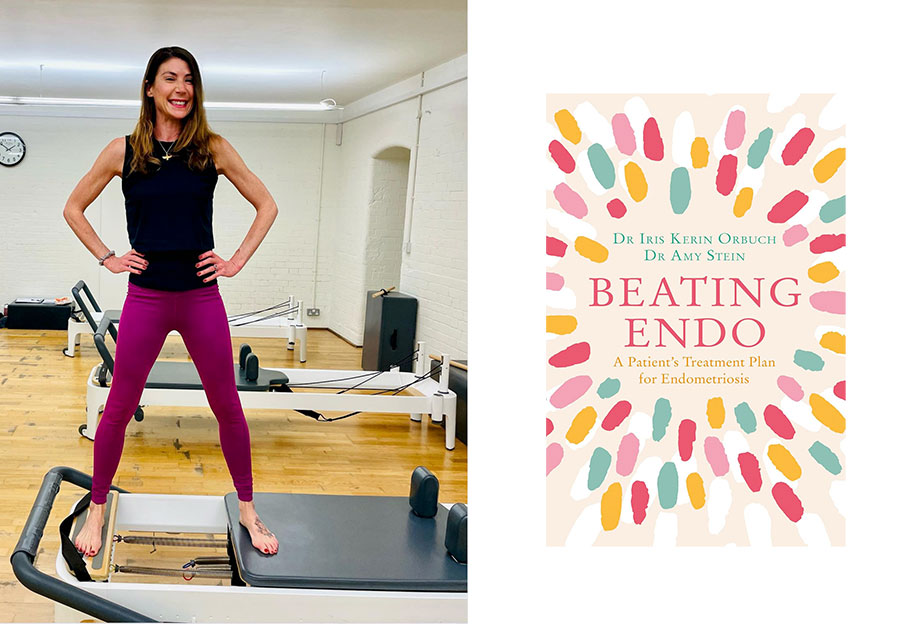
Charlotte switched to reformer Pilates, (above) yoga and more gentle forms of movement to manage her endometriosis symptoms. Left, the book that helped her most
One book that really helped me so much and that I recommend to everyone was Beating Endo (Thorsons, £12.47) by Dr Iris Kerin Orbuch and Dr Amy Stein. It made me realise how much inflammation, hormones, stress, and lifestyle all play a role in how you feel day-to-day. I worked hard on improving my diet, reducing alcohol, supporting my body with the right supplements (see below) and finding exercise that helped rather than made me more exhausted.
I learned that the stomach swelling I’d experienced around my period, ‘Endo belly’, is one of the most commonly-reported symptoms. It refers to the sudden abdominal swelling and discomfort many women experience during certain phases of their cycle. For me, it was worst mid-cycle and a few days before my period.
It can feel very different from normal digestive bloating. The abdomen becomes firm, swollen and painful, sometimes appearing dramatically enlarged within a matter of hours. This reaction is thought to be linked to inflammation in the pelvic area, monthly hormonal changes and disruption within the digestive system.
I had one wardrobe for the weeks when I was fine and a different range of outfits for when endo belly flared up: no tight trousers, no tight dresses, long jackets to cover my stomach. I would often avoid going out altogether or hold a bag over my stomach as I was so self-conscious about my pot belly.
Many women also experience so-called ‘endo flu’. The body can feel achy and fatigued, as if you’re fighting off a viral infection. This is thought to be linked to inflammatory immune responses triggered by endometrial tissue growing outside the uterus.
Pelvic pain was another constant. At times, sex became painful, something many women experience but rarely feel comfortable talking about. Certain positions were completely off limits for half the month because it felt like everything inside was inflamed, bruised and tight.
My bladder would also often feel irritated and sensitive, which I later learned can be linked to pelvic floor tension and pelvic inflammation.
Women’s health GP Dr Rachel Hines explains: “Endometriosis isn’t always seen on a pelvic ultrasound scan, and this can falsely reassure some women. An MRI scan can be used to show endometriosis, and laparoscopy is the gold standard for diagnosis. It’s often missed because there is a big overlap of symptoms with other conditions. Many people do not realise periods are not meant to be painful. I’d have a higher level of suspicion when there is a family history. Early start of periods under the age of 10 can also be a factor.
“Treatments for endometriosis are hormonal therapies and/or surgery. Endometriosis is driven by oestrogen, so if levels are more stable, it can help with managing pain. The combined oral contraceptive pill stops ovulation and, therefore, the variation in hormone levels. Ideally, you take the Pill back-to-back to avoid having periods. The progesterone-only pill stops ovulation and periods. The Mirena (progesterone) IUD/coil keeps the endometrium (lining of the uterus) thin and can also help with endometriosis outside of the uterus. Synthetic progestin (dienogest) can help symptoms by stopping ovulation, which reduces blood vessel growth and allows the size of the endometrial lesions to shrink.
“The endometriosis deposits and adhesions can be removed with surgery. Sometimes the disease is very severe, and removing the uterus, and often the fallopian tubes and cervix, may be the best option. You wouldn’t always need to remove ovaries. In some women, even if the ovaries are kept, this can lead to early menopause.
“Endometriosis can affect fertility by causing inflammation, creating scar tissue, and also ovarian cysts (endometriomas), which can damage the ovaries or fallopian tubes. It can also affect the quality of the egg and the implantation of embryos. Up to 70 percent of women with endometriosis can get pregnant spontaneously. However, it can be harder to conceive, and IUI (intrauterine insemination) or IVF may be needed. Getting pregnant as a fix for endometriosis is outdated advice – pain can improve in pregnancy, but it does not cure endometriosis.”
The good news was that I finally knew what was wrong with me; the bad news was that the operation would not last forever. Endometriosis is incurable and it does come back. Many women have this operation at least three times in their lives. But for now, I was happy to know what was causing the pain and to do my utmost to manage the symptoms.
The doctors could only give me pain medication and hormonal contraception, both of which I wanted to avoid if possible. I saw holistic therapists such as naturopaths and acupuncturists, and many treatments helped me manage my symptoms, in particular pelvic physiotherapy (see below). These are the things that helped me most
“Endometriosis is increasingly understood as an inflammatory condition,” says Dr Naomi Newman Beinart, registered nutritional therapist with a PhD in health psychology from King’s College London and chartered psychologist, specialising in women’s health, who has endometriosis herself.
She confirms that a diet rich in vegetables, fibre, healthy fats and whole foods can help support gut health and inflammatory balance, while processed foods, refined sugar and alcohol can contribute to inflammatory stress in the body.
Dr Rachel Hines emphasises the importance of gut health: “Endometriosis is driven by oestrogen and there are bacteria in the gut (the estrabolome) that help to recycle oestrogen. If there is dysbiosis (imbalance) in the gut microbiome, this can lead to less effective oestrogen recycling and further drive endometriosis.”
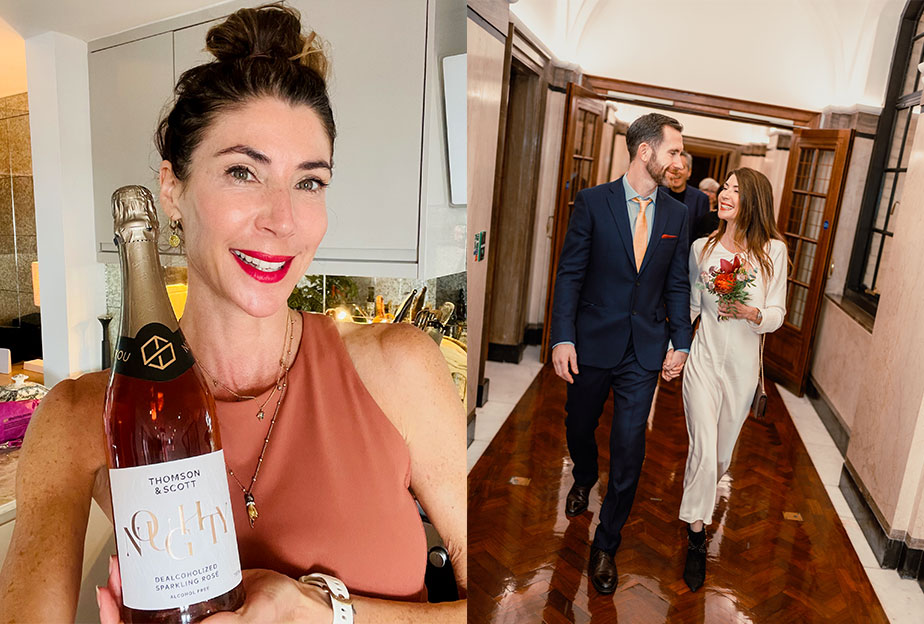
Charlotte has been teetotal for three years and last year married husband Aaron
2. Cutting out alcohol
I haven’t drunk for three years now. Alcohol increases inflammation and disrupts hormone balance, and once I stopped drinking, my bladder flare-ups improved significantly. My period and ovulation pain also reduced, while my mood, energy and sleep improved dramatically.
3. Stress-free workouts and sleep
I realised the type of movement I did mattered. I loved high-intensity workouts and hot Bikram yoga, but these often made symptoms worse due to increased cortisol levels. I switched to much slower restorative classes, barre, walking and stretching every day to loosen up fascia.
4. Avoiding overwork and reducing caffeine
The way I worked also had to change. I’d always been someone who worked late and often on weekends. Lack of rest and excessive coffee were contributing to my symptoms. I adore coffee, and this is the one thing I am still working on giving up, as I know it’s not good for inflammation. I have organic as much as possible and try not to have so much on an empty stomach.
5. Pelvic physiotherapy
I saw an amazing practitioner, Magdalena Wisniewska at PelviCare, a specialist women’s health physiotherapy clinic in London. Over 12 weeks, she worked internally on my pelvic floor muscles, scar tissue and the areas that were causing pain. She explained that the pelvic floor muscles can become tight because the body has been bracing and protecting the area for so long. She worked on improving movement within the internal tissues, which made a big difference in pain levels and made my sex life far more enjoyable. My bladder also felt much calmer.
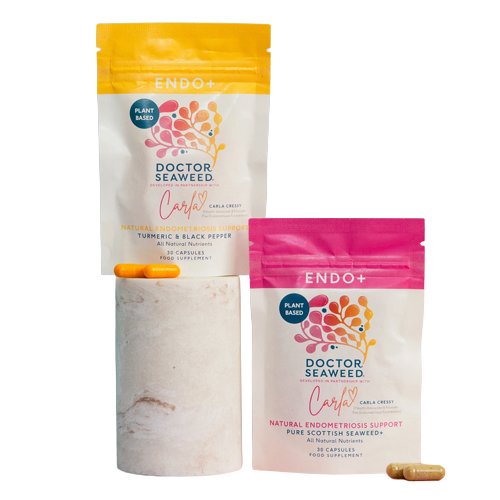
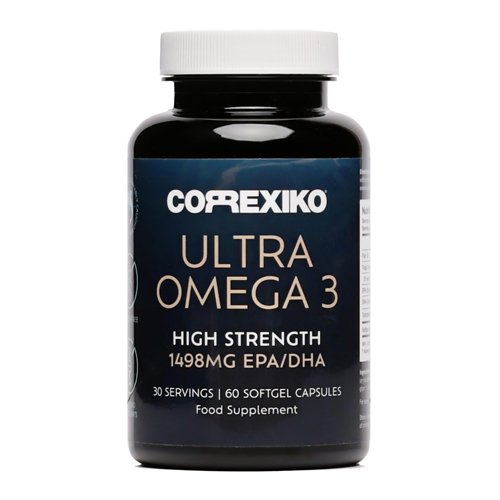
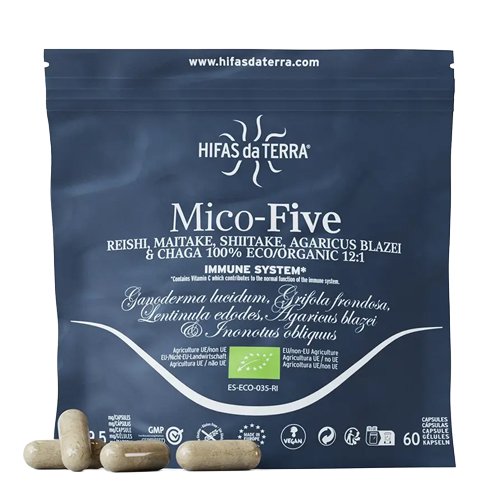
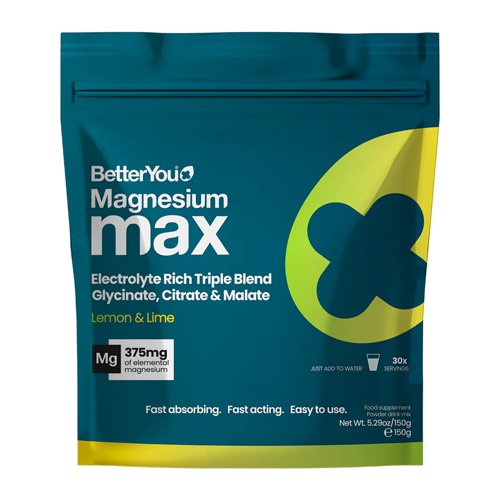
6. Supplements for endometriosis
“Supplements can play a meaningful role in supporting the underlying biological pathways involved in inflammation, immune balance and hormonal health,’ says Dr Newman-Beinart. “When used alongside a supportive diet and lifestyle approach, they can help create a less inflammatory internal environment, which may help women better manage pain, fatigue and hormonal symptoms.”
These are the supplements Dr Newman-Beinart recommends in clinic to support women managing endometriosis, and that I take every day.
Endometriosis will get better after menopause, so I have been told, although perimenopause can be a rollercoaster. “In perimenopause, the fluctuation of hormone levels can make symptoms worse, and the pain and heavy bleeding can be challenging,” says Dr Hines. “Some women find that symptoms can improve as oestrogen levels fall, however the fluctuations can make it worse for some too. But after the menopause, oestrogen levels are very low and therefore endometriosis stops growing. If you take HRT, the oestrogen can drive growth of endometriosis even post-menopausally, so it’s really important to have progesterone as well to prevent this happening, even if you’ve had a hysterectomy, as there may be deposits of endometriosis that weren’t removed at surgery, so the progesterone makes sure they don’t grow. “
When I compare how I feel now to how I felt before making these changes, the difference is huge. The pain I once experienced has reduced dramatically, and the bloating that once felt constant is now almost non-existent. I still get the odd flare-up if I’m travelling, feeling run-down, or have been very lax in my diet, such as over the festive season.
I don’t see a doctor for endometriosis now, as the only thing my GP can do is prescribe contraception to stop periods or pain relief.
As for my fertility, I’d love to get pregnant. When I did eventually meet my husband four years ago, I was 38 years old, so my age has not been on my side. But I haven’t given up hope.
I suffer less now that I’m 42 because I prioritise my health so much now. Learning more about endometriosis helped me understand how closely the condition is linked to inflammation, hormones, the immune system and the nervous system. Once I began supporting those areas, I started to feel far more in control of my health.
There is currently no cure for endometriosis, but I’ve learned that small, consistent changes can make a meaningful difference to how you feel day-to-day.
Charlotte Dormon is a wellbeing coach and founder of Good Health PR that represents natural health brands including Doctor Seaweed, Hifas da Terra, Correxiko and BetterYou.