14 signs you have oestrogen dominance – yes, even in menopause

Oestrogen dominance symptoms can range from bloating to poor sleep, painful periods and headaches and can affect women at any age. But you don’t have to put up with it, says a top hormone nutritionist
One of the most common things I see in clinic as a functional hormone nutritionist is women who have had their oestrogen level tested and been told it looks fine, and yet they are still dealing with hormonal symptoms such as headaches, PMS or PMDD, bloating, itchy skin, acne before their period – and more.
Yes, you can have low levels of oestrogen (including in menopause) and still have what’s called ‘oestrogen dominance’. This does not necessarily mean your level is abnormally high; it’s the fact you are not clearing out your old oestrogen that is the issue. We need to use it, then lose it. Our liver clears oestrogen, then our gut carries it out – and both have to be working well.
According to the work of Dr John R. Lee, who first brought oestrogen dominance to mainstream attention, around 75 per cent of women experience symptoms of it, yet the vast majority don’t realise this is what’s driving how they feel. Oestrogen dominance is one of the most frequently missed drivers of symptoms in women in their late 30s and 40s, who believe – and are told – that what they are experiencing is simply part of getting older.
But oestrogen dominance isn’t exclusive to perimenopause. It’s one of the most common reasons we see younger women in their teens and 20s presenting with PMS, acne, heavy periods and hormonal migraines.
Most often in clinic we see young women with very high oestrogen, as was the case with me. As a teen, I had awful period pains, and this went on for years. When eventually I did a Dutch test (a urine hormone test) I learned that not only did I have high oestrogen, but also I was detoxing it badly, which was the cause of my bad PMS symptoms. When I got on supporting my liver detox, getting rid of my candida, and balancing blood sugar in three cycles, eating a lot of cruciferous vegetables, I no longer had PMS after years of suffering.
And post-menopause, even when oestrogen levels are low overall, poor clearance through the liver and gut means that used oestrogen can still recirculate and cause dominance symptoms. The absolute level matters less than how well your body is processing and eliminating it.
If you’ve been struggling with symptoms such as those listed below that your GP can’t explain, or your bloods have come back normal but you know something isn’t right, oestrogen dominance might be the cause.
We see these symptoms in clinic every day – they may be common, but they are not normal, and they are not something you have to accept. Oestrogen dominance rarely produces just one symptom in isolation; we’d be looking for several of the following:
• Bloating before your period
• Breast tenderness, lumpiness or fibrocystic changes
• PMS or PMDD, or pronounced mood changes the week before your period
• Hormonal headaches or migraines around ovulation
• Stubborn fat around the hips, thighs and bottom, or cellulite
• Heavy, painful or irregular periods
• Itchy skin, hives, worsened hay fever, and reactions to wine or champagne (these histamine-type symptoms can be driven by high oestrogen and are often missed)
• Strong sugar or carbohydrate cravings
• Poor sleep, anxiety, or feeling wired but exhausted
• Worsening symptoms since starting HRT
• Hormonal acne
• Fibroids, cysts or endometriosis
• Fertility difficulties or lack of ovulation
• Thyroid nodules
The presence of several of these symptoms together, particularly in a woman in her late 30s or 40s, is a clear signal that the hormonal picture needs investigating.
Even when oestrogen falls in late perimenopause and menopause, your body still has to clear the oestrogen it does produce. That job belongs to your liver and gut, which play a bigger role in clearing oestrogen than most people realise. If either is sluggish, that used oestrogen recirculates rather than leaving the body, and that is when symptoms start, even when levels look normal on a standard test.
The liver processes the used oestrogen in two stages: first, it converts it, then it prepares it for elimination. Both stages need specific nutrients, and if either is slow, oestrogen builds back up before it ever leaves.
Once processed by the liver, oestrogen moves into the gut, where fibre binds it and carries it out. Without enough fibre, or with the wrong balance of gut bacteria, the used oestrogen can be reabsorbed instead of eliminated.
This is why diet and digestion are not separate from your hormones; they are part of the same process. Having at least one complete bowel movement a day is one of the most practical things you can do to support clearance.
Most often in clinic we see young women, including teens, with very high oestrogen, as was the case with me. In perimenopause, women can find that not only their progesterone declines (see below) but that their oestrogen is high and spiking, causing symptoms.
Oestrogen can also come from ‘xenoestrogens’ or fake oestrogens in the environment. Common xenoestrogens include BPA, BPS and BPF (found in some plastics and can linings), phthalates (used in plastics and many fragranced personal care products), parabens (used as preservatives in cosmetics and toiletries), PFAS (found in some non-stick cookware, stain-resistant fabrics and food packaging), triclosan (previously common in some antibacterial soaps and toothpastes), oxybenzone (found in some sunscreens), and certain pesticides (found on conventionally grown produce and in the environment).
Synthetic oestrogens, such as those found in the combined contraceptive Pill and some HRT (as opposed to body-identical oestrogen in most modern HRT) can increase the body’s overall oestrogenic load and may contribute to oestrogen dominance in some people.
In perimenopause, progesterone is typically the first hormone to decline. This means that the balance between oestrogen and progesterone is disrupted, specifically that progesterone is too low relative to oestrogen, creating a state of relative oestrogen excess even when individual hormone levels appear within range on a standard blood test. On top of that, the fluctuations in perimenopause can send oestrogen levels spiking, so you have a double whammy of excess oestrogen.
You can have too little progesterone in your teens, 20s and 30s. We see in clinic all the time young women who are stressed, with exams, university or general life stress, and they are missing periods due to stress, or they are still cycling but ‘anovulatory’ (not producing an egg) and so not producing progesterone as part of their cycle, and experiencing spotting related to low progesterone and PMS. Chronic stress also suppresses progesterone directly, as the body prioritises cortisol over sex hormones under sustained pressure.
View this post on Instagram
Addressing oestrogen dominance requires working across several areas simultaneously. The foundation has to be dietary and lifestyle change, with targeted supplementation.
Broccoli, cauliflower, cabbage and kale contain sulforaphane, a plant compound that activates the liver’s natural detoxification enzymes, helping it process and clear oestrogen more efficiently.
Two tablespoons of broccoli sprouts daily provide up to 25 times more sulforaphane than mature cruciferous vegetables, making them one of the most powerful foods for supporting healthy oestrogen clearance.
Chicory, watercress, rocket and artichoke support bile flow, which is how used oestrogen leaves the liver. Without good bile flow, it stalls.
Eat soluble fibre from chia seeds and avocado (great for bowel movements) and insoluble fibre (also supports the microbiome) from flaxseeds, quinoa and legumes. Ground flaxseeds are a winner as they are an insoluble fibre that keeps you regular and are especially rich in lignans, a phytoestrogen that binds oestrogen in the gut for excretion. And don’t peel your carrots: the fibre in carrot skin binds used oestrogen in the gut and carries it out.
An enzyme called beta-glucuronidase, produced by certain unhelpful bacteria, can take used oestrogen back into circulation. Prebiotic foods (garlic, leeks, onions) and probiotic foods (kefir, kimchi, sauerkraut) help keep this in check. Along with fibre, these support the estrobolome, the gut bacteria responsible for metabolising oestrogen.
Stress, poor sleep and a high-sugar diet all create inflammation that impairs liver function and disrupts the gut bacteria responsible for oestrogen metabolism. No amount of cruciferous vegetables will compensate if the foundations aren’t in place.
Food choices make a real difference to how well your body clears oestrogen, but in my experience, diet alone is not enough. The liver pathways that process used oestrogen require specific nutrients at levels that are difficult to achieve through just food, particularly when the gut microbiome is compromised or inflammation is already present.
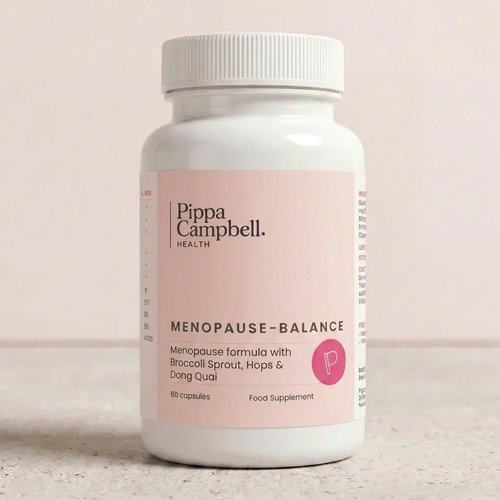
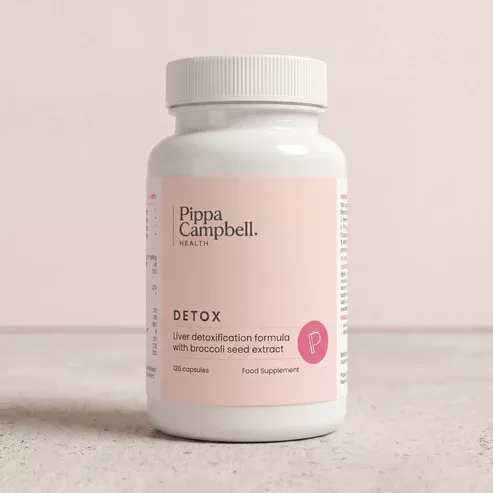
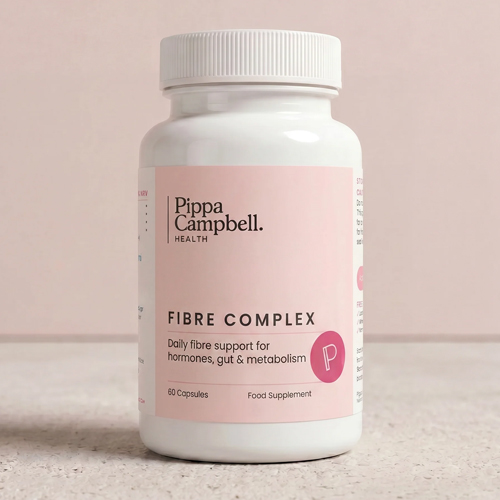
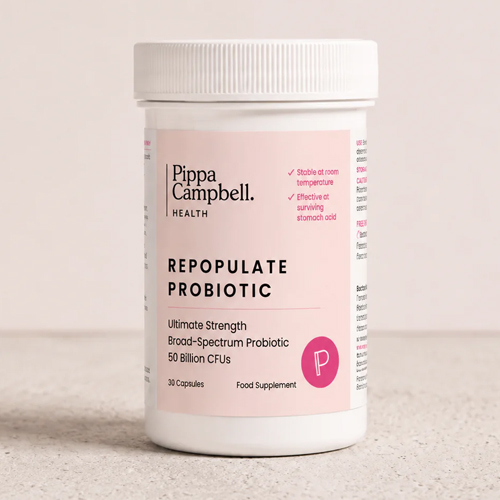
Pippa Campbell Health Detox Daily, £56.99, has broccoli sprout powder that directly supports the liver pathways responsible for oestrogen metabolism. Magnesium and active B vitamins feed the methylation process that prepares used oestrogen for elimination. If you’re menopausal, try also Menopause Balance, £56.99, which has these ingredients plus sage and schisandra to support liver function and stress resilience. The formula addresses the clearance pathway at the same time as supporting temperature regulation, sleep, mood, energy and cognitive function.
A Dutch test is a urine hormone test that I recommend. A blood test taken at a single point in time tells you very little about how your hormones are actually behaving, or how well your body is clearing them. Dutch testing gives a full picture of oestrogen, progesterone and your clearance pathways — without it, any intervention is guesswork.
If you recognise several of the symptoms above and have been told your bloods are normal, accurate testing is the only to know what’s driving your symptoms is to test properly.
Find out more about Pippa Campbell on The Gloss Book and get 15% off Pippa Campbell Health supplements here.