An itchy breakout that just won’t shift? It could be perioral dermatitis – and this is what causes it

Doctors are increasingly seeing stubborn, rash-like red bumps around the nose and mouth. This is what it looks like and why you might be suffering
If you’ve got rashy, liquid-filled and often itchy red bumps on your face, mainly around your nose and mouth, you’re not alone. So-called perioral dermatitis is rife. Permanently-glowy Hailey Bieber has struggled with it, and physicians such as consultant dermatologist and Klira Skin founder Emma Craythorne are flagging it as an issue. “In my practice, I am seeing more people with it than I used to,” she says.
PD (for short) was a hot topic during the pandemic as a side-effect of mask-wearing (the notorious ‘maskne’) and seems to have returned with a vengeance. One of the chief causes is using too much of the wrong skincare, meaning the condition can often be avoided. “We’re seeing a lot of perioral dermatitis related to the high number of products and therefore chemicals that people put on their skin,” says Craythorne. “This will affect the skin barrier and may cause a change in the skin microbiome.”
PD is hard to diagnose correctly, owing to its many possible causes, and tough to shift, as dermatologist Dr Shereene Idriss explains in a TikTok responding to influencer Alix Earle’s stubbornly recurring “red bumps” around her nose and mouth. Fluorinated toothpaste, hormones and steroids can be triggers, says Idriss. Treatments she turns to are topical and oral antibiotics, azelaic acid and Accutane.
@shereeneidriss #stitch with @alix earle perioral dermatitis: not acne and how to treat #perioralderm #perioraledermatitis #acne #acnetreatment #skintips #nofilter #accutane #dermatologist #shereeneidriss @#pillowtalkderm #greenscreen ♬ original sound – ShereeneIdriss
Over on Instagram, makeup artist Nicola Chapman shares her PD journey and tips, suggesting that skincare cocktailing, among other things, set hers off. Having had it many times, she advises letting the affected areas totally dry out, cleansing with just water, cutting out sugar, and covering up with a Bareminerals powder foundation (see below).
View this post on Instagram
So what exactly is perioral dermatitis and how do you know if you have it, and not another condition such as eczema? More importantly, how can you get rid of it? We asked the derms for their clinical views on the solutions and products you need.
Perioral dermatitis, or ‘skin inflammation around the mouth’ is just that – a rash of tiny flat-top bumps concentrated around your mouth. “It can also sit just underneath the nose, in the crevice down to the nasolabial folds, and looping around the chin area,” says Dr Craythorne, adding that it, uniquely, can also appear in the eye area (where it’s called ‘periocular dermatitis’). It can burn, but it’s also possible you don’t feel it at all.
It can either manifest as small (sometimes pinhead-small) individual fluid or pus-filled flat bumps, but it can also look like a rash of bright red (or purplish or brown if your skin is dark), inflamed skin that can appear almost burnt. Under the nose, it can look like you have a cold and you’ve rubbed your skin raw. Sometimes the skin goes scaly, but sometimes it doesn’t. Unhelpfully, “it can appear like a cross between acne, rosacea and eczema, all rolled into one,” says Craythorne.
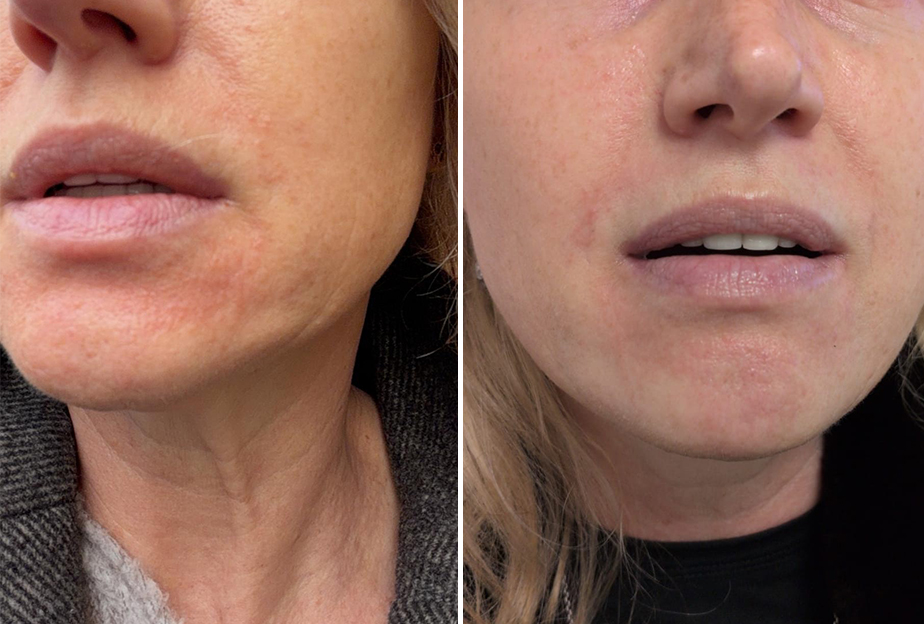
Perioral dermatitis shows up as read itchy bumps often around nose and mouth. Image: Face Restoration
The exact cause of perioral dermatitis isn’t known. But we know that the vast majority of cases occur in women between 15 and 45 (although not exclusively – I and several of my peers have it, and we’re in our fifties). “Even children can get it, but I also see more young teenagers these days, which is definitely due to an obsession with inappropriate skincare,” says Craythorne.
She lists the most common triggers for perioral dermatitis:
Craythorne says it’s clear that among the greatest triggers for PD is long-term use of steroids. By this, she means topical corticosteroids such as hydrocortisone, which you would typically use on a rash or eczema to subdue it, and inhaled steroids such as those in asthma inhalers. If PD is diagnosed, a dermatologist will stop you from using them.
Too many inappropriate ingredients, including preservatives, get piled on our skin when we use too many products. They can cause disruption to the skin’s biome and protective barrier. Simply using too many too-harsh ingredients such as acids and retinoids in the wrong dose and the wrong manner for your type of skin can disrupt the skin barrier as well, putting you at risk of PD. The onus here is on ‘too much’ and not the ingredients themselves: retinoids when used correctly, says Craythorne, don’t cause PD and are sometimes even used to treat it.
Dermatologist and founder of Self London Dr Anjali Mahto sees lots of product-hopping beauty editors with the condition. PD “requires absolute simplicity, so you are much better off using a basic, synthetic, fragrance-free pharmacy moisturiser once your skin has calmed down,” she says.
Beware ‘natural’ skincare, she advises. “Natural’ in cosmetics often translates to formulas packed with essential oils, fragrances and plant extracts that are highly irritating to an already damaged barrier,” says Dr Mahto.
Whenever we experience a hormonal shift in life, that’s when PD cases seem to go up. “Think later teenage years, or women who go on pills for PCOS, or taking hormones for IVF or egg collection – these women more often get PD,” says Craythorne. The contraceptive pill can be another trigger.
“I also notice it more in patients taking spironolactone for acne, which reduces the testosterone within the skin.” So Craythorne strongly suspects there is a link with hormones, “and it is likely to do with the oestrogen/progesterone balance,” she says.
But that doesn’t mean PD gets more prevalent in menopause: PD tends to be related to higher levels of hormones rather than lower ones (oestrogen drops in menopause), or to sudden hormonal shifts, she says. “So perimenopause is more of a trigger than menopause or post-menopause.”
Imbalances in the gut can be a contributing factor to PD, says Mahto, but candida, as Nicola Chapman suggests as a trigger for her PD, is probably not one of them. “The idea of systemic candida overgrowth driving facial rashes is a common wellness myth, and there is no robust clinical evidence linking it directly to perioral dermatitis,” says Mahto. Cutting out excess refined sugar is always a good idea for reducing inflammation, she says, but anti-yeast supplements are “not medically professional-recommended.”
That said, “The gut connection is one of the most under-appreciated drivers of PD”, says oculoplastic surgeon and longevity specialist Dr Rachna Murthy, as it is of other skin conditions such as rosacea. She and her surgical partner, Professor Jonathan Roos, at Face Restoration in London, see a lot of both perioral and periocular (around the eyes) dermatitis, and before trying prescription antibiotics and antimicrobials, they advise a combination of their healing hypochlorous spray Purifeyes and a skin barrier-building probiotic powder Awvi (see below).
Dr Murthy also recommends a gut-friendly diet high in fermentable fibre (kimchi, onions, oats, underripe bananas) and polyphenols (berries, extra-virgin olive oil, dark chocolate, green tea) as an important supportive measure for keeping both PD and rosacea under control.
Further triggers for perioral dermatitis are fluorinated toothpaste, the stripping surfactant sodium lauryl sulphate (often found in toothpaste), heavy, oily skincare and makeup (avoid paraffin, mineral oil, plant butters) and silicone-based products and certain sunscreens. Mineral sunscreen may be better (as it is gentler), but only if it has a light, non-oily texture.
You may be surprised by Craythorne’s and many other skin doctors’ thoughts on this.
“Applying many layers of skincare means you put a lot of preservatives on your face,” says Craythorne. The ‘clean’ beauty movement, however, has vilified the preservative parabens (largely erroneously), resulting in them being ostracised from skincare as the public, and then brands, moved to avoid them. “And that’s created a bit of a problem, as we simply don’t understand the newer preservatives quite as well,” says Craythorne. “There are some theories that these newer preservatives are at the heart of microbiome changes that cause things such as perioral dermatitis.”
In short: an overdose of preservatives may cause PD, but parabens possibly don’t.
“If it is indeed PD and not regular dermatitis, then the answer is unfortunately no,” says Craythorne.
If you need to get rid of a little bit of PD (say, before an important function), you could put some steroid cream on it, as “this will get rid of the rash for 24 hours. But you will pay the price as it will come back worse once that steroid has worn off!” she warns.
A blue LED light session won’t do much for your PD, either: “it’s clinically proven to target the specific bacteria responsible for acne, but perioral dermatitis is a fundamentally different inflammatory condition,” says Mahto.
Once she diagnoses PD, Craythorne advises patients to stop using any topical products in their routine and to wash simply with water, followed by a super-mild, preservative-free, lightweight moisturising cream (see below). She will then use a prescription dose of azelaic acid or Pimecrolimus cream (an immune-modulating agent often used for eczema), or, in some cases, oral antibiotics until the PD settles. This can take weeks or even months.
If you want to try to calm your PD yourself (again, this is a complicated condition that is best treated by a pro), first make sure you cut out all topical or inhaled steroids, and switch to a non-fluorinated, natural toothpaste without SLS. Then cut back your skincare routine to a bare minimum of simple, unfragranced, lightweight products and preferably no foundation. “This ‘zero therapy’ is designed to give a compromised skin barrier a total rest,” says Mahto. “However, do use a gentle cleanser (not just water) and a fragrance-free basic moisturiser, and please don’t forget a gentle, fragrance-free sunscreen.”
The big issue with perioral dermatitis is that it can look so much like other skin diseases that it often gets misdiagnosed. The best thing is to see a dermatologist to diagnose you properly. But Craythorne has some helpful pointers nonetheless:
Unlike PD, acne “typically comes with blackheads, whiteheads and/or inflamed pustular blemishes,” says Craythorne. Acne is often located around the outer edges of the face, she points out, rather than being focused around the mouth. Acne doesn’t appear around the eyes.
Rosacea tends to “occur around the nose and cheeks rather than the mouth and in most cases comes without blackheads,” says Craythorne. Rosacea often comes with episodes of flushing and persistent redness in the affected areas that can feel hot and stinging. Rosacea can appear around the eyes like PD can, but tends not to manifest until your thirties or later.
“It’s of course possible to develop just dermatitis, as in irritation as a result of some trigger such as aggressive skincare, around the mouth area,” says Craythorne. “In these cases, I would describe it more like an eczema-type reaction.” If it settles by itself in a few days, or if it goes away fast after applying a topical steroid such as hydrocortisone, “then you know it wasn’t PD to begin with,” she says. Read on for need-to-know information about the link between PD and steroids.
For cleansing
Bioderma Sensibio H2O Sensitive Skin Micellar Water, £18
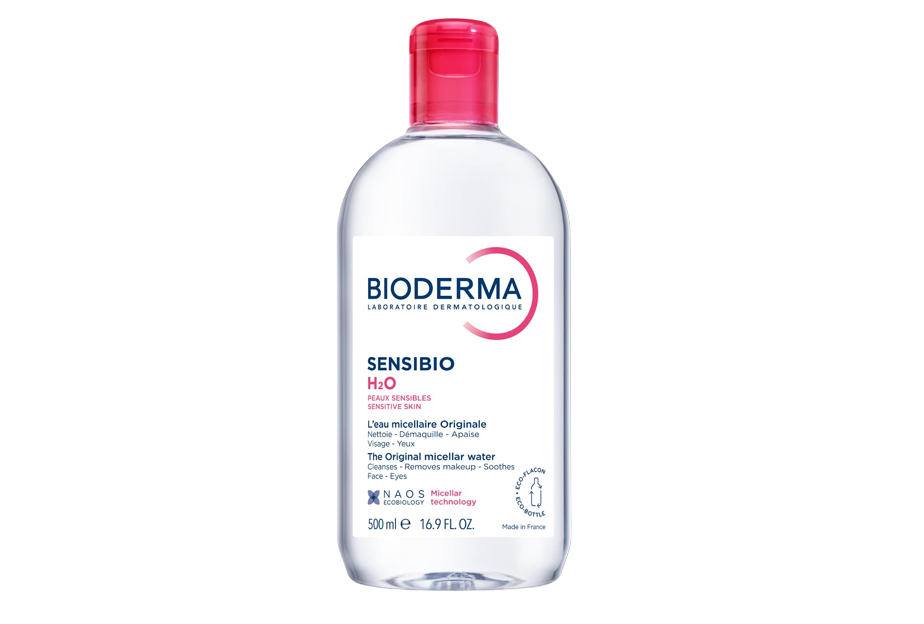
Almost as mild as H2O but much better at properly cleansing skin, this unscented micellar water has very few ingredients but gets even eye make-up off.
SHOPThe healing spray
Purifeyes Professional Spray, £19.99
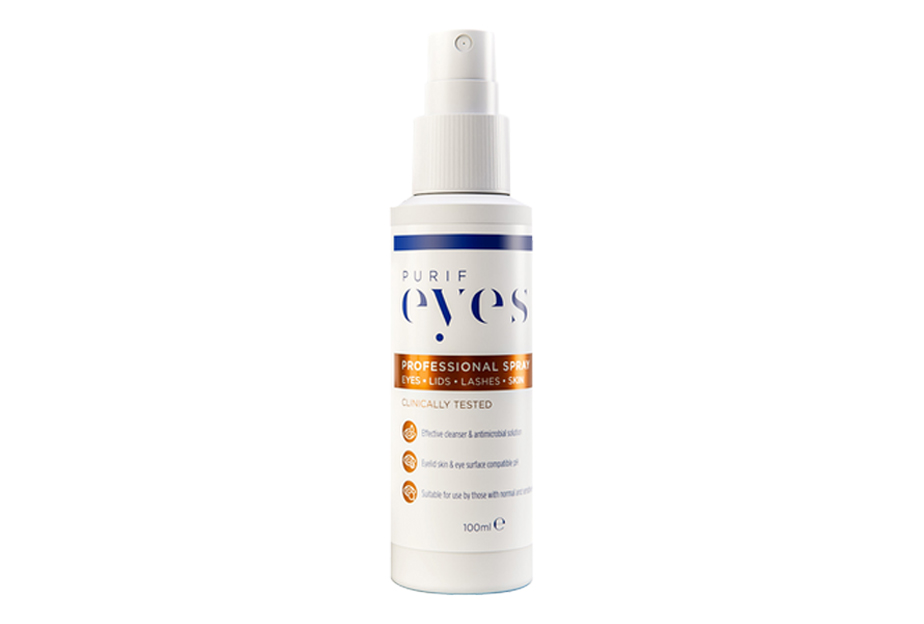
This cleansing solution is antimicrobial, hydrating, soothing, pH-balancing and, unlike other hypochlorous options, safe to use on eyelid and even eyeballs – so can be used to settle both perioral and periocular dermatitis. It’s a go-to for oculoplastic surgeons and ophthalmologists Rachna Murthy and Jonathan Roos at their FaceRestoration clinics. Spray this on clean skin several times a day and leave to dry.
SHOPThe soothing moisturiser
La Roche Posay Dermallergo Cream for Sensitive Skin, £24.50
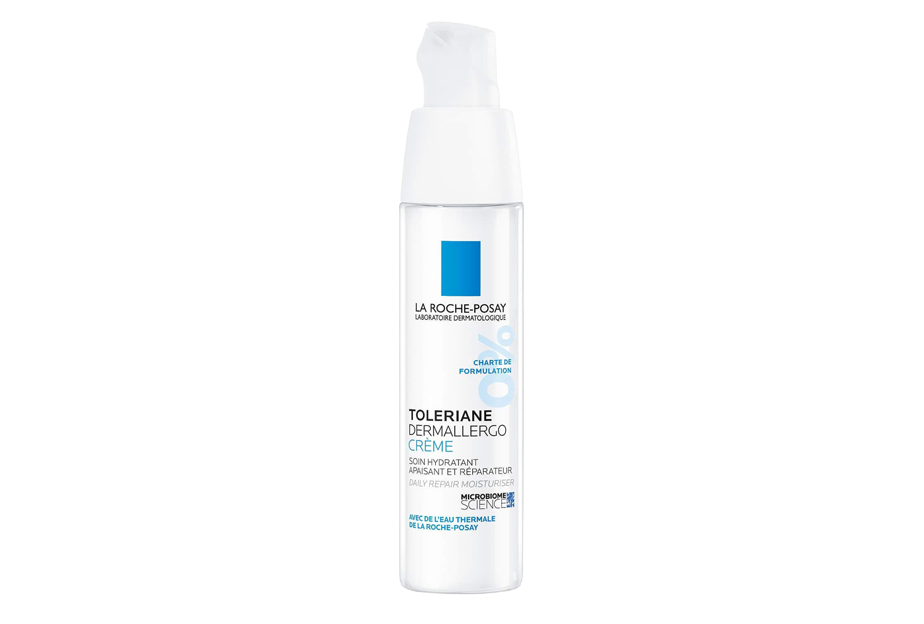
When you’re ready to start moisturising, try this preservative, alcohol, fragrance and irritant-free, non-greasy formula. It preserves and supports an upset skin microbiome and helps soothe irritation while keeping skin hydrated.
SHOPThe preservative-free cream
Avene Tolerance Hydrating Hydrating Cream, £20.50
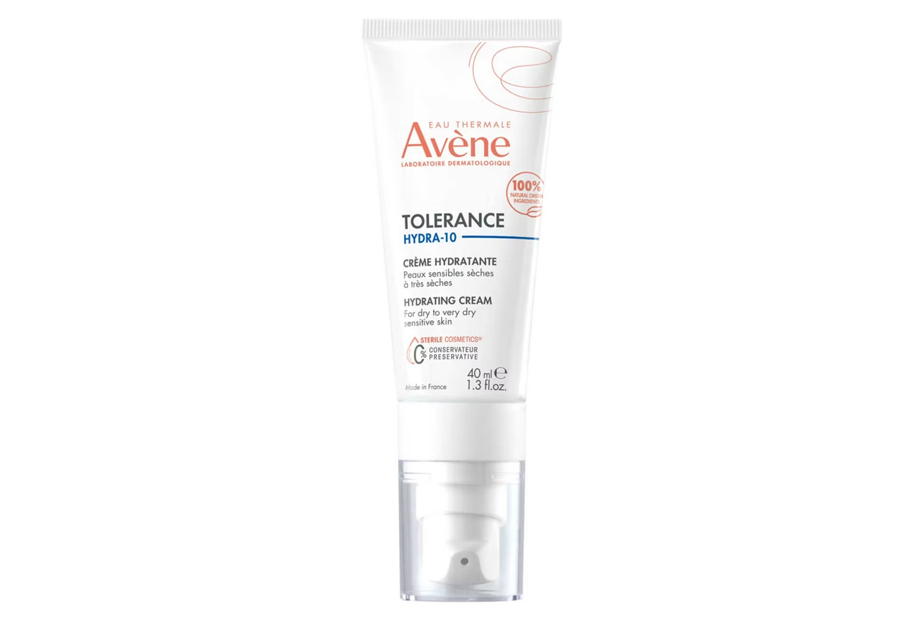
With only ten ingredients (among which no preservatives), this is an ‘exclusion diet’ for upset skin captured in a single skin-inspired, biome-friendly moisturiser.
SHOPOnline prescription skincare
Klira Custom Treatment Formula, from £59
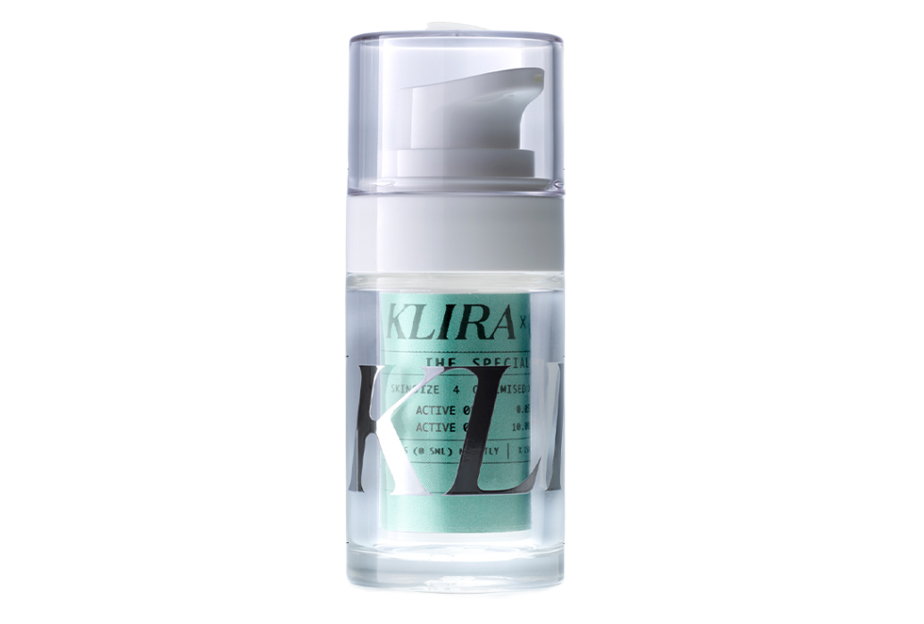
When you join the online prescription skincare service Klira by Dr Emma Craythorne, you get a derm consultation and bespoke skin treatments using prescription ingredients and doses. For PD, it will feature things like azelaic acid, ceramides and often a customised dose of retinoic acid in a fresh monthly delivery.
SHOPThe anti-inflammatory SPF
Rosalique Sensitive Skin Defence Serum SPF25, £34.99
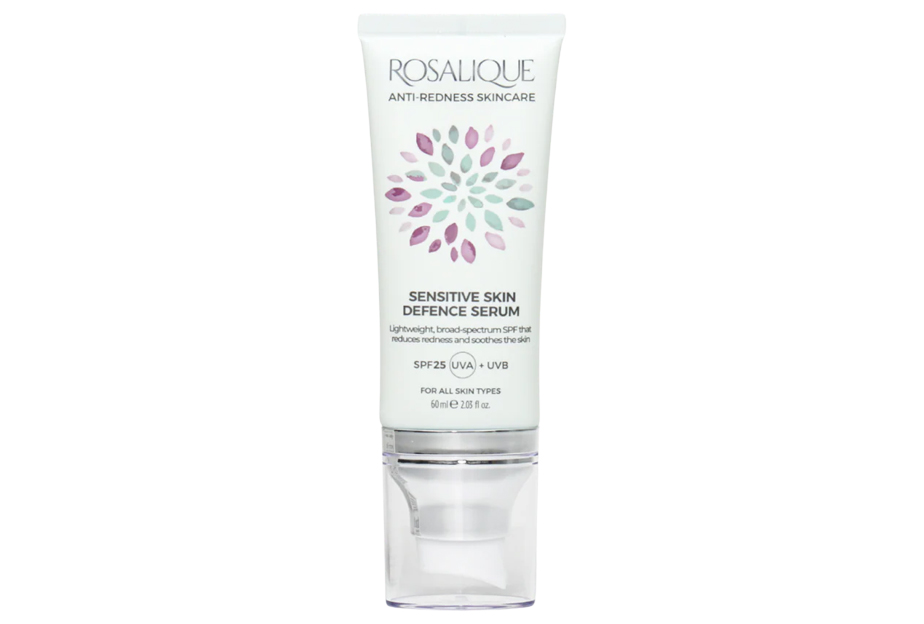
This anti-inflammatory broad-spectrum SPF 25 is designed for rosacea sufferers, but works a treat for PD. It’s a rare weightless, dry-finish milky lotion with redness-reducing actives and has a non-irritating, white cast-free chemical sun filter. For tinted coverage that balances out redness in the skin, try the original Rosalique 3 in 1 Anti Redness Miracle Formula, £32.99 with SPF 50 and an adaptive tint.
SHOPThe probiotic to heal your skin barrier
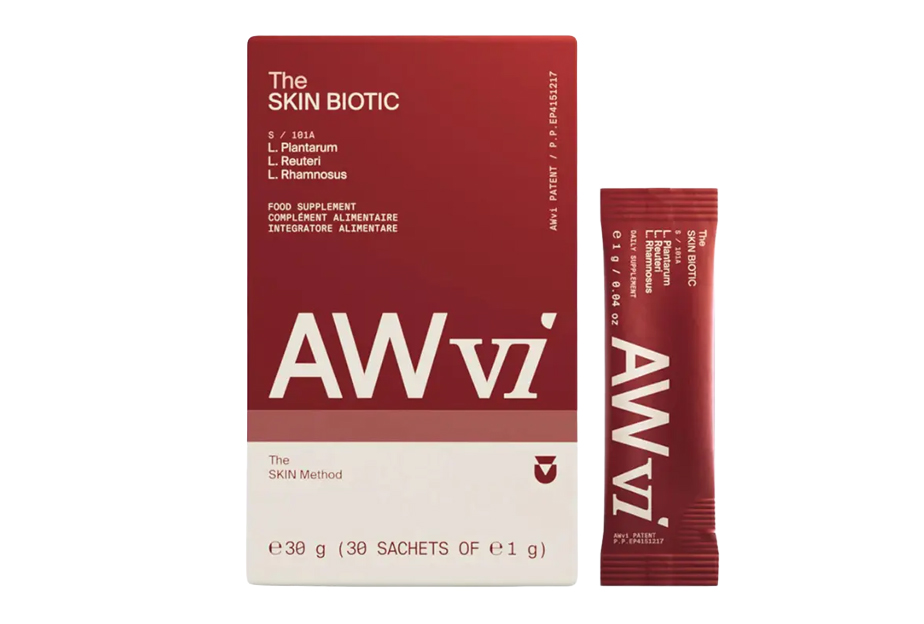
Dr Murthy uses a combination of Purifeyes (above) and this probiotic powder as a first line of treatment for PD. Tip the biscuity-tasting powder into your mouth first thing, 20 minutes before food. It has a calming effect on skin inflammation and is packed with cultures that balance the gut microbiome. Use in addition to a gut-friendly diet.
SHOPThe fluoride-free toothpaste that still protects
Gutology Hydroxyapatite Toothpaste, £14.40
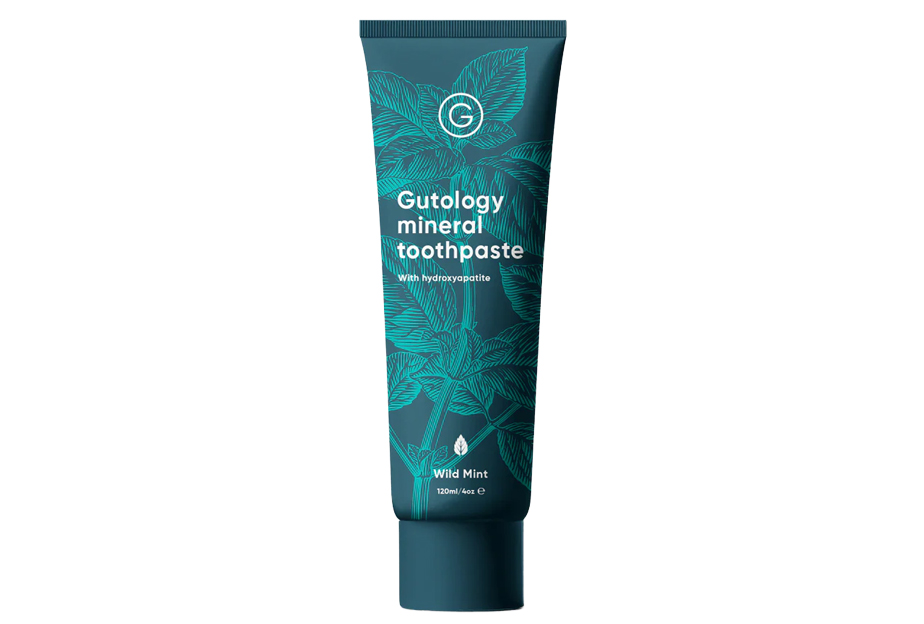
Fluoride and SLS (the foaming agent) in everyday toothpastes can set off PD around the mouth and aggravate an existing flare-up. This toothpaste has neither, but prevents tooth decay with a remineralising fluoride alternative called hydroxyapatite and an oral microbiome-supporting formula.
SHOPThe MUA-approved foundation
Bareminerals Barepro 24hr Skin-Perfecting Pressed Powder Foundation, £37.50
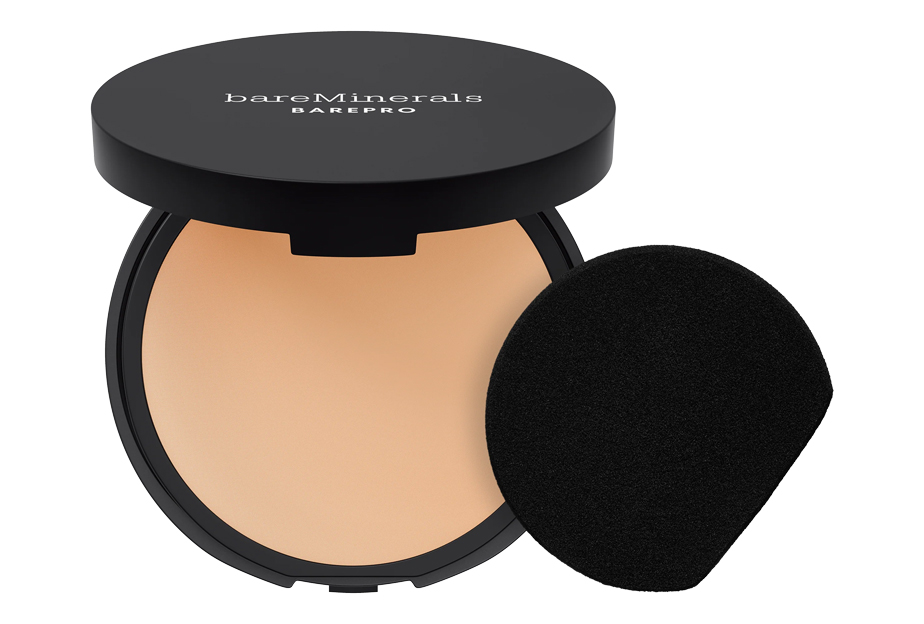
This powder base by a brand specialising in mineral-based, irritant-free cosmetics is one foundation Nicola Chapman reaches for when her PD flares and she needs to ‘dry out’ her skin.
SHOP