There’s no excuse for not wearing sunscreen anymore. This derm has heard them all

 Image: Leandro Crespi/Unsplash Image: Leandro Crespi/Unsplash
‘Sun creams break me out, I don’t burn, my foundation has SPF…’ If you have an excuse, Dr Emma Wedgeworth would like a word. Plus the best new sunscreens even refuseniks will love
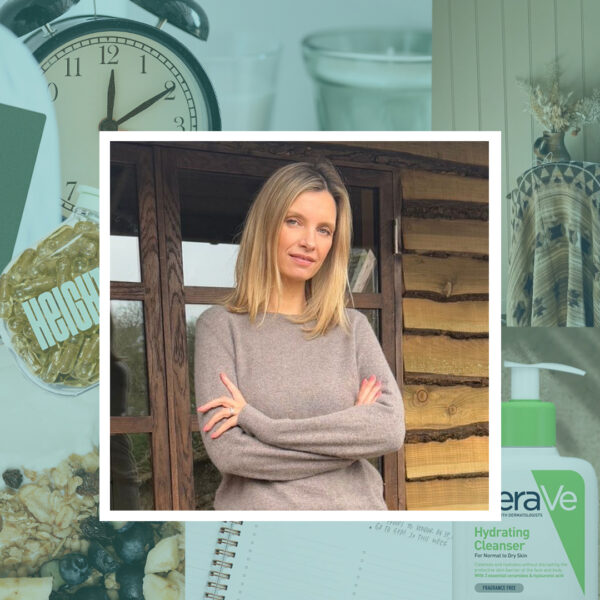
Let’s just put this out there right away: there is no excuse for not wearing sun cream on your face every day. That’s not us saying it this time, it’s basically every dermatologist on the planet, dealing with the fallout from UV exposure on a daily basis. “I would say about 50 per cent of my practice concerns sun damage manifesting as skin ageing, and I’d say about half my patients aren’t wearing sunscreen regularly,” says consultant dermatologist Dr Emma Wedgeworth.
And yet, she says, she keeps hearing patients making the same excuses over and over again. She, for one, is fed up with hearing them. Because while some of the reasons for shirking the sunscreen stood to reason in the past – such as the often-heard complaint that it makes your face break out or that they are all too expensive – today they simply no longer apply. Modern formulations are so much better than they used to be and there are some brilliantly priced products on the market. It’s just a question of choosing the right suncream and using it correctly – as her video on whether you can keep using last year’s sunscreen (below) shows.
View this post on Instagram
As for common myths, such as that you’re fine as long as you don’t burn, or sun exposure primarily happens on holiday – Wedgeworth will tell you it’s all poppycock. In fact, No7, recently conducted research that showed your two-week summer hols account for just 33 per cent of your annual UV exposure. The other two-thirds of damaging rays are absorbed over the rest of the year, as you simply go about your daily life.
Still not convinced? Below, Wedgeworth tackles every excuse she’s heard, and explains why it doesn’t wash. Don’t worry – we have laced these bitter pills with so many delicious and easy-to-use daily facial sunscreens that you’ll never want to go without again.
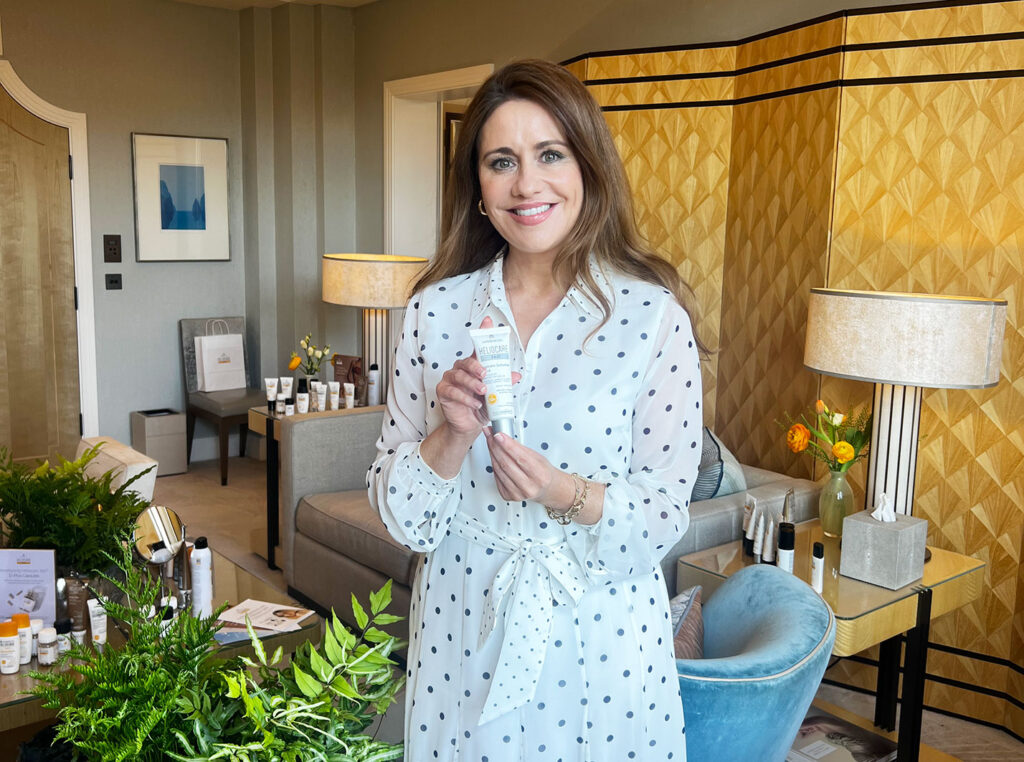
Dr Emma holding Heliocare – one of the sunscreen brands she recommends
Dr Emma says: “Clouds are in fact a really poor UV filter, so even on cloudy days and in winter, a lot of UVA and some UVB will reach your skin. As we’ve seen from the research by No7, two-thirds of UV exposure is what we call ‘incidental’ – so not when you’re on a beach sunning yourself. With your face exposed at all times when you’re out and about on an average day, whether in the countryside or in a city, you can imagine how many cell-mutating, wrinkle-causing rays get soaked up by your long-suffering complexion. It will all come home to roost in your 40s in the shape of sun spots and lines, unless your wear sunscreen every day.”
Try:
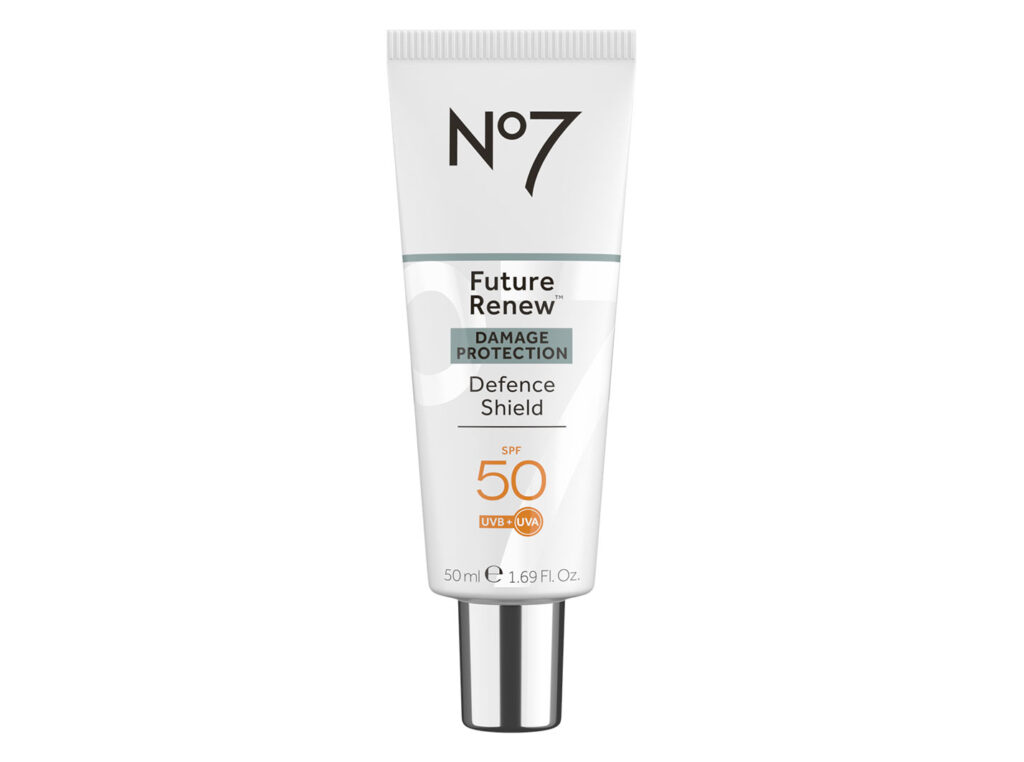
Super-lightweight, non-greasy, non-comedogenic, high-factor: this daily moisturiser from the blockbuster No7 Future Renew Damage Reversal range was made specifically to scotch every excuse for not wearing suncream under the sun (and even on cloudy days and indoors!) and is a favourite of Dr Emma. It hydrates deeply and has age-defence peptides and antioxidants – it could be your one-and-done daily moisturiser.
“Many people complain about the texture of sunscreens, and it’s fair to say that in the past, many sunscreen formulations were incredibly difficult to manage, particularly on a day-to-day basis,” agrees Dr Emma. “But they’ve become so much more elegant and there are so many options, anyone can get a formula to suit their needs – from water-light serums to comforting moisturisers to actual primers.
“As for pilling, it’s caused by different things for different people – some people will find that hyaluronic acid pills, others find that it’s silicones and for yet others it’s powder suspensions (which is a reason mineral sunscreens can cause issues). I’d definitely say that if you layer your products on too quickly, then pilling is much more likely – so allow each layer to dry before you move on to the next step. If you still get pilling, it will be the formulation, not the fact that it’s a sun cream, so you just have to try different textures until you find one that suits your skin and sits well with your other skincare and makeup.”
Try:
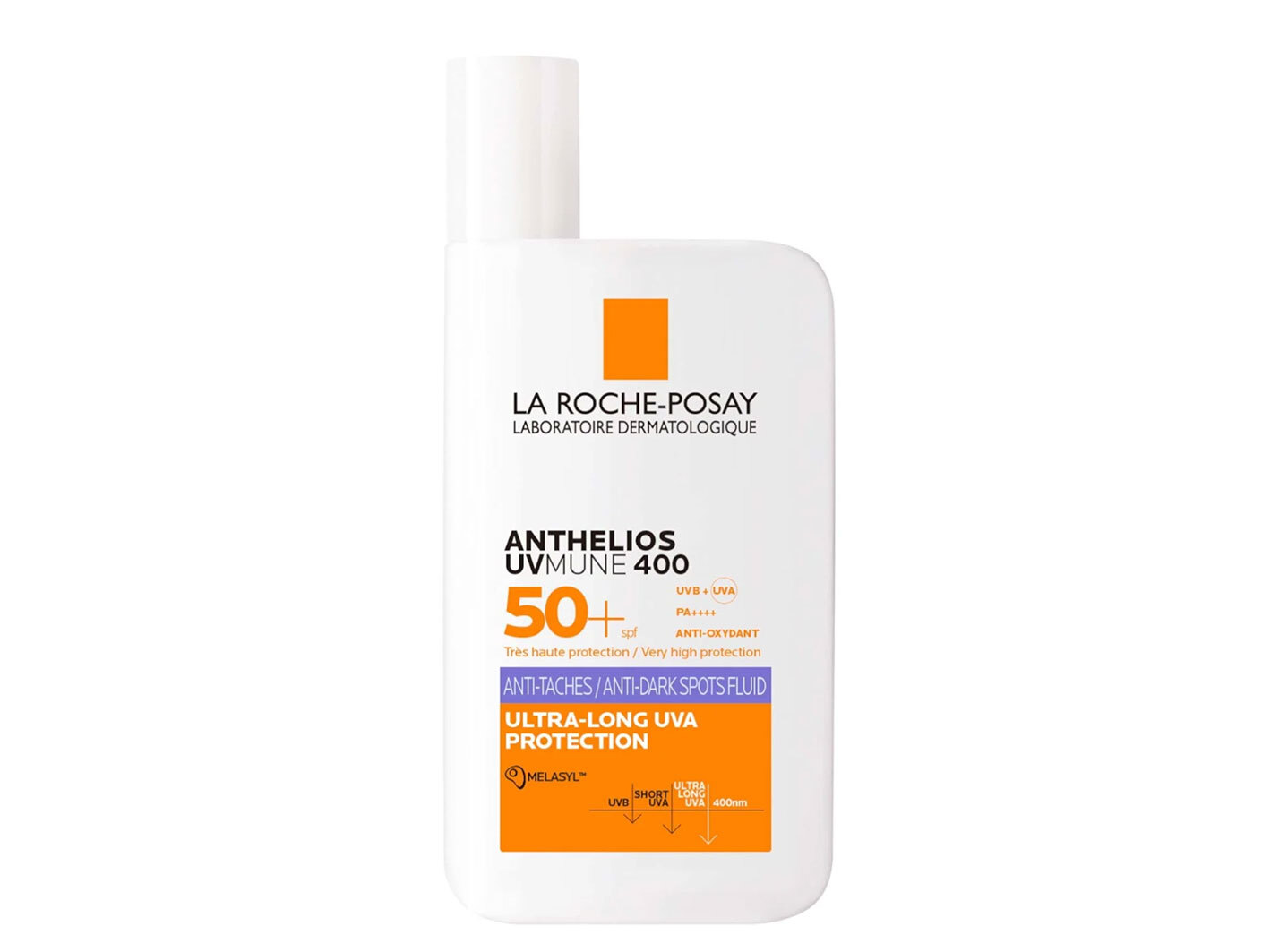
“I find this really easy to layer under make up – and it is SPF 50, which is a must for me, has fantastic UVA protection, as well as including Melaysl which is a great ingredient for hyperpigmentation,” says Dr Emma.
Dr Emma says: “We know foundation is never going to be applied thickly enough to deliver the right level of sun protection, even if it has a broad-spectrum SPF50. Think about it: you need three finger-lengths of product for the face and neck, and who’s going to pile on that much makeup?”
Try:
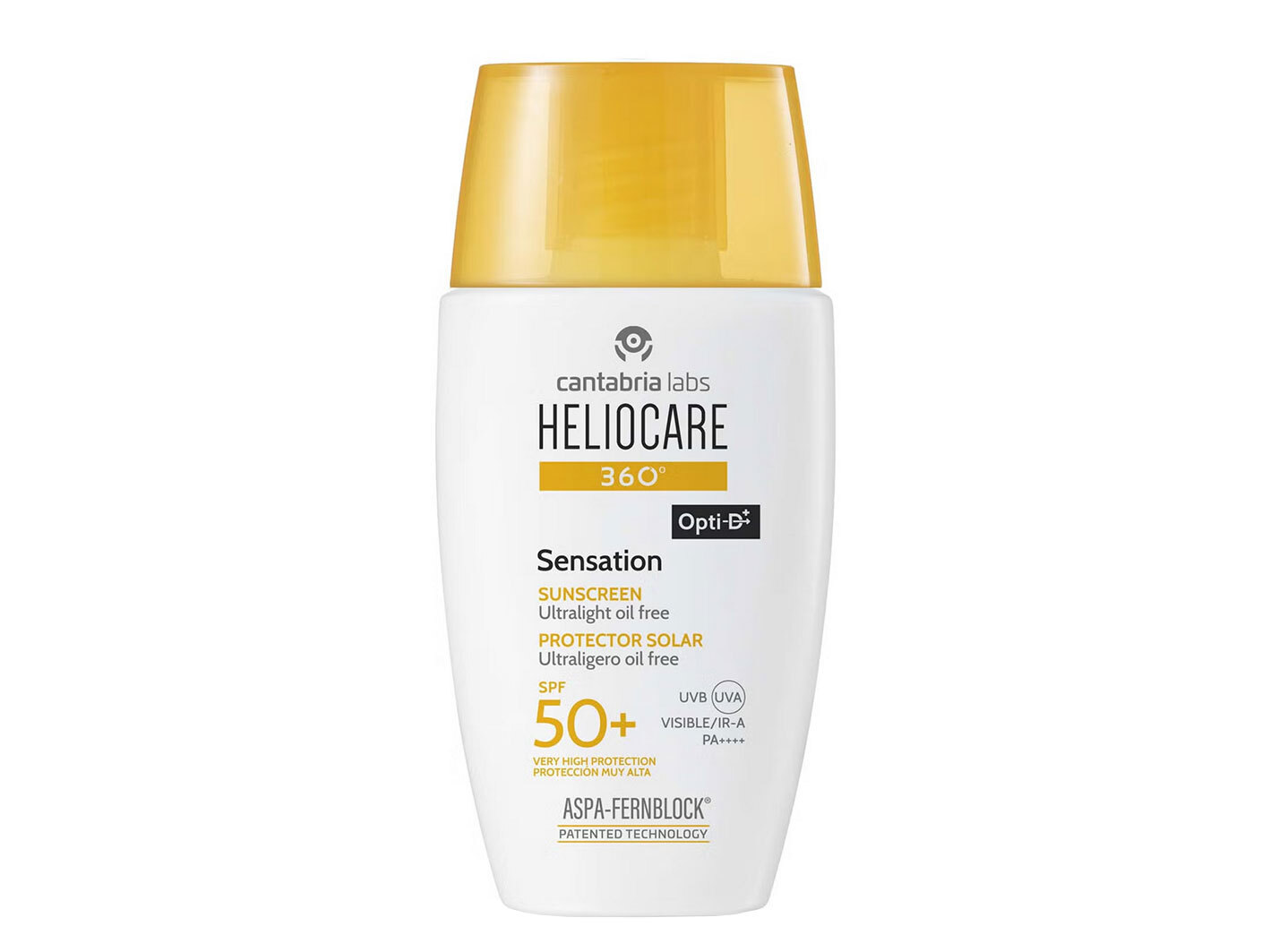
“All Heliocare products have really high broad spectrum protection, so, as a brand, it ticks all the boxes for skin cancer prevention as well as anti-ageing,” says Dr Emma. “Sensation is ultra-light and absorbs really easily.” Or, if you really want a substitute for sheer foundation, you can try the brand’s gel moisturiser that comes in bronze and beige tints.
“Again, sun creams didn’t used to be so elegant, so in the past, while sun filters in themselves are not comedogenic, many users will have found their sun cream formulations oily and pore-clogging,” says Dr Emma. “I can understand why that may have originally put people offer, especially when you consider that on the beach, you have to keep re-applying it when you’re already sweaty and producing more oil than usual.
“But today, it just takes you finding a sunscreen formula for breakout-prone skin, and there are plenty. Don’t ditch the SPF, because you absolutely do not want to have spots and sun damage – that’s the worst of both worlds! Pick something reasonably light-textured and oil free, and look for ingredients in there which actually are going to help with oiliness and spots, such as niacinamide and salicylic acid. It’s very unlikely the right formula will make you break out.
“It’s also very important to cleanse properly when you use sunscreen, because it does form a film on the skin that’s designed not to come off easily. If it doesn’t get removed at the end of the day, oils and dead cells can accumulate and clog your pores. Look for gentle wash-off cleansers that mention SPF as one of the things they’ll effectively get rid of.” (We like Cerave Hydrating Cream-to-Foam Cleanser, £14.50)
Try:
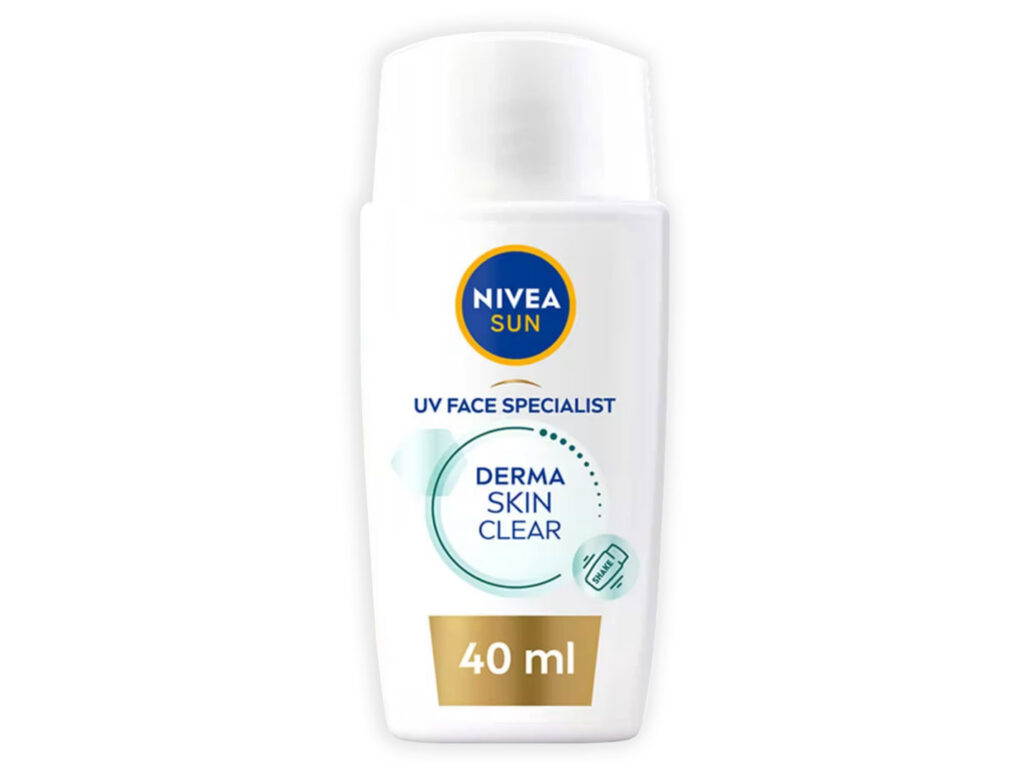
Oil-free, non-greasy, mattifying, and with niacinamide and an anti-breakout complex – if you have oily skin, you have no more ‘no sunscreen’ excuses left.
“Oh no, absolutely not,” says Dr Emma. “There are good studies now that suggest that sunscreen does not block vitamin D synthesis. Plus, to make vitamin D, large areas of the skin, like the arms and legs, have to be exposed to UVB (present in strong sunlight) for 20 minutes daily (and more if your skin is dark). Exposing just your face, as we do in the colder months, is not going to help much in creating vitamin D, especially not in Northern countries where there isn’t much UVB to begin with. So leaving it sunscreen-free does little or nothing for your vitamin D levels and only serves to radiate it with masses of wrinkle-causing UVA rays.
“To get enough vitamin D in our part of the world, I advise taking vitamin D supplements. And in summer, when you walk around in shorts and with bare arms, you’ll probably get your daily dose, even if you’ve covered your limbs (and of course your face) in sunscreen like you should.”
Try:
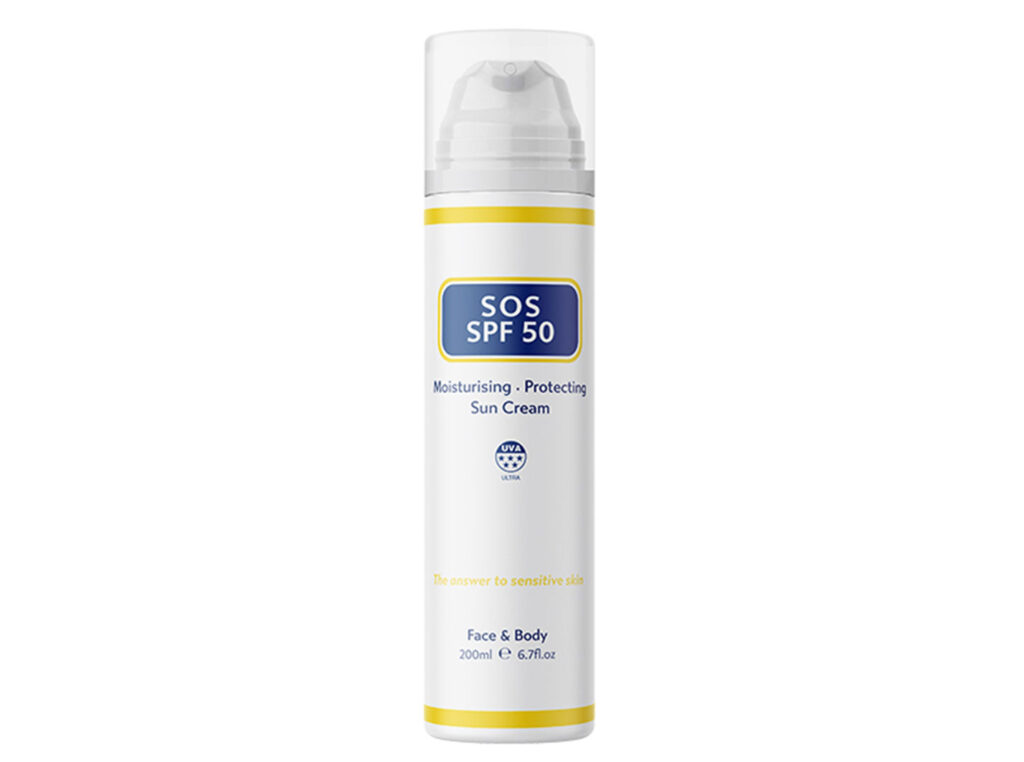
If you’re looking for a big bottle of sunscreen that feels as good on your body as it feels on your face, this one, which is designed for sensitive skin, is perfect.
Dr Emma says: “Some sunscreens definitely used to, and today, while they’ve got miles better, it’s still possible. And, of course, if there is a white cast at all, it’s much more evident the darker your skin is.
“But it depends on the formulation. Chemical sunscreens (ie, not mineral-based ones) today are highly unlikely to leave a white cast [as they don’t depend on fine-milled mineral powders for providing protection] and they are therefore my choice for darker skins in particular. Mineral sunscreens are getting better and better at becoming invisible, but they’re not quite there yet. One solution if you really want to use a mineral formulation is to get one with a tint – it solves the ‘white cast’ problem and acts as a tinted moisturiser to boot.”
Try:
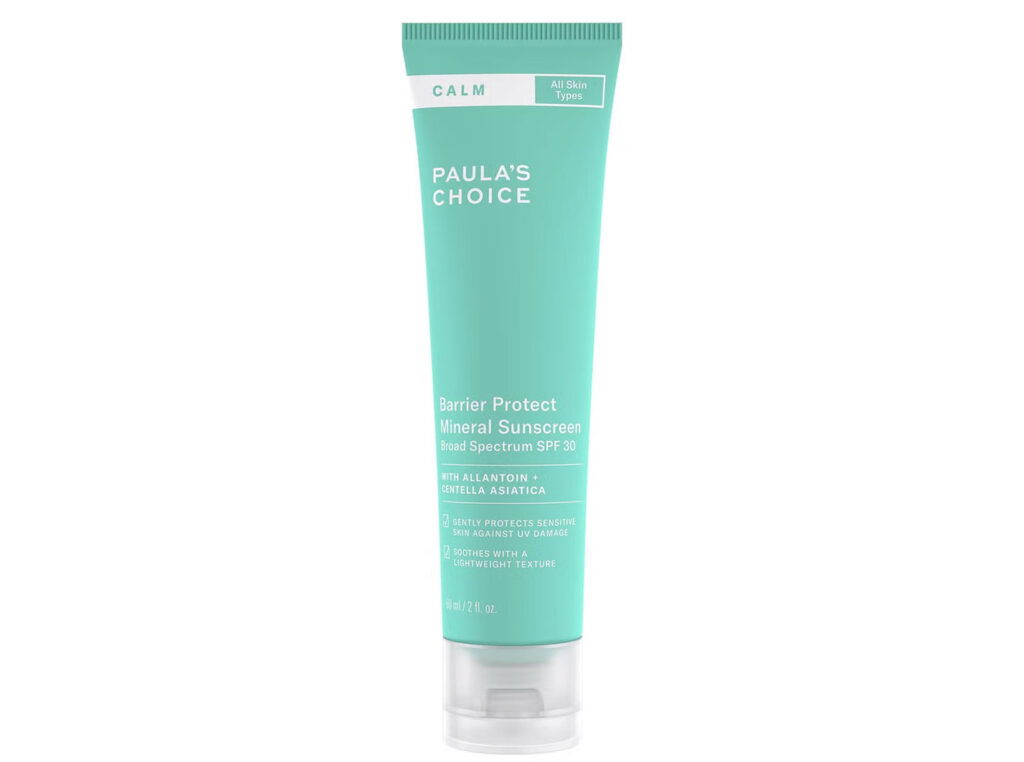
A rare mineral formula that really doesn’t throw a white cast, this is formulated to protect the skin barrier and soothe the most sensitive skins.
“There’s still this belief that if you don’t see immediate damage, you’re fine,” explains Dr Emma. “Maybe people just tell themselves that because they like to fry and they love to tan. The truth is, most of our sun damage is invisible when it happens, and it’s actually 20 to 30 years later that it comes through with a vengeance. That’s not a possibility, that’s a certainty. Loads of people who come into my clinic tanned really easily and well in their 20s, but developed a huge amount of pigmentation in their 40s, and they’re now trying to reverse that. And that happens to people of all skin tones.
“These patients complain of signs of ageing, and they don’t realise it’s sun damage. Wrinkles, crow’s feet, sun spots – in dark-skinned people it’s often more of a general unevenness of tone, sensitivity, rough and dull skin, blood vessels that start to break on the face – it’s all sun damage caused by not wearing sun cream.
“If you don’t believe me, look at the difference between the skin on an 80-year-old’s face and on their bottom (if they’ll let you!). The face will have pigmentation and lines and wrinkles, and the bottom is this completely sort of smooth skin. It just shows you that so much of the damage that occurs to our skin and so many of the ageing changes are preventable with sunscreen.”
Try:
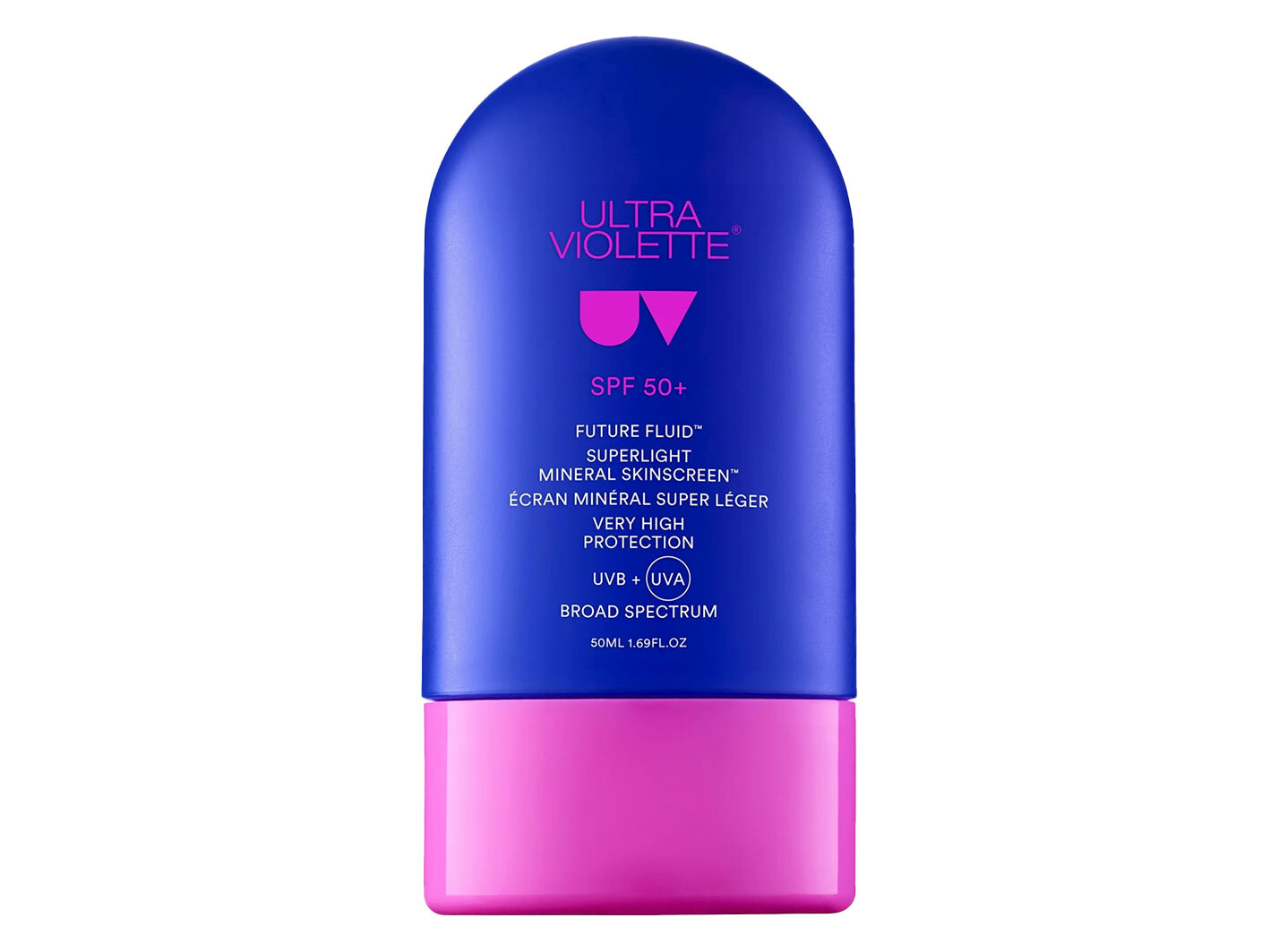
“Ultraviolette is an Australian brand, so they really know their sun protection,” says Dr Emma. “This zinc oxide-based product is great for sensitive skin, but isn’t thick and heavy like so many mineral-based sunscreens.”
Dr Emma says: “It’s not unreasonable to think that well, I got horrendously burnt in my youth and loved a sunbed, and while I wouldn’t think of doing those things now, the damage is done and wearing sunscreen is wasted on me. But this is a myth.
“Because once you’ve got those mutations, those ‘spelling mistakes’ in your skin, they lead to more mistakes the more a cell divides over time, making it much harder for the body to repair the damage. Sun damage is absolutely cumulative. With your skin having to fight so hard to correct damage that is ongoing, it’s even more important to protect it because it needs all the help it can get to make sure things don’t deteriorate further, and dangerously. More than that, a lot of studies have suggested that sunscreen can actually reverse damage. So there really is no excuse not to use it and it’s never too late to start.”
Try:
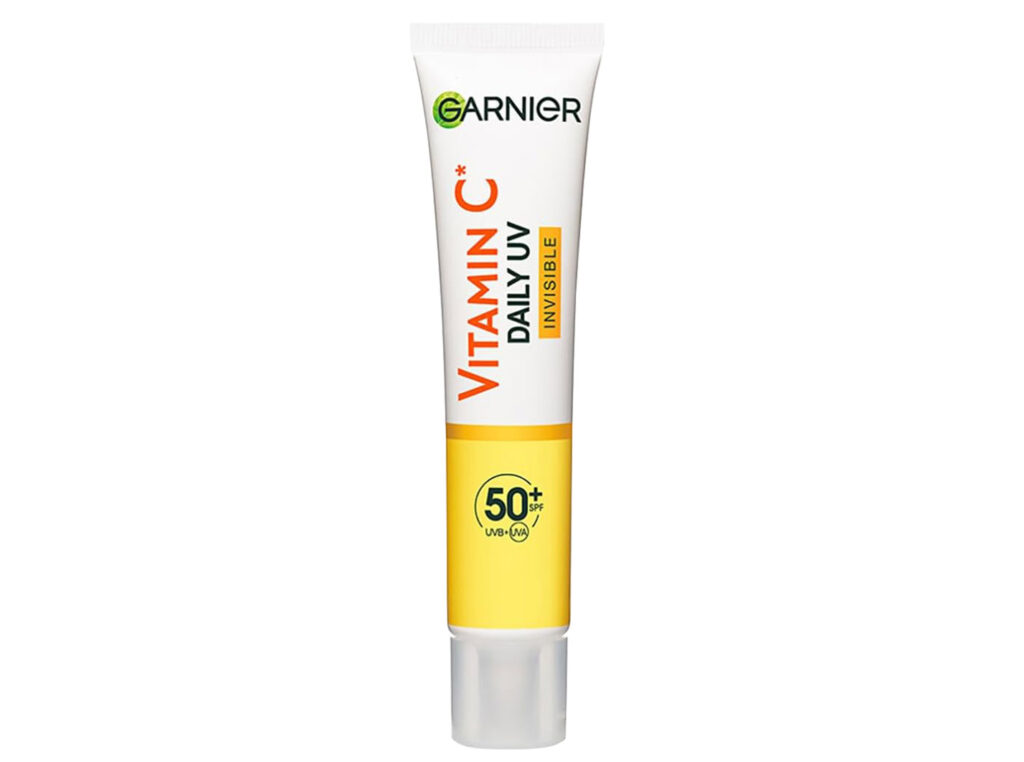
You can now get any active skincare you like – pigment-fighting, barrier-building, glow-boosting, oil-controlling – laced with a proper broad-spectrum SPF. This one tackles uneven skin tones while protecting you from further pigmentation.
“That’s just not true anymore with the huge choice of sunscreens out there,” reveals Dr Emma. “Some are definitely expensive, but there are plenty of high street brands such as La Roche Posay Anthelios, No7, and more that are extremely reasonable while offering supreme formulations and textures.”
Try:
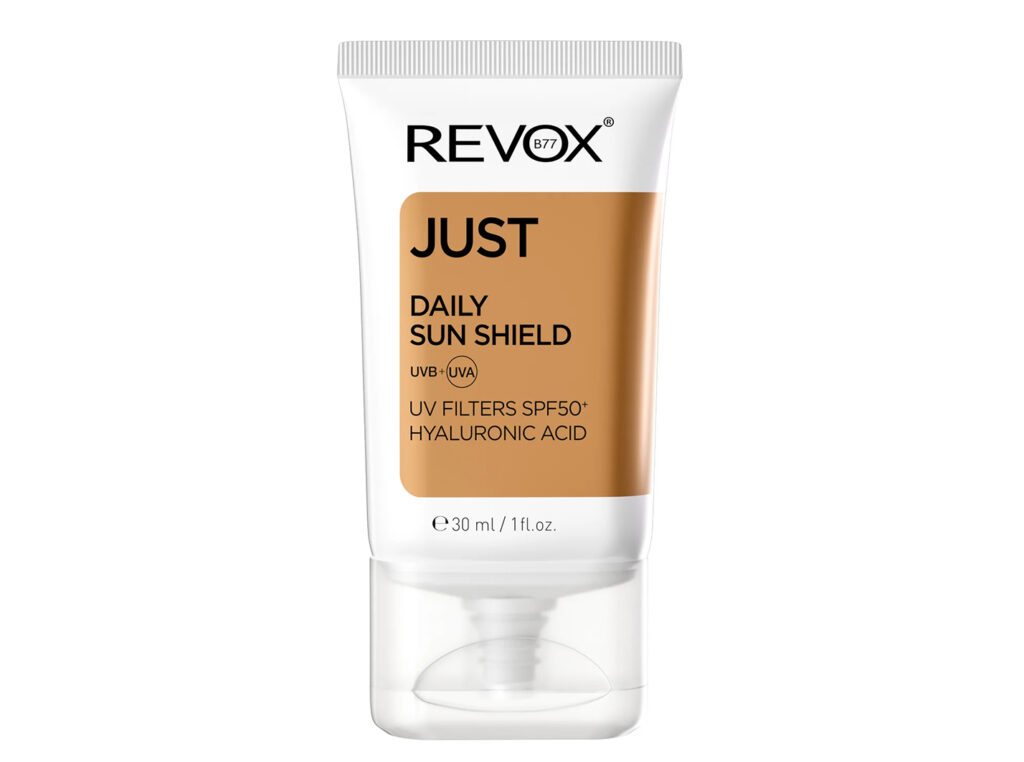
One of the cheapest options on the market, this is a straightforward moisturising cream with a high SPF that sinks in easily and doesn’t leave a white cast.
Dr Emma says: “It might seem that way, but the opposite is true. Heat rash could either be sensitivity to heat and sweat (prickly heat) which occurs mainly on the body. Putting cream on it may feel like you’re ‘suffocating’ the skin, but a light sun lotion doesn’t actually do that. More pertinently, heat rash is often something called polymorphic light eruption, which is caused by the UVA in very bright sunlight. So it’s actually essential to wear very high-level sun protection – look for a UVA level of four pluses or five stars, and SPF50.”
Try:
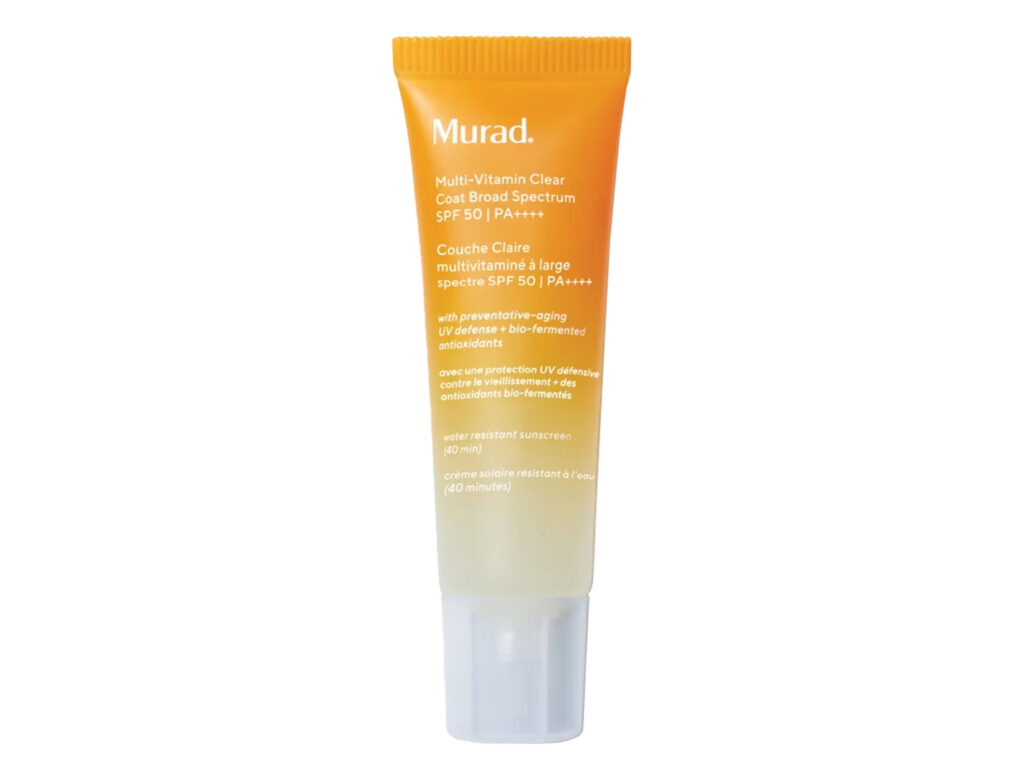
A clear, unscented, irritant-free gel, this has antioxidant vitamins and barrier-boosting ceramides and essential fatty acids to protect and heal sensitive skin, and the highest possible UVA protection on top of its SPF50.