This is the best time to test your vitamin D levels – and you can do it at home

Our vitamin D levels peak just after the summer yet many of us are still deficient. But you can now easily test yours at home with a finger-prick blood test
Given the extremely pleasing amounts of sunshine we enjoyed this summer, we might assume that we have optimal levels of vitamin D as autumn encroaches. After all, the body creates it from direct sunlight. We would be wrong though. “Around one in six adults in the UK are deficient in vitamin D,” says Maz Packham, nutritional therapist at W-Wellness, a supplements concierge service. Which is not great news for the nation’s bone and muscle strength, and immunity.
It is true that our vitamin D levels will be at their highest point right now, as we start thinking about packing away our flip flops. This makes September the perfect time to get those levels checked. It gives a clear benchmark before they decline naturally, and can help identify whether you’re starting from a strong position or whether supplementation will be important in the colder months ahead, when we’re more at risk of catching cold and infections. Testing used to involve schlepping off for a blood test but now there’s a relatively new wave of cheap, convenient, finger-prick vitamin D kits that you can do at home – more on those below.

Its role in bone and muscle strength, and immunity, makes it valuable enough but, says Kirsten Humphreys, registered nutritional therapist for supplements brand Bare Biology, vitamin D does more than that. “It is linked to mental wellbeing, skin and thyroid health, autoimmune conditions and even hair and nail strength” she says. It can also influence inflammation and insulin sensitivity and “may affect resilience against chronic disease as we age”.
Emerging research suggests vitamin D may play a role in slowing biological ageing by protecting against telomere shortening. Telomeres protect our DNA, and the shorter they get, the more the ageing process speeds up. Poor lifestyles (eg bad diet, stress, lack of sleep) accelerate this shortening. A study in which adults took 2000 IU (50mg) of vitamin D daily for four years showed they had significantly less telomere shortening compared to a placebo, which suggests vitamin D has anti-ageing effects at a cellular level.
The reference range for vitamin D levels, set by the NHS, is based on the prevention of clinical disease, so things like rickets. Below 25 nmol/L (nanomoles per litre of blood) is “inadequate” and 50 nmol/L or above is “sufficient” for bone and muscle health. But experts argue that aiming for higher levels (75nmol/l and above) could offer extra benefits for optimal health in terms of things like immunity, cardiovascular health, muscle function and bone strength.
Packham says there’s also evidence that in sunny countries – where sun exposure provides the equivalent of a whopping 10,000 IU (international units) a day and people have blood levels of 105-163 nmol/L – autoimmune diseases like multiple sclerosis and lupus are uncommon.
The official NHS recommendation for vitamin D supplementation is 400 IU (10 micrograms) daily between October and March (when sunlight is reduced), to safeguard against deficiency. However, says Humphreys, even some NHS guidance prescribes 800–2000 IU (20-50mg) as a more realistic maintenance range. Up to 4,000 IU (100mg) is considered safe for long-term use in adults.
400 IU may be on the low side, agrees Packham, particularly during darker months in the Northern hemisphere. “If someone is already low or deficient, 400 IU a day would raise blood levels very slowly – it could take a year or more – meaning it would make very little difference.” she says.
Supplementation is key here as this is one vitamin where it’s hard to get enough via food. “We do have some dietary sources of vitamin D such as oily fish, eggs and some fortified foods, but they only provide small amounts,” says Packham. Humphreys warns that vitamin D2 from plant-based sources “is less effective than D3 from animal foods or sunlight,” so vegans need to be extra aware.
“Some people maintain adequate levels without supplementation, while others need much higher intakes to reach or sustain those levels,” says Humphreys. That’s why testing is valuable: someone with a blood level of 20 nmol/L should not take the same advice as someone already at 60. “Typically, if levels are very low, a higher ‘loading’ dose is given by a medical professional for several weeks before moving onto a maintenance dose,” she says.
But GPs will usually only test if deficiency is suspected, so those with sub-optimal levels will be in the dark unless they do a test themselves – a good reason to try an at-home one.
To be sure that any supplementation is working, you have to factor in follow-up tests: “Retesting after two to three months is a good idea to check progress,” says Humphreys.
These involve a lifestyle questionnaire and a finger-prick blood test – you use the lancet provided to puncture your fingertip and produce a modest amount of blood, that you then send off to a lab in a pre-addressed box.
The one that comes with a free consultation
Bare Biology vitamin D Test Kit, £50

This kit by UK female-led supplement company Bare Biology is easy to use. It took more than a week for results to reach my inbox, but the company says it’s speeding up that process. My report was easy to interpret, although the advice was generalised, aimed at people with a similar lifestyle and results to me, rather than me specifically. However they offer every customer a follow-up 15-minute phone consultation with Kirsten Humpreys, for personalised advice. My level of 68 nmol/L was rated ‘low’ – Humphreys explained it wasn’t a concern in medical terms, but could do with ramping up for ‘optimal health’.
Buy nowThe wellbeing experts one
W-Wellness Vitamin D Test, £49.99

This kit by supplements concierge W-Wellness is much like Bare Biology one. The report arrives in about a week and gives you all the info you need to choose the right vitamin D supplement, but if you feel you need more insights, you can book a £50 half-hour consultation with a member of the W-Wellness expert nutrition team. Alternatively, you can send an email to the team with quick questions.
Buy nowThe one with the doctor’s report
Medichecks Vitamin D (25 OH) Blood Test, £39
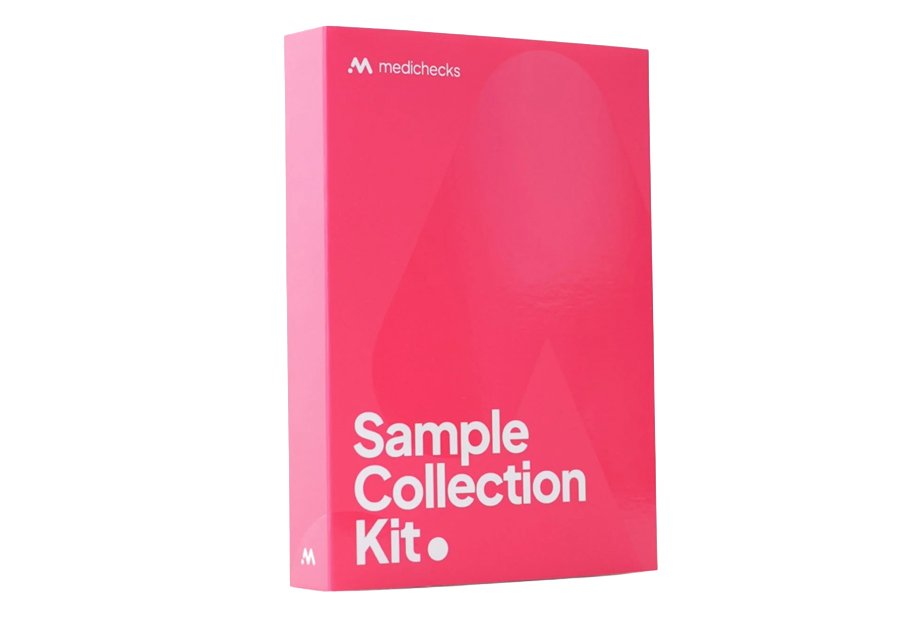
Medichecks’ test stands out for its rapid results response (two working days) and the fact the doctor who analyses your results will write a personalised report with actionable insights. The company uses basic NHS guidelines to determine where to place you on the vitamin D deficiency/sufficiency scale, but your report will explain how this compares to the levels you might actually want for optimal health, and suggests ways of achieving that.
Buy nowThe budget one
Boots Vitamin D Rapid Test, £7.99
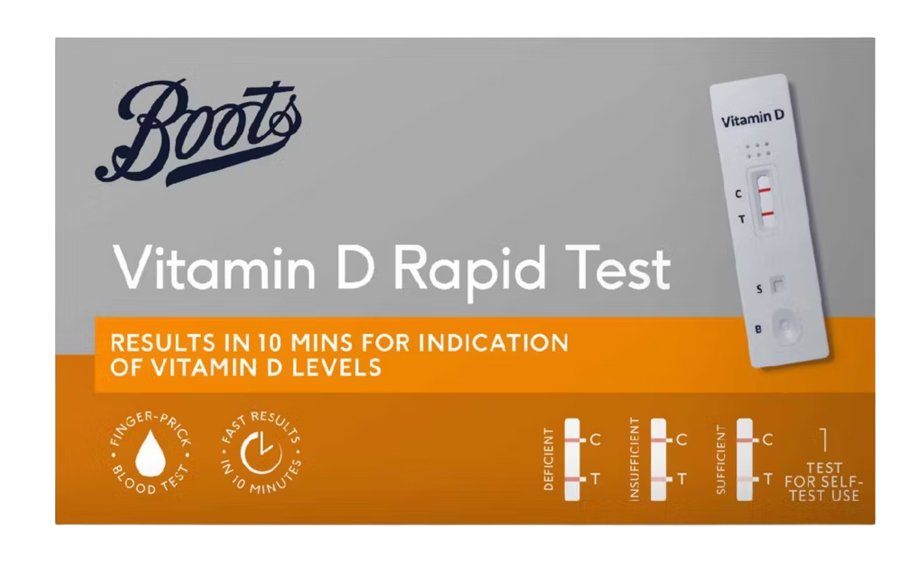
At less than a fifth of the price of most other tests, this one is accessible to everyone. In ten minutes, it will give an indication of whether your vitamin D level is deficient, insufficient, sufficient or excessive, using the NHS parameters for preventing disease. But there’s no further guidance as how to interpret these results or what to do with them. Users also complain about the fiddly Covid test-like process, which requires you to add your blood droplets to the well of a special cassette, then interpret the result by the colour of your blood, which can lead to confusion.
Buy now


