Getting your protein intake exactly right can boost your longevity, says Dr Vonda Wright

When it comes to eating optimal protein, it’s not just about quantity – we need to think about quality, variety and timing too, says longevity expert Dr Vonda Wright
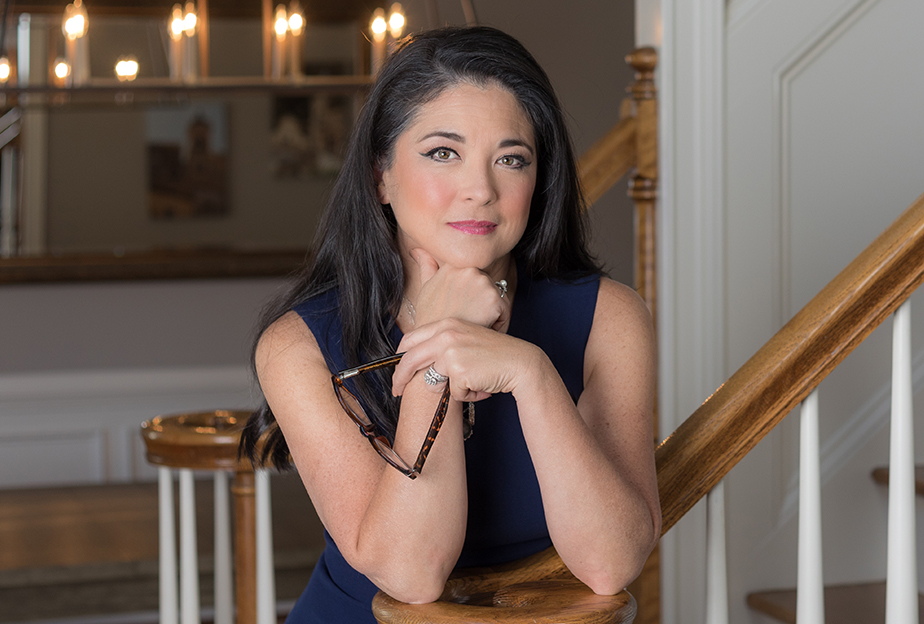
We’ve all become obsessed with hitting our daily protein targets – Pret-A-Manger and M&S’s lunch options now come emblazoned with number of grams they contain – but there’s more to the protein story than just the quantity we eat, according to Dr Vonda Wright, American orthopaedic surgeon and longevity specialist, and author of the brilliant Unbreakable: A Woman’s Guide To Ageing With Power (£17.99, Vermilion).
Davina McCall is a fan of Dr Vonda, as are Mel Robbins and Liz Earle (she’s been on both women’s podcasts). And so are an awful lot of other women – judging by the full-house and rapturous reception at her recent (excellent) talk at the Health Optimisation Summit in London.

Dr Vonda Wright at the Health Optimisation Summit in London
Wright encourages us to focus on the quality, variety and timing of our dietary protein, as well as the amount we’re eating, in her new book; a lifestyle plan for women to optimise their health in midlife and beyond. Unbreakable emphasizes how strong skeletal muscle helps longevity but, according to Wright, “over 70 per cent of women experience musculoskeletal symptoms like joint pain, muscle loss and bone density as they enter (peri)menopause. These set us up for osteoporosis, osteopenia, broken bones, limited mobility and reduced independence later in life.”
But this is where getting our protein intake right can help. “You also cannot build and maintain beautiful, strong, resilient bones without enough protein,” she says. “Protein makes up 50 per cent of bone volume and a third of its mass. It’s a key component of bone’s structural matrix, and it stimulates bone growth. Your tendons and ligaments cannot heal from the general wear and tear of an active life if you don’t eat enough protein.”
Wright cites research that shows older adults with higher protein intake (more than 15 per cent of their daily diet) had higher bone density and lower risk of back fractures. “All this puts an exclamation point on women’s protein needs,” she says.
She recommends that midlifers aim to eat 1.4-2.2g of protein per kilogram of body weight each day – so for a 60kg woman, that’s 84-132g. But, she says, we should also follow her tips below to optimise the health benefits of our daily intake.
“You don’t need to count every morsel of food you eat for the rest of your life but do this little experiment to get yourself oriented: spend three days tallying up your protein intake. You may be surprised at how much you fall short of the daily recommended dose.”
“You need to eat a mix of animal and plant proteins for a complete amino acid profile. Amino acids are the building blocks of protein – there are 20 in total. We can make 11 but there are 9 (the essential amino acids) that we must consume in food because our body needs all 20 to make protein. If your diet is plant-based, it’s especially important to combine different protein sources, such as a mix of legumes, grains and nuts, to ensure that you’re getting all the amino acids you need.”
“Focus on leucine-rich foods like dairy, eggs, meat, soy, and legumes. Leucine is one of the nine essential amino acids and the most potent stimulator of muscle protein synthesis. It’s best found in high-quality animal protein. Plant protein sources also have leucine but in much smaller quantities.”
“I recommend that your protein intake is evenly distributed every three to four hours to consistently stimulate muscle protein synthesis (ie the process where the body builds new muscle tissue and repairs existing ones).”
“Whey protein and/or mixed plant-based protein supplements can help meet your protein needs, especially post-exercise.”
“Choose whole, minimally processed foods, and if your diet is plant-based, avoid relying on processed meat substitutes.”
“Not all proteins are created equal, and when you eat lower-quality proteins (such as grains) even if you eat enough total grams, you may not have all the amino acids you need for protein to do all the important jobs. Here are your best options.”
This is an edited extract from Unbreakable: A Woman’s Guide To Ageing With Power (£17.99, Vermilion) out now