From polynucleotides to rosemary oil, the best treatments for hair growth, by a derm who treats hair loss every day

Dr Angela Tewari is here to bring your skin and hair back to health. She tells us why she’s excited by polynucleotides for hair growth, and what you can do at home to boost hair health
For dermatologist Dr Angela Tewari, hair loss is personal, having experienced it herself at various times in her life – post-pregnancy, through stress and with the perimenopausal hormone shifts that can start as early as our thirties. Helping others with the condition is a passion, alongside her work treating inflammatory skin issues such as rosacea, psoriasis and acne. It’s surprising how often skin and hair conditions are linked, she says.

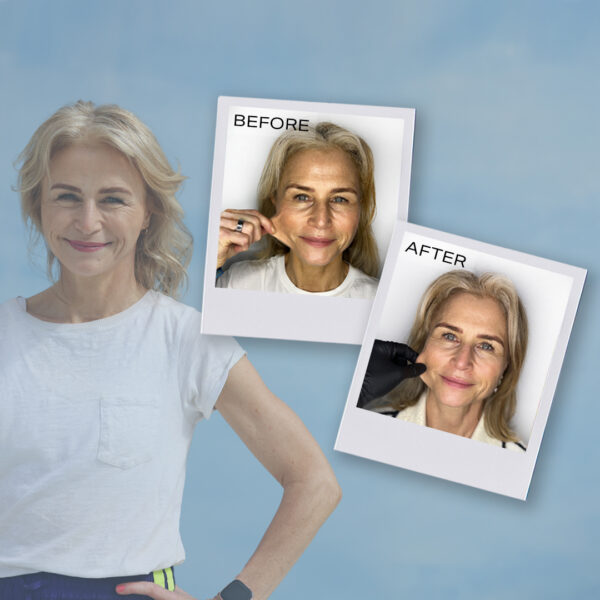
Dermatologist Dr Angela Tewari, treating GTG’s Victoria Woodhall with polynucleotides for hair growth
You might not think of visiting a dermatologist for hair loss, but a quick trip to Dr Tewari’s clinic in Chelsea, London will convince you otherwise. “Your scalp is skin after all,” she says. “It’s quite clear that certain hair conditions follow certain skin conditions. For example, eczema and psoriasis can sometimes cause hair loss. And if you have flaking around the eyebrows or the nose (seborrheic dermatitis, a common inflammatory skin condition), this can lead to hair loss too.”
Luckily, it’s completely reversible, she reassures. While other hair loss conditions are sadly not, getting an early diagnosis from a dermatologist is key, she says, to get the best support.
Dr Tewari will help you get to the root of your concerns, exploring topical, prescription and supplement solutions before more costly treatments.
“Hair is such an emotional issue,” she says. “One of the first impressions we give to others is the way our skin and hair look. By having healthy hair, we look healthier, we feel healthier and more confident. Confidence and wellbeing are both closely associated with healthy skin and healthy hair.”
Here, she explains the most common hair loss issues she sees and why she’s particularly excited about polynucleotides for thicker hair.
“I use a dermatoscope, which is like a magnifying glass, to see the hair and scalp up close. I’m looking at whether it’s healthy, whether there is good blood supply, whether the follicles are awake or empty. Are they in big or small groups? Is there scarring, where the follicles have died completely? I also take in hair loss in other areas, such as eyebrows, which can sometimes give me pointers for a final diagnosis.”
“Some medications – such as for acne, antidepressants and statins –can also cause hair loss. As a doctor, I can work with patients’ existing medical needs as well.”
“It’s really important to get the right diagnosis and I treat usually with a mix of prescription medicines – such as oral spironolactone tablets for menopausal thinning or androgenetic alopecia, which reduces the effect of testosterone on the scalp – and tailored topical treatments as well as tweakments such as polynucleotides or microneedling.”
“Most hair loss I see is non-scarring (scarring means that the hair follicle is damaged by autoimmunity, inflammation or an infection such as lupus, and it’s non-reversible). Generally, non-scarring hair loss is reversible, and it can take the form of hormonal alopecia or female pattern hair loss (the medical term is androgenetic alopecia), which happens when hormonal imbalances lead to shedding or thinning.”
“Or it can be stress-related, known as telogen effluvium. Around exam time, I see a lot of girls with thinning around their hairline and temples, This area is where stress-induced hair loss typically shows in women. It can be short-term or chronic. If it’s chronic, simply receiving a formal diagnosis from a doctor can be very helpful so that you can seek out support groups for your stress.”
“Hormonal hair loss is generally across the central areas of the scalp and on the crown. In menopause and perimenopause, I also see a generalised thinning of the hair shaft, which means the hair looks less dense all over.”
“Post-pregnancy (postpartum) hair loss is a common type of stress-induced hair shedding with a hormonal element as well, and we can support you through this process.”
“Aesthetic medicine has really progressed when it comes to tissue regeneration, with the rise of so-called biostimulators such as polynucleotides. Polynucleotides are fragments of salmon or trout DNA, which are injected into the scalp quite superficially – they don’t go into the bloodstream.”
“They are an excellent treatment option for anyone looking to improve scalp health, to stimulate growth and to repair and rejuvenate their hair follicles.”
“Polynucleotides amplify processes that the body does naturally – increasing blood supply and providing an excess of growth factors. We are not introducing anything that your body doesn’t do already. It makes the tissues work better, so the hair follicles can be at their optimum.”
“Monthly treatments of polynucleotides may give you up to a 15 per cent increase in scalp hair density in four to six months, by increasing the number of hair follicles. In addition, individual hairs may be thicker, as the shaft diameter can increase by 15 per cent, according to research in the Archives of Dermatology, 2025.”
“I would advise treatments every four to six weeks for the first three treatments and then every eight to 12 weeks. I tailor each treatment to the patient based on their issue.”
“You should see an effect within four weeks, with your scalp feeling healthier. We grow half an inch of hair a month (1.25cm) ,so you might see little shoots of new scalp hair appearing and notice that the hair is more dense.”
“It’s definitely good for the most common types of hair loss: androgenetic alopecia, perimenopausal hair loss and stress-induced telogen effluvium, It’s great for any condition whereby improving the scalp environment could help. But if you have a combination of causes for hair loss, it may not be the right treatment for you and a consultation is key.”
“For immune conditions such as alopecia areata, I’d prescribe steroids and immunosuppressants rather than use polynucleotides, as you need to switch off the process that’s affecting the scalp skin. Likewise, I wouldn’t use it for scalp infections or scalp scarring conditions, as there is no evidence as yet that polynucleotide therapy works. We also don’t have data on whether it’s suitable during pregnancy or while breastfeeding.”
“As with all types of scalp treatments, when you stop them, you probably go back to your baseline. Having said that, I never do polynucleotides in isolation, I’d always combine them with other treatments, depending on your hair issue, to support all aspects of hair growth. I might do microneedling, I’ll check your supplements, making sure you’re getting enough omega-3 and vitamin D. As part of my hair protocol for patients, I suggest twice daily 500mg niacinamide tablets, as these can extend the growth phase of your hair. I might also suggest prescription medication and weekly scalp massage to stimulate the blood supply. It’s important to tackle it from all angles as hair growth is so multifactorial. I’ve given some at-home recommendations below.”
“The treatment takes about 15 minutes and involves several superficial injections – less than two millimetres deep – into the scalp in the affected areas. I use a very fine Botox needle.”
“People are surprised that I don’t use numbing cream, but I have a special technique to minimise the pain, where I pinch the scalp first. Our pressure and pain receptors are the same, so by pinching, we essentially switch off the ability to feel pain.”
“Not using numbing cream makes the whole process less messy too, and you can go straight out afterwards. I advise patients not to wash their hair the same day, and if you are exercising, to keep your head above heart level that day. Avoid saunas and swimming for a week.”
“Minoxidil is a proven topical or oral treatment for hair growth that works by pushing hairs into the growing phase and by thickening the hair shaft diameter. It doesn’t work for everyone, though. Topical minoxidil 5% (or oral minoxidil at 1.25mg daily) will also produce a 20 per cent improvement in around 40-60 per cent of patients. The two together could be very powerful, but there aren’t any trials yet comparing the two.”
“With scalp PRP, you are essentially having your own growth factors injected, which some people might prefer as being ‘more natural’. But it’s slightly more laborious, invasive and expensive as you have to have your blood drawn and then the platelet-rich plasma extracted in a centrifuge before it can be injected.”
“The quality of the treatment is also dependent on the quality of your own plasma, which is affected by your nutrition and health status. If you have an autoimmune condition, check with your clinician first. In an ideal world, it would be great to do both however, both work by enhancing hair growth and increasing the milieu of growth factors in the scalp skin to produce the right environment for scalp hair growth.”
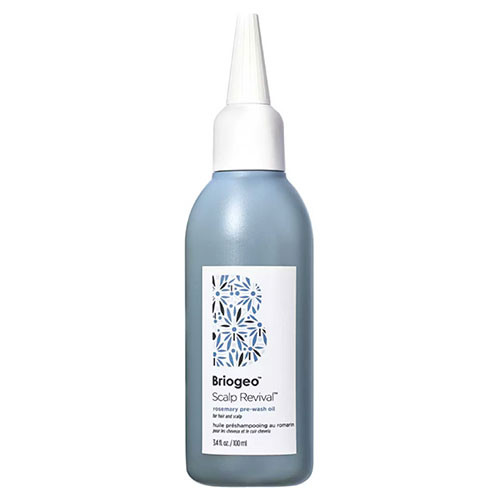
“This improves the circulation, which is a key factor in hair growth. I like an oil that’s not too thick, such as rosemary oil, which is invigorating and moisturising. If you feel your scalp is more itchy too, use a fenugreek oil, almond oil or mustard oil.”
Try: Briogeo Scalp Revival Rosemary Pre-Wash Oil for Hair and Scalp, £30
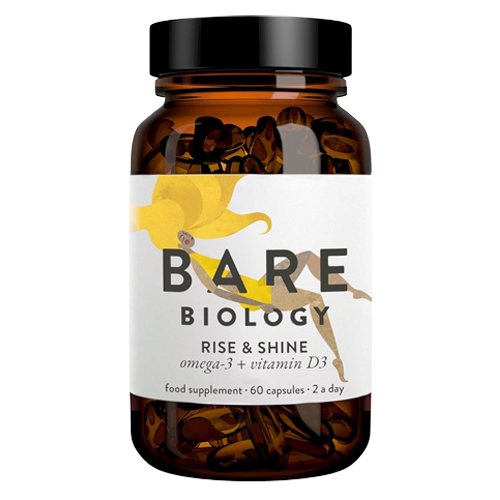
“It gives you a healthier immune system, which supports repair of all tissues, including hair growth.”
Try: Bare Biology Rise and Shine, £33.95
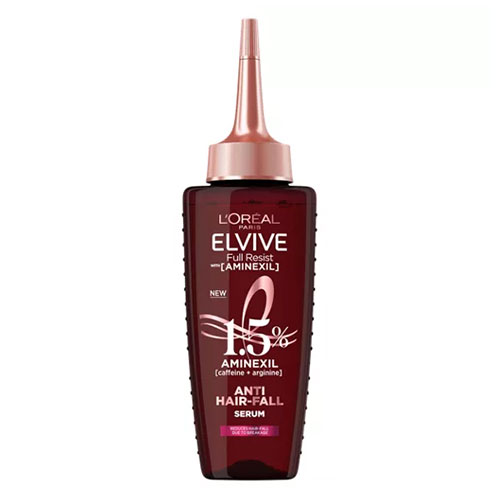
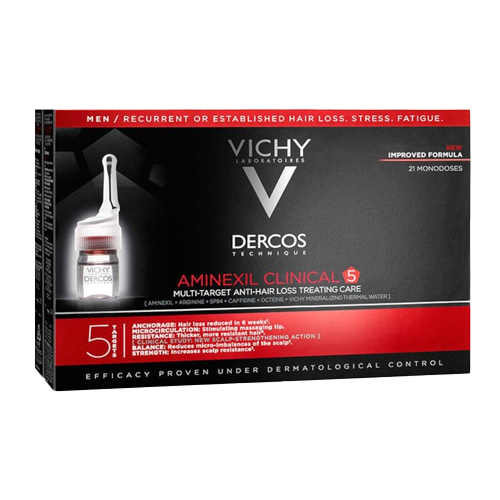
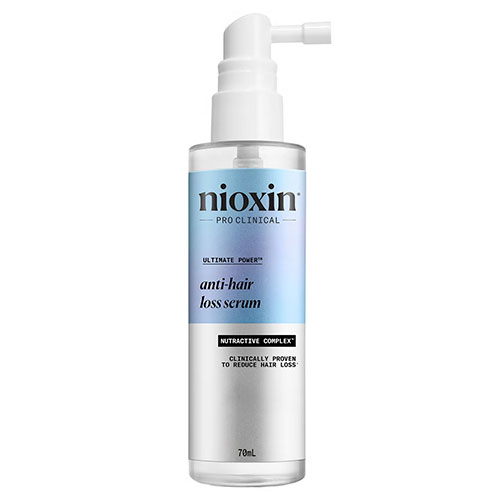
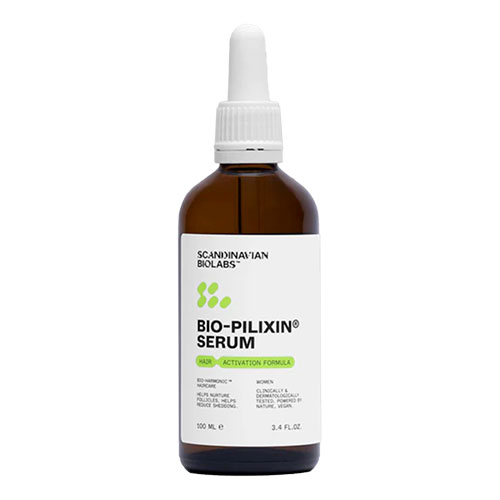
“Minoxidil derivatives such as aminexil, found in L’Oreal Elvive Growth Booster Serum, £8.50, and Vichy Aminexil ampoules, £57.96, may be a good bet. Others that the Get the Gloss team and I like with other potent ingredients are Nioxin Anti Hair Loss Serum, £57.50, with niacinamide and caffeine and Scandinavian Biolabs Bio-Pilixin Serum, £44.10, which has niacinamide again, peptides and a turmeric derivative for scalp health.
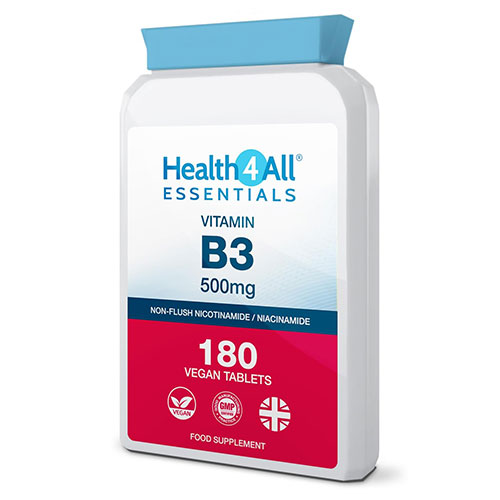
“Niacinamide (vitamin B3) supplementation promotes a better scalp environment, because it dilates the blood vessels, increases the blood supply and in small studies it has been shown to increase the growth phase (anagen) of scalp hair.”
I’m currently using Health4All Vitamin B3, £9.79.
“We all get inflammation from sun-induced damage, from ageing, toxins in the environment and our diet. Omega-3 is anti-inflammatory, and having an anti-inflammatory supplement provides a better environment for hair growth.”
Try: Metagenics High Strength Omega-3 Fish Oil, £28.34
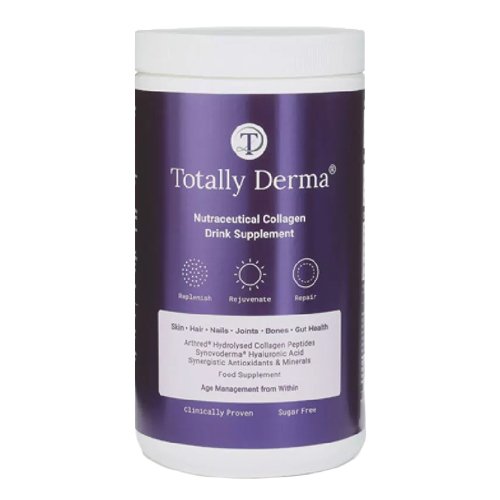
“Collagen, 5g powder per day of marine or bovine, is essential. Bovine is thought to have slightly higher bioavailability of the amino acids (the building blocks for protein, crucial for strengthening the hair’s keratin).”
Try: Totally Derma Neutraceutical Drink Supplement, £105.
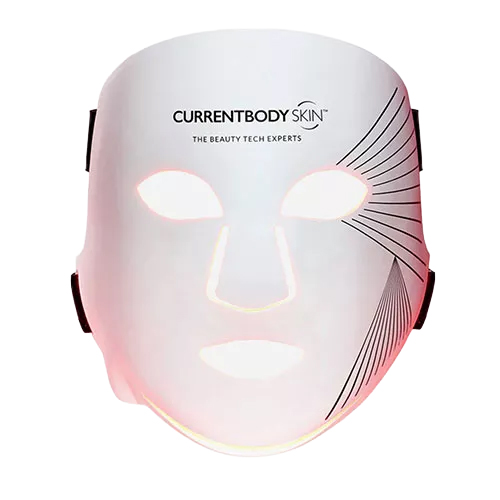
“This is another way to improve blood flow and encourage certain growth factors to the scalp surface. I prefer short-term use for a few weeks, as we don’t know the effects with long-term use.”
Try: Current Body Series 2 LED mask, £399
Polynucleotides with Dr Angela Tewari cost £300 per treatment.
Dr Angela Tewari's and the GTG team's favourite at home hair growth boosters