Red light therapy for wellness – how it can help with sleep, stress and hair growth

Everyone knows about the skin-boosting benefits of LED masks – but it turns out red light therapy can help with a host of health issues too. Before you fork out for a device, here’s everything you need to know about red light therapy for wellness
Move over, collagen supplements: red light therapy is fast taking your crown as the most popular inside-out beauty, wellbeing and longevity booster. According to LED device makers Bon Charge, 46 per cent of UK adults now use therapeutic red light, with those aged 18 to 34 the most enthusiastic adopters.
And while LED face masks are the most popular LED devices for their much-vaunted anti-wrinkle and anti-acne (in the case of blue light) potential, people are increasingly snapping up LED patches, panels, mats and even blankets for home-use to enjoy benefits that are more than skin-deep. Meanwhile in biohacking clinics, LED beds (like tanning beds, but good for you!) are now standard alongside cryotherapy chambers, cold plunge pools and contrast therapy suites.
That’s because red and near-infrared (NIR) light have proven wellness benefits, including pain relief and overall cell health. But that’s if you choose the right device.
‘Red light therapy’ means low-energy (ie not hot) red and near-infrared (NIR) light, delivered through LED bulbs. It’s also called ‘low-level light therapy’, or LLLT.
Red and NIR light have the same biological, cell-stimulating benefits and work synergistically, so a device offering both is best – most devices offer this, but not all.
Red light penetrates skin and the systems within it such as hair follicles, circulation and the peripheral nervous system under your skull.
NIR light goes deeper to potentially target nerves, muscles, tendons and bone. It can penetrate a few millimetres under the skin and under ideal circumstances (ie if the power of the device and the distance to the skin are perfectly calibrated and clinically proven) may go as deep as a few centimetres.
Any claims of going deeper is “a stretch to say the least,” says Tracy May-Harriot, education and brand ambassador for LED device manufacturers Ismart.
Red and NIR wavelengths set off healing on a cellular level, without any pain or discomfort. “They fuel the ‘power points’ [mitochondria] in each of the body’s cells, with the surge of energy used to heal damage, quell inflammation, and enhance cell growth and resilience,” says cosmetic physician Dr David Jack.
There are over 6000 studies demonstrating their efficacy, if the light is delivered at the right wavelengths and at the right power levels. The right device is key.
No. Infrared light makes you feel hot and is the light you find in infrared saunas and sauna mats. The heat brings about increased blood circulation, heart rate and elimination of toxins. It makes you sweat so you’ll lose water weight, and it’s thought to increase metabolism to aid fat loss. But it doesn’t have the healing benefits of red and near-infrared light therapy, both of which make you feel mildly warm.
By stimulating the mitochondria or ‘cell batteries’, red light therapy can increase muscle energy and performance. It can also help warm up joints to minimise injury risk, and you may be left with less-sore muscles after workouts as the lights lower lactic acid production and reduce muscle fatigue.

Back boost: GTG’s Victoria Woodhall practising yoga wearing the Light Salon red light therapy patch
Penetrating the body, red and NIR lights can increase blood flow, encourage antioxidant activity and lower inflammation, reducing pain in skin, muscles and tendons: it can help treat tendinopathy (when small tears form after a strain caused by overuse of the tendon) by speeding up healing. It may also reduce joint pain and degeneration, and alleviate migraines and nerve damage.
Red light therapy can encourage the formation of new blood vessels and improve collagen levels, speeding up the healing process and reducing bleeding. Many surgeons use it before and after ops for this reason.
One study got participants to use a red light therapy ‘helmet’ every other day and they saw an average increase in hair growth by 37 per cent, through the twin benefits of boosting circulation to the scalp and revving up energy in the follicles. But “a medical-grade piece of equipment is required,” says Dr Balwi, a leading hair surgeon at hair loss clinic Elithair.
No at-home light devices for hair growth have clinical proof that they work apart from the Hairmax Laserband mentioned below. But as we know circulation-boosting is good for hair-growth, your LED helmet, patch or even mask – if you put it on your head every night – could help stimulate healthier hair.
Dry eye disease and other eye issues can benefit from red light and other LED frequencies. Opthalmologist and oculoplastic surgeon Dr Rachna Murthy uses medical-grade low-level light therapy on her patients after eye surgery (“It speeds up healing, reduces redness and swelling, and balances the eye microbiome,” she says), and also to combat dry eye disease and age-related macular degeneration (blurred vision). Red light therapy has been proven to improve vision in the latter case.
A strong vagus nerve promotes a state of calm and lowers heart rate, so you get less stressed out. Medical-grade NIR, and, to a lesser extent, red light “works for vagal tone when used on the neck” according to Murthy. You might get some benefit from a good at-home device as well, if you are consistent. A device like a patch can be used to “target the cervical spine (in the neck region), behind the ear, or the ear itself. This allows the light to get as close as possible to the vagus nerve endings.”

LED lotus: Victoria Woodhall with the Bon Charge blanket
One study showed that two weeks of 20-minute nightly red-light exposure on a whole-body red LED bed increased melatonin levels and improved sleep quality.
And you don’t have to aim your device on a specific spot for this: “Evening exposure to red/NIR light seems to improve circadian rhythms and melatonin production no matter whether you apply it to the face, neck or torso,” says Murthy. She recommends using the light 20–30 minutes before bed to enhance relaxation without disrupting melatonin. Again, results only come with consistent use.
Red LED can be a therapeutic in managing oral discomfort and inflammation,” says dental surgeon Dr Mahsa Nejati. By enhancing microcirculation and promoting tissue regeneration, she says, it can settle gum inflammation in particular, reducing tenderness, swelling or bleeding. Blue light, meanwhile, kills bad oral bacteria that cause plaque and bad breath, so you see the two frequencies brought together in products such as the Mahsa Trio LED Light Activated 3-in-1 Kit, £115
That depends on how powerful it is – the smaller masks and patches only really work held against the skin and used very regularly (often daily) to make up for their relative lack of power. To get deep penetration from panels that target more than the skin, you generally want it as close to you as possible.
As for doing yoga or any other activities with an LED panel somewhere in the vicinity: “As light travels through the air, its power decreases considerably,’ says Baker. So bear in mind that if a light panel’s instructions suggests you sit a number of inches away from it and you double that distance because you are, say, working out, the light intensity will be a lot less powerful.
Baker suggests that a flexible silicone panel that is cleared as a CE medical device (meaning it reaches EU safety requirements) or is an FDA (the US Food and Drug Administration) cleared medical device (such as the Celluma below), is the better option than most rigid panels, as you can mould it to body contours.
It depends on the power of the device, says Laura Ferguson, co-founder of The Light Salon. A weekly professional 15-minute light session is equivalent to three weekly ten-minute at home sessions with their Boost LED Body Patch.
According to Ferguson, a good at-home ‘wellness’ red light therapy device held right against the skin can compete with more powerful at-home panels.
“For injuries, you should crank up the use of your patch to multiple daily sessions: run it repeatedly until the battery depletes,” she says. This can be done from the comfort of your sofa or desk with a patch, which you can strap to the treatment area.
“When my sciatica flares, I apply the patch multiple times a day and can resolve it within days — without needing physiotherapy or chiropractic care,” says Ferguson.
No – if you want any of the benefits, the light needs to shine on naked skin, preferably without any skincare.
Most experts agree you don’t with a reputable device. In fact, your eye area can benefit from healing red and NIR light both on an anti-ageing, dry eye-relieving, and mood-boosting level. However, if your manual says to wear goggles, do follow the instructions.
Yes. Most of the smaller wellness/body patches feature the same wavelengths and power as the LED face masks, so if you have one and want to target a, say, painful wrist with it, you can.
LED light (from a reputable device) won’t burn you, has no known side effects and doesn’t interfere with any medications; you should not have to consult a doctor unless you have known light sensitivities or epilepsy.
Many at-home masks flaunt their FDA (the US Food and Drug Administration) clearance. It’s proof that US authorities (where at-home LED devices are classed as ‘medical’ devices – over here, they can be either cosmetic or medical) accept the manufacturer’s evidence that a device lives up to the claims it makes, and that it’s safe. You want this guarantee, which comes in the form of a unique ‘510(k) number’ (a six-digit number preceded by a K, which reputable brands will be happy to provide), at least.
The catch is that claims cleared by the FDA can vary from a cosmetic claim like ‘helps reduce wrinkles over time’ to the full medical spectrum of much harder-to-achieve results such as pain reduction, muscle recovery, psoriasis and hair restoration. Often, brands sneakily use their single skincare clearance to imply their device is proven to work for other indications as well.
So if you’re considering buying a panel or mask for a specific condition, choose one that specifically states FDA clearance for that very condition.
Note the word ‘cleared’, too: some companies flag that their devices are FDA ‘registered’ or ‘certified’, which do NOT denote the same thing. Those terms simply mean the device is registered in the FDA’s database, but no claims have been verified or proven. You want to see the exact words ‘FDA-cleared’ alongside a 510(k) number if you want a clinically evaluated device.
If you want to invest in a clinically-backed medical-grade panel, the most straightforward way is to look for the European CE MDR (medical device regulation) or Medical UKCA mark, followed by four digits. That’s because in Europe, a distinction is made between consumer and medical-grade LED devices, with the latter subjected to stricter demands and proof. This medical device clearance should come with information from the manufacturer on exactly what medical indications the clearance has been granted for.
Best doctor-backed at-home panel
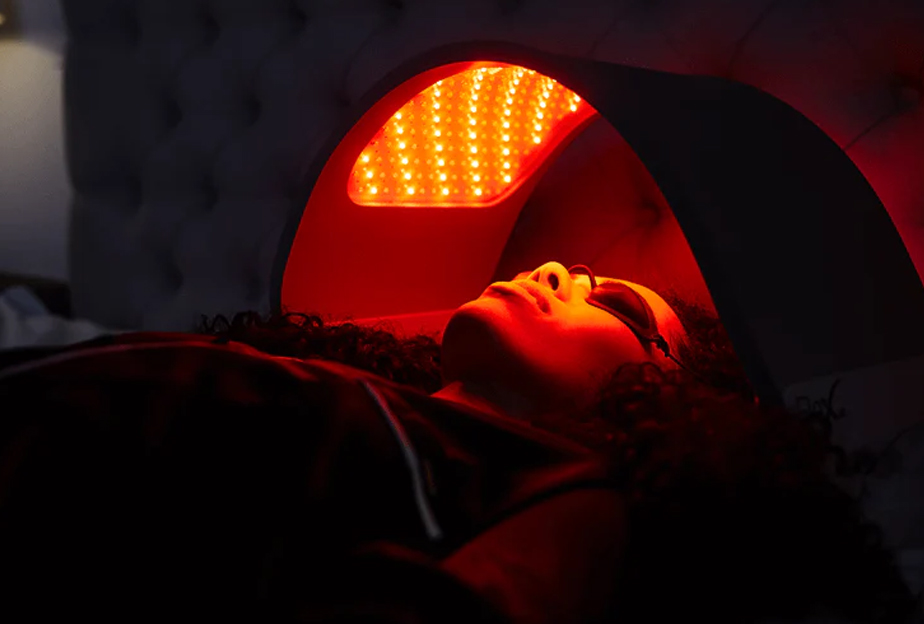
The Flex is considered a professional device that is also cleared for home use, and is the only at-home one Dr Murthy will recommend. FDA and CE medical device-cleared for treating wound healing, psoriasis, acne and pain alongside cosmetic indications, the flexible panel is said to be “three times more powerful than other at-home devices”.
Buy nowBest for consistent use
The Light Salon Boost Patch, £375
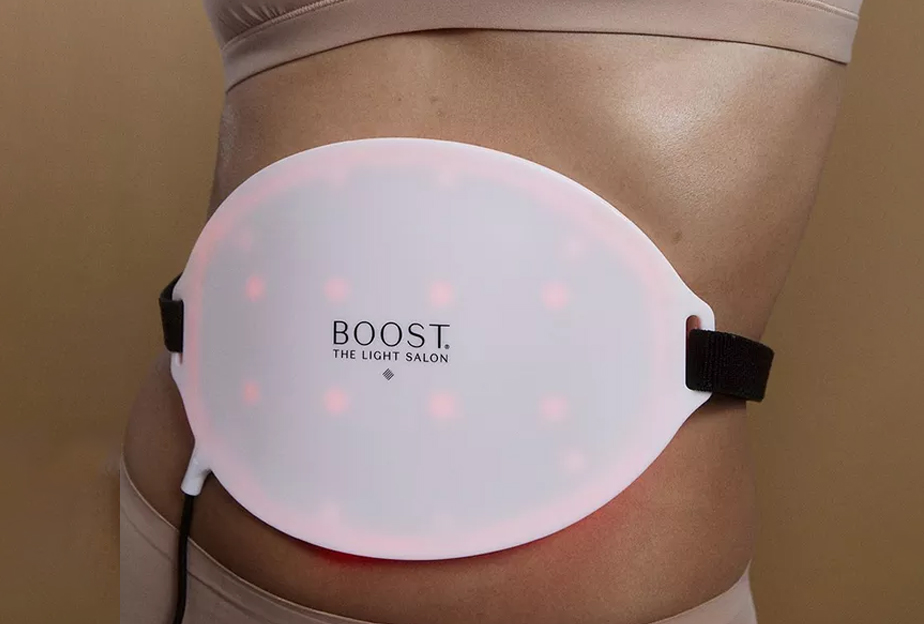
Encompassing the same technology as its professional devices used in-salon, this is designed for ease of use so that you can use it consistently and often – which is the key to success with any LED treatment. It can be used anywhere on the body and face, including the scalp for aiding hair growth (the brand have some anecdotal evidence that it helps). FDA-cleared for specific pain relief claims, its many fans credit it with alleviating anything from menstrual pain, arthritis and inflammation.
Buy nowBest flexible power panel

This is Celluma’s flagship product (it can be placed on top of skin and moulded to body contours). Like all their devices including the new Delux LED Therapy Blanket, £10,995, it’s created for clinician and punters alike. This gets you CE medical device clearance alongside FDA clearances for medical uses such as treatment of rheumatoid arthritis and other chronic pain.
Buy nowThe workout buddy red-light panel
Sunlighten Red Light Therapy Panel, £1559
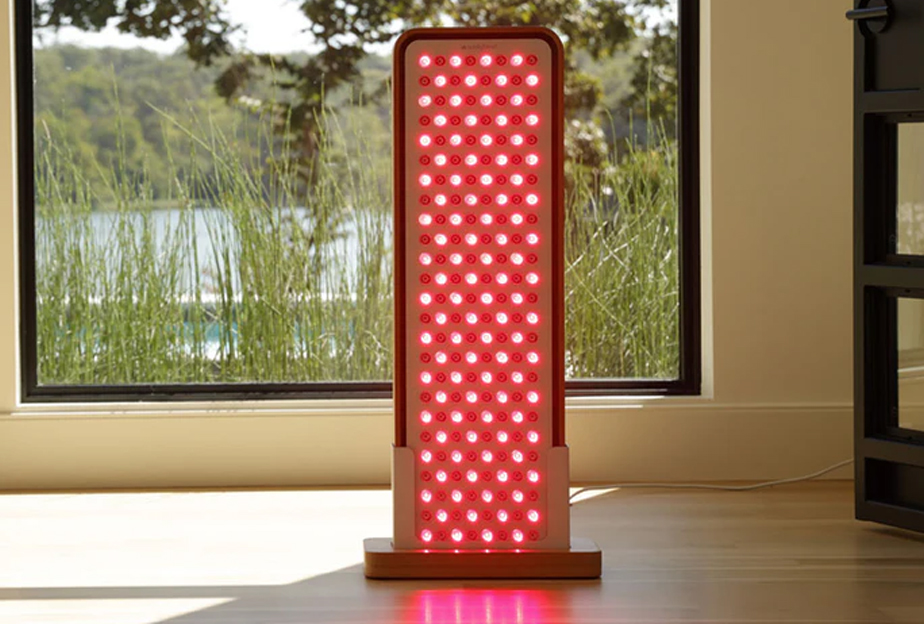
This sturdy (and extremely bright) panel can be controlled through its remote or app; it has a choice of programmes: sleep, cellulite, skincare, muscle recovery, inflammation and immunity as well as intensity settings. A handy stand that allows you to securely set it up vertically costs an extra £60 – the brand suggest that you can do your yoga and stretching while bathing in the light. GTG’s Victoria Woodhall loves how the programmes suggest the right distance, position and duration to achieve a certain stated goal. The panel is FDA-registered but it does not have medical clearances.
Buy nowMost soothing red light device
Bon Charge Red Light Therapy Blanket, £1595

You can crawl into this LED ‘sleeping bag’ for 360 degree therapeutic light. The company claims this will help with anything from joint pain to weight management to sleep, but flags that the FDA has not evaluated these claims, and the device is FDA-registered but not cleared. You can do gentle yoga on it (although bear in mind red light therapy doesn’t work through clothes).
Buy nowBest for hair growth support
Hairmax Laserband 41 Comfortflex, £599.99

Consistent treatment with red light is beneficial for hair growth, but unlike other red light therapy helmets, hats and combs, this clinically-backed one is FDA-cleared to treat androgenetic alopecia in men and women. Pushed back onto your scalp like a hair band, its teeth emit low-level laser energy with frequencies in the red light spectrum. This, the company say, targets follicles more efficiently. Easy to wear and use, three minutes a day, thrice-weekly sessions for three months should leave you with significant hair re-growth and stronger hair.
Buy nowBest for painful hand joints
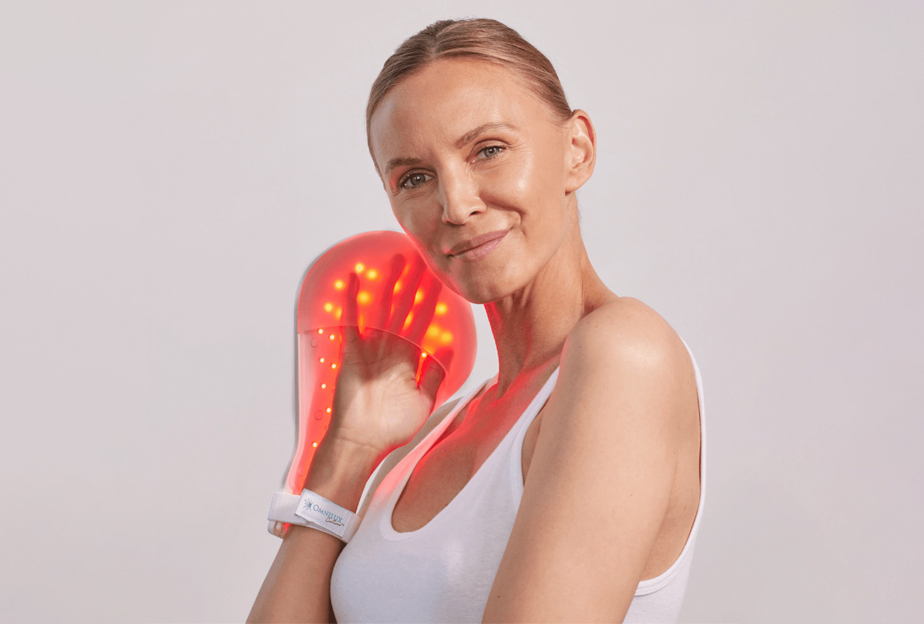
FDA-cleared for the treatment of pain, this glove slips on your hand comfortably to help with pain caused by arthritic and other joint conditions. It will also help plump and brighten skin on the backs of your hands.
Buy now