Blepharoplasty: the cosmetic surgery that beauty editors spend their own money on
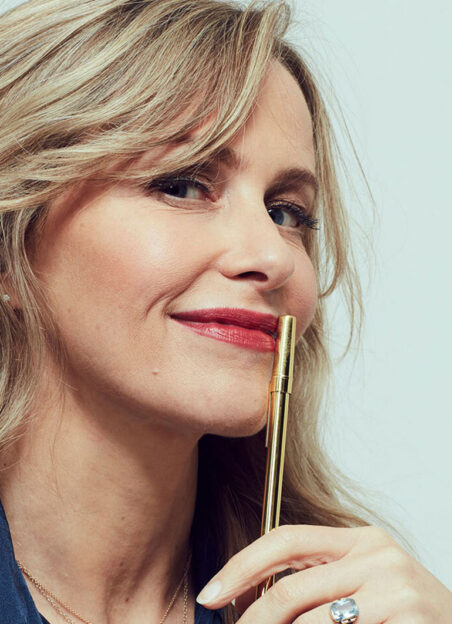
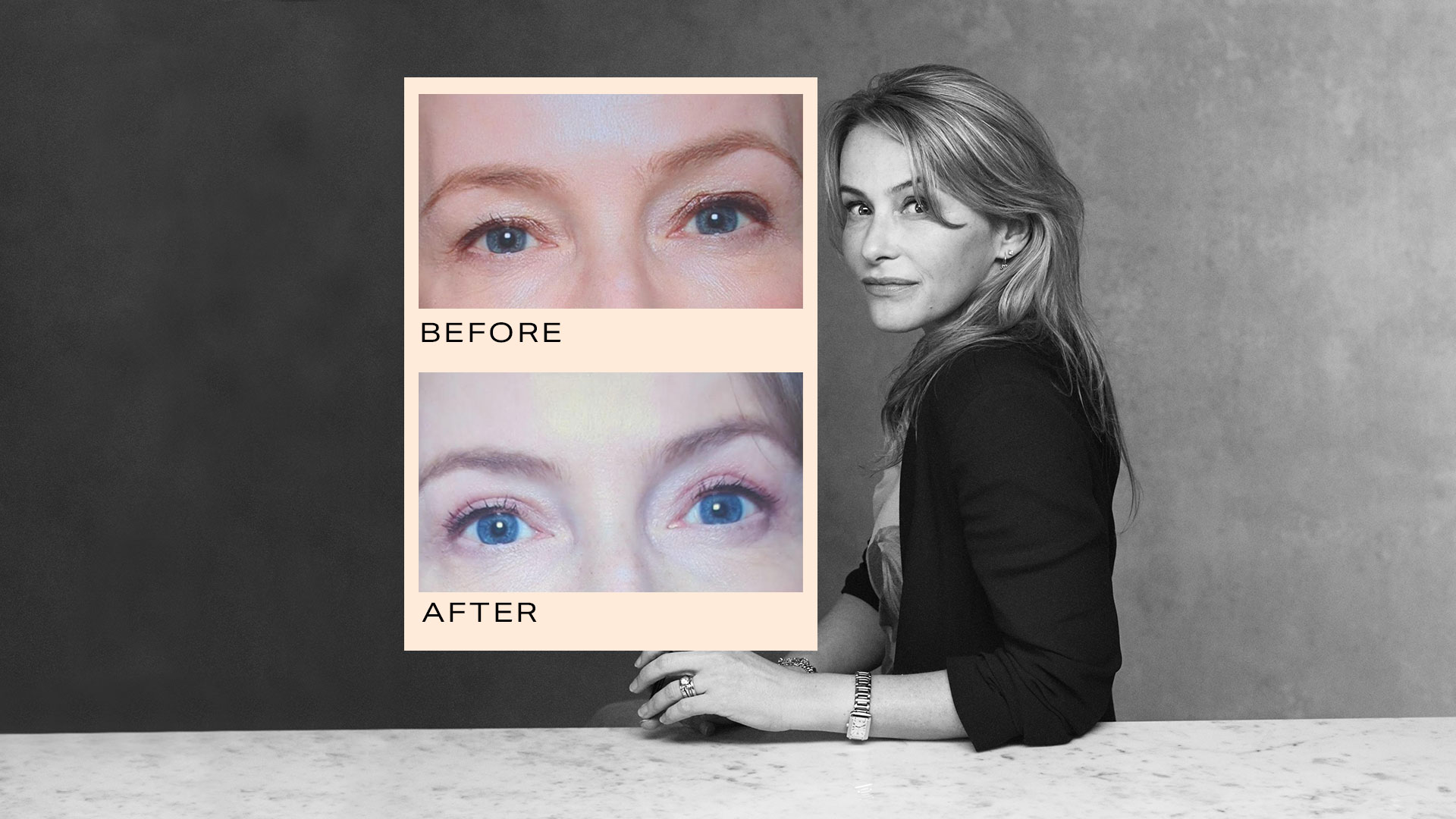 Main photograph: Mary McCartney Main photograph: Mary McCartney
Blepharoplasty eyelid surgery has hit the headlines as people head abroad for unsafe, cut-price treatment. But Ingeborg van Lotringen knows exactly how to do it properly. Here’s why she – and many other industry insiders – are going under the knife
With #undetectableera trending on Tiktok and ‘undetectable tweakments’ (the type that leaves no trace of having work done) leading the aesthetics trends, you may be surprised to know that one of the most ‘traceless’ procedures of all is, in fact, a surgery. One so transformative that glossy magazine beauty editors, who can get every non-surgical procedure they like for free, happily choose to pay for the surgery instead.
I know, because I’m one of them – and plenty of my peers have gone before me in having their eyes surgically ‘pinned up’ (the medical term is upper lid blepharoplasty or ‘bleph’). The procedure deals with the thinning and crepiness that blights many lids with age. Eventually the skin sags over the eye creases and lash lines. And in very advanced cases it can hamper your sight.
I can’t pretend my upper eyelids stopped me seeing properly so I had no medical reason for having the op: it was pure vanity. With my lids looking like deflated balloons by the age of 54, there was no way to wipe that perma-tired look off my face, and I got fed up with it.
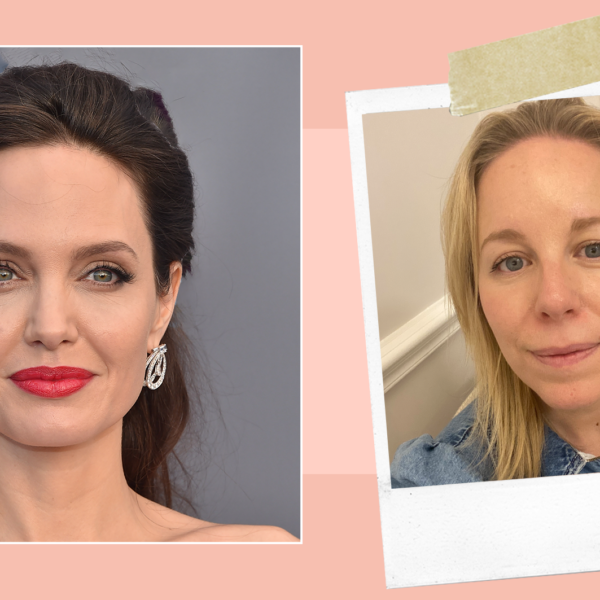
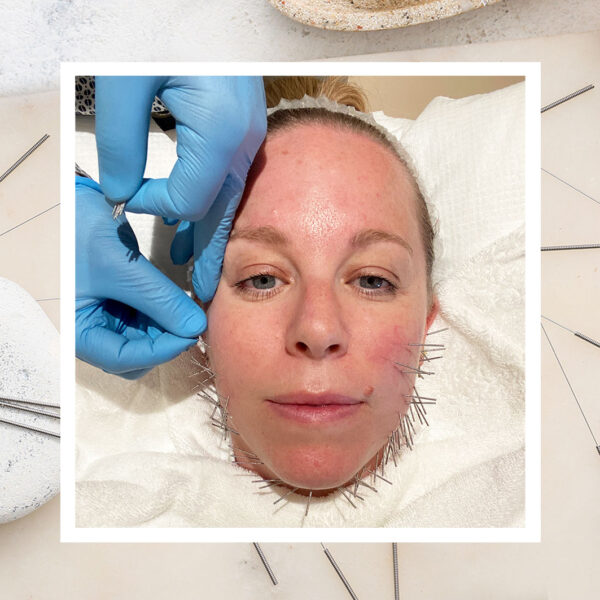
Tweakments are among my specialist subjects as a beauty journalist, so I inevitably hunted for some magic scalpel-free solution first. But came away disappointed. Plenty of eye tweakments, often called ‘non-surgical blepharoplasty’ (involving fillers, neurotoxin or heat-based ‘skin-remodelling’ devices), promise the world but achieve very little, especially if you’re over 50 and your loss of elasticity is advanced.
Some of these ‘minimally invasive’ procedures involve weeks of downtime (think swelling, weeping, scabbing – you can see some of the ‘damage’ for yourself in my article on the truth about non-surgical cosmetic procedures). Knowing that inflammation and irritation actually age the skin and could make things worse in the long run, I had no intention of undergoing any of these options.
Many eye surgeons perform eye tweakments as well, because plenty of patients just don’t want surgery. But the specialists all agree that surgery is the far superior option if you want real results. Not only will the outcome be longer-lasting (ten years at least, compared to several months to two years, depending on the tweakment), it is far more reliable, with good surgery accomplishing highly personalised and precise results, while those from tweakments cannot be predicted or guaranteed and in some cases involve more downtime than surgery.
Blephs are among the surgeries with the highest rates of success and satisfaction, according to the British Association of Aesthetic Plastic Surgeons (BAAPS), and are currently the UK’s fourth most popular cosmetic surgery procedure.
Upper eyelid lifts can be performed under general anaesthetic (involving a full hospital setting and anaesthetist), or with local anaesthetic under deep sedation (where you’re asleep) or light sedation (where you’re actually awake). I had the latter, so yes, I was wide awake and asking questions throughout the procedure. Local anaesthesia avoids the risks of general anaesthesia and is thought to promote quicker recovery.
I had been provided with meds to limit bleeding (for the same purpose, I had to avoid ibuprofen, omega 3 oils, and other blood-thinners for two weeks before the op) and with sedative diazepam to take before, which meant I was pretty relaxed by the time I landed on the operating table. The experience wasn’t traumatic, with my surgeons chatting with and reassuring me all the way.
Pain was not an issue: the anaesthetic injections in my lids were done using the world’s thinnest needle and a vibrating massage wand that distracts from the sting – uncomfortable but not horrendous. I was completely numb. Soothing music and an aromatherapy diffuser added to the ‘chill vibe’.
The procedure was done in 30 minutes (I had two surgeons – see below- work simultaneously, which speeds up proceedings). In that time, a carefully mapped-out strip of skin was removed from each lid, as well as some saggy fat from my inner eye corners. After stitching the lot back together, a firm compression pad was applied over my eyes, to counteract swelling and bruising for an hour while I relaxed. I emerged with puffy lids with purple stitches in the creases – nothing too dramatic.
The list is long, but in the hands of experienced oculoplastic surgeons, the probability is low. Risks include infection, loss of vision, loss of sensation, scarring, puckering, inflammation, and worsening of dry eye syndrome (if the eye can’t close properly after surgery).
It is also possible that you won’t be happy with your new look, which is why it’s so important to choose a doctor who offers extensive pre-op consultations to discuss your exact wishes.
Showing them pictures of your eyes when you were younger (ie the ones you’re hoping to re-claim) is very helpful for both parties and soon, many surgeons will be able to offer AI-generated projections of what’s possible for you, taking away a lot of guesswork.
It’s a surprisingly minimal seven-to-ten days, on average. After that, your lids will have healed enough for you to wear eye makeup and contact lenses. But if you don’t mind being seen with quite swollen eyes, you can be up and not-quite-running immediately after the op.
My lids felt a bit tight but not painful straight after the op, and I could see normally with my glasses. I was sent on my way with eye drops, antibacterial ointment and an inflammation-reducing iced eye mask to apply several times a day for five days. I was not to bend over for two days or exercise for ten, to avoid any pressure on the wounds, but I could sleep how I liked – no sitting-up or special pillows necessary.
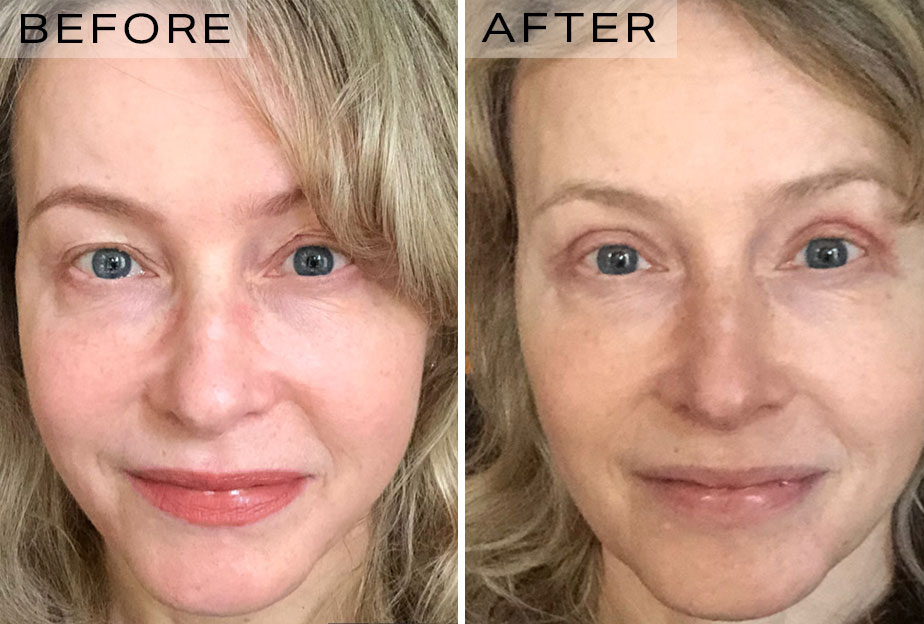
The swelling was largely gone in a few days but two dark-ish blood bruises that developed on day two took a good three weeks to resolve – they were easily covered up, though. My stitches were removed on day six, with the scars tucked into my eye creases so as to be barely visible, which was good as they remained looking quite red and feeling tender for a month. After a few months, they faded to near-invisibility. As for pain, there wasn’t ever any.
It’s worth noting that lower eyelid blepharoplasty, which deals with eye bags, is a more complicated surgery, involving you having to take off two weeks for initial recovery.

Among all the top eye surgeons I was familiar with, Prof Jonathan Roos and Miss Rachna Murthy, who work as a team (they operate on one eye each, in unison) at FaceRestoration, stood out. I chose them because of the work they showed and their comprehensive knowledge and care: they’re consultant oculoplastic and reconstructive surgeons as well as ophthalmologists. I’m severely myopic and have dry eye disease, so needed to know I was in safe hands on all counts.
Aligning your vision to that of your surgeon(s) is important. Preceding the op, we had two in-depth consultations to discuss my worries, wishes and expectations; it was the duo’s willingness to discuss these things in detail and never rush me that confirmed I had made the right choice.

I chose consultant ophthalmic and oculoplastic surgeon Miss Elizabeth Hawkes for my second eye surgery at the age of 58 (I had my first a decade earlier) for a bunch of reasons. I liked the look of her work, and mainly what I wanted was a ptosis (droopy eyelid) correction – a small op to adjust the muscles of my left upper eyelid. I’d had a slight droop for a good 15 years and it never bothered me until I found myself on camera for work all the time.
“When Miss Hawkes examined me, she suggested I might, in addition, have another upper eyelid bleph, to remove newly lax skin as well the fat pads that had descended into the inner corners of my eyes.
“So I opted to kill two birds with one stone, especially as at the time, Dr Hawkes was working alongside the eminent eye surgeon Prof Richard Collin (who pioneered the whole speciality of oculoplastic surgery). They did the ops together, which seemed an irresistible opportunity; it all took place under full sedation.
“I’m absolutely thrilled about the result – my left eyelid sits in a more balanced position than before and the heaviness is gone from the upper lids.”

“At 47, I did tons of research which led me to consultant ophthalmic and oculoplastic surgeon Mr Naresh Joshi – he had the most experience and excellent patient testimonials. I liked his Zen manner, his way of putting the patient’s interests first, and the fact he’s an ophthalmic surgeon; he gave me a full eye test before even thinking about the cosmetic side.
“I used all my knowledge and contacts as a beauty editor to research the best surgeon for my eye lift. I was 48 and the drooping skin was actually hampering my sight. Plastic, aesthetic and reconstructive surgeon Mr Olivier Amar worked at the Cadogan Clinic, which was a place I rated, but what clinched it for me was that he never tried to sell me any other procedures as well, which many other plastic surgeons did at the time, about ten years ago.
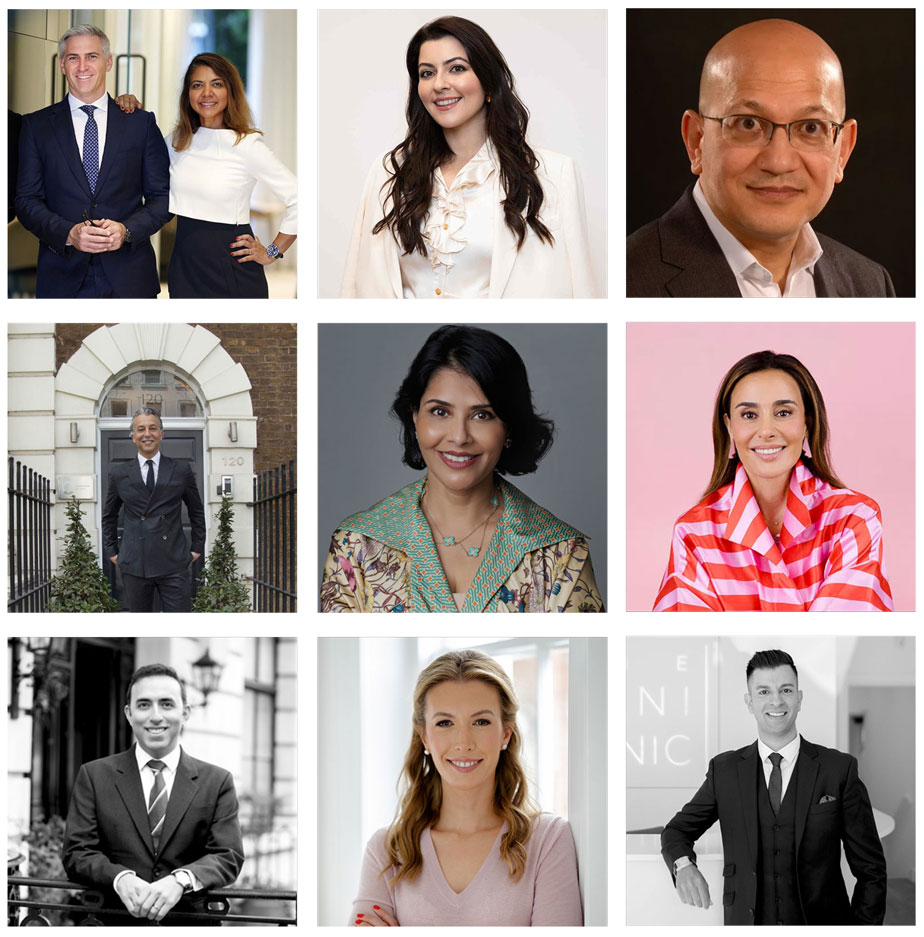
Surgeons listed from left to right, top to bottom