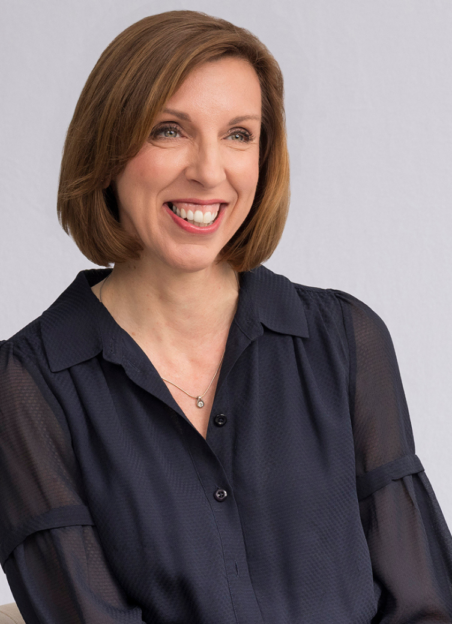
Dr Louise Newson: my biggest wellness wins
From her utility room sauna to a £200 migraine-busting water bottle, here’s how the high profile menopause doctor stays happy and healthy
“I work really hard to optimise my wellbeing, far more than I did when I was younger,” says Dr Louise Newson, 55, GP and menopause health expert. “I want to stay as fit and well as possible – not just for myself but I know that if I am both mentally and physically strong then I can look after others much better.”
Newson has certainly needed that mental strength and resilience of late – she’s had a turbulent 18 months. In September 2024, BBC1 aired a Panaroma documentary The Menopause Industry Uncovered, which accused her of prescribing excessive levels of HRT to a handful of patients at her clinics, an allegation that hugely damaged her reputation and business. It was, she says today, “a misleading and inaccurate narrative about my clinical practice”. She’s always maintained that HRT prescribers should take an individualized approach to patients, because different women absorb and react to hormones differently. This week, the Care Quality Commission rated the Newson Clinic “outstanding” in a new report, which, she says, “draws to a close one of the most harrowing periods of my professional life.”
View this post on Instagram
Newson is currently preparing for a spring speaking tour called Breaking the Cycle: The Power of Hormones, which will see her popping up in theatres across the UK (scroll down for a link for tickets), a follow-up to a similar tour in 2024. A mother of three daughters, she’s also recently written this helpful piece about maximising our hormone health at all ages for Get The Gloss – we talk a lot (rightly so) about midlife hormones but here she unpacks the issues facing women in early adulthood right through to their 60s and beyond.
She is clearly a woman who spends a lot of time looking after the health and wellbeing of other people, both personally and professionally. But how does she look after herself?
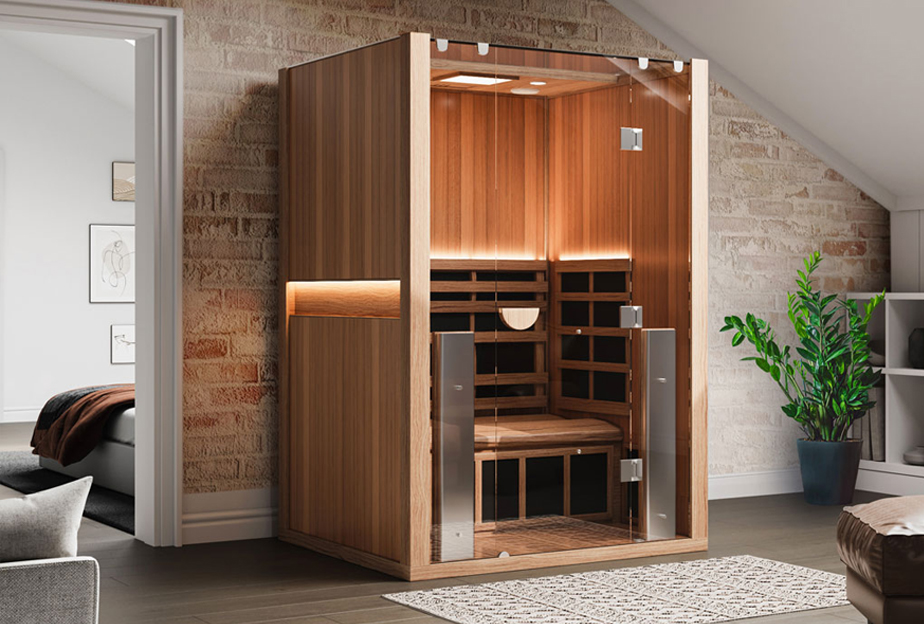
It’s getting hot in here: Newson has installed a Clearlight sauna in her utility room
“My husband Paul and I bought a Clearlight infrared sauna, from £7199, with a red light panel, as our joint Christmas present. It’s in the utility room of our home near Stratford-upon-Avon – I cleared and dismantled some cupboards to fit it in. It was an investment but I don’t drink alcohol, I don’t spend much money on going out and I’m not a member of a gym so I could buy it because I save money on those things.
“I use it most days for 20-30 minutes and it’s wonderful. I feel warm, relaxed, calm and invigorated. I sleep much better too. There are many health benefits of infrared saunas: deep relaxation, reducing stress, improving circulation and relief of pain. I’m also hoping it will help reduce my the frequency and severity of my migraines.”
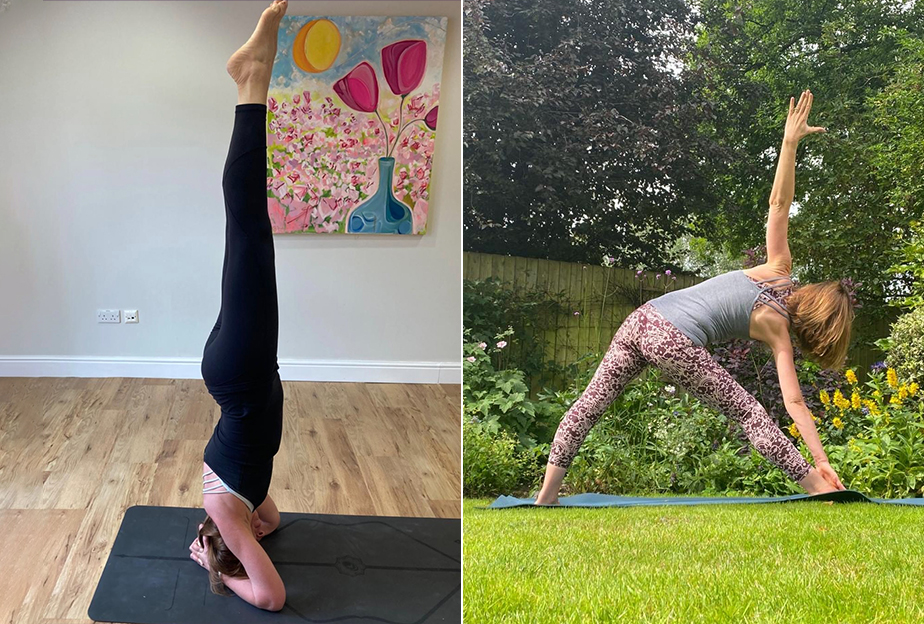
Flex appeal: Newson has practised yoga for two decades
“I love doing headstands. At the end of my daily yoga practice, my last posture is a headstand which I’ll hold for 30 breaths but sometimes much longer. I know not many people can do headstands so it makes me feel quite unique and strong!
“I’ve done yoga daily for the past 23 years. I usually do 30 mins each morning of Peloton yoga – my favourite instructor is Dennis Morton. On Wednesdays, I do the whole primary series of ashtanga yoga with my instructor, James Critchlow. It really helps to keep me physically strong. It also helps me focus – I’m sure I have ADHD and my mind is usually very active and thinking about lots of things all at once. But when I ‘om’ on my yoga mat, especially doing balancing postures, then I think of nothing else other than what I am doing.”

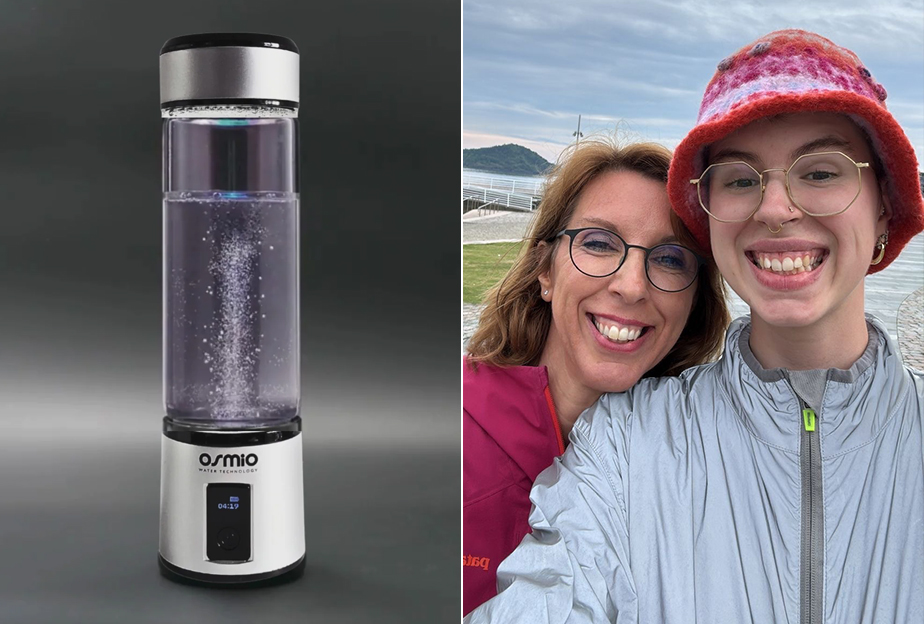
Newson’s hydrogen water bottle and with daughter Jessica, a fellow migraine sufferer
“I have an Osmio hydrogen water bottle, £199. I use it all the time at home and sometimes take it out with me too. There’s lots of evidence of the benefits of both inhaled hydrogen and hydrogen in water to drink. It helps to reduce my migraines, as well as lower inflammation and oxidative stress in the body. I started to become interested in it when exploring options for my daughter Jessica’s migraines (hers are worse than mine).”
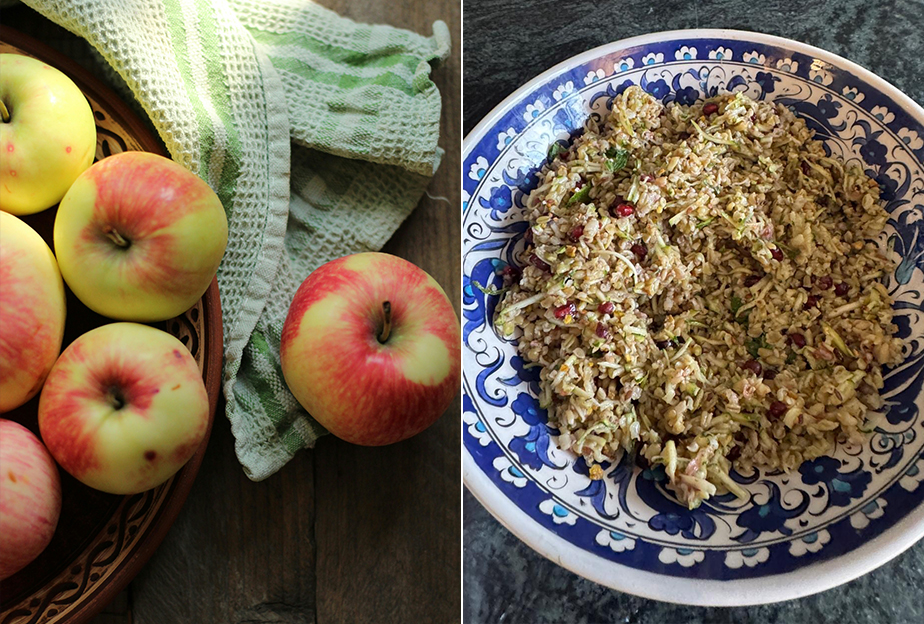
Crunch time and (right) a Newson lunchtime salad special
“I eat an apple every day, usually on my way home from work. I’ve done this for years and it’s a great way of not eating unhealthy snacks when I’m hungry after a long day. I don’t eat processed foods or even chocolate (they would trigger a migraine) so an apple is a snack that works really well for me. Years ago, I used to come home from work ravenous and have a cup of tea and several biscuits. I could not imagine doing that now.
“Being a migraine sufferer forces me to be really healthy in my food and lifestyle choices as if I slip, then it’s likely I’ll pay the price. I have lots of fresh fruit and vegetables in my fridge. If you rummage in my kitchen cupboards you’ll find handmade granola, seeds, nuts, jars of chickpeas, beans and sundried tomatoes.
“You will also find my KitchenAid mixer on the side in my kitchen which I use regularly, especially the grating attachment. I often grate carrot and beetroot to make a salad – adding herbs, olive oil, agave syrup, apple cider vinegar and lemon juice.”
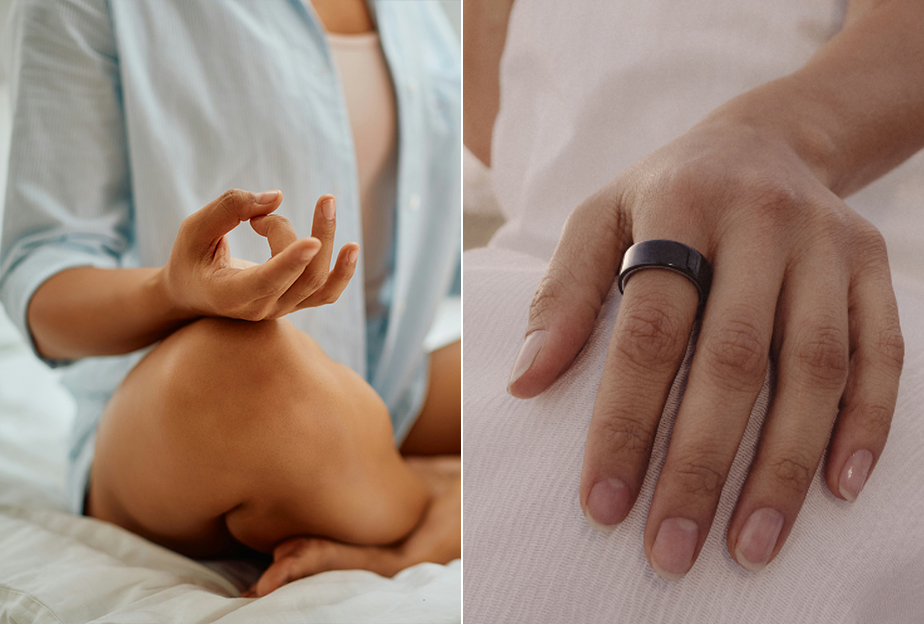
The sleep toolkit that works: evening meditation and an Oura tracker ring
“I meditate before bed to clear my mind and get to sleep. I usually visualise that my brain is made of Teflon so cannot absorb any thoughts, neither good nor bad, so I can really empty my brain. I hate waking up in the night – I used to wake up several times each night when I was perimenopausal and felt so tired as a consequence. Now I tend to go to bed at around 11.30pm, which is far too late and get up a little too early – 6.15am – but I know my sleep is really efficient (I track it on my Oura ring, from £329, too). Poor sleep is a form of torture so people often underestimate the importance of good quality sleep.”
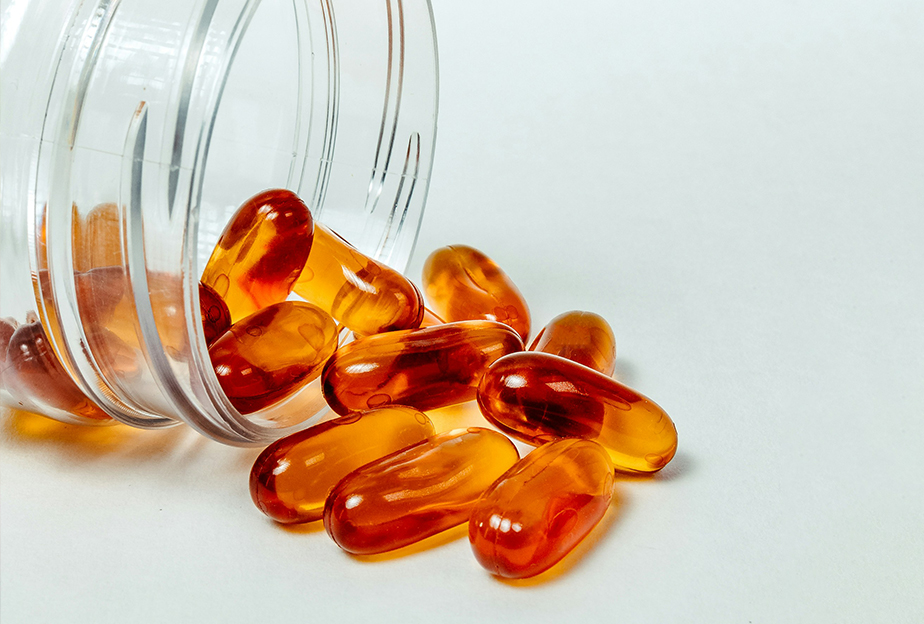
“I take Bionutri Fish Oil, £22.50 for 45 capsules, which also contains vitamin D for reducing inflammation and bone strength, Bionutri Magnesium Complex, £12.05 for 30 capsules, to help with my migraines and Bionutri Ferrolactin iron supplement, £16.30 for 30 capsules. I don’t work with any supplement companies and I strongly feel we should take supplements that are right for us. We should all be taking vitamin D but other supplements should be individualised. So many people are spending small fortunes on supplements which they often do not need.”
Dr Louise Newson’s new live show Breaking The Cycle: The Power Of Hormones runs 14 April – 11 June in theatres across the UK. Plus she features in new TV documentary series Balance: A Perimenopause Journey, available on Apple TV+ and Amazon