The best menopause supplements, according to a menopause nutritionist


What are the best menopause and perimenopause supplements and which really work? With so many new ones hitting the market, we turned to an expert
Never before has menopause been such a hot topic, with such a wealth of products to help you with its myriad unpleasant symptoms – of which there are many, beyond hot flushes and vaginal dryness. Menopause specialist Dr Louise Newson lists 45 physical and 10 mental health symptoms on her menopause support app Balance, with itching, tinnitus, migraines, acne, an altered sense of smell, breast tenderness, brain fog and anxiety (all of which can begin in perimenopause) just a few examples.
The market has responded, with plenty of capsules, drinks and powders with dedicated menopause-managing blends of herbs and nutrients now crowding the shelves. There are even menopause-focused collagen supplements getting in on the action.
“There is no doubt that you can do a lot to offset menopausal symptoms with the right nutrition and lifestyle choices,” says menopause nutritionist Jackie Lynch, author of The Happy Menopause: smart nutrition to help you flourish, £5.18. But should these nutrients come in the form of special menopause supplements? What are the things to look for? And could these blends serve as a substitute for HRT? We’ve found you the answers.
The right nutrition always comes first, but “supplements can be powerful things,” says Lynch. So much so, that “you need to treat them with respect, always heed the dosage on the label, and check with your doctor if you’re on any medication at the same time”.
Provided you do this, she can think of a number of supplements that really make a difference in menopause and perimenopause – and they aren’t necessarily always expensive ones formulated and labelled specifically for this life phase.
No nutritional supplement can be a straight substitute for HRT, as they do not treat a hormone deficiency; they simply help with symptoms. But if you do not want to take the HRT, they can help, says Lynch, so long as you don’t have another medical condition which precludes particular supplements (check with your doctor).
“Twenty per cent of women sail through the menopause and never need HRT,” she says. “Twenty per cent have such severe symptoms that they simply cannot get through without it. That leaves the other 60 per cent, for whom [barring a medical issue] it’s a choice whether to go on HRT or not. If it’s not what they want then diet, lifestyle, stress management and the right supplements can make a notable difference.” Like any nutritionist worth their salt, she prioritises diet over supplementation and specifically recommends eating lots of protein, legumes and green leafy veg to support your system throughout the menopause.
Supplementation should always ideally be bespoke and not generalised, says Lynch. “But when it comes to menopause, there are definitely a number of ‘non-negotiables’ that I would encourage every woman to take.”
“If you have severe tiredness or brain fog, a lack of nervous system-supporting B vitamins (especially B12 and folate) or deficient iron/ferritin may be the issue,” says Lynch. It’s why you will find Bs in most menopause supplements. But when it comes to B vitamins and iron, says Lynch, “it really is best to get your levels tested and get a doctor’s advice on how to supplement. You can get a blood test that measures your folate, B12, iron and vitamin D (and more) from your GP.”
“Looking at the menopause supplements that are available, they are often really a multivitamin and mineral blend, so should be helpful except that they are priced much higher than equivalent but not ‘menopause’-labelled multivitamins,” says Lynch. “the truth is, you don’t need a ‘menopause multivitamin’.”
Of course, many menopause blends have additional menopause-focused ingredients you don’t find in regular multivitamins, such as ashwagandha and other adaptogens for stress relief, and phytoestrogens (plant sources of oestrogen) for hormone balancing. But this is where things can actually get problematic, says Lynch.
There is research, says Lynch, that shows phytoestrogens and plants with oestrogenic activity, such as black cohosh, red clover and soy, can increase oestrogen in the body and alleviate menopausal symptoms. But that means they mustn’t be supplemented if you have a history of oestrogen-receptor (ER) positive breast cancer, she warns.
They also shouldn’t be taken alongside HRT: “Phytoestrogens can counteract HRT,” she says. “There is no issue supplementing soy isoflavones with foods such as tofu or tempeh if you’re on HRT – but you mustn’t take concentrated levels in a supplement. It means menopause supplements that have phytoestrogens added to the usual multivitamin mix can actually be counterproductive for some women.”
Although others disagree, Lynch is not convinced by the clinical evidence on collagen supplements and recommends giving the body the ‘bricks’ to build its own collagen: “Vitamin C is one of collagen’s most important co-factors, and green leafy veg has twice the vitamin C of an orange. If you take your collagen seriously, up your fruit and veg intake to at least seven portions a day.”
There are symptoms that are exclusive to different menopausal stages; ‘flooding’, for example (long or extreme periods), only happens in perimenopause. But overall, says Lynch, “it’s really just semantics. Mood swings, hot flushes, anxiety – you’ll have them all to a greater or lesser extent from the start of perimenopause and beyond. So I wouldn’t bother with specific supplements for specific menopausal stages, but focus on your personal issues and symptoms instead.”
“It’s primarily about bioavailability, or absorption,” says Lynch. “Many vitamins come in a choice of different forms, some far more easily digested and absorbed (and, unfortunately, pricier) than others.”
Lynch lists ‘glycinate’, ‘citrate’ and ‘picolinate’ as examples of forms (and words) that indicate compounds that are well-absorbed. Suffixes such as ‘-oxide’, ‘-carbonate’ and ‘-sulphate’, on the other hand, indicate cheap compounds. “They may be perfectly fine for you if you have guts of steel, but for many they can cause digestive issues and you risk much of the beneficial nutrient never ending up in your bloodstream,” she says. “For menopausal women who often already suffer from IBS and other issues, this is particularly pertinent.”
Lynch advises to look at the very bottom of the product label, often below the INCI list: this is where, by law, manufacturers have to list the exact forms of the nutrients they include. “In most cases, they will use all-cheap or all-expensive nutrients, so you’ll see soon enough which way your product is leaning.”
All the products below give you a one-month supply, unless specified.

This has the full spectrum of multivitamins and minerals alongside sage leaf to assuage hot flushes and soy isoflavones to balance hormones: do not use these alongside HRT. Its prime point of difference, however, is a broad-spectrum, five billion CFU probiotic blend selected to support the gut and vaginal microbiomes, promising to tackle the bloating, sluggish metabolism and weight gain that can rear their heads in menopause.
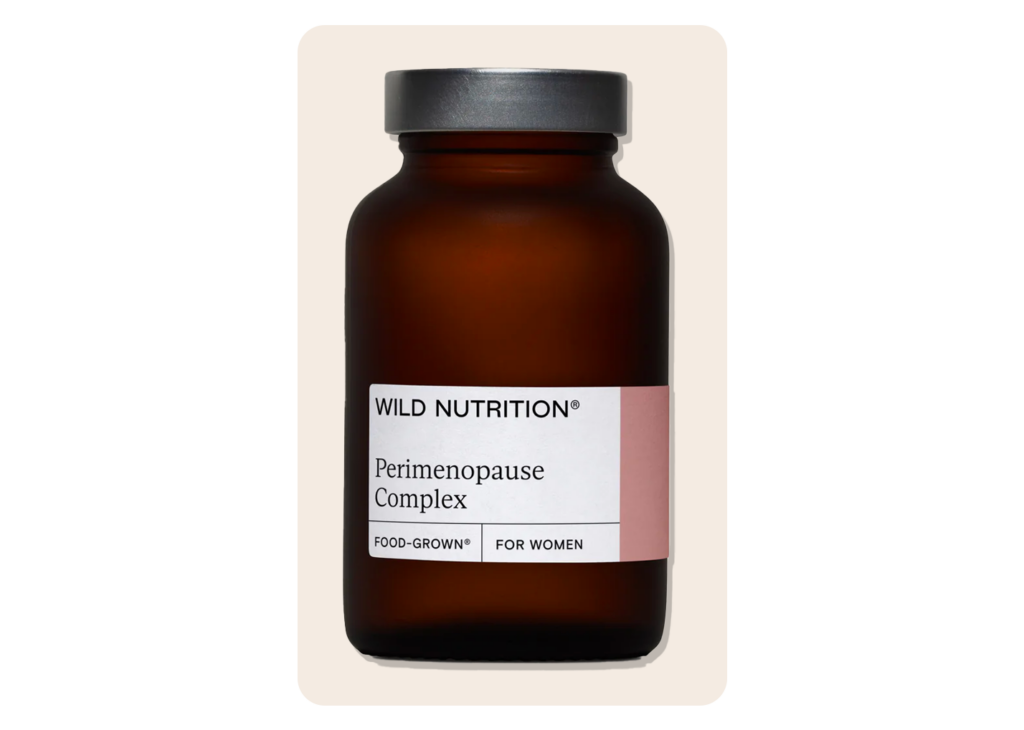
If you’re in perimenopause and believe it causes more anxiety and brain fog, then this one is for you. Powered by highly bioavailable nutrients obtained through a food-grown process, this has B vitamins, magnesium and iron to support the nervous system and reduce fatigue, a premium saffron extract shown to balance emotions and keep you chipper, and shatavari, an adaptogenic herb that ‘helps maintain balance in female physiology’, meaning it helps balance hormones. If you’re on HRT, the brand recommends a free consultation with one of its nutritional therapists to make sure it’s OK to take.
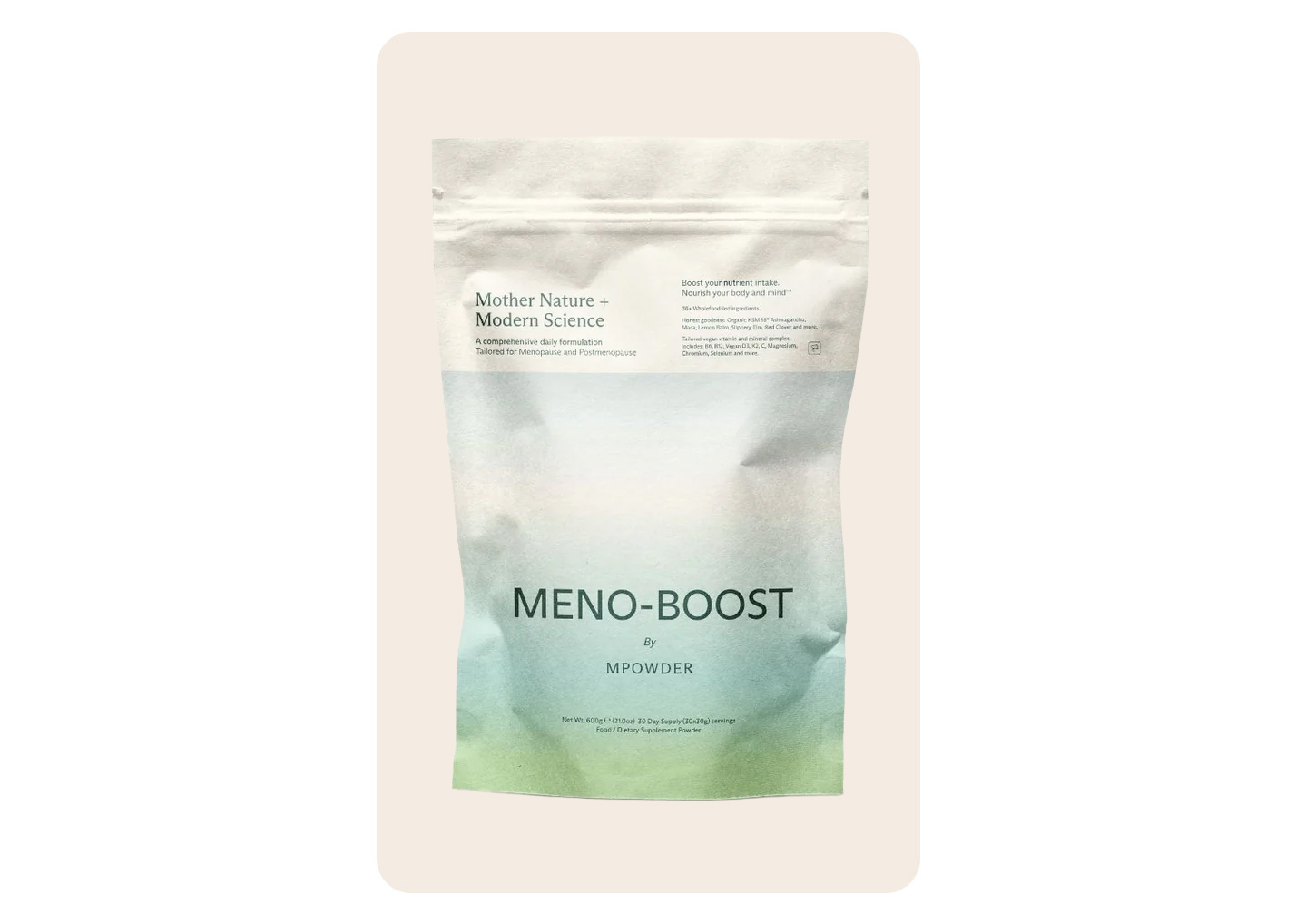
Dozens of highly-absorbable multivitamins, minerals, superfoods, adaptogens and isoflavones (avoid if you have a history of breast cancer or take HRT) that together target libido, hot flushes, weight, energy, sleep, anxiety, brain fog and even blood pressure and heart health. It comes as a powder that you turn into a daily chocolatey drink.
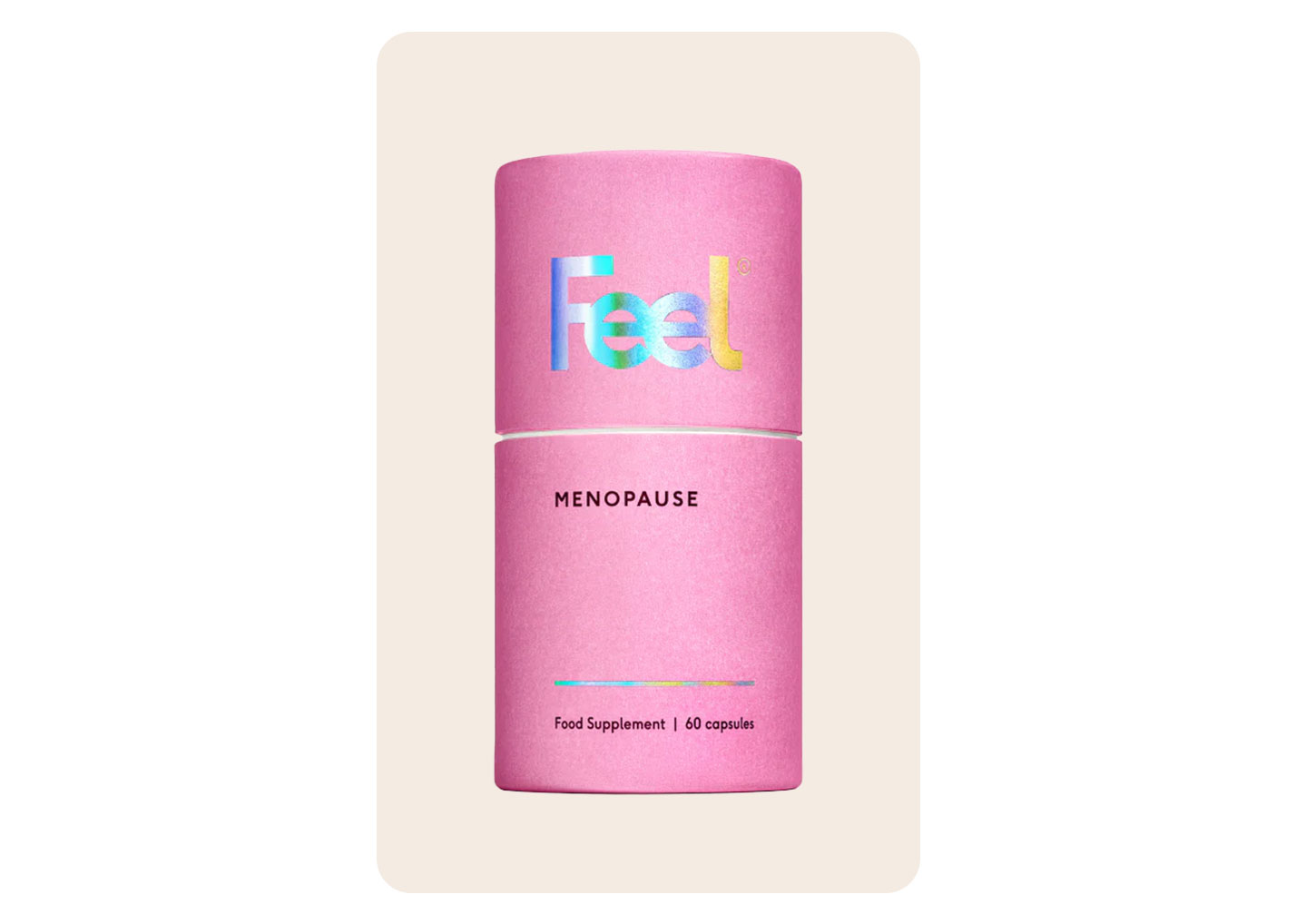
B vitamins, energising ginseng, hot flush-cooling sage, and dandelion, beetroot, broccoli and red clover extracts which are all thought to help balance hormones. Developed by a hormone specialist and menopause nutritionist, you can swallow the capsules or sprinkle their contents into a cold drink.
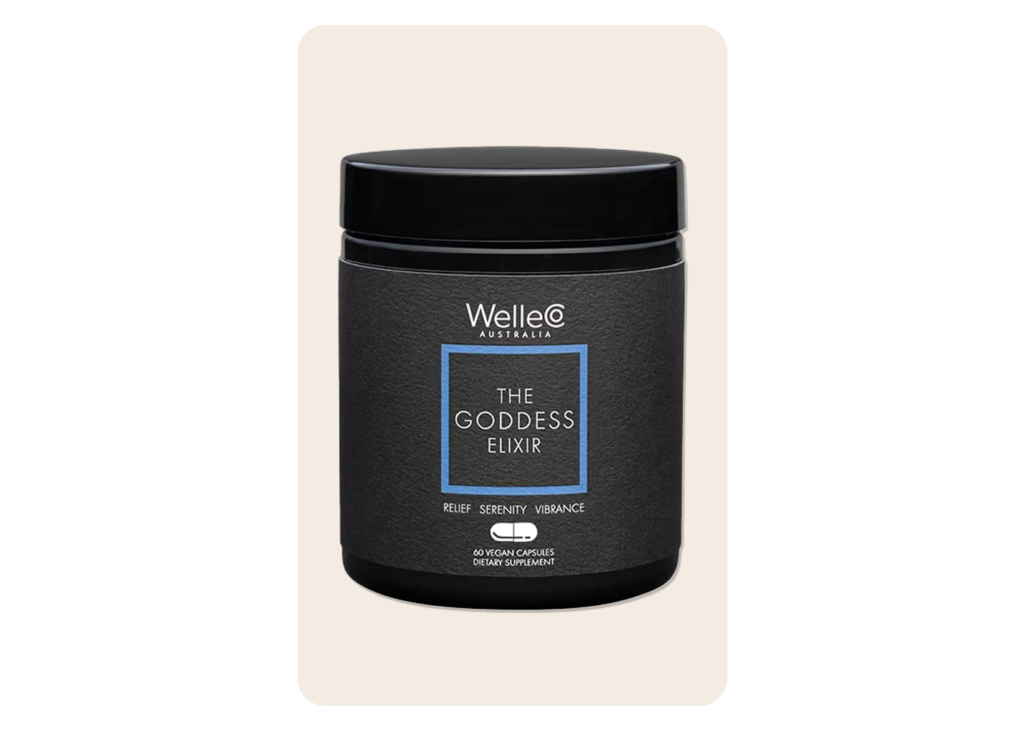
Powerful sources of vitamin C and ginseng to energise, B vitamins, magnesium, hops and progesterone-promoting agnus castus to calm and settle anxiety, and red clover to balance hormones from our columnist Elle Macpherson.
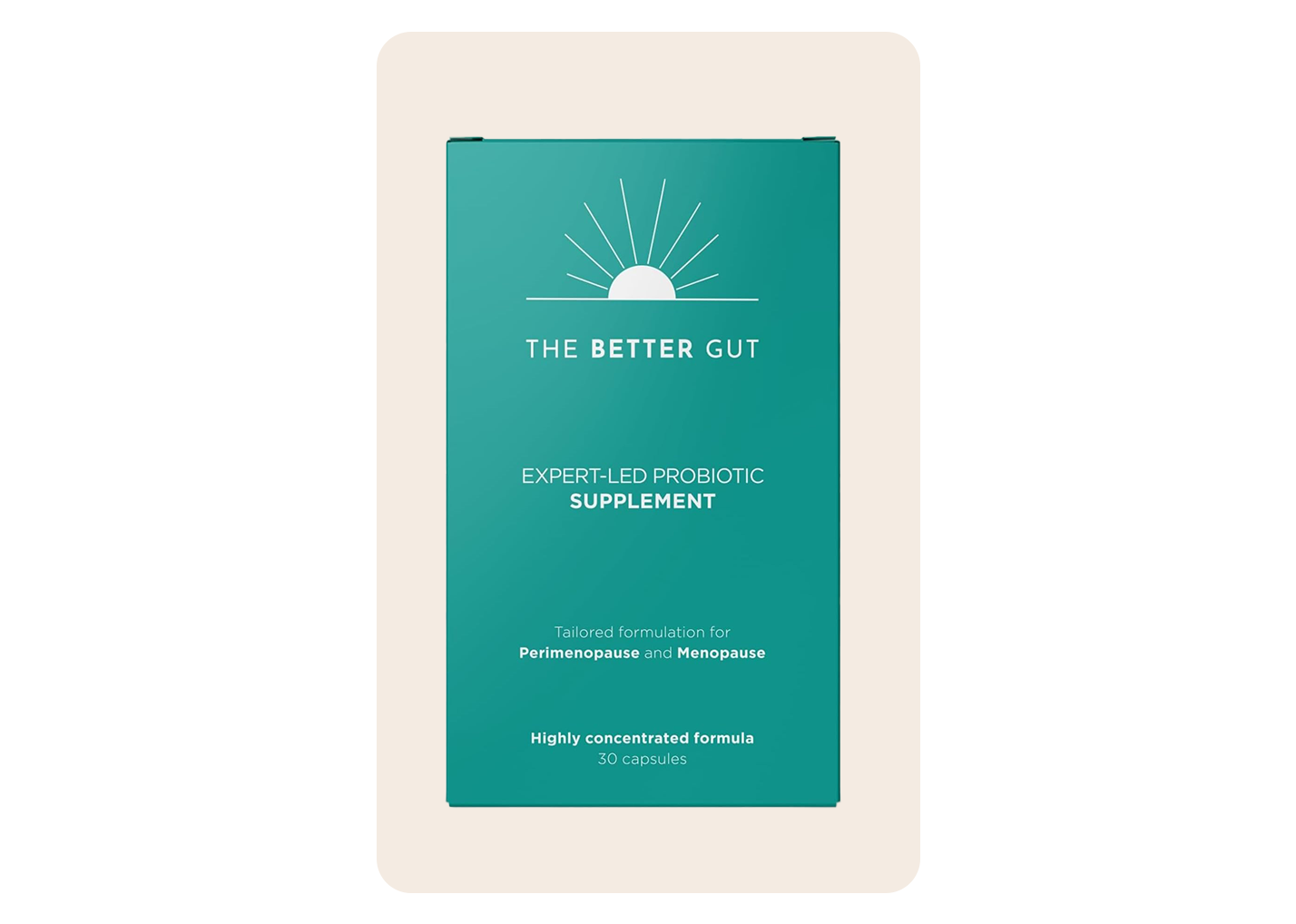 Scooping an impressive two golds in the Get The Gloss Wellness Awards, for Best Probiotic and Best Menopause Supplement, this nutritionist-formulated probiotic has six evidenced strains of bacteria shown to tackle menopause symptoms such as UTIs, mood, hot flushes and brain fog. Gut support is so key for healthy hormone balance and the high concentration of bacteria (50 CFU per capsule) hits the spot.
 An impressive combination of relaxers and mood calmers from magnesium glycinate to KSM-66 Ashwagandha, sage for hot flushes and 30mg of saffron extract has been shown to improve stress markers within 30 minutes and mood within two weeks.
 This two-part supplement combines a powder and a capsule and has digestive enzymes to help nutrient absorption and combat one of the most complained about menopause symptoms: bloating. The potent multi and probiotic powder makes a pleasant-tasting fruity drink with everything from ashwagandha to the highly researched soy isoflavone Genistein, sage and probiotics as well as all the usual vitamin C, and B vitamins and a hefty 500iu of vitamin D (so be sure not to double up with a separate D). The capsule gives you omegas from fish as well as vitamin E.
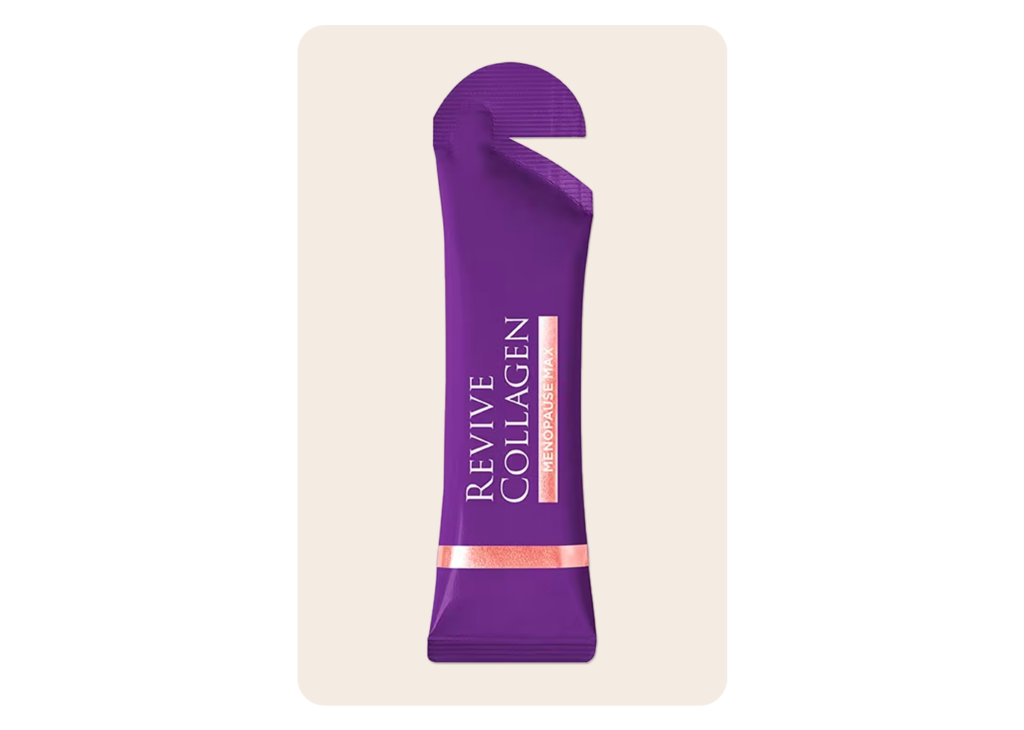
Of the brand’s three hydrolysed collagen drink supplements for menopause, this is the most potent one with the science-backed 10g of collagen peptides per daily serving. It comes alongside a multivitamin complex, reishi mushroom and ceramides to ensure it tackles menopausal symptoms as well as supporting skin, joints and bones.
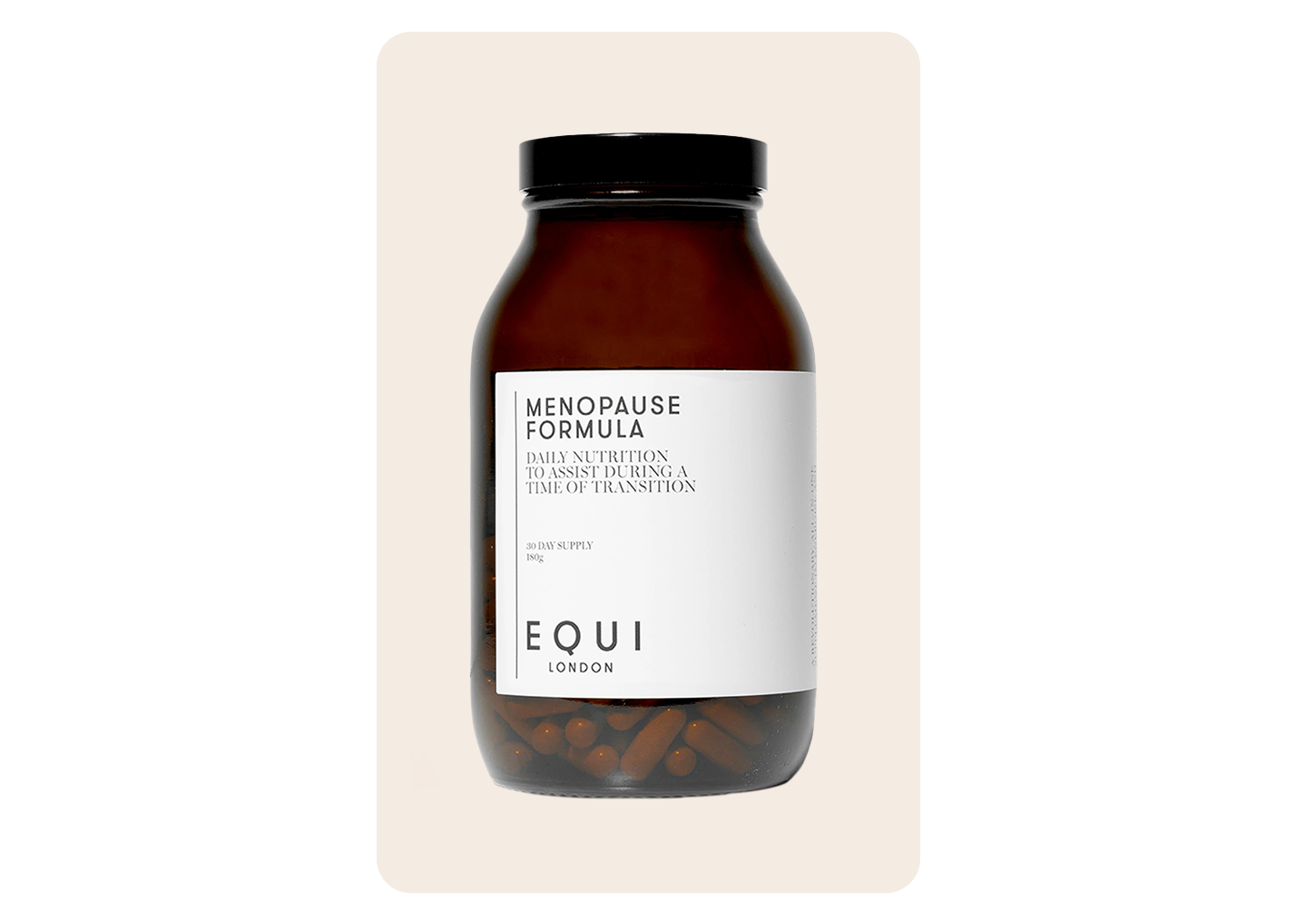 This nutritionist blend comes in a powder or capsule depending on your preference and is highly recommended by a fellow beauty and wellness editor in her mid-40s who told us it utterly transformed her perimenopausal symptoms of brain fog, poor sleep and lack of energy – and that she would never now be without it. This female-founded brand specialises in blends for every life stage and uses only high-quality bioavalable ingredients. No wonder it works!