Weighted vest: the bargain fitness accessory that optimizes your workout

Can wearing one really make you fitter and stronger, while burning more calories? Only one way to find out. Kerry Potter invests in a vest
It was on my regular Saturday morning runs along a local trail that I first noticed the trend: more and more of the walkers I passed were wearing weighted vests.
Then I saw an Instagram post from Liz Earle, the beauty and wellbeing entrepreneur, in which she goes for a stroll in a natty magenta one, explaining: “I love it as it adds extra resistance to my walks and workouts to help build up endurance.”
View this post on Instagram
Davina McCall, meanwhile, declares the weighted vest a key part of our “fitness toolkit” – she likes them so much, she’s created one (scroll down for more on that). And fitness influencer Kate Rowe-Ham is another advocate: “Whether you’re walking the dog, doing a workout, or folding laundry, a weighted vest can help you build strength,” she says.
View this post on Instagram
I’ve never met a fitness trend I didn’t like and this one requires pleasingly minimal outlay – you can pick up a weighted vest for about £20 (scroll down for my best buys) – so I decided to say yes to the vest.
But can you really boost your fitness, burn more calories and build muscle with this funny little waistcoat, I wonder? Or is it just a way of flexing on social media – letting the world know you’re a next level gym bunny? I put one to the test for a week – wearing it to walk, run, lift weights at the gym, play tennis and do far too many press-ups. I’m quite tired now.

The clue’s in the title. It’s a vest, typically available in 3, 5, 10, 20 or 30kg weight increments, that you put on over your top. The weight is either built into the vest or it has an adjustable design so you can add small weight pouches to the vest’s front (and sometimes back) pockets. They have adjustable buckles at the front, which you do up tightly so it fits close to the body.
Be warned, it can look worryingly like an explosive device. My PT – a beefy military veteran – had to stop running in built-up areas wearing his, due to, as he puts it, its “terrorist vibes”. Happily, this isn’t a problem I encounter, a 5’1″ woman stomping merrily along country lanes.
I try an entry level one – the Davina McCall 3kg Fitness Weighted Vest from Argos, a bargain at £22. She says,“You can use this bit of kit to do the housework, walk the dog or even add weight to your workout at the gym – all hands free.” It’s rendered in soft, comfortable neoprene and I like the grey/blue colour palette – most weighted vests are very masculine looking and only come in black. But no terrorist vibes here.
This is a commonly asked question as people try to work out which weight to go for. But rather than plucking a random number out of the air, you should aim for a vest that’s 5-10 percent of your body weight. 3kg is just over 5 percent of mine, so the Argos vest is perfect for me. If you weigh more than 60kg though, you’ll need a heavier one to maximise its benefits.
They sure are – they’re not just for showing off on socials. Wearing a weighted vest can boost your fitness and health in several ways.
@drmaryclaire If you are walking, throw on a weighted vest. And maybe dance a little. #menopause #perimenopause #womenover50 #thenewmenopause #perimenopausehealth #pauselife #osteoporosis ♬ Dance You Outta My Head – Cat Janice
One of the other PTs from my gym, Liam Louth, isn’t a big fan. “I wouldn’t use it for running,” he warns. “That sudden extra weight can break down your running mechanics. Making something harder isn’t always the answer. I would focus on running faster, doing an exercise to a higher standard or lifting a heavier weight – rather than wearing it.”
He’s right. I try to go for an easy 5km run wearing my weighted vest and abandon that plan just three minutes in, when my knees and feet start hurting. I feel like I’m wading through treacle.
I also quickly take it off after attempting to do a set of deadlifts in the gym. I find the extra weight at the front of my body confusing – it throws off my form. “You’re trying to do what you were doing before but you’re not used to that extra weight and your centre of gravity has changed,” says Dr Newman. “You’re more prone to injury and you’re putting stress on your joints.”
Rucking is basically going for a walk either wearing a weighted vest or weighted backpack. It’s big in the US and, although it’s something military personnel have done forever as part of their training, it’s been popularised in recent years by New York Times best-selling health and fitness writer Michael Easter, author of The Comfort Crisis, £18.37, who describes rucking as “cardio for people who hate running, lifting for people who hate the gym”.
Even though the term sounds rather macho, rucking is low impact and accessible to anyone who can walk, and you don’t need any special kit so it’s very inclusive. Indeed, my father-in-law would fill a backpack with weights, to carry on his daily walk, when he was well into his seventies.
There is some debate in the rucking world as to whether a vest or backpack is best. Easter says you can use either but having the weight on your back is better for your posture: “It pulls you back, it gives you a better stride and puts your back in a safer position.”
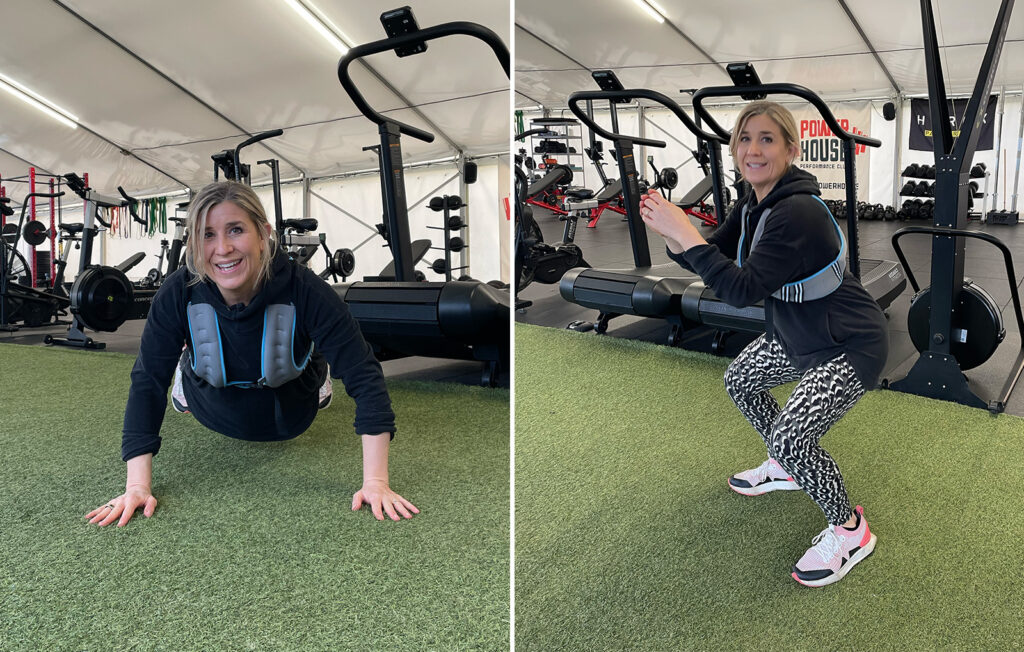
I hated running and weight training while wearing it, and it wasn’t great for tennis – it impeded my serve. But I can see the appeal of using it for body-weight exercises – for example, I find squats quite easy, but wearing the vest took things up a notch and I could feel the thigh burn for a change.
But I think a weighted vest is best for walking (or rucking, but I’m not American enough to call it that). On the days when I only have time for a quick 20-minute stroll on my lunchbreak, wearing the vest optimizes the fitness benefits of that walk. My Oura health tracker ring measures my normal walks as “moderate” exercise, by tracking my heart rate increase, but when I walk wearing the vest, I push into the ‘hard’ intensity category each time. I also wear it to clean the house and do other chores – if I’m going to do something boring, I may as well make it as beneficial to my health as possible. I forget I have it on after a while.
On balance, I’m sold – although you do have to put up with constantly being asked what you are wearing and things get a bit sweaty in the summer. But it’s a cheap, accessible, low effort way to improve your strength and fitness.
Fancy trying one out? Here are the ones we rate.
The starter vest
Argos Davina McCall 3kg Fitness Weighted Vest, £22
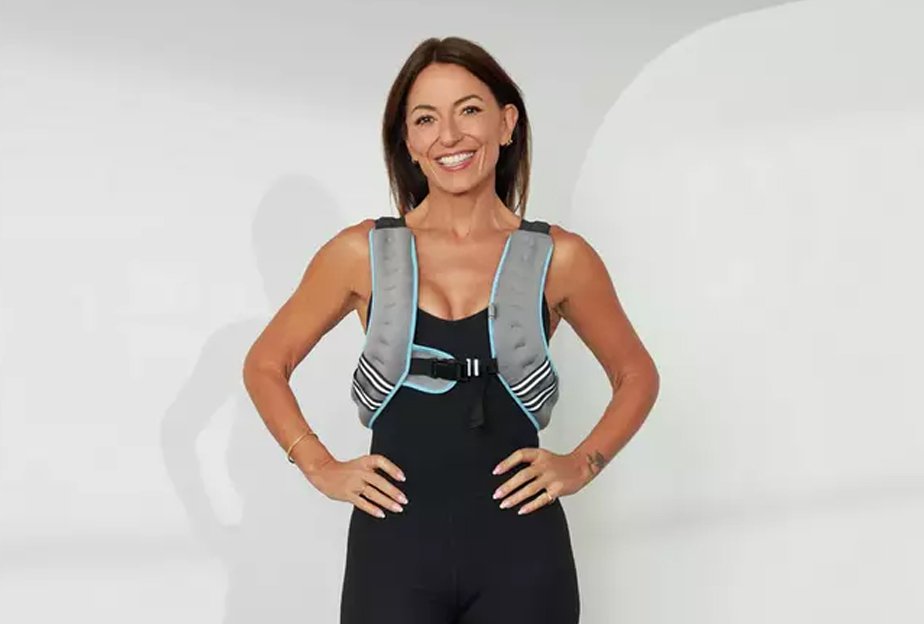
I couldn’t fault this one. It was the cheapest one I could find and did the job perfectly. You can’t add any more weight to it though, so do your sums and work out whether it’s the right weight for you before you buy.
SHOPThe adjustable one
Decathlon Corength Adjustable Weighted Vest, £24.99
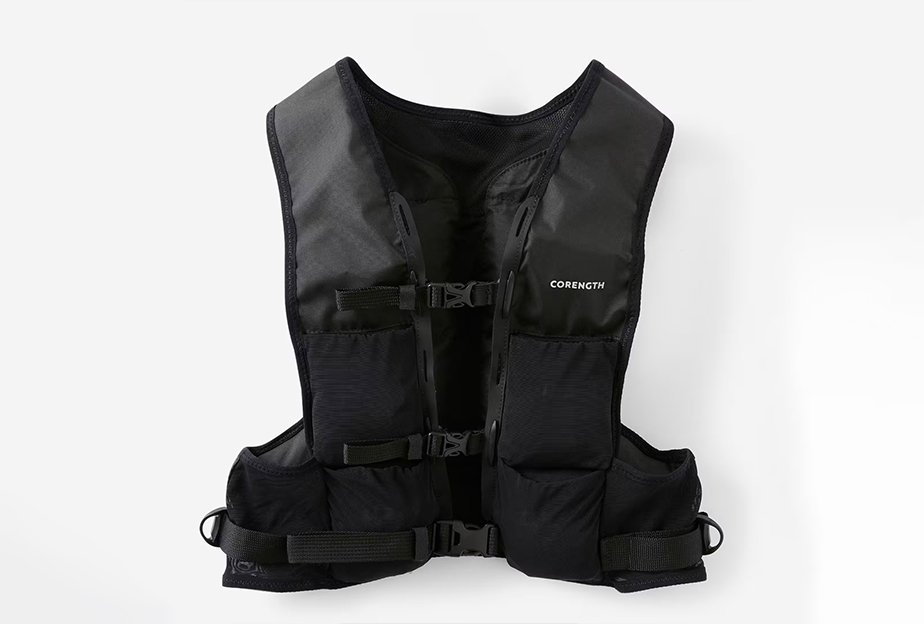
I also tried this one but at 5kg, it was slightly too heavy for me. My husband wore it all week though and liked the fact he could adjust the weight, depending on what kind of exercise he was doing. You can add weight to the back as well as the front, to keep things balanced. Again, it’s well priced.
SHOPThe fitness influencer favourite
Mirafit Adjustable Weighted Vest, from £49.95
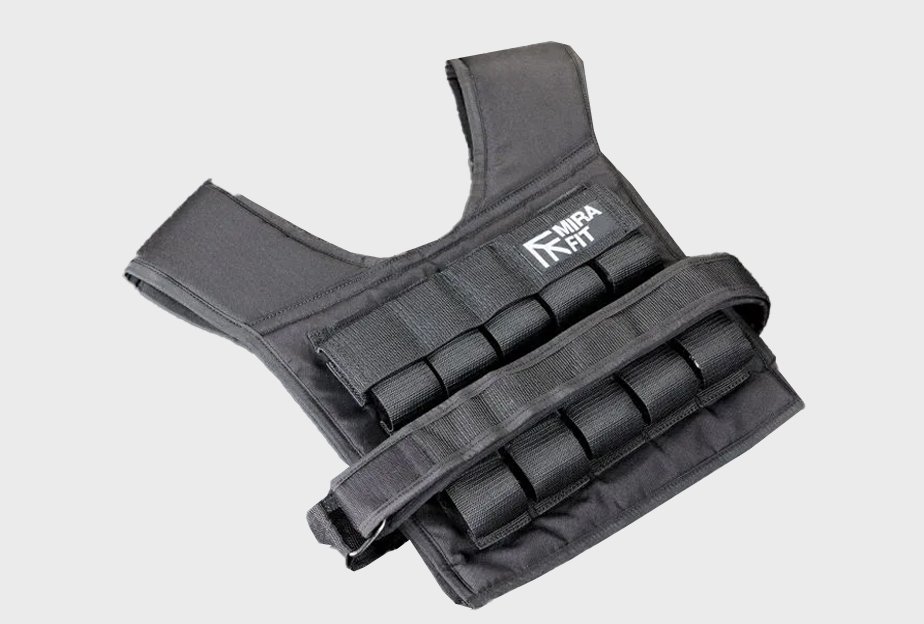
This is Kate Rowe-Ham’s vest of choice. It comes in 10, 20 and 30kg options and is loaded with removable 1kg iron blocks. This means you can adjust the weight to your needs, making it heavier as you get used to it.
SHOPThe one for keen walkers
Proiron Weighted Vest, from £27.53
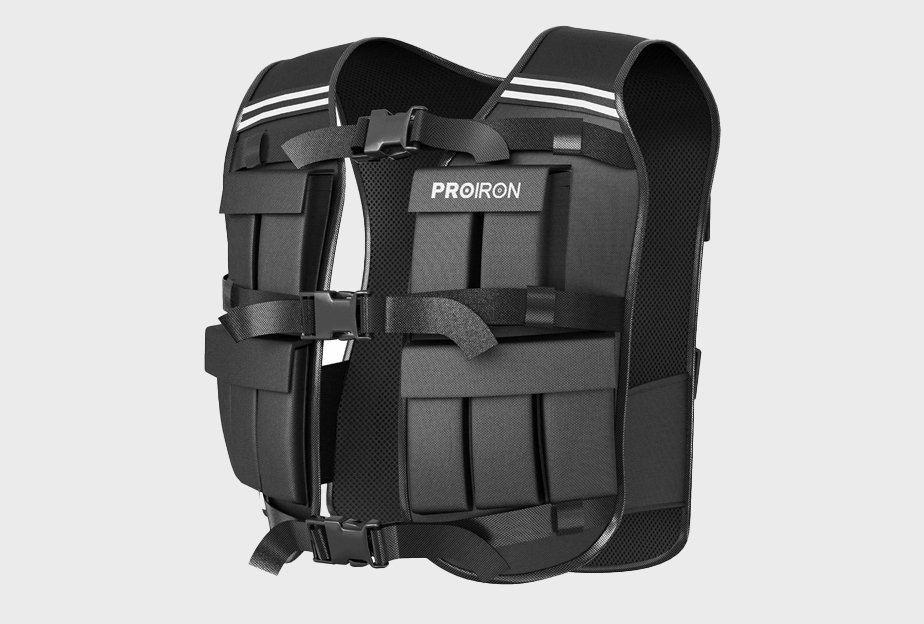
This one is super comfortable, comes in four different weights (3, 5, 8 and 10kg) and has a reflective design so will keep you safe if you’re walking in low light or bad weather.
SHOPThe hardcore option
Force Fit Green Camo Weighted Vest, £109.99
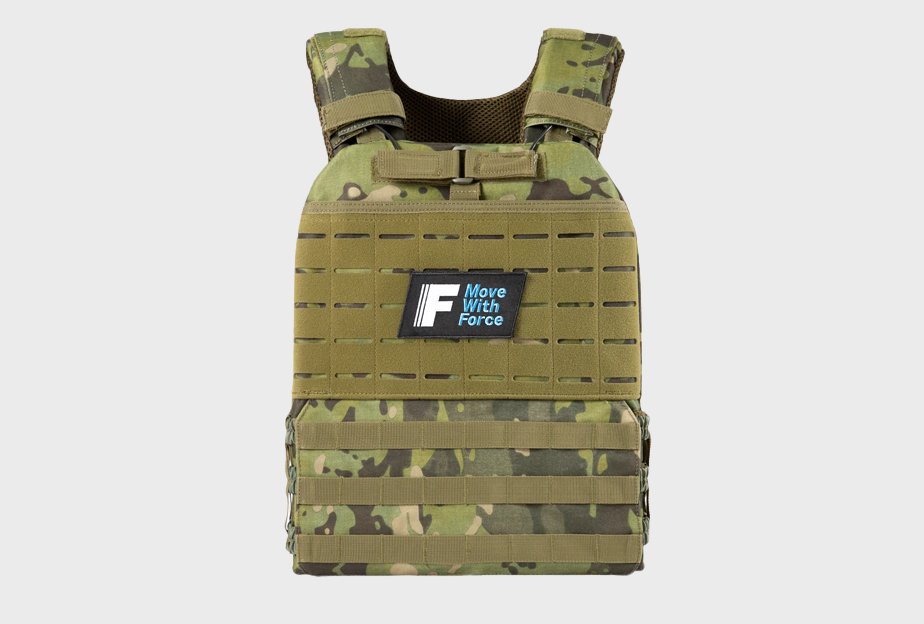
Rucking specialists Force Fit do this high-quality design in 7, 10, 15 or 20kg – it’s a good brand to look at if you’re getting really into using a weighted vest. Don’t be scared by all the beefcake blokes on the website, this one is adjustable to fit all frames. And the camo design means you can pretend you’re in the army while you’re on the school run.
SHOP