Pregnancy skincare: this beauty editor knows exactly what to use – and what to avoid

Beauty editor and mum-to-be Lisa Oxenham shares her pregnancy skincare survival guide, including what to use – and what to avoid
As a beauty editor going through pregnancy – and doing it solo at the age of 49 – I’ve had to rethink everything I thought I knew about skincare. Normally, I might have reached for more intensive or active formulas: high-strength exfoliants, rich creams, and potent products designed to boost brightness and skin texture overnight. But those are the very things I’ve had to put aside because during pregnancy, my skin just can not tolerate them.
The hormonal shifts hit fast: pigmentation, jawline breakouts, dry patches, and a surge in sensitivity. Some of the products I’d previously trusted – even ones I assumed were gentle – suddenly triggered reactions. It surprised me, because I’d always considered them skin-friendly. But pregnancy has shown me that even well-formulated products can overwhelm skin when the barrier is compromised.
So I’ve stripped everything right back. Pregnancy skin is like its own microclimate – one day glowing, the next flaring up over something I’ve used for years. Even certain foods can make a difference. I also have new patches of pigmentation so SPF is now a daily, year-round essential.
My focus has shifted: instead of chasing brightness or fine-line smoothing, I’ve moved towards managing unpredictability – supporting my skin rather than trying to control it. That’s meant fewer steps, gentler formulas, and an emphasis on barrier care.
I’ve always believed skincare is about more than what we apply – it’s also how we live. During pregnancy, that’s even more true. Sleep, nutrition, rest – they’re as important as serums. But when hormones take over, even the best routines can unravel.
This time has been a lesson in listening: to my body, to my skin, and to what it really needs. With expert advice and a simplified routine, I’ve found a rhythm – one that’s not only helped my skin stay calm, but has also helped me feel more connected to this wild, beautiful transformation.

Before my bump was visible, I noticed sudden sensitivity to favourite products, breakouts along my jawline and pigmentation spreading across my cheeks.
Hormonal fluctuations can lead to more sebum (causing breakouts), weaken the skin barrier (causing dryness and reactivity), and stimulate pigment cells (causing melasma).
Consultant dermatologist Dr Justine Hextall explains: “During pregnancy, levels of oestrogen, progesterone and melanocyte-stimulating hormone increase, and these fluctuations can trigger pigmentation, breakouts and increased skin sensitivity. As skin permeability rises, it becomes even more important to simplify your routine and focus on barrier-supportive ingredients.”
Some ingredients are best avoided during pregnancy due to potential risks. Retinoids – including retinol and tretinoin – are well known for their anti-ageing benefits, but because oral versions are linked to birth defects, most dermatologists, including Dr Justine Hextall, advise avoiding them altogether in pregnancy, even in topical form. It’s a cautious approach, but one that feels right given the lack of definitive safety data.
I also found that high-strength exfoliating acids, like glycolic or salicylic acid, became far too irritating for my skin during pregnancy. Although salicylic acid is generally considered safe at low concentrations (2 per cent or under), I noticed more sensitivity and flushing. I’ve since switched to gentler options like polyhydroxy acids (PHAs) and lactic acid, which help with texture and radiance without compromising my skin barrier.
Because my skin is more reactive – and more permeable – I’ve also become more cautious about the chemicals I’m putting on it. I’ve learned that many common skincare ingredients can act as endocrine-disrupting chemicals (EDCs), which means they have the potential to interfere with the body’s natural hormone function. That can be especially concerning in pregnancy, when your body is already hormonally overloaded and doing complex, delicate work.
The most common endocrine-disrupting chemicals (EDCs) found in beauty products include oxybenzone (a chemical sunscreen filter) and triclosan, an antibacterial that’s now largely phased out of hand soaps and skincare, but can still be found in some toothpastes and acne treatments, particularly from older stock or less regulated markets. Phthalates, which are plasticisers often used to stabilise synthetic fragrance or improve texture, also fall into this category, along with certain parabens, commonly used as preservatives.
I’ve become more conscious of these ingredients not just for my own health, but because some EDCs have been shown to cross the placenta, which raises concerns about potential impacts on foetal development. While research is still ongoing, and many products are safe in small amounts, the precautionary approach feels right during pregnancy – especially with skin being more permeable and reactive.
I stick to mineral sunscreens, fragrance-free or low-fragrance formulas, and barrier-supportive ingredients like ceramides, squalane, and vitamin C. That said, I do use a few products that contain fragrance, which is perfumed but not with “parfum” – and formulated without phthalates, which are typically the bigger concern in fragrance when it comes to hormone disruption. It’s a nuanced area, and not all fragrance is equal – but I always err on the side of transparency and trust in formulation.
Essential oils are another area where I’ve had to be more mindful. Not all are unsafe, but some – like rosemary, clary sage, and tea tree – have been linked to hormonal effects or, in higher concentrations, potential uterine stimulation. I now avoid them unless I’m completely confident in the formulation.
Melasma is one of the most common pigmentation concerns during pregnancy. It’s triggered by rising levels of MSH (melanocyte-stimulating hormone), which is responsible for increasing melanin production in the skin. Combined with elevated oestrogen and progesterone, this hormonal surge can lead to uneven skin tone – most often appearing as brown or greyish patches across the cheeks, forehead, and upper lip. It’s incredibly common in pregnancy, especially when combined with sun exposure, which acts as a major trigger.
Because I’m due in August, I’ve been especially conscious of this. Summer sun can make melasma worse – even minimal incidental exposure can intensify pigmentation. That’s why broad-spectrum sun protection is completely non-negotiable – not just on holiday or in direct sun, but every single day, all year round. I stick to SPF 50, ideally mineral-based, as it offers immediate UVA/UVB protection and is less likely to irritate reactive skin.
To treat and manage melasma gently, I use azelaic acid – a naturally derived ingredient from grains like barley and wheat. It’s one of the few clinically proven, pregnancy-safe ingredients for pigmentation. Azelaic acid works by reducing inflammation, inhibiting melanin production, and helping to even out skin tone without causing irritation. It’s been a go-to for calming hormonal flare-ups too.
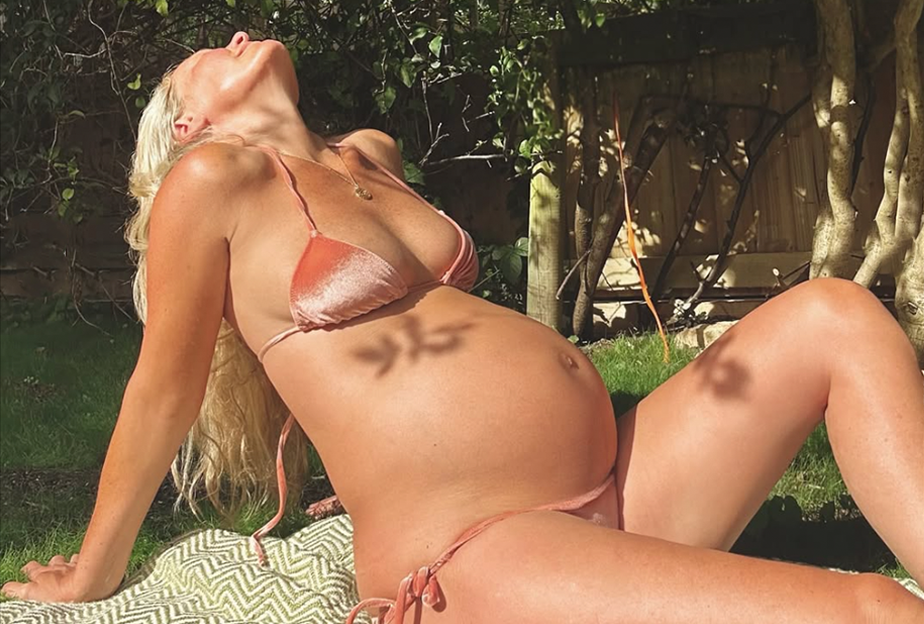
As for pregnancy acne, that’s often driven by progesterone, which spikes during pregnancy and increases sebum production. More oil means more clogged pores – and for me, that’s shown up as hormonal breakouts, especially around the jawline. I’ve taken a preventative approach: using gentle cleansers and polyhydroxy acids (PHAs) for non-irritating exfoliation. These give a mild resurfacing effect without compromising the skin barrier – which is especially important when skin is already feeling reactive or unpredictable.
Dryness is incredibly common during pregnancy, partly because fluid is being redirected to support the baby, and also because your body is producing almost double the blood volume. While this extra blood nourishes the uterus and placenta, it also shifts hydration away from the skin. At the same time, hormonal changes – particularly increases in oestrogen – can disrupt the skin’s natural oil production, weakening the lipid barrier. That barrier is what helps skin retain moisture, so when it’s compromised, it leads to increased trans-epidermal water loss (TEWL) – in other words, your skin starts losing hydration faster than it can hold onto it.
To combat this, I focus on layering: starting with humectants like hyaluronic acid or glycerin, which draw moisture into the skin from the environment or deeper layers, and then sealing it in with emollients like squalane and ceramides. These help replenish the skin’s lipid layer and reinforce the barrier, making skin feel more hydrated, elastic, and less prone to tightness, flaking or irritation.
I’ve also avoided foaming cleansers, which often contain sulfates or harsh surfactants. These ingredients create that satisfying lather, but they also strip away natural oils – something your skin simply can’t afford to lose when it’s already dry and delicate. A weakened barrier can take longer to recover during pregnancy, so sticking with cream or balm cleansers is much kinder.
And I steer clear of products with heavy fragrance, which can become sensitising when your skin is already more reactive and permeable – a common effect of hormonal changes. During pregnancy, blood vessels dilate more easily, and skin becomes more vulnerable to external irritants. That means even products you previously tolerated well might now trigger redness, stinging, or inflammation, particularly if they’re heavily fragranced or essential-oil based.
Ultimately, pregnancy skincare is about balance. It’s about respecting what your skin is going through, giving it what it needs, and letting go of the urge to overdo it. You don’t need a complex routine or powerful actives right now. Gentle, supportive care is not only enough – it’s often exactly what your skin is asking for.

Best serum supporting the microbiome
320MHz Age-Repair Sleep Elixir Face Serum Concentrate, £84
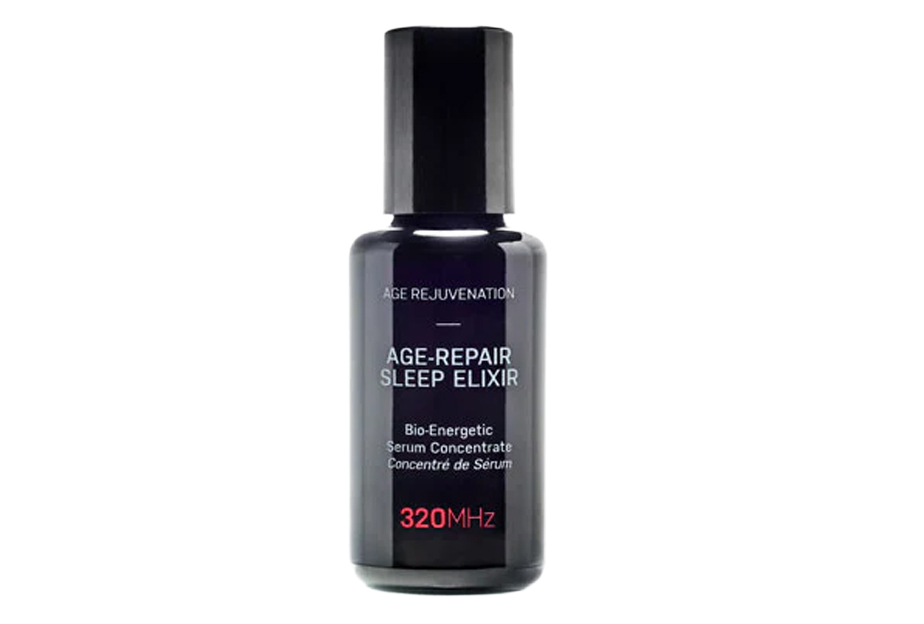
This is a restorative night-time elixir crafted with plant-based actives to support the skin’s microbiome while you sleep. Infused with regenerative ingredients like rock samphire (a natural cell-turnover booster), organic neroli, and rose otto essential oils, it restores elasticity, hydration, and glow. It’s lightweight and ideal for mature or sensitive skin types. My skin always feels smoother and more plump in the morning after using this at night. The formula also avoids harsh preservatives and additives, making it microbiome-friendly. This is one of my favourite skin-loving brands – I’ve used it throughout my pregnancy.
Buy nowBest overnight reset moisturiser
Skin Diligent Night Cream, £83
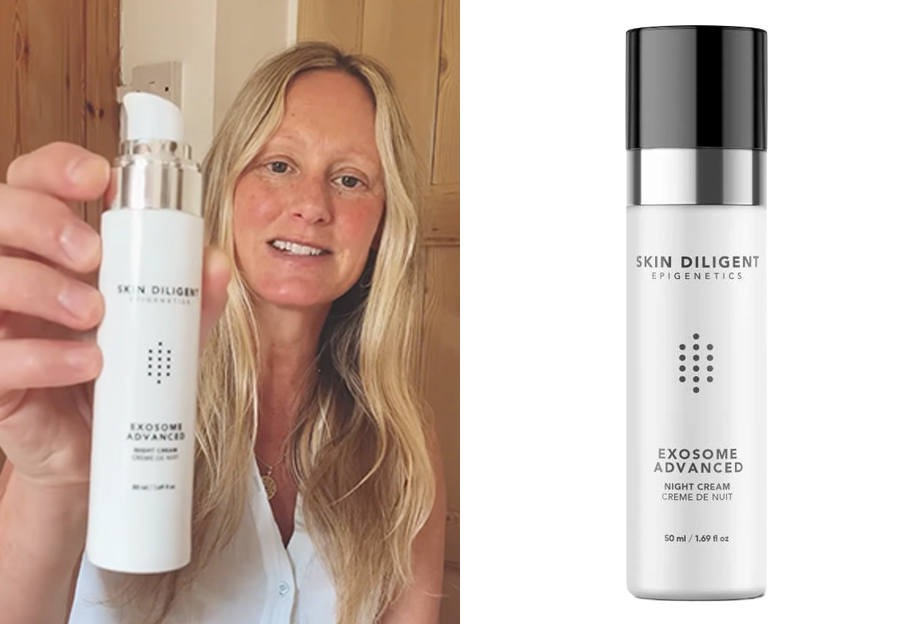
This night cream doesn’t overload skin – it teaches it to function better. Formulated with biomimetic lipids, vitamins, and prebiotics, it strengthens the skin barrier while gently encouraging natural regeneration. It’s especially good if your skin feels out of balance: dry in places, oily in others, or just generally reactive. I found it particularly helpful during the hormonal fluctuations at the start of my pregnancy, when my skin was unpredictable and hard to read. It’s deeply moisturising yet light, and leaves skin soft and supple.
Buy nowBest eye treatment
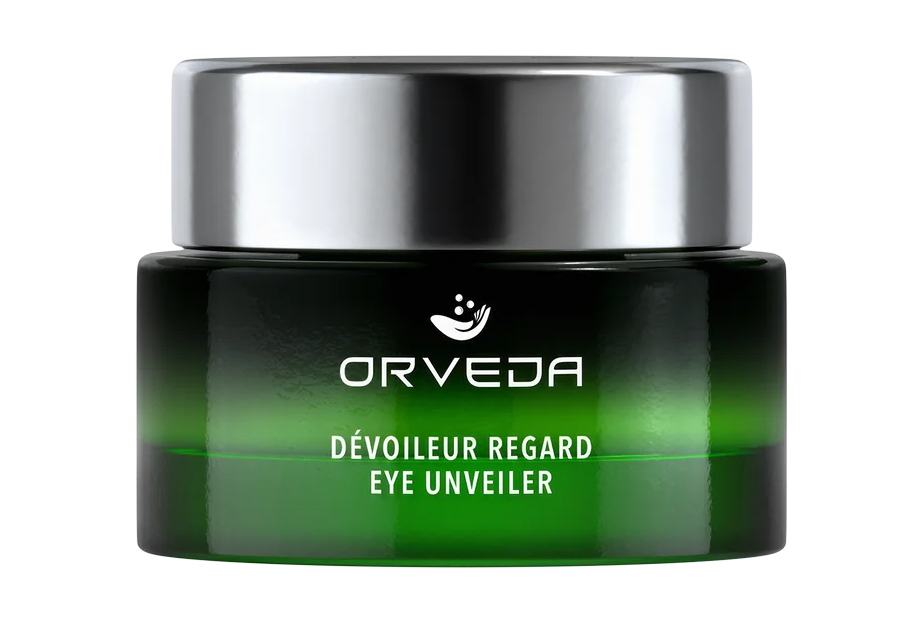
When I became more mindful about fragrance and essential oils, I turned to this eye treatment. It’s fragrance-free and has a silky, serum-cream texture that absorbs fast – perfect for skin that feels more reactive or tired. Lately, I haven’t been sleeping that well – I blame the hormones – and it shows around my eyes. This has been my go-to for mornings when I need help. With bio-fermented kombucha, marine enzymes, and botanical glycans, it helps de-puff, brighten and hydrate without overwhelming the delicate eye area.
Buy nowBest cream for ultra-sensitive skin
Weleda Almond Soothing Facial Cream, £15.95
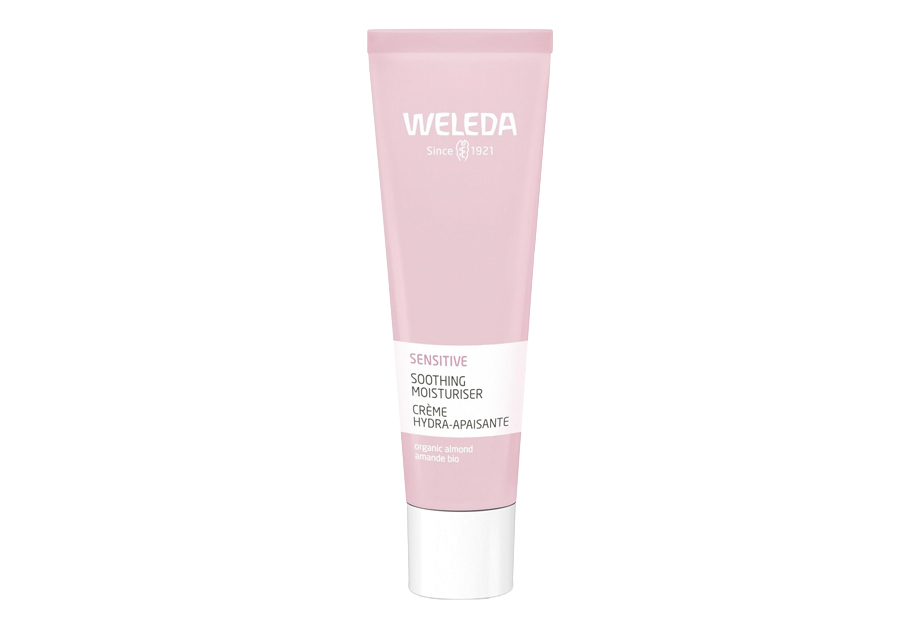
When my skin felt unpredictable this was the one cream that always brought it back into balance. With organic almond oil and minimal ingredients, it’s designed for ultra-sensitive skin and has been a calming essential throughout my pregnancy. It’s fragrance-free, silky to apply, and gives long-lasting hydration without heaviness or shine. I love that it supports the skin’s barrier rather than overloading it.
Buy nowBest face oil
Tropic Elixir Radiance-Boosting Omega Oil, £30
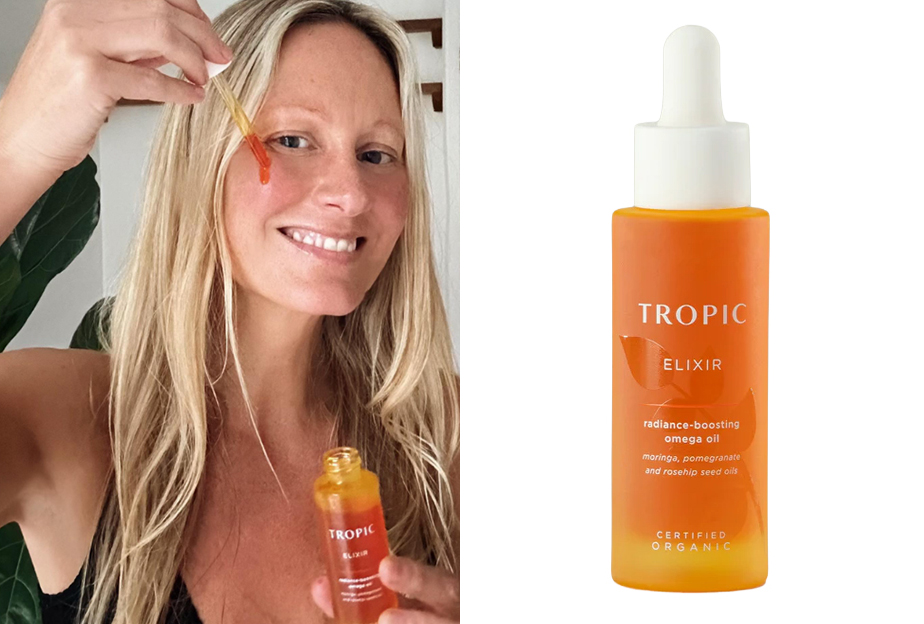
This deeply replenishing oil has been a constant in my routine throughout pregnancy. Rich in omegas 3, 6 and 9, it’s like nutritional therapy for the skin – helping to restore bounce, soothe irritation, and bring back that elusive glow. The golden formula melts in without residue and instantly makes skin feel more supple. It’s packed with antioxidants, and has become one of my favourite ways to end the day.
Buy nowBest for high-performance sun protection
Emma Lewisham Sunceutical SPF 50 Mineral Face Creme, £46
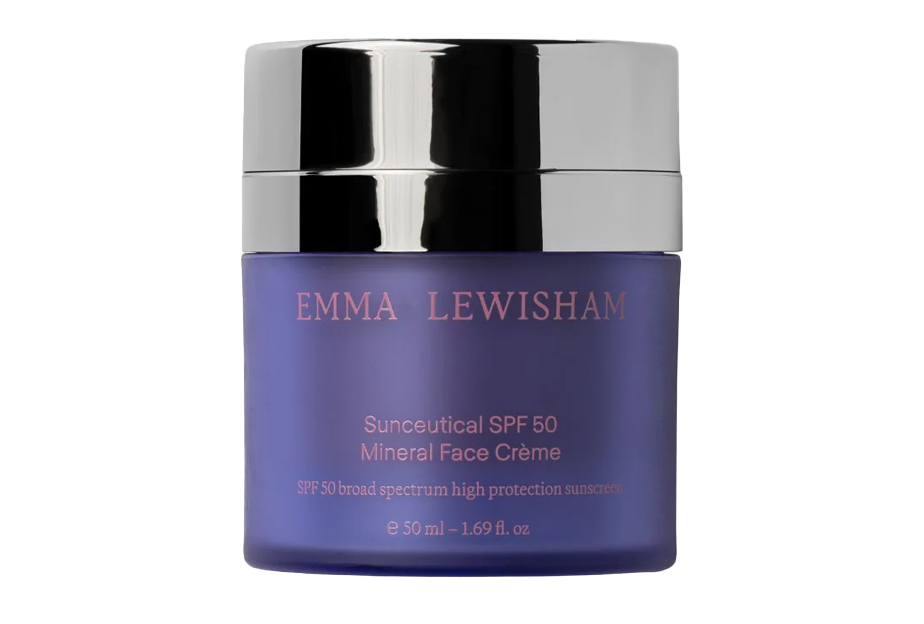
This luxe mineral SPF doubles as advanced skincare – perfect for pregnancy when sun protection and gentle efficacy are non-negotiable. Formulated with 20 per cent zinc oxide, niacinamide and peptides, it offers broad-spectrum UVA/UVB defence, hydration, barrier support, and skin-brightening benefits. Non-whitening, it sinks in with a satin finish. I rely on it daily to protect against pigmentation risk during pregnancy.
Buy nowBest for pigmentation and breakouts
The Ordinary Azelaic Acid Suspension 10 per cent, £11.83
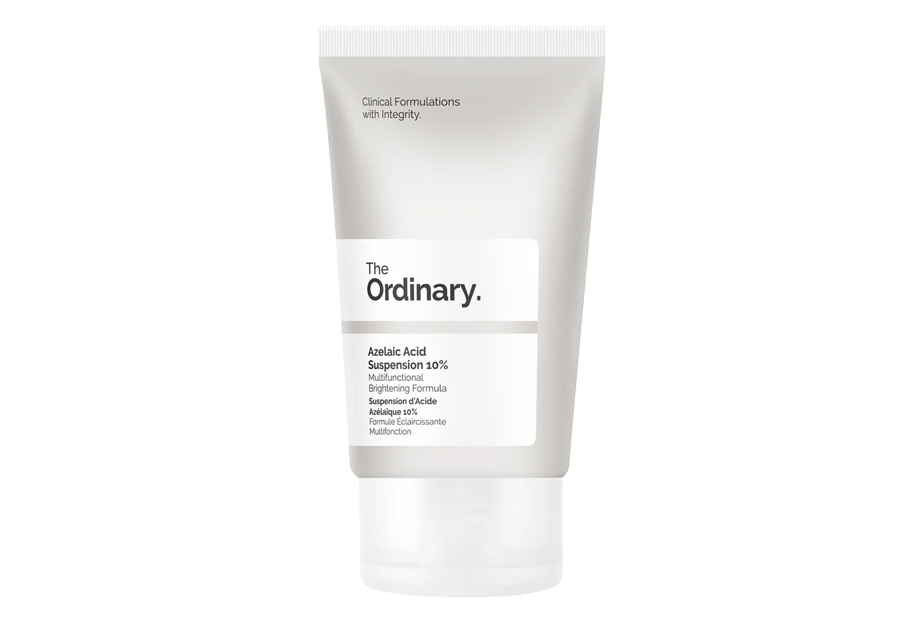
Gentle, effective and pregnancy-safe, this multitasking treatment is a quiet hero for hormonally reactive skin. Azelaic acid is one of the few actives backed by science and considered safe to use during pregnancy – and this budget-friendly formula helps tackle pigmentation, redness and breakouts without irritation. It has a silky, mousse-like texture that smooths on easily and helps calm inflammation over time. I’ve used this consistently to keep hormonal chin flare-ups at bay and soften melasma patches on my cheeks. No frills, but good results – this is one of the few actives I’ve kept in my routine throughout.
Buy nowBest for ultra-gentle cleansing
Pai Middlemist Seven Gentle Cream Cleanser, £34
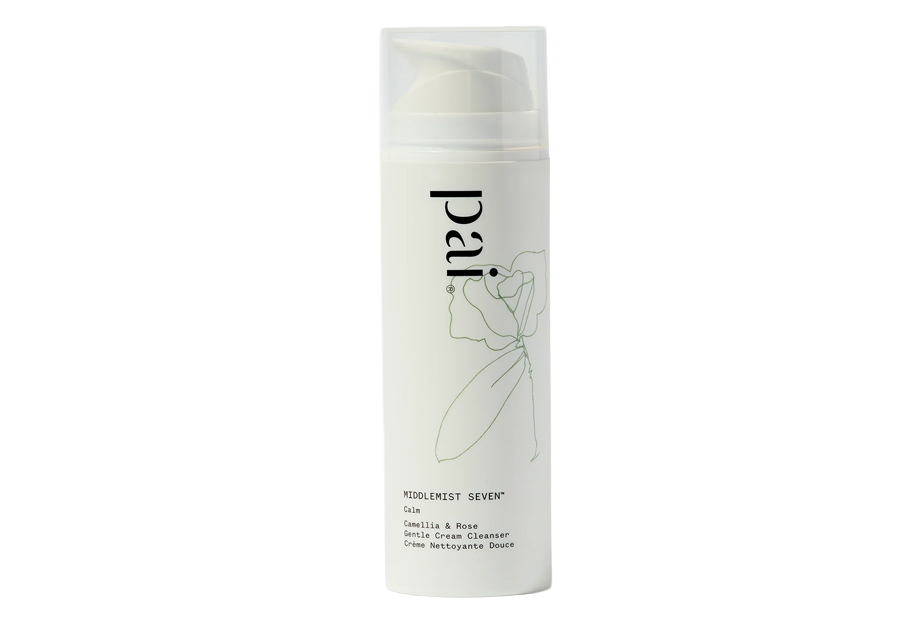
This soothing, detergent-free cream cleanser is perfect for sensitive, reactive, pregnancy skin. Packed with camellia, rose and shea butter, it cleanses without disturbing skin’s natural pH or barrier function. It removes light makeup effortlessly, rinsing off with a soft muslin cloth for a calming ritual.
Buy nowBest for barrier repair with squalane
Biossance Squalane and Omega Repair Cream, £46
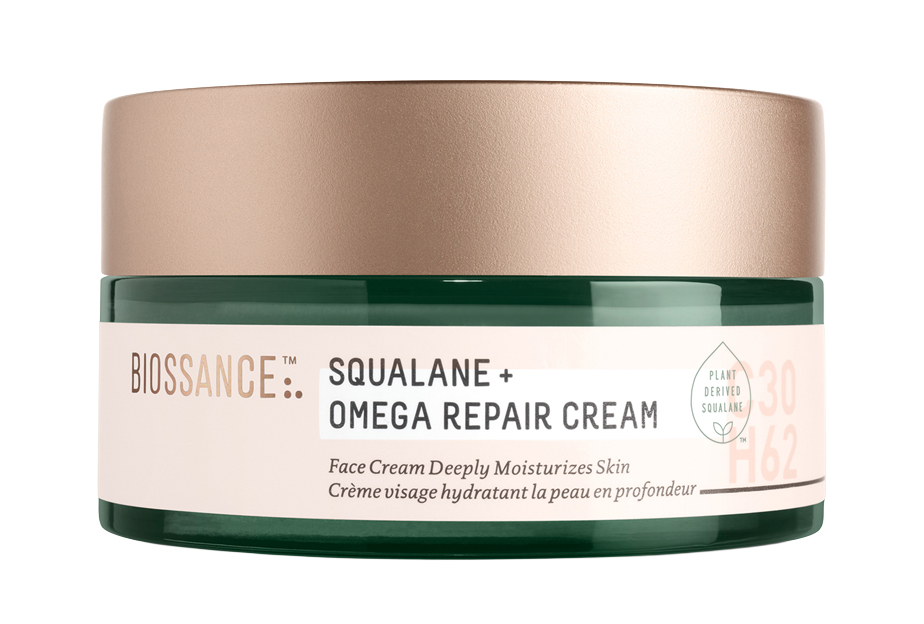
A deeply nourishing moisturiser that blends plant-derived squalane with omega-rich botanicals – shea, evening primrose, avocado oils and omega-3, 6 and 9 – to restore hydration and build resilience. Its whipped, non-greasy texture absorbs quickly, calming tightness without clogging. Ideal for sensitive or reactive skin, this cream supports barrier health, locks in moisture, and reduces redness and discomfort.
Buy nowBest electrolyte for hydration
Ancient And Brave True Hydration Daily Replenishing Powder, £32 for 30 servings
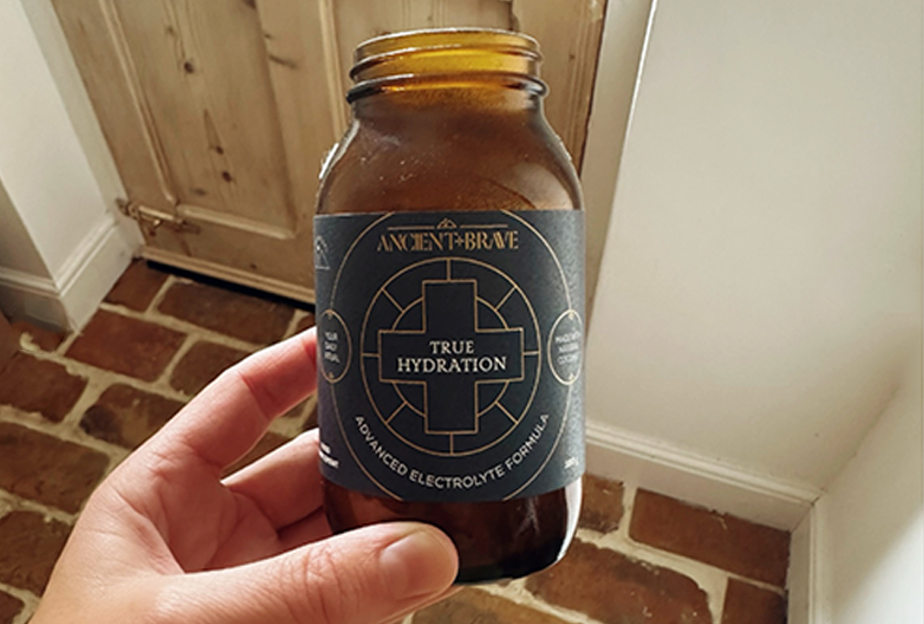
This clever hydration booster works from within, essential during pregnancy when hydration needs are higher. Simply stir the mineral-rich powder into water each morning; it combines sea greens, adaptogenic herbs, hyaluronic acid, electrolytes, and skin-plumping amino acids to support hydration balance throughout the day. It’s become my morning ritual during pregnancy – especially on dry, bloated, or uncomfortable days.
Buy nowBest for fine lines
Medik8 Hydr8 B5 Liquid Rehydration Serum, £45
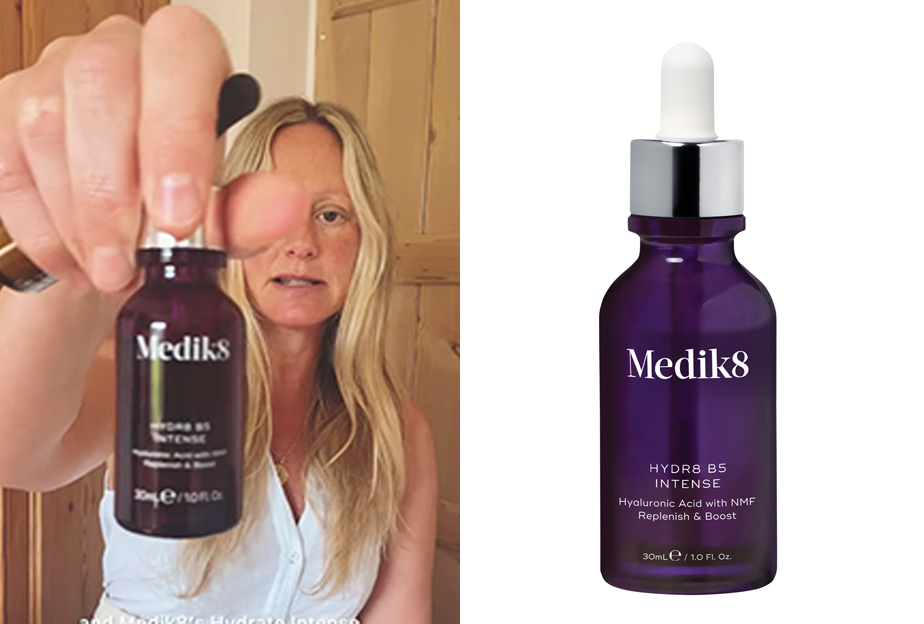
This powerhouse serum delivers multi-weight hyaluronic acid – small, medium, and large molecules – to hydrate across all skin layers, from surface plumping to deeper moisturisation. Lightweight, non-greasy, and suitable for sensitive or pregnancy-affected skin, it’s clinically proven to boost hydration and smooth fine lines. With added vitamin B5, it supports moisture retention and barrier repair. I’ve layered it under creams throughout my third trimester and noticed my skin feels plumper, more elastic, and consistently calm.
Buy nowBest mist for skin-strengthening hydration
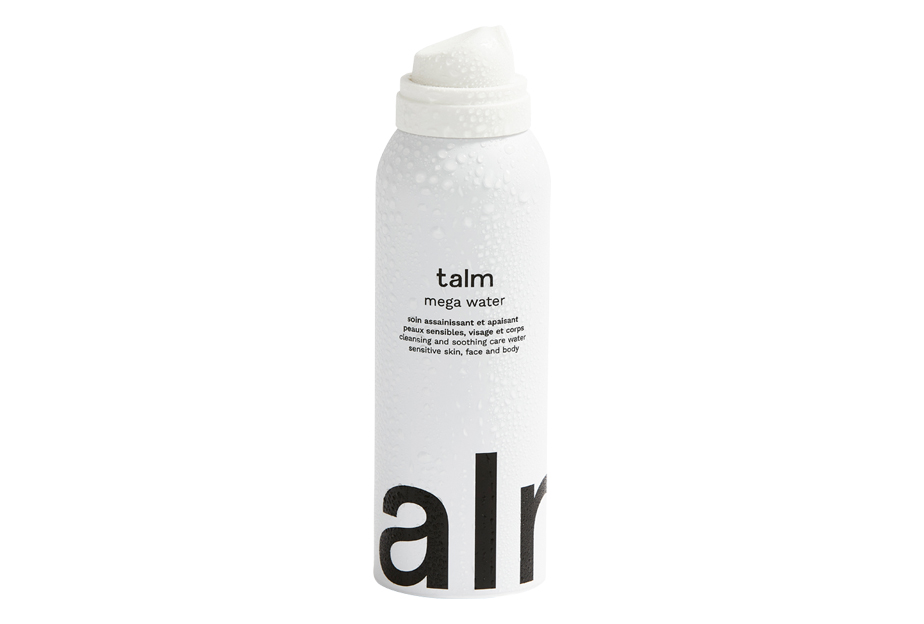
This clever mist has been revolutionary throughout my pregnancy. When my skin has felt tight, sensitive or completely unpredictable, Mega Water has brought instant relief – and lasting hydration. It’s packed with organic aloe vera, hyaluronic acid and a post biotic to strengthen the skin barrier and help lock in moisture. I mist it on after cleansing and before moisturiser for a soothing layer that helps everything else absorb better. I keep it in the fridge – on hot days, it’s a cooling skin-saver. Cosmos-certified organic, fragrance-free and designed specifically for pregnancy and postpartum, it’s become a non-negotiable.
Buy nowBest serum for visible glow
L’Occitane Immortelle Overnight Reset Serum, £62
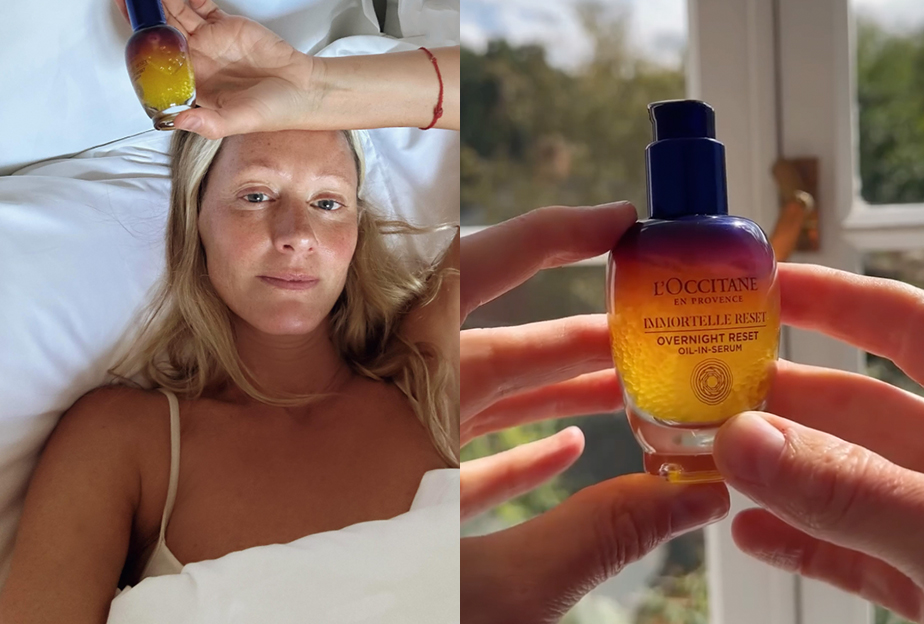
This retinoid-free serum is rich in antioxidants and known for its soothing, tissue-renewing effects – blended with lavender and frankincense. It safely supports skin renewal without using exfoliating acids, making it ideal for pregnancy when sensitivity is heightened. The lightweight texture sinks in at night, gently boosting radiance and smoothing skin so you wake up fresh-faced. It’s one of the few products that delivers visible glow instantly.
Buy nowBest for barrier rescue
Wildsmith Ceramide Lipid Repair Balm, £30
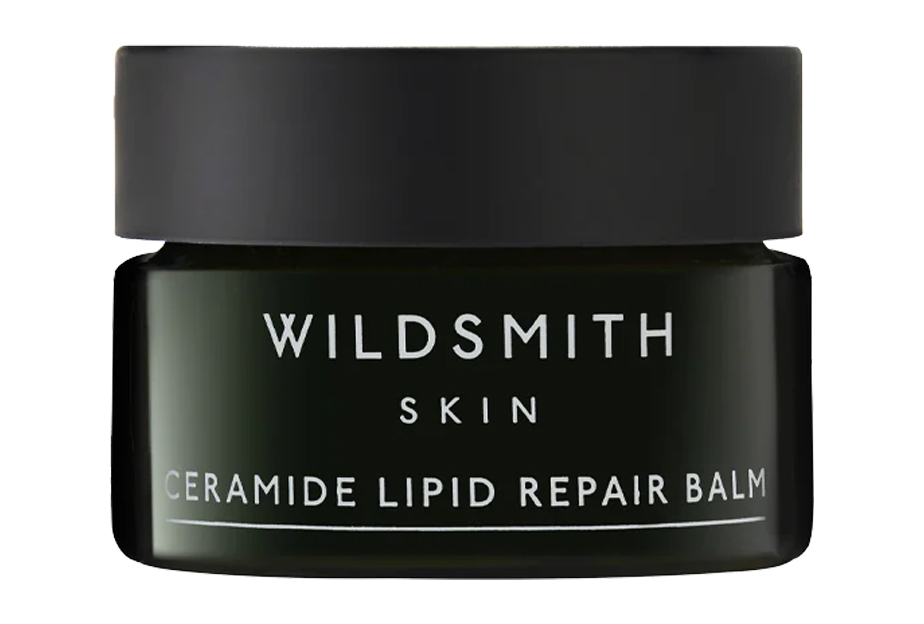
This multi-purpose mini balm is a powerhouse for soothing dry, cracked, or irritated skin, thanks to its bioactive ceramide complex, shea butter, calendula, avocado, rosehip oils, and vitamin E. Designed to reinforce the skin’s protective barrier, it seals in moisture while calming inflammation. I’ve kept this by my bedside to calm pregnancy dryness – especially on lips, around my cheekbones, arms and fingers. A rich, skin-saving balm that supports barrier health with plant-driven clinical strength, perfectly aligned with my pregnancy-safe, minimal yet effective skincare ethos.
Buy now