Are seed oils bad for you? The truth about the sunflower and vegetable oils in your kitchen cupboard

We’ve used sunflower, vegetable and rapeseed oils in our cooking for years but now these supposed store cupboard essentials are mired in controversy, with some wellbeing influencers claiming they’re toxic. So we asked some actual experts for the truth about seed oils
The world of nutrition is fraught with controversial online debates. From the relevance of glucose levels to what constitutes an ultra-processed food, to how much protein we need. But no subject gets people as riled up as humble seed oils – such as sunflower, vegetable and rapeseed – that most of us have cooked since we were old enough to switch on the stove.
A lot of wellbeing influencers are not exactly fans. Biohacker and Bulletproof coffee founder Dave Asprey posted last year that seed oils are pro-inflammatory and, over time, can lead to insulin resistance which can cause weight gain.
View this post on Instagram
And bestselling author Dr Cate Shanahan has identified the “Hateful 8” oils that she says are toxic: canola, corn, cottonseed, grapeseed, rice bran, sunflower, safflower, and soybean oil.
Meanwhile, other doctors and nutritionists insist that the evidence shows seed oils to be safe for moderate consumption. “There are swarms of influencers calling seed oils ‘evil’ and discussions about them have even reached the White House,” says Sarah Berry, Professor at King’s College London and Chief Scientist at the Zoe nutrition plan. “It’s difficult to know what to trust when opinions are so divided. But the best and latest evidence shows that seed oils, when eaten in normal amounts, will not damage your health, and can even be a healthy part of your diet.” So why do some nutritionists believe that seed oils are toxic? And what actually are the healthiest and least healthy oils? Let’s dig in…
Any oil made from the seed of a plant, such as sunflower or rapeseed oil. When you see ‘vegetable oil’ in the supermarket, it’s usually rapeseed, known as canola in the US. Coconut, avocado and olive oil are made from the flesh of the plant so are not seed oils.
Professor Berry says that, when consumed in typical amounts, they’re absolutely fine. “In fact, they have been linked to improved health,” she says. “Seed oils are rich in essential omega-6 fatty acids, which are linked to reduced cholesterol and lowered risk of heart and metabolic disease. They also contain phytonutrients, which can support your health.”
You might be confused to hear Professor Berry mention the benefits of omega-6 fatty acids, when many influencers, like Asprey, say they’re toxic. “Some say they drive inflammation, but it’s more about balance,” explains nutritionist Pippa Campbell. “Omega-6s are essential, but the problem is that most modern diets are overloaded with them from processed foods, while being low in omega-3s. That imbalance is the issue, not omega-6 itself.” So ensure you’re getting enough omega-3 by eating salmon, mackerel, walnuts, chia seeds – and perhaps supplementing if you don’t eat fish. Vegetarians and vegans often use flaxseed (also known as linseed) oil to boost their omega-3 intake – which is – plot twist! – also a seed oil, but one that’s generally considered healthy and has escaped the ire of the seed oil haters. This is likely because it’s not generally used in ultra-processed foods (see below for more on the links between seed oils and UPFs).
Professor Berry puts it down to “self-proclaimed nutrition experts… who may misinterpret the evidence and unintentionally share misinformation”. Ouch! She adds that “alarmist headlines, such as ‘seed oils are toxic’ get far more clicks and attention than balanced headlines”.
Here are three arguments against seeds oils, with Professor Berry’s responses:
Prof Berry says: “This is correct, but association does not mean causation! Approximately 60% of seed oils are consumed in UPF (ultra-processed foods), which contain other unhealthy properties, plus lots of other things have changed over the past 50 years.”
Prof Berry says: “When a mouse is fed supraphysiological doses [ie amounts greater than those usually found in the body] under certain stimuli, inflammatory mediators increase. But clinical trials (of which there are over 40) consistently show this doesn’t happen in humans. In fact, studies show no increase, and even a reduction in blood measures of inflammation.” So Asprey is wrong.
Prof Berry says: “They undergo processing, but this doesn’t automatically mean they’re bad. Nearly all of the studies showing a beneficial effect in humans have used refined seed oils.”
They’re certainly processed, but don’t include additives such as flavour enhancers, emulsifiers or anti-caking agents that would push them into the UPF category. “While some refining processes do strip oils of certain nutrients, this doesn’t mean they are inherently bad for health,” says nutritionist Rob Hobson. “Many foods we consume daily undergo processing without negative health effects. But seed oils used in deep-fried fast food and ultra-processed snacks are often eaten in excess, alongside high amounts of sugar, salt and additives. The issue isn’t seed oils, but overconsumption of UPFs in general.”
Butter is delicious on crusty bread and fine in moderation but, says Hobson, “dietary guidelines from the British Heart Foundation and the World Health Organization recommend rapeseed, sunflower or soybean oil in place of saturated fats from butter and lard. Decades of research show that diets higher in unsaturated fats and lower in saturated fats reduce LDL ‘bad’ cholesterol and lower the risk of cardiovascular disease.”
So why are people on Instagram eating sticks of butter and claiming it’s healthier? “Dietary tribalism plays a big role,” Hobson explains. “People who follow carnivore, keto or paleo diets often rally against seed oils because they associate them with ‘modern’ processed foods, while plant-based advocates tend to support them as a source of healthy fats. This contributes to the polarised arguments on social media rather than a balanced discussion.”
Nutritionist Charlotte Faure Green agrees that this has become an “us versus them” debate. “It’s driven by fear, because fear sells,” she says. “The reality is that ultra-processed foods, refined sugar, lack of fibre, and poor omega-3 intake are far bigger concerns. Health isn’t about blaming a single ingredient, but that narrative is much easier to sell, especially when shouted into a tiny mic in a supermarket for an Instagram reel.”
Hobson says that cold-pressed oils retain more of the nutritional benefits, but warns us not to obsess over it. “Demonising seed oils distracts from the bigger picture,” he explains. “People should focus on eating more whole foods, vegetables, nuts, seed and quality protein – rather than fixating on whether a particular cooking oil is ‘good’ or ‘bad’.”
Having said that, it is true that some are healthier than others. All the experts agree that the healthiest is extra virgin olive oil. “It’s the gold standard for health, rich in antioxidants and monounsaturated fats,” says Hobson. “But cold-pressed rapeseed oil is a good alternative, and works well for all types of cooking. Nut oils, like walnut oil, are a good source of healthy fats and vitamin E. Meanwhile, avocado oil is similar to olive oil in composition, and good for high-heat cooking.”
Professor Berry agrees that we should not demonise foods, but would advise you to limit saturated fats such as butter and palm oil, which are linked to heart disease. “Mono- and polyunsaturated fats are considered ‘good’ fats, which you’ll find in fatty fish, nuts, seeds, avocados, olive oil and, you guessed it, seed oils,” she says.
Every nutritionist I spoke with said the oil they use most at home is extra virgin olive. “I use it for cooking on a low to medium heat,” says Pippa Campbell, “as well as butter, ghee and coconut oil. For dressings, I stick to olive oil and occasionally cold-pressed walnut oil.”
Charlotte Faure Green uses olive oil for most cooking and dressings. “But sometimes I’ll use avocado or cold-pressed rapeseed oil,” she says. “Coconut oil has a high smoke point and is great for an Asian stir fry, but I use it sparingly due to its high saturated fat content.”
Rob Hobson also uses cold-pressed rapeseed oil for some cooking. “Especially roasting, as it has a higher smoke point than olive oil,” he says. “I’ll use butter occasionally for flavour, but don’t rely on it as my main cooking fat. I like sesame oil for Asian-style cooking, and walnut oil for salad dressings. But my go-to, for everything from dressings and drizzling to everyday cooking, is extra virgin olive oil.”
Don’t panic about eating seed oils but make sure you’re getting enough omega-3 to balance out their omega-6. Make extra virgin olive-oil your go-to – and eat fewer UPFs, but you knew that already, right?
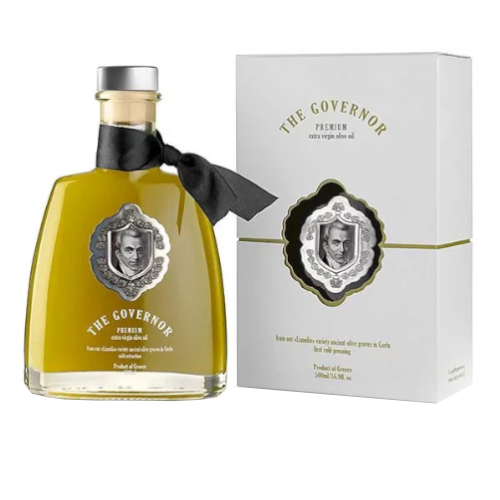
The Governor Premium Unfiltered Organic Extra Virgin Olive Oil, £39.95
Very high in polyphenols (antioxidants that help prevent cell damage) and produced on a small olive farm on Corfu, this organic oil is, as the name suggest, the guv’nor.
SHOP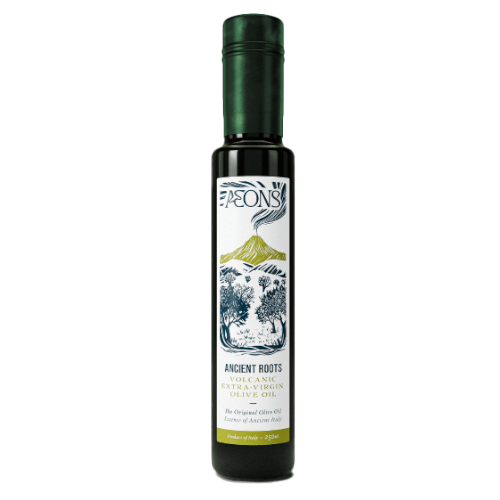
Ancient Roots Olive Oil, £49.95
Sold as a health tonic as much as a kitchen staple, this polyphenol-packed Tuscan oil is made with olives grown in volcanic soils high in healthy minerals.
SHOP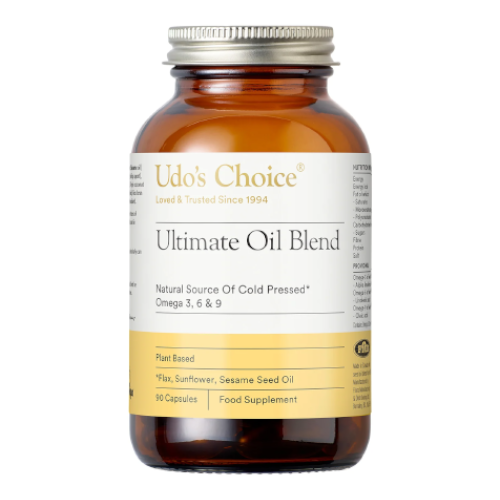
Udo's Choice Ultimate Oil Blend, £16.99
This is an organic mix of flax, sunflower, sesame, coconut and evening primrose oils for all your plant-based omega 3, 6 and 9 needs. It’s been around for 20 years and is a go-to for vegetarians and vegans. Great for salad dressings and drizzling on pasta.
SHOP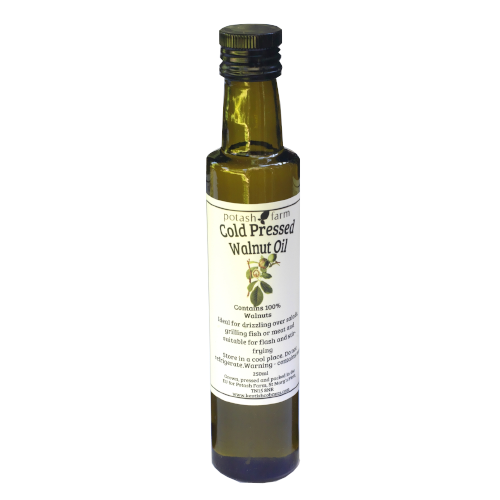
Potash Farm Virgin Cold-Press Walnut Oil, £15.95
Produced on a farm in West Kent, this walnut oil is delicious in salad dressings, plus it’s rich in omega-3 fatty acids and a good source of selenium, which helps support the immune system and thyroid function.
SHOP