The best natural sleep supplements – we’ve found the ones that really work

If you’re looking for a natural sleep supplement, the choice can be overwhelming. We asked nutrition experts to give us their most effective and science-backed recommendations
So you’re struggling to sleep (join the not-so-happy club) but you don’t want to take prescription sleeping pills. Nor do you like the idea of over-the-counter sleeping tablets such as Nytol, which are most often based on antihistamines. What alternative options do you have when it comes to natural sleep supplements? Well, take a deep breath…
There’s magnesium, melatonin, ashwagandha, chamomile, lavender, passionflower, valerian, lemon balm, hops, Californian poppy, skullcap, tart cherry, medicinal mushrooms, l-tryptophan, CBD, 5-HTP, glycine, l-theanine, saffron, collagen, B vitamins… we could go on. You’ll find them in the many dozens of sleep capsules, tinctures, drinks and gummies that have flooded the market. Inevitably, the Kardashians are among the latest to join the fray with Kourtney Kardashian’s Lemme Sleep Gummies, £25, which are melatonin-based and have to be ordered from the US as the hormone is not authorised for sale in the UK.
While natural sleep remedies may offer welcome alternatives to hardcore and potentially addictive meds for the millions of us suffering from insomnia, nutritionist Charlotte Faure Green is keen to remind us that “sleep is as incredibly complex as it is lucrative for supplement companies.”
In other words, there is serious money to be made – opening the door to plenty of supplements that promise far more than they can deliver. And this is why with the help of our Get The Gloss experts, we’re here to cut through the noise.
The nutritionists we spoke to agree that natural supplements absolutely can and do work for sleep, with some caveats. There’s no one-size-fits-all pill “because the underlying causes of sleep issues vary so much from person to person,” says Faure Green. “Some can serve as a short-term sticking plaster while others offer longer-term benefits.” The most important thing is to find and tackle the root cause to successfully combat insomnia.
Contrary to what you might think, they’re not all meant to make you drowsy. Many pathways are involved in falling and staying asleep, so they could help you regulate stress hormones, improve the production of sleep neurotransmitters or “even help calm inflammation to improve sleep,” according to Faure Green.
For many people, stress is an issue that affects their sleep, and so many sleep supplements are also natural remedies for stress and anxiety. The only one that will make you truly drowsy, to the extent that you would not be safe to drive, is melatonin, says functional medicine and nutrition specialist Sarah Carolides.
Some natural sleep aids certainly are more evidence-based than others. Nutritionists’ favourites are:
“Magnesium is by far the most well-researched nutrient for improving sleep and relaxation”, says Carolides. Used throughout the body to help relax you both physically and mentally, it is, she says, much less present in our food than it used to be, which is thought to be a reason for the epidemic of poor sleep.
Magnesium glycinate (or bisglycinate) is the best type of magnesium for sleep, says Faure Green. “It regulates several neurotransmitters involved in sleep, and it’s a natural anxiolytic [anxiety reliever], thanks to the presence of the amino acid glycine. Taken at night, it can hit you like a snoozy train.”
The next-best type of magnesium for sleep is magnesium threonate. 200 to 400mg elemental magnesium [the actual amount of magnesium that’s in the compound (type) that you’re taking] is effective for improving sleep onset and quality.
Melatonin can also be really useful, says Carolides. “It’s the sleep hormone the body naturally makes to regulate sleep and circadian rhythms but we often lack enough natural production.” It’s only available in the UK on prescription; the upside is that you will get it in clinically-supported doses for inducing sleep.
Faure Green likes non-prescription tart cherry juice for sleep (or capsules) “for providing natural melatonin, found in the tart Montmorency or morello cherry.”
The amino acid glycine, taken up to an hour before bed, “calms the nervous system and improves sleep onset and quality,” says Faure Green. Regular use (3g is the clinically-backed dose for aiding sleep) may enhance these benefits over time as glycine helps support your balance of neurotransmitters. This can make you feel more chilled overall. It’s found in collagen powders, and some people report that taking collagen powder at night has helped with sleep. She also rates another amino acid, l-theanine, for calming the mind.
“This well-researched herb works as a natural sedative on some people,” says Faure Green. 300 to 600mg has been shown to have mild sedative effects.
“The right saffron extract [see below; 28-30mg daily is the studied dose for optimal benefits] modulates serotonin [a feelgood neurotransmitter]and has promising research for reducing stress-related insomnia,” says Faure Green.
Like valerian, this herb from the mint family is well-researched and known for reducing stress, says Faure Green.
‘They can work from the moment you start using them,” says Carolides. Magnesium glycinate and glycine can improve sleep onset and quality on the first night.
But some ingredients take time to work. Adaptogens such as ashwagandha, lemon balm and reishi mushroom, says Faure Green, have a cumulative effect, meaning they work better over weeks not days. “They can help you deal with stress better,” explains Carolides. “Often you’ll notice you just generally feel calmer all day, which then makes you better able to sleep.”
If you’re having a really stressful time, she adds, you may find something works for a while and then stops, so you should then try something else. “A potential explanation is that your body can get used to a certain ingredient.” She advises cycling through single ingredients such as valerian, hops etc every couple of weeks, but she recommends taking magnesium consistently. “Even if its effects are less pronounced after a while, continue its use because it has so many other important functions.”
As for chronically poor sleepers, “a remedy may not work for long,” she says. Determining and treating the root cause of the insomnia is usually required.
A very high proportion of sleep supplements features B vitamins, but while a good B complex can support the nervous system and neurotransmitter function, but not all B vitamins should be taken at night. Vitamin B6 and folate (B9) are particularly relevant for sleep support while B12 is essential for nervous system health. But B12 can be energising in certain forms, while B6 in too high a dose (over 10mg) can over-stimulate, warns Faure Green. She advises taking a B complex in the morning instead of taking isolated sleep-supporting B vitamins for sleep at night.
“Reishi is the one with the most research for calming the nervous system and improving sleep onset,” says Faure Green.
Other medicinal mushrooms help indirectly. ‘Functioning as adaptogens, mushrooms such as lion’s mane [which supports nerve regeneration], maitake and shiitake can all make you feel more ‘zen’ over time, promoting better sleep,” says Carolides. Energy-boosting cordyceps is the one you want to avoid at night.
“Focus on single ‘sleepy’ ingredients rather than blends; they make it easier to control dosing and knowing what’s making a difference,” says Faure Green. For those who are really not sure why they can’t sleep, there are good blends. The best ones are designed with ingredient synergy in mind; herbs such as valerian, lemon balm and hops often work best in combination rather than at a single high dose.
But that doesn’t mean you want to see as many popular remedies as possible packed in: “a long list of ingredients (however ‘science-backed’) in trace amounts is “a common way to make a product look impressive without delivering real effects,” she says.
Faure Green is underwhelmed by passionflower: “It has weaker evidence than lemon balm or valerian.” While she loves chamomile tea, she thinks the effect of the plant is more about tradition than science. As for CBD oils, “the doses needed for significant sleep support tend to be much higher than what is found in most products”.
Most will be safe while pregnant or breastfeeding, says Carolides, with the caveat that “there are never any clinical trials done on pregnant ladies for ethical reasons”. You need to be careful with ashwagandha during pregnancy, she cautions, “although the amount contained in most supplements will be fine for use at any stage”.
Best fast-acting sleep magnesium
Zooki Magnesium Liposomal Magnesium Bisglycinate Sachets, £59.99 for a 30-day supply
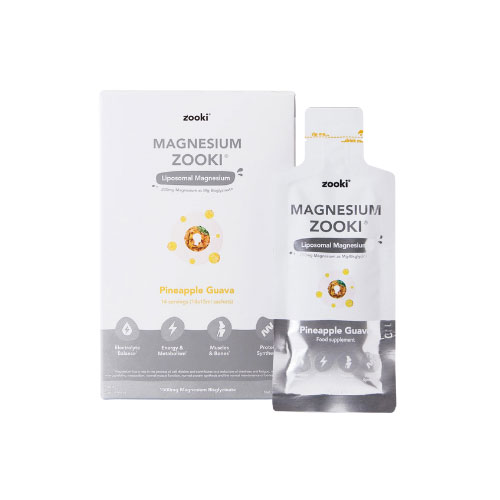
With a listed 200g of elemental magnesium per sachet and superior bio-availability, this calming, pineapple-flavoured magnesium bisglycinate liquid comes recommended by Carolides, who’s head of nutrition for the brand. Take a sachet an hour before bed.
Buy nowBest value and best in pregnancy
Cytoplan Magnesium Bisglycinate, £13.80 for a month’s supply
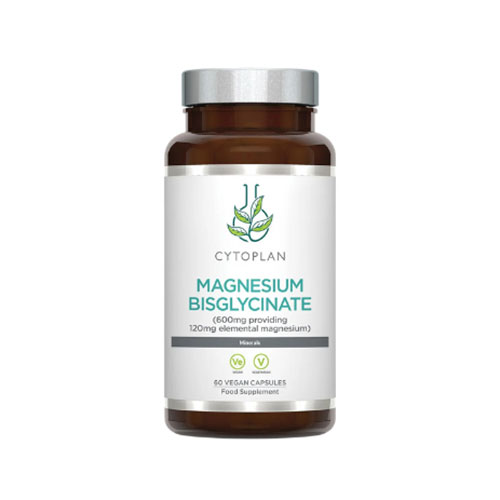
Two of these small capsules make for a proven calming dose of 24.mg of elemental magnesium. This has no other ingredients to confuse you and it’s top value, too. It’s risk-free in pregnancy or when breastfeeding.
Buy nowBest anxiety-busting sleep aid
The Naked Pharmacy Saffrosun Calm, £22 for a 30-day supply
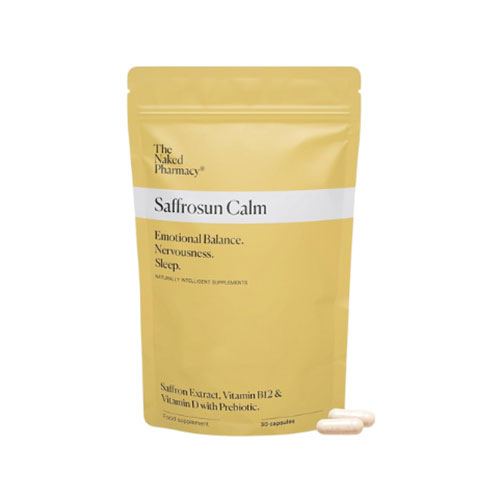
This saffron extract will balance mood and calm anxiety (there’s a kids’ version as well), which should help overthinkers and habitual worriers sleep better. Take two caps with food anytime during the day. You can twist them open and take the powder if you hate caps. It also has vitamin D and B12.
Buy nowBest sleep drink
Ancient + Brave True Nightcap, £32 for a 30-day supply
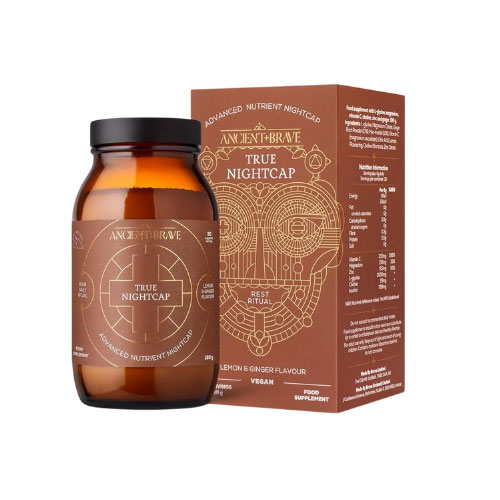
This contains a number of ingredients such as magnesium, zinc, ginger, inositol and amino acids to promote sleep quality and is powdered to make a tasty lemon and ginger drink. “I’ve had great success using it personally and with my sleep-deprived clients,” says Faure Green, who takes it 30 to 60 minutes before bed.
Buy nowBest mushroom sleep supplement
Hifas da Terra Mico-Rei Capsules, £65 for a 35-day supply
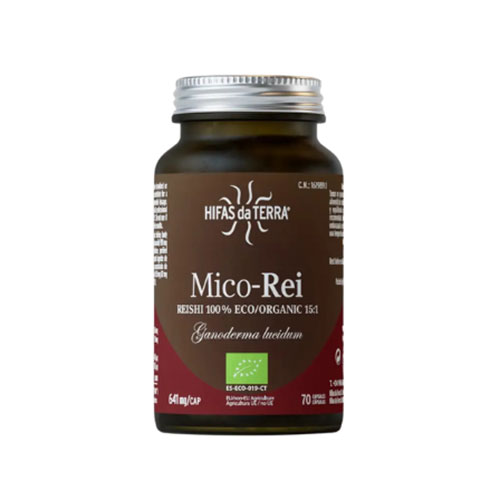
In this functional mushroom specialist brand’s clinical study, 16 weeks of taking their reishi capsules reduced sleep onset by 41 per cent in all patients, while average hours of sleep increased by two hours! Take two caps before breakfast or lunch – it is an adaptogen so will take a few weeks to kick in. It can be taken morning or night and is best on an empty stomach.
Buy nowBest for menopause
The Better Menopause Better Night, £48 for a 4-week supply
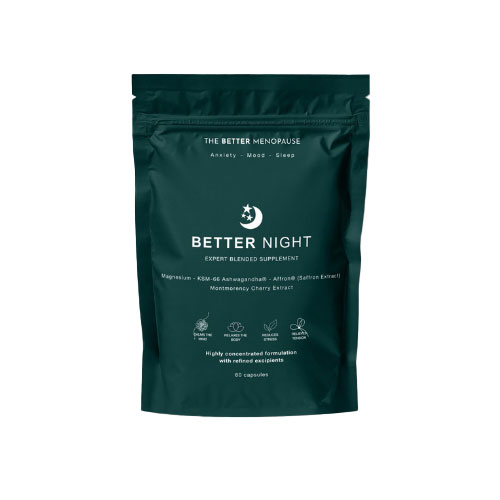
This well-balanced supplement can aid sleep and calm the nervous system, which can be a lifesaver during (peri)menopause. Take two caps before bed – it has all the good guys such as magnesium glycinate, Affron saffron and Montmorency cherry, B vitamins and lemon balm.
Buy nowBest sleepy girl mocktail
Viridian Cherry Night Powder, £30.75 for a 25-day supply
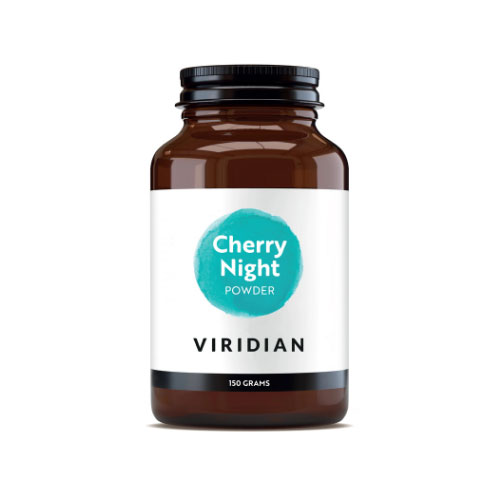
Faure Green likes this tasty drink. Just add water – at night as the name suggests. It combines morello tart cherry (a natural source of melatonin) with magnesium and 3g of glycine, proven to lull you to sleep. Tart Cherry Juice went viral on TikTok as the ‘Sleepy Girl Mocktail’ (essentially adding it to fizzy water and giving it a ‘cute’ name).
Buy nowBest herbal nightcap with valerian
Artah Sleep Tonic, £32 for a month’s supply
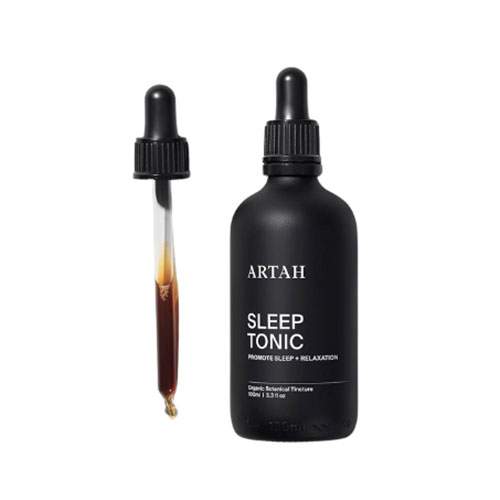
This relaxing tincture has a hefty 1050mg of valerian per serving in it (although there is no mention of a standardised extract), alongside other sleepy herbs. Nutritionist Federica Amati credits it with helping her mindset coach husband Paul Sculfor get to sleep, and points to valerian as one of the best-studied sleep herbs.
Buy nowBest all-round sleep supplement
Dose by VH Sleep Tight Plus, £28 for a 30-day supply

Two caps of this support your nervous system, stress relief and relaxation – take it in the evening for calming benefits. They say you should feel it working in about two weeks. The list of sleep-promoting ingredients is long but it’s pharmacist-formulated and includes a serious 400mg dose of valerian extract alongside magnesium, l-theanine and ashwagandha.
Buy now