I did 28 days of breathwork and it changed how I run my business and my life
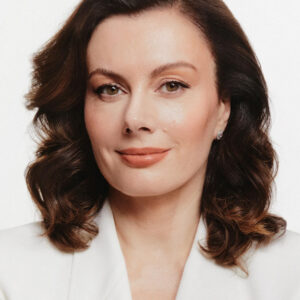
No longer tired, wired and tense, top dermatologist and brand founder Dr Sam Bunting discovered a breathing app that changed her life
I’ve tried many forms of mindfulness over the years – traditional seated meditation, yoga nidra, body scans – but breathwork is the first practice that’s genuinely changed how I move through my days. Meditation is helpful, but breathwork feels immediate and appealingly practical.
What started as a simple experiment – could I do ten minutes each morning, a deliberately low commitment? – became a 28-day streak: 574 minutes of breathing and resetting. The impact has been undeniable.
It began in early November, just before Black Friday, always the busiest part of my year. My time is divided between running my skincare brand Dr Sam’s (even busier since we started retailing in Sephora last year), seeing patients in my Harley Street clinic, filming content, speaking at events and developing new products. It’s high output and constant context switching. Add Black Friday, and the pace intensifies.
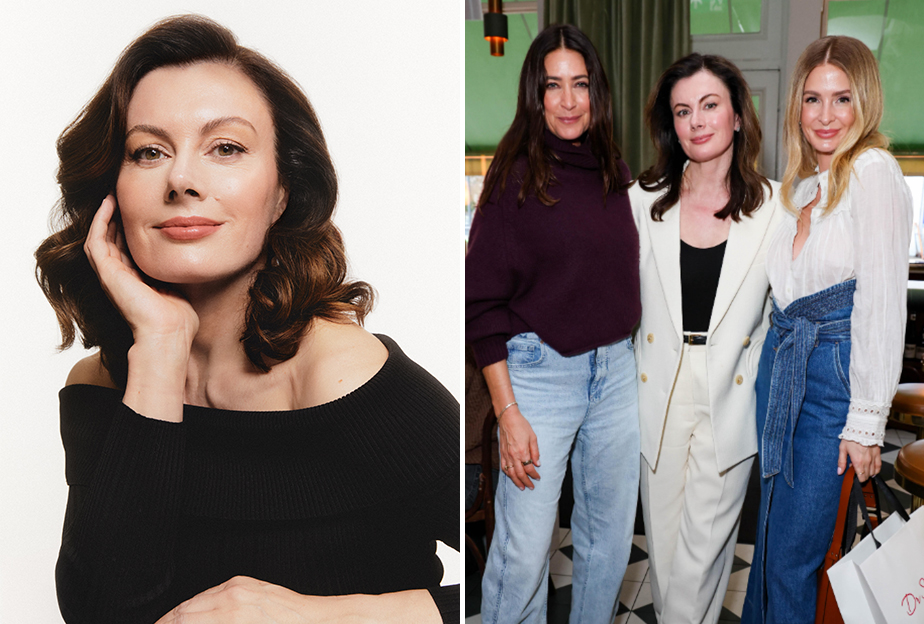
Dermatologist and brand founder Dr Sam Bunting has many plates to spin. Launching her Dr Sam’s skincare range in Space NK, pictured with Lisa Snowdon (left) and Millie Mackintosh at the launch. (Right Image: Instagram @drsambunting)
My energy had slipped into that familiar ‘tired but wired’ state, overstimulated one minute, depleted the next. Years of physical tension – a chronically tight right hip from old athletic injuries and a partially ‘defrosted’ frozen shoulder post-Covid – meant I often finished the week wanting to crawl into bed.
That tension wasn’t just in my body. I was subtly ‘braced’ much of the time. When the body stays tight, the mind often follows. I wouldn’t say I’d lost my joie de vivre, but things felt flat, and accomplishments didn’t register as they had in the past. That feeling of awe didn’t come as easily.
It was no coincidence that I’d become a shallow breather: I’d default to quick, upper-chest breaths, especially when I was concentrating. Then there was actual breath-holding when I was opening emails or compulsively checking Slack for updates – so common it’s even got a name, tech apnoea. Persistent shallow breathing keeps us in a low-level stress response. The breath reflects how we feel, but it also drives it. Fast breathing signals threat; slower, deeper breathing signals safety. I’d been keeping myself constantly on edge, in a shallow-breathing threat state, without realising it. For years.
I wasn’t looking for a miracle. I just wanted to feel steadier, more at peace and able to enjoy the present, instead of anxiously rushing towards the future.

I found Othership while searching YouTube for guided nervous system practices. The first session I tried was a 20-minute led class involving rhythmic breathing set to music. It felt structured, like training for my nervous system.
Othership, I discovered, is a New York–based wellness team with studios in the US and Canada, known for their immersive sauna and ice bath experiences. They have a breathwork app, with hundreds of on-demand guided practices to music with top coaches.
After that first session, I felt so much clearer, calm, but energised and immediately downloaded the app. It tracks your total breathwork minutes, which suited me. I didn’t set a strict target, but seeing the number build kept me consistent.
Most mornings, I did 10 minutes before checking emails. On busy days, I chose energising classes with faster breaths. Before bed, slower nasal breathing with longer exhales. I loved the gratitude sessions, which pair steady breathing with recalling specific memories or people. Simple, but powerful.
Guided breathwork fitted easily into my life: in Ubers, on planes, between meetings, during festival travel, in hotel rooms when jet lag hit. For jet lag, slow breathing with extended exhales helped me settle enough to sleep. Breathwork became something I could use for focus, calm, transition or emotional release.
What surprised me most was how quickly things changed. Within a week, I felt a noticeable shift. By two weeks, it was obvious – my body felt looser, especially the long-held tension in my hips and shoulders. My sleep improved. I used to fall asleep exhausted but mentally alert, often waking at 3 or 4 am with a busy mind. Now I fall asleep faster and, if I wake, I use slow breathing instead of spiralling.
My nervous system feels steadier, and I’m more able to adapt to change and switch between tasks. After speaking events or intense meetings, I used to stay switched on for hours. Now I can downshift more quickly. Even moving between clinic and brand-related activities feels smoother.
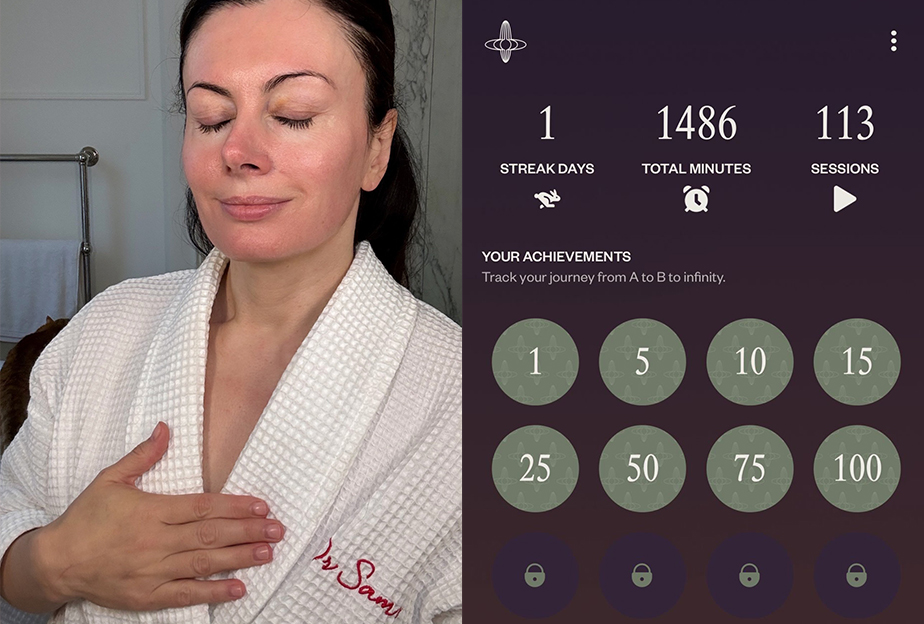
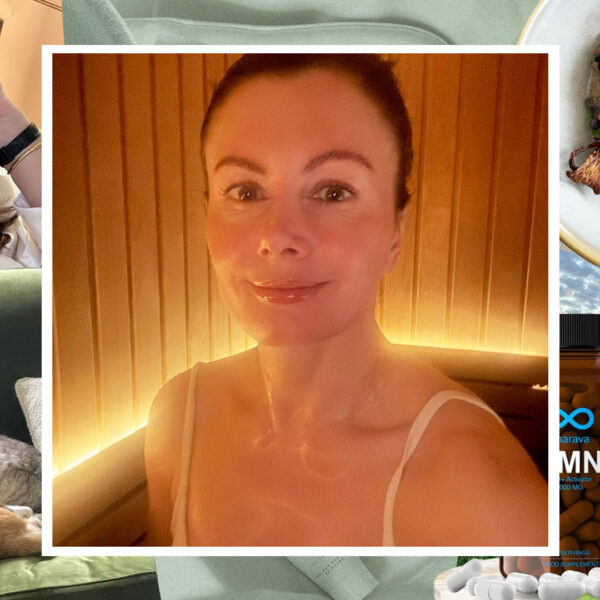
Left: Dr Sam Bunting pauses during a calming breathwork session. Right: Dr Sam’s Othership app dashboard showing her 113 completed sessions
Physiologically, it makes sense. The breath is one of the few automatic functions we can consciously influence. Faster, shallow breathing activates the sympathetic nervous system – fight or flight. Slower breathing, particularly with longer exhales, stimulates the parasympathetic system, activating rest and repair, largely via the vagus nerve. Changing the breath changes the balance – we can literally change our emotional state instantly just by changing how we breathe.
Then there were the emotional releases. One 55-minute session of connected mouth breathing, using continuous inhales and exhales without pauses, guided by music, left me in tears, in a good way. At the peak, I felt a rush of joy that took me back to a safari moment in South Africa, watching leopards move through the bush. I was remembering awe.
Then, after 28 days came the weekend that tested everything. I needed every one of the 574 minutes I’d clocked up. After a packed week and an intense Saturday speaking at an event, meeting customers and supporting my team, my introvert-extrovert wiring was fried. The dopamine high was familiar, the crash was real. I felt restlessness, depletion and a strong urge to withdraw. In the past, I would have pushed into Monday, had more coffee and hoped it passed.
Instead, I did two 55-minute ‘emotional release’ classes from the app over the weekend. They included guided breathing to powerful music followed by a slower integration, where I had time to pause and reflect, allowing the emotions that had surfaced to settle. They helped me clear what I’d been carrying. Without that, I’d have started Monday overstimulated and under-resourced. Instead, I felt steady and ready for the week.
Breathwork has become my go-to regulation tool. It supports my mood, sleep, body and resilience, and it’s flexible enough to practice daily. One longer emotional release session a week now feels non-negotiable, with shorter five-to-20-minute practices fitting into my day where I can.
I can say this clearly: breathwork has helped me reclaim the joy of the present. It brings me back to myself.
I’m no longer habitually a shallow breather. Breathwork has become a core part of how I regulate myself. I recommend it to friends and patients alike. In fact, it’s part of the Dr Sam’s skincare routine now. You can take one minute to cleanse and connect with your breath when using our Dr Sam’s Flawless Cleanser, £20.
For someone driven and used to operating at a pace, having a tool that can shift my internal state within minutes is invaluable. It’s simple, low-commitment and immediately effective. And that’s why it’s had such a profound impact on me. When you choose a demanding life, you need a way to recalibrate just as deliberately. This is mine.
Find Dr Sam’s skincare here. Othership app costs £15.99 per month.