6 movement habits to build into your day now if you want to live longer

Impossibly busy day? There are still ways to move your body – and future-proof your health. Here’s how to squeeze it in
We all know that moving more is a good thing for both body and mind but putting that theory into practise can be hard. Our days are ridiculously busy and we’re juggling so many plates we could get a job in a circus (if only we had the time).
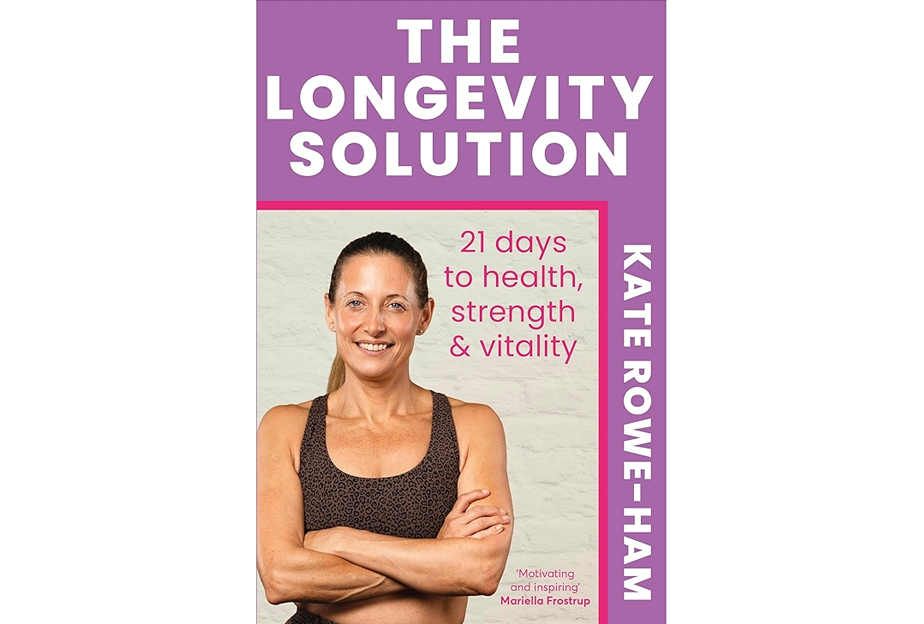
Kate Rowe-Ham – health coach and menopause fitness specialist and 49-year-old mother-of-three – gets it. Her new book The Longevity Solution: 21 Days to Health, Strength & Vitality is an accessible, practical guide to harnessing the core components of long-term health: nutrition, mindset, social connection and movement.
Of the latter she says: “All daily movement will contribute to your overall well-being, and the more you move, the better you’ll feel.” She suggests we try to incorporate a couple of the quick and easy exercise habits below into our daily routines, even if we can only spare a few minutes. “The more you move with intention and consistency, the stronger, healthier and more resilient your body will become, regardless of age.” So it’s not just about moving to feel good in the moment but to help future-proof your health. Consider that a double whammy of benefits. Which of these can you do today?
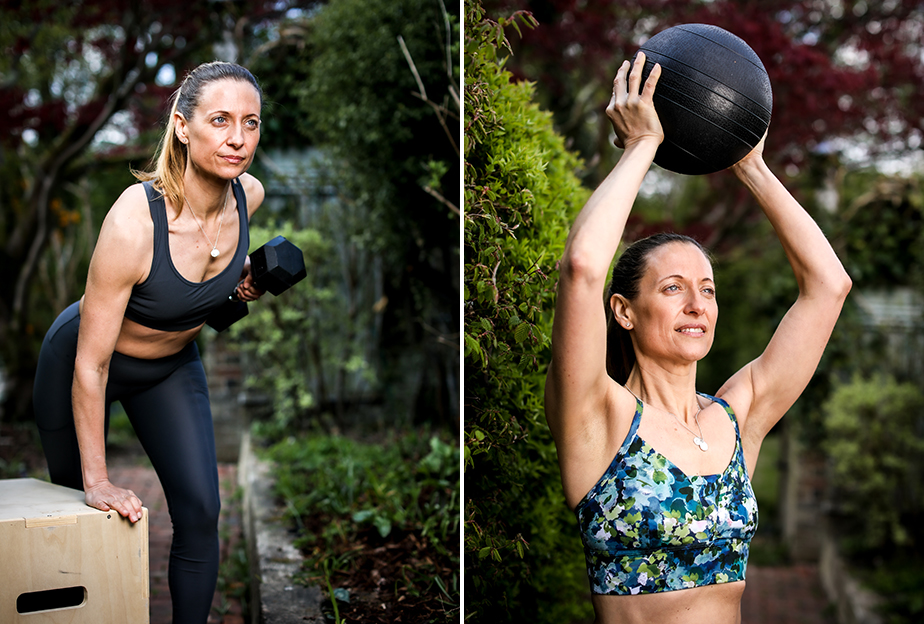
Work it: Kate Rowe-Ham in action (image: Sophie Mitchell Photography)
“The reality is that many of us sit far too much. Research has shown that sitting for more than 8 hours a day is linked to a 17–49 per cent higher risk of early death, even for people who exercise regularly. A sedentary lifestyle increases the risk of heart disease, obesity, diabetes and even cognitive decline. Set a reminder to stand up and move every 30 to 60 minutes. Even short bursts of movement, like stretching, walking around the house or doing bodyweight squats, can break up long periods of sitting and counteract its adverse effects.”
“A 10–15 minute walk after eating has been shown to reduce blood sugar spikes by up to 30 per cent, helping to lower the risk of Type 2 diabetes and metabolic disorders. Walking also improves digestion, reduces stress and enhances circulation, making it one of the easiest and most effective ways to boost overall wellbeing and longevity. Instead of sitting down after meals, go for a 10-minute walk, even if it’s just around your home or office.”
“You might be surprised to learn that leg strength significantly predicts longevity. Strong legs improve balance, mobility and independence as we age. In contrast, weak legs heighten the risk of falls, leading to long-term health complications for older adults. Try adding 10–15 squats to your daily routine; do them while brushing your teeth, waiting for your coffee to brew or during TV commercial breaks.”
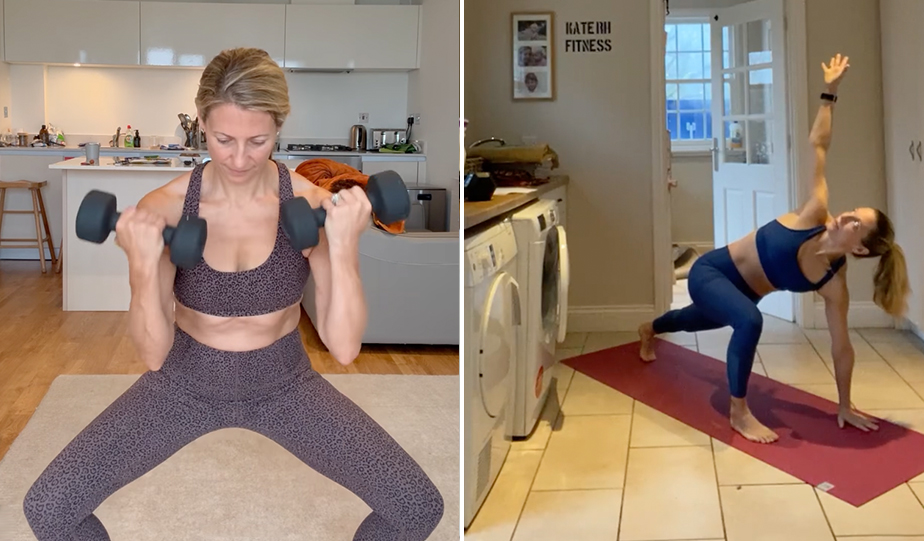
Fit in movement wherever you can during your day (images: Instagram @katerh_fitness)
“Good balance isn’t just about preventing falls; it’s directly linked to brain health and longevity. Studies have shown that poor balance can predict earlier mortality, particularly as we age. Practising single-leg balance for just 1 minute on each leg daily can strengthen stabilising muscles, improve proprioception and stimulate the brain. Start by standing near a wall or chair for support. As you improve, try closing your eyes or turning your head slowly while balancing to challenge your coordination and improve your balance.”
“Loaded carries, such as farmer’s carries (walking with a heavy dumbbell or kettle bell in each hand), mimic real-life strength tasks and promote grip strength, posture and full-body endurance. Grip strength alone is a powerful predictor of lifespan. You don’t need a gym: carry shopping bags evenly in both hands, use filled water bottles or repurpose household items. Walk slowly and intentionally for 30–60 seconds a few times a week. Focus on standing tall with your shoulders back and core engaged.”
“Breathing is something we all do, but how we breathe can have a profound impact on our stress levels, recovery and even longevity. Breathwork activates the parasympathetic nervous system (our rest and digest mode), helping to lower blood pressure, reduce inflammation, improve focus and aid recovery. Begin with a simple practice, such as box breathing (inhale for 4 seconds, hold for 4 seconds, exhale for 4 seconds, hold for 4 seconds), for just 2–5 minutes daily. Do it first thing in the morning, during a stressful moment, or before bed to unwind. Try pairing your breathwork with movement. Breathe slowly during your cool-down session, stretch or even while walking.”
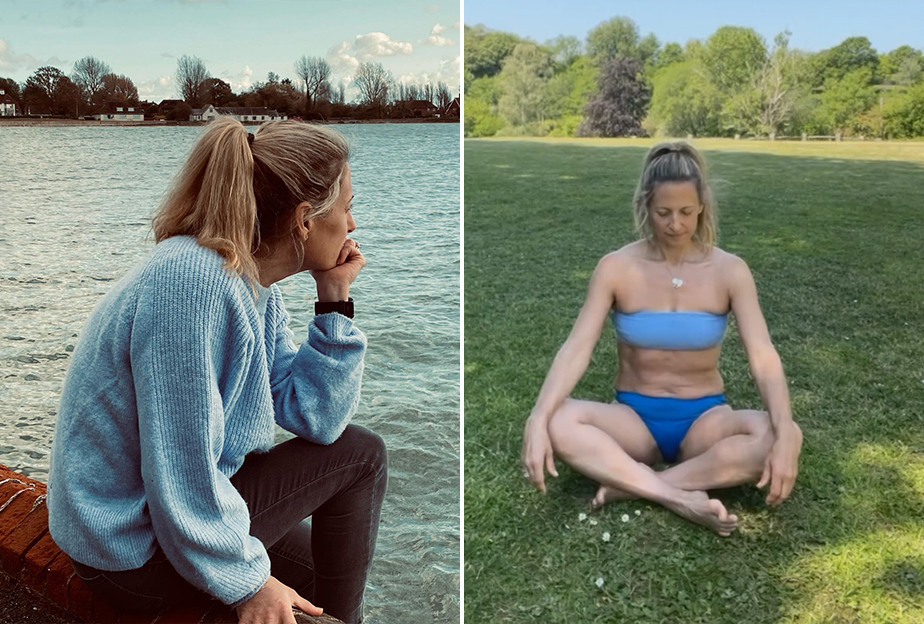
Don’t forget to breathe (images: Instagram @katerh_fitness)
Extracted from The Longevity Solution: 21 Days to Health, Strength & Vitality by Kate Rowe-Ham, published 12 February