Why constipation is more common in women — and what actually helps

From hormones to stress, PMS and even the length of the female colon, nutritional therapist Emma Bardwell reveals what’s behind the digestion gender gap and how to get things moving
Constipation is one of the most common digestive complaints in women. It is also one that gets brushed off pretty routinely with recommendations to just ‘drink more water and eat more fibre’. But that doesn’t resolve the problem for everyone, notably women for whom constipation is often shaped by a mix of hormones, life stage, stress, pregnancy, pelvic floor health, thyroid function, and even the way we structure our days.
Women are almost twice as likely as men to experience constipation (population studies suggest 15 to 20 per cent of women, compared to roughly eight to 10 per cent of men). Add in structural differences – women’s colons may be up to 30cm longer than men’s – and it soon becomes clear why this is such a female-centric issue.

Image: Paula Siqueira. Nutritionist Emma Bardwell. “Women are twice as likely to suffer from constipation than men.’
Clinically, constipation usually means fewer than three bowel movements a week, hard or lumpy poos, straining, or feeling like you haven’t fully emptied your bowels. Poo sits in the colon for too long and water gets reabsorbed by the body. The longer it sits there, the drier and harder it becomes, which makes it more difficult to push out. This can very quickly turn into a frustrating cycle.
Important note: if constipation is new, persistent or feels different from your normal bowel habits, it should always be checked by a GP.
Fortunately, for many women, there are clear reasons why constipation is an issue and lots of actionable strategies to help. Let’s look at the most common ones and the solutions.
Progesterone rises after ovulation and in the days before your period, the luteal phase. One of its jobs is to relax smooth muscle throughout the body, including in the gut. Relaxed gut muscle can mean slower transit time, which is the time it takes for food to move through the gut. This is why many women feel more bloated, sluggish or backed up in the week before their period.
You may go less often, or your poo might be harder and more ‘pellet-like’, then things often loosen once your period starts. Some women experience similar changes when starting progesterone-based HRT. This isn’t the case for everyone, but it is common enough to be part of the picture.
Period poos – that ‘poo purge’ you experience when you get your period – are incredibly common, with up to 73 per cent of women saying they’re affected. This is thought to be related to hormone-like substances called prostaglandins released to help the uterus shed its lining, acting on your bowel too and causing contractions that can bring on a mass bowel movement, which can come as a relief.
Progesterone, often called ‘the pregnancy hormone, is significantly higher in pregnancy as it helps maintain the uterus lining and supports the development of the baby. As above, progesterone can slow the digestive process down, so it’s not uncommon for women to feel constipated in pregnancy.
Physiological changes in pregnancy can contribute too. As the uterus expands, it can press against your bowel, which makes having a bowel movement physically much harder.
Add to this iron supplements (often given to prevent anaemia, but which can make you constipated), reduced exercise, and changes in eating patterns, and you can see why constipation is so common.
After birth, the pelvic floor – the muscles that support the bladder and bowel – can weaken (but you can train it with treatments such as the Emsella Chair — read our review here). If they’ve been affected as a result of pregnancy or a long, complicated delivery, you may end up with a prolapse (where the vaginal walls start to sag) which can impact your ability to poo properly, resulting in constipation and/or a feeling that you haven’t full evacuated.
Hydration is another important piece of the puzzle. Breastfeeding increases fluid requirements substantially and many new mothers are mildly dehydrated without realising. If going to the toilet feels difficult or ‘incomplete’, seeing a specialist pelvic health physiotherapist can be transformative.

On average, women’s intestines are slightly longer than men’s – some estimates are as much as 30cm. While we’re not entirely sure why, scientists hypothesise that it is in order to maximise absorption of nutrients during pregnancy. Whatever the reason, a longer colon can mean a longer transit time and we know that the longer the poo stays in the bowel, the more water is absorbed and the harder it becomes to push out.
The gut and brain are in constant communication via the gut-brain axis. When you’re stressed, your body shifts out of rest-and-digest mode and into red alert. For some people, this can speed things up, meaning diarrhoea or more frequent bowel movements. But for many women, it slows everything down.
Chronic mental load, poor sleep, juggling work and family, perimenopause, grief, divorce – all the things we deal with in midlife – can all subtly dampen our gut rhythm. Ongoing low-level stress is enough to affect your bowels.
Irritable bowel syndrome is a functional gut disorder where the bowel becomes more sensitive and its movement less predictable. Symptoms include abdominal pain linked to changes in bowel habits, sometimes showing up as constipation, diarrhoea or both.
IBS affects up to 10 to 20 per cent of people and is about twice as common in women as in men, we think, because of the hormone connection. For that reason, many women notice symptoms fluctuate with their menstrual cycle. That might look like several days of harder stools and bloating before your period, followed by looser poos once it begins.
For many women who’ve experienced a sluggish digestion in the run-up to their period, a ‘period poo’ aided by period cramps, can actually feel like a relief and as though their digestion has kicked back into gear. However, for women with conditions like endometriosis, it can be long, drawn out and incredibly debilitating.
Your bowel relies on the ‘gastrocolic reflex’. When you eat, it sends a signal that helps move contents through the colon. If you regularly go 16 or more hours without food, skip meals or chronically under-eat, you may reduce that stimulus.
Ironically, women trying hardest to eat clean or follow the latest fasting trend can end up more constipated simply because they are not eating enough volume or regularly enough to keep things moving.
Constant grazing is not ideal either. Very small, irregular intakes can lead to small, pellet-like poos, which often reflect disorganised eating or inadequate fibre and fluid. When it comes to regular poos, regular meals matter.
An underactive thyroid can slow metabolic processes throughout the body, including the gut, and constipation is often one of the earliest symptoms. Thyroid disorders are significantly more common in women, particularly underactive autoimmune thyroid disease, otherwise known as Hashimoto’s. If constipation comes with fatigue, hair thinning, feeling cold, anxiety, weight gain and menstrual changes, testing is sensible. Optimising thyroid hormone levels often improves bowel habits in this case.
Iron supplements, some antidepressants, opioid painkillers and GLP-1 injections can all significantly reduce gut motility. In these situations, constipation is often dose-related and needs to be managed proactively with the help of your prescriber.
We know that fibre is essential for long-term gut health, but if your poo is already sitting in the colon and transit time is sluggish for any of the above reasons, suddenly adding large amounts of fibre can back things up further and increase bloating and discomfort.
As women are more likely to experience constipation they are more likely to seek solutions such as the fibremaxxing trend on social media, which is full of advice to dramatically increase bran, beans and supplements overnight. The result is more bulk, which then backs up.
I often recommend restoring motility first and getting everything moving, possibly through judicious laxative use (see below), before increasing fibre gradually.
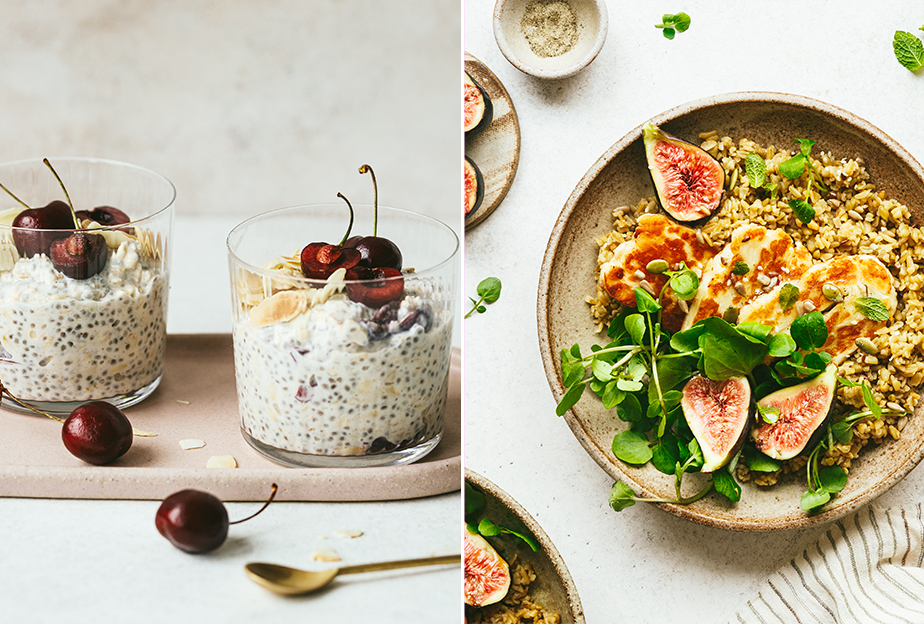
Fibre-rich dishes from Emma Bardwell’s new book, The Fibre Effect (Image: Kimberly Espinel)
The most effective strategies are usually surprisingly straightforward. The good news is that with a structured, evidence-based and realistic approach, most women can improve symptoms significantly. It is rarely about a single magic solution. It is more often about restoring movement, supporting hormonal shifts and building fibre and plant diversity in a way that works with your body, not against it.

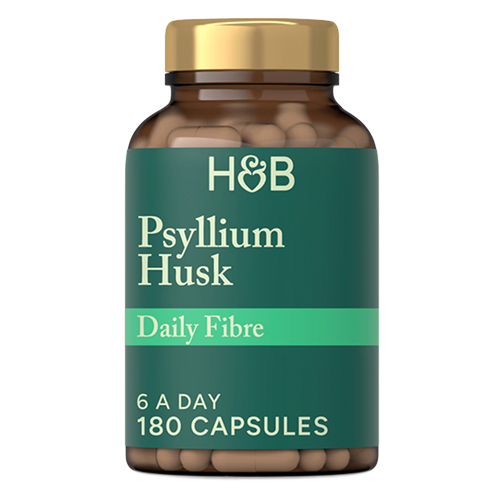
They absorb water in the gut to form a soft, bulky stool that stimulates the bowel to move.
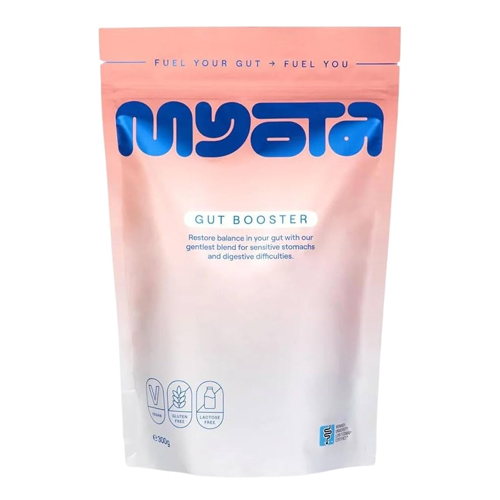
Best for: everyday use, ongoing management and people who want a non-stimulant option. Note: psyllium is not a prebiotic fibre — meaning it doesn’t feed your gut microbes — so it’s good for adding bulk but it doesn’t benefit your microbiome. Prebiotic fibre supplements such as Loam and Myota add bulk and also provide food for your gut bugs.
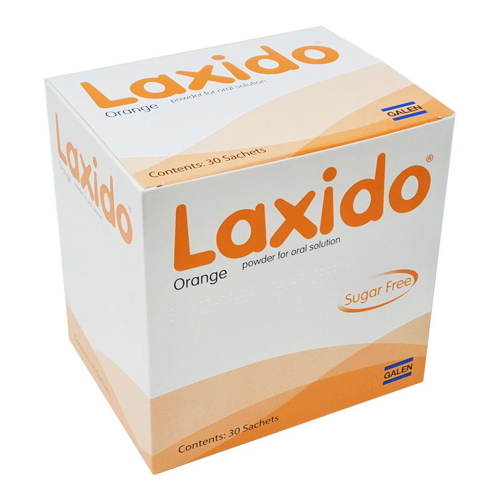
These draw water into the bowel (osmosis) to soften stool and increase motility.
Best for: short term to get things moving and often prescribed by a healthcare practitioner.
Try: Magnesium citrate (see our round-up of the best magnesium supplements)
Best for: potentially useful as a daily add-on for people who are low in magnesium and suffer with sluggish bowels.
They increase gut muscle contractions to move poo along the digestive tract.
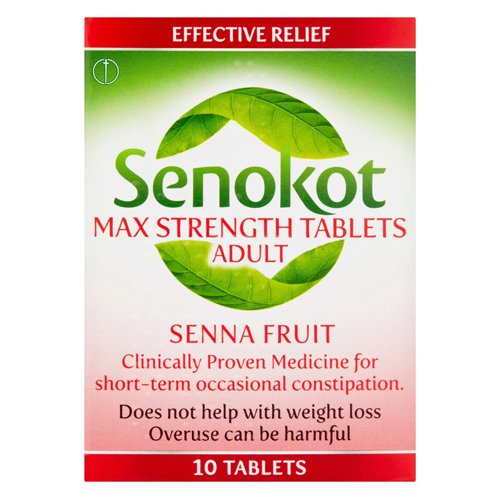
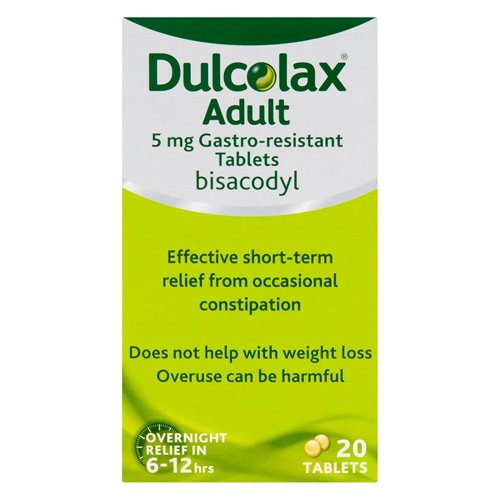
Best for: very short-term relief when bulking with fibre or using osmotic laxatives isn’t enough and only under the guidance of a pharmacist or GP.
Fibre is a brilliant health tool and one of several possible solutions to constipation, but as we’ve seen, it isn’t always the only answer or the right one for your particular pattern. Once your bowel movements are more comfortable and consistent, though, the long-term case for fibre is very strong.
Higher fibre intakes are linked with lower rates of cardiovascular disease, type 2 diabetes and all-cause mortality, according to a major meta-analysis published in The Lancet. Studies suggest that for every additional 10 grams of fibre per day, the risk of colorectal cancer falls by around 10 per cent.
Fibre also actively shapes the gut microbiome. A landmark 2018 study published in Cell showed that the human microbiome can respond within 24 to 48 hours of increasing plant fibre intake, altering microbial activity very quickly. Gut bacteria ferment fibre into short-chain fatty acids such as butyrate, which help maintain the gut lining, regulate inflammation and support metabolic health. So fibre is not simply roughage that keeps you regular, it is nourishment for a complex internal ecosystem that plays a central role in how your body functions and thrives.
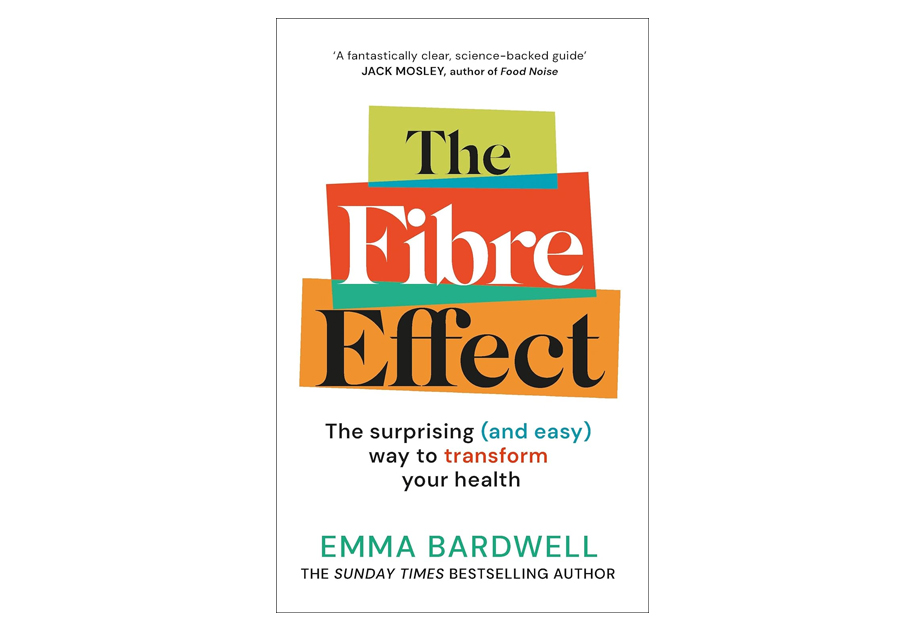
If you want practical, no-fuss ways to increase your fibre without aggravating your gut, my book, The Fibre Effect, shows you how to work up to 30 grams a day, widen the variety of plants you eat, and make it feel sustainable and genuinely enjoyable.