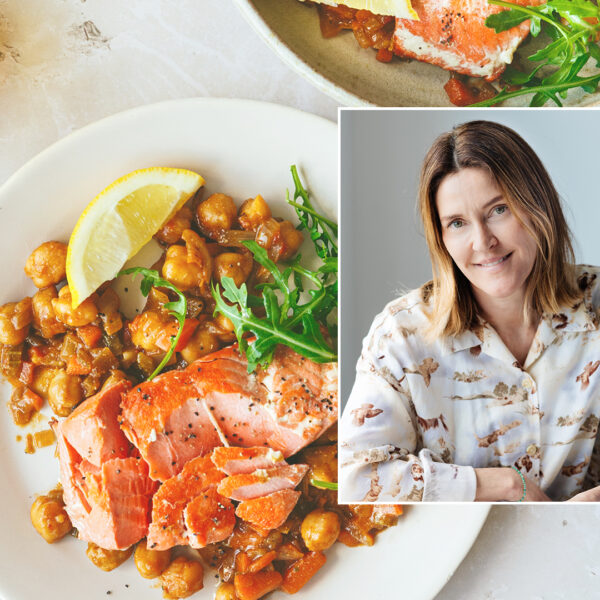
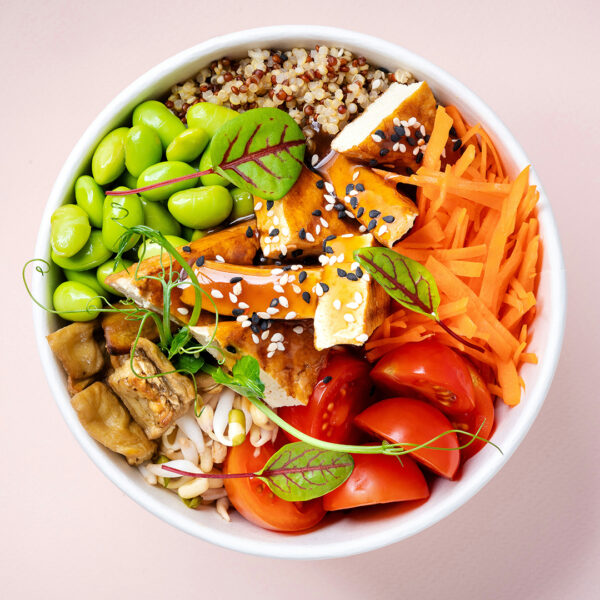
There is so much conflicting advice on social media about weight loss. Ignore that, listen to highly experienced nutritionist Emma Bardwell instead – she knows what’s what
Any products in this article have been selected editorially however if you buy something we mention, we may earn commission.
Weight loss advice has never been louder or more confusing. Do you or don’t you fast? Should you be putting MCT oil in your coffee? Does your morning really need to start with an apple cider vinegar shot and a handful of berberine supplements? And should you fear ‘naked’ carbs (ie the ones without any fat or protein)?
It’s no wonder so many women feel stuck. We’re being pulled in a hundred different directions by very convincing online voices, many with huge platforms, all promising a new, better, faster way to lose weight. And yet, despite doing more, tracking more and thinking about food more than ever, the results often don’t follow.
Here’s the part that might surprise you: weight loss is actually fairly simple, but it’s not always easy. In my decade of clinical experience as a nutritionist, most people aren’t lacking willpower, they’re drowning in diet noise. They’re overcomplicating things, missing the basics and, crucially, not following a structure that works in real life.

Why does 30:30:30 work?
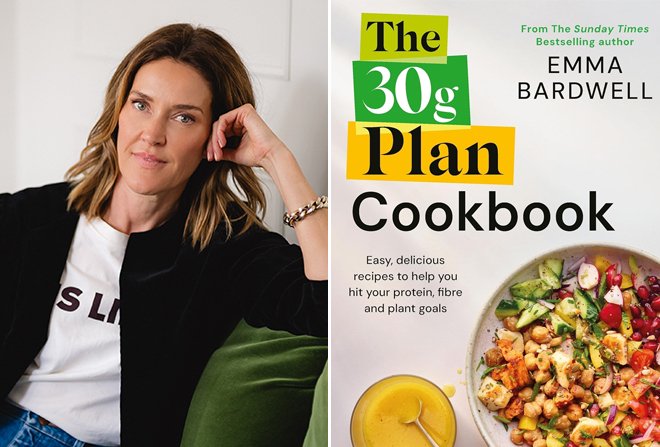
That’s exactly why I created the 30:30:30 approach, which underpins my latest book, The 30g Plan Cookbook. The principle is simple.
- Build meals around 30g of protein
- Aim for 30g of fibre across the day
- Include 30+ different plant foods each week
There are no extremes, no cutting out entire food groups, just meals designed to properly satisfy you and support a small, sustainable calorie deficit.
This way, protein and fibre do most of the heavy lifting, keeping you fuller for longer, reducing the urge to snack and support more stable energy levels, while plant diversity plays a key role in gut health, hormones and overall wellbeing. The result is a way of eating that feels realistic, repeatable and, importantly, enjoyable. No diet misery, no white-knuckling it for two weeks, and no starting again every Monday.
Real life sustainable weight loss: ‘I lost 9kg’
Take Rose, a busy mum of four who felt stuck with her weight and health. Working night shifts, she needed something straightforward and easy to follow, without lots of planning or headspace. Just as importantly, she needed to keep her energy up through long, demanding days.
“I really liked the straightforward approach. It helped me understand not just calories, but how food actually makes you feel. Eating more protein and fibre left me so much more satisfied,” she says.
Rose combined the approach with lifting weights and reformer Pilates, and over 10 months of eating in line with the 30:30:30 method, she went from 70kg to 61kg and from a dress size 14 to an 8-10.
But for her, it’s gone beyond the numbers. She now feels in control of her diet, and her confidence and energy levels have never been better. “I feel like I finally have the tools and knowledge I need for life. The 30g method is just how I eat now.”
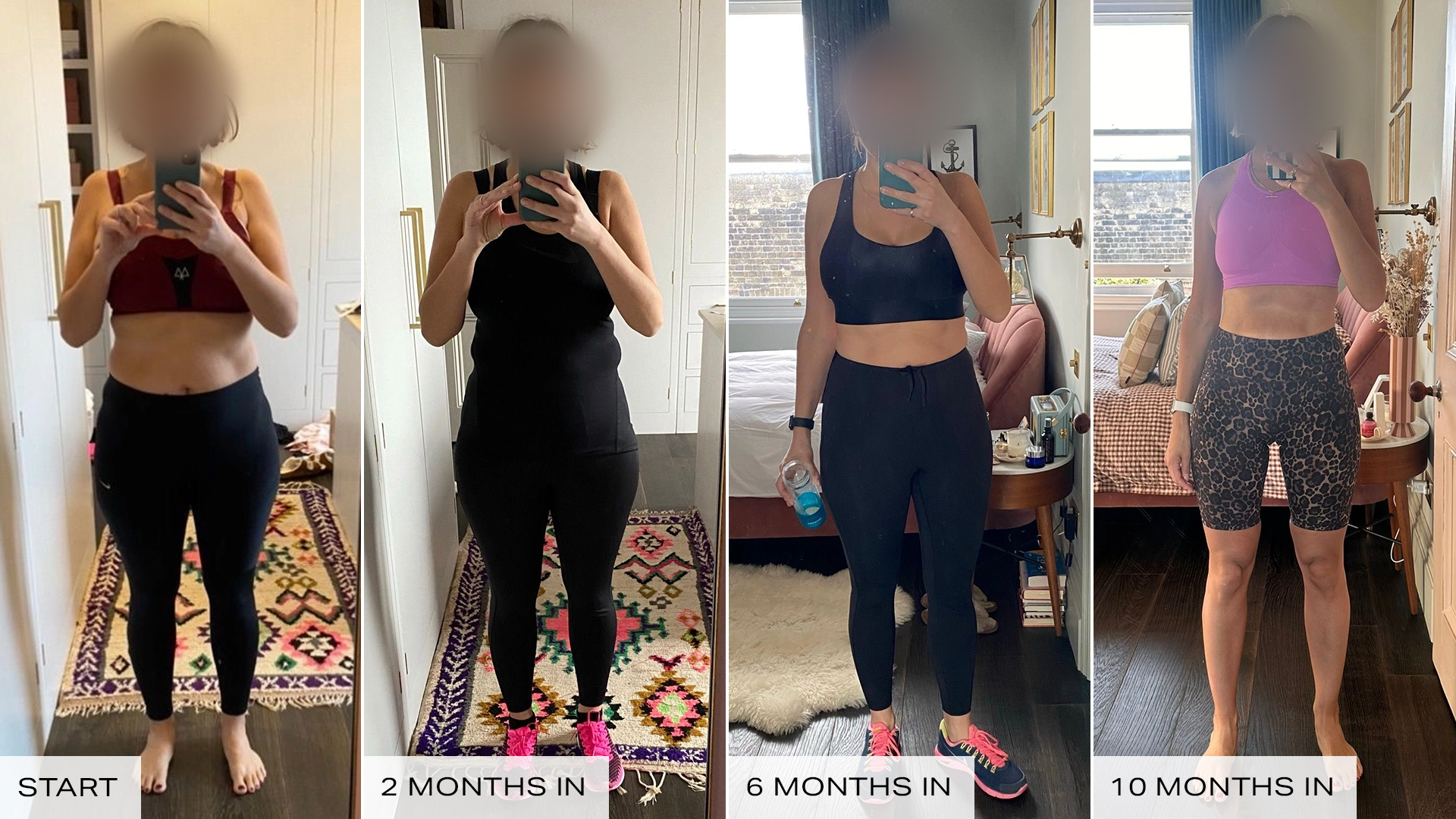
Rose’s experience isn’t unusual. These are the misconceptions I see every day, the ones that keep women stuck despite doing ‘all the right things’.
20 weight loss truths
- Sleep deprivation will undo your best intentions faster than carbs ever will. Poor sleep disrupts hunger and fullness hormones, often increasing appetite and preference for high-calorie, highly palatable foods the next day by up to 500 calories.
- Peanut butter is not a good source of protein (but it sure does taste good). It’s often marketed as a protein food, but in reality nut and seed butters predominantly fat (51 percent fat, and around 25 percent protein). Two tablespoons might only give you 6 to 8g protein, which isn’t enough to meaningfully support fullness on its own.
- Despite biohackers’ claims, MCT oil doesn’t make you lose weight, being in a calorie deficit does. There’s no magic ingredient that overrides energy balance or makes you burn more calories than you consume. MCT (medium-chain triglyceride) oil is simply a type of fat that’s absorbed and used for energy a bit more quickly than other fats, which is why it’s popular in keto circles to support ketosis. But outside of that context, adding it to your coffee just adds calories, around 120 per tablespoon, without doing much for fullness. In most cases, it’s an easy way to increase your intake without realising, rather than something that meaningfully supports fat loss.
- Social media is not a nutrition qualification. A large following doesn’t equal evidence-based advice. Many popular trends, such as the carnivore diet, avoiding fruit because of sugar, fearing seed oils, relying on greens powders to “fix” your diet, or micromanaging every blood sugar rise with a continuous glucose monitor, are driven more by anecdote, marketing or personal experience than robust science.
- Most people don’t have a metabolism problem, they have a consistency problem. Small daily habits such as eating more protein, fibre and plants matter more than extreme short-term efforts. It’s what you do repeatedly, not occasionally, that drives results.
- If you’re hungry two hours after breakfast, it wasn’t robust enough. A breakfast built around protein and fibre helps slow digestion, stabilise blood sugar and keep you full. Coffee and toast, or something very low in protein, is unlikely to carry you through the morning. Many of my breakfasts (such as Banoffee Chia Pot and Quick Carrot Cake Bircher in The 30g Plan Cookbook) are around 400-450 calories. It stops the constant grazing, picking and snacking that ultimately all add up.
- If you can spend three hours a day scrolling, chances are you can spare 30 minutes for a walk. Daily movement doesn’t need to be complicated. Walking consistently can make a meaningful difference to energy expenditure, metabolic health and mood. Most of the heart and metabolic health benefits with walking start at around 7000 steps. If you’re way off, just start where you are and try to add on each week.
- Smoothies aren’t free calories just because they’re green. Blending makes food quicker to consume and often less filling than eating it whole. It’s also easy to include multiple servings of calorie-dense ingredients without realising.
- You don’t need to cut carbs, you need to eat balanced meals. Carbohydrates aren’t the problem. Meals that combine complex carbs with protein, fibre and healthy fats are far more effective for energy, satiety and overall diet quality. We tend to lump carbs into one bucket, but there’s a world of difference between a sugary breakfast cereal that leaves you hungry an hour later and something like oats paired with yoghurt, berries and nuts.
- Protein isn’t just for muscle, it’s also great for appetite control. It’s one of the most satiating nutrients, helping to reduce hunger hormones and keep you feeling fuller for longer between meals.
- That viral, healthy ‘date bark’ recipe you save on Instagram probably has more calories than the Snickers bar you actually wanted. Healthy doesn’t mean low calorie and foods made with dates, nuts and nut butters are energy dense. As much as it pains me to say this, portion size really does matter.
- You don’t need to count calories, but they do count for weight loss. You don’t have to track everything, but understanding that energy balance underpins weight loss – ie you need to burn more than you consume –is key. Ignoring it entirely can make progress difficult.
- Grazing all day keeps your appetite switched on. Constant snacking can prevent you from ever feeling properly full or properly hungry, making it harder to monitor how much you eat and recognise true hunger cues.
- Weekend habits matter just as much as weekday ones. It’s easy to undo a weekday calorie deficit with a couple of unstructured days particularly if routines, sleep and meal patterns change and alcohol intake increases.
- If you’re always hungry, eat more at meals. Skimping on meals often backfires. Larger, more balanced meals can improve satiety and reduce the likelihood of snacking and overeating later in the day.
- Fibre does more for your weight than most supplements ever will. High-fibre diets support fullness, gut health and better appetite regulation, all of which make it easier to maintain a healthy weight over time.
- You don’t need to earn your food with exercise. Exercise is incredibly beneficial for health, but using it purely as a way to ‘burn off’ food can create an unhelpful relationship with both movement and eating.
- Walking is underrated and wildly effective. It’s low impact, accessible and can be done daily. Over time, it contributes significantly to overall energy expenditure and supports long-term weight management. Even something as simple as a short walk after meals can help improve blood sugar regulation by encouraging your muscles to use glucose more efficiently, smoothing out those post-meal elevations. It might not feel as impressive as a high-intensity workout, but done consistently, it adds up.
- You can’t out-supplement poor food choices. No combination of powders, pills or drinks can compensate for a diet that isn’t meeting your basic nutritional needs. Supplements can have a place, particularly for nutrients that are harder to get from diet alone such as vitamin D, omega-3s, vitamin B12 (especially in plant-based diets) and iron in some cases, but they’re there to fill gaps, not fix poor habits. And when it comes to weight loss, there are currently no supplements with meaningful evidence that outperform a consistent calorie deficit built on good nutrition.
- Cortisol does not directly cause weight gain, but it can increase cravings which mean you overeat. Stress hormones like cortisol don’t create fat out of nowhere. What they can do is increase appetite, particularly for high-calorie, carbohydrate-rich foods, and make emotional or convenience-driven eating more likely. In simple terms, when you’re stressed, you’re more likely to eat more than you realise. That’s where the link to weight gain comes in, not from cortisol itself, but from the knock-on effect it has on your eating habits over time. Be wary of anyone positioning cortisol as the sole reason you can’t lose weight, or claiming they can “fix” it with a specific plan or supplement. It’s rarely that simple.
The 30g Plan and The 30g Plan Cookbook are out now