Applied SPF liberally (of course you have…) but been caught out? Here’s how to deal with sunburn and limit the damage to your skin
Any products in this article have been selected editorially however if you buy something we mention, we may earn commission.
In an ideal world, we’d all be hyper-disciplined with our broad-spectrum SPF 50 sunscreen, regularly re-applied while we stay in the shade during peak sunshine hours. But who hasn’t had the best of intentions only to still leave the park/beach/back garden with tell-tale livid red stripes across their shoulders, or a fried parting because they’ve missed a bit or simply forgotten to top up?
Not topping up often enough is the main cause for unexpected sunburn, warns Dr Maryam Zamani, founder of MZ Skin. “You should aim to reapply your SPF every two hours or so, especially if you are in direct sunlight a lot,” she says. Depending on the circumstances, you may want to do it more often, for example if you’re sweating profusely or are constantly in and out of the water.” If you still get caught red-handed (or shouldered), here’s how to deal with sore skin and manage the damage.
What does sunburn do to your skin?
Consultant dermatologist Dr Anjali Mahto explains what happens when you burn: “It’s an acute reaction to being overexposed to ultraviolet (UV) radiation that causes direct damage to your DNA,” she says. “The result is inflammation and death of skin cells.” The paler your skin and the closer to the sun you are – eg close to the equator or at high altitude – the greater the risk. And you’re risking a lot: “Sunburn in childhood or adolescence can double the risk of developing melanoma, the deadliest form of skin cancer, in later life,” says Mahto. “In addition, one of the biggest causes of premature ageing is sun damage in the shape of fine lines, wrinkles, blemishes freckles and other discolourations, none of which are desirable to most of us.”
First aid measures for sunburn
The moment your skin goes red, a level of damage is done. But can improve your dermatological prospects post-sunburn by instigating some SOS measures. Here’s how.
Take cover
“Head indoors, straight away,” advises Dr Angelika Likhtareva, dermatologist at Alta MediSpa. “You need to cool the skin down as quickly and gently as possible. A cool (not cold) shower or compress can help reduce the heat in the skin. Then it’s all about hydration, both inside and out, so sip plenty of water and apply soothing skincare ASAP.”
Cool it
“Apply a cool compress, such as a towel dampened with cool water, for 15 minutes – or take a cool bath or shower,” says Dr Mahto. “Aim to keep the temperature just below lukewarm and make sure the shower has a gentle flow of water rather than pelting down at full power. If blisters are starting to develop, then a bath is preferable.”
Use kid gloves
“Don’t rub your skin with a towel, but gently pat it dry post-bath or shower,” says Dr Mahto. Says Dr Likhtareva: ”Avoid any kind of exfoliaton – no scrubs, no acids, no retinoids. The skin barrier is already compromised and anything active or stripping will only make things worse. Fragrances and essential oils can also be irritating, so keep it super simple and gentle.”
Pick the right body lotion
“Gels or lotions that contain aloe vera can be beneficial in calming the skin: aloe not only has a cooling effect but also acts as an anti-inflammatory. Be wary not just of fragrance, but also of lotions that contain petrolatum/mineral oil these can trap heat in the skin,” advises Dr Mahto. See our toolkit below for options, or check out the best aftersun for soothing scorched skin.
On the spot relief
“Using a weak steroid cream such as 0.5-1 per cent hydrocortisone twice a day for two days can decrease the pain and swelling caused by sunburn and speed up the healing process. It’s best avoided in small children, though,” says Dr Mahto. You can get it over the counter at pharmacies.
Try a painkiller
“Paracetamol or ibuprofen can help manage the pain and inflammation, especially if you’ve burnt a large area,” says Jo Rusakoviene, aesthetic nurse at SkinVital Clinic. “Some people also benefit from anti-inflammatory supplements like turmeric or omega-3s, but hydration is the main thing – drink lots of water and consider a hydration powder if you’ve been in the sun all day.” These are the electrolytes that we rate.
Adjust your skincare routine
A sunburnt face is not going to respond well to a routine of potent anti-agers and cell turnover boosters such as exfoliating acids and retinol. Until your skin has calmed down, Dr Maryam Zamani advises to keep your skincare routine basic. “Try gentle cleansers and barrier-building moisturisers. Even if you don’t normally need products for sensitive skin, this may be a good time to temporarily switch to them.” An anti-inflammatory face mist is a good idea for a regular shot of hydration, cooling and soothing as you recover. For recommendations for this and other healing face care, see our toolkit below.
Resist picking
If your sunburn starts to peel, leave it well alone. “Peeling is part of the healing process, so try not to interfere,” says Rusakoviene. “Picking or exfoliating the skin only slows things down and can cause damage. Stick with barrier-repair moisturisers and hydrating mists to ease any flakiness. Avoid anything drying like foaming cleansers or actives until the skin is completely healed. Think of it like healing a wound – the less you touch it, the better it heals.”
Take a vitamin D supplement
One study appears to show that participants with a higher vitamin D level than those taking a placebo suffered less inflammation, a reduction in skin redness and a significant expression of genes relating to skin barrier repair after getting sunburnt. More studies are needed, but researchers are hopeful that vitamin D can one day be confirmed as a way of alleviating sun damage in the long-term, particularly in terms of the anti-inflammatory effect that it appears to have.
Your sunburn relief toolkit
Here are the products to have on standby in case your skin goes on red alert.
Ora Sol Food Plant-Based Vitamin D3, £20.32 for 30 tablets
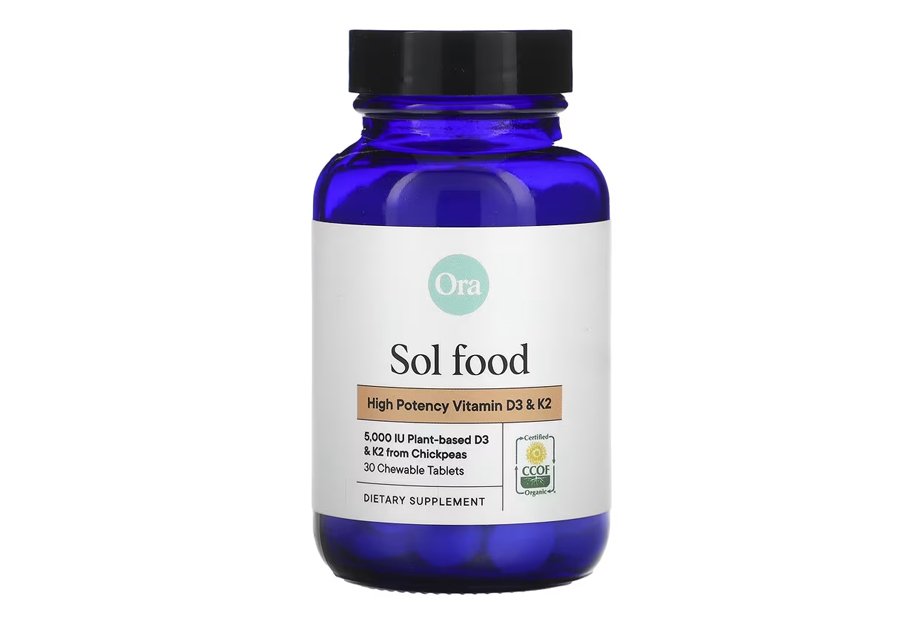
Most doctors take 2000 to 3000iU vitamin D on a daily basis. It’s vital for the immune system and could help your skin recover better from sunburn.
Buy nowPai Century Flower Lotus & Hyaluronic Acid Barrier Defence Mist, £29
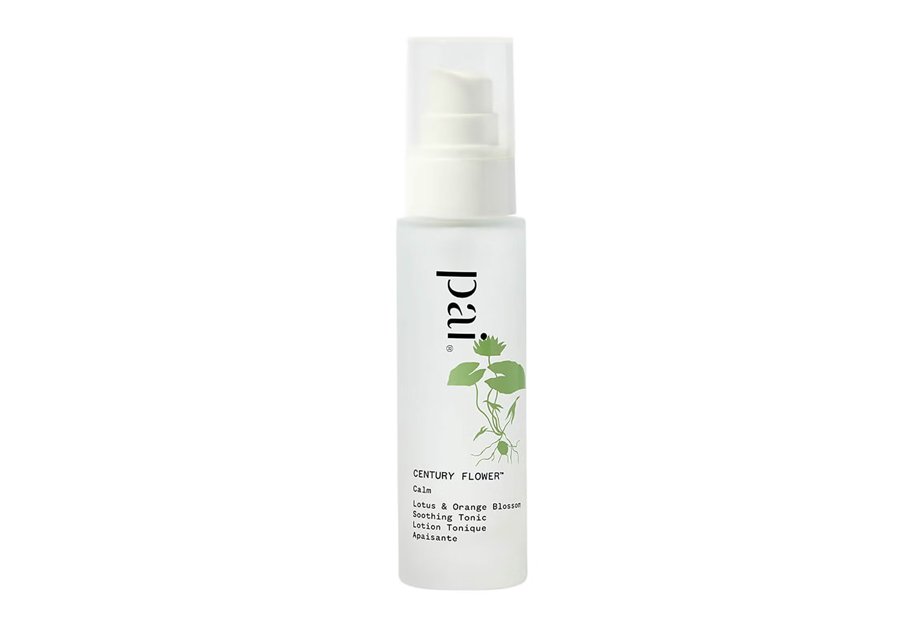
Minerals, antioxidants and barrier-building prebiotics in an instantly cooling, calming and quenching mist to spray at your red face anytime.
Buy nowHarborist Balm-Gel Cleanser, £27
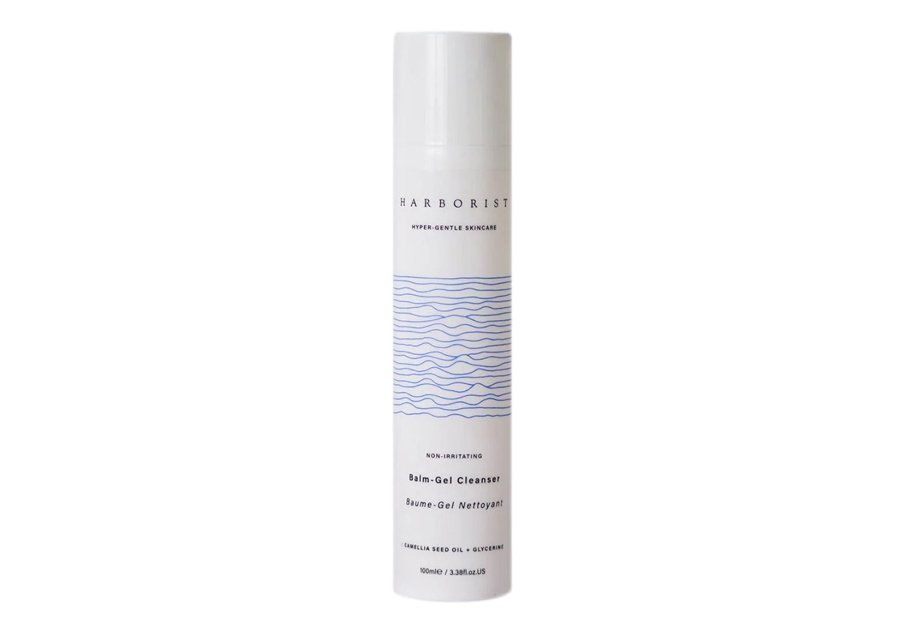
Mild enough for babies, this gel-to-milk cleanser won’t strip already-damaged skin, won’t suffocate pores and will leave skin calm and comforted.
Buy nowLa Roche Posay Toleriane Dermallergo Soothing Cream, £23.50
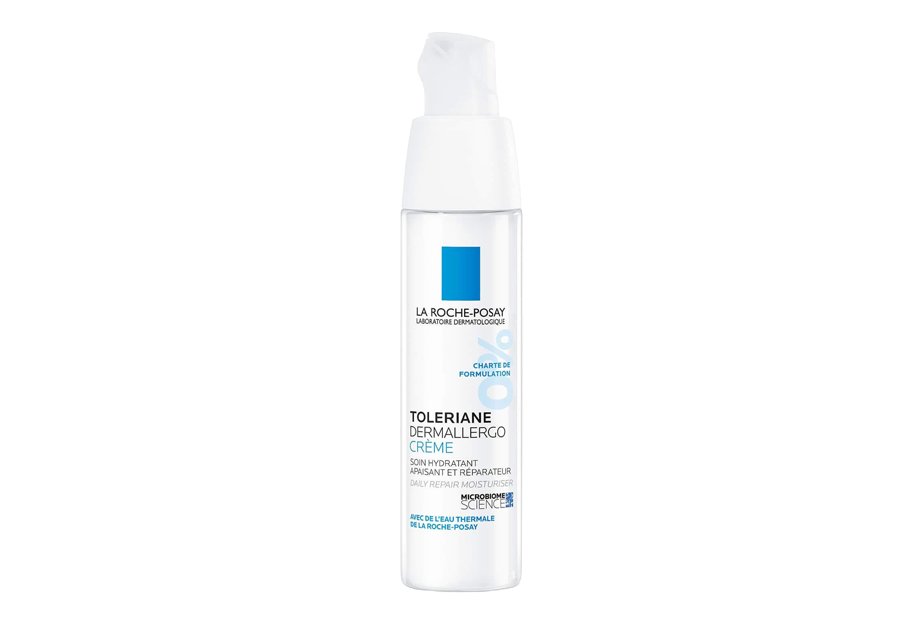
Light, fast-absorbing and fragrance-free, this has an active that instantly quells heat, irritation and redness.
Buy nowDrunk Elephant Wonderwild Miracle Butter, £35
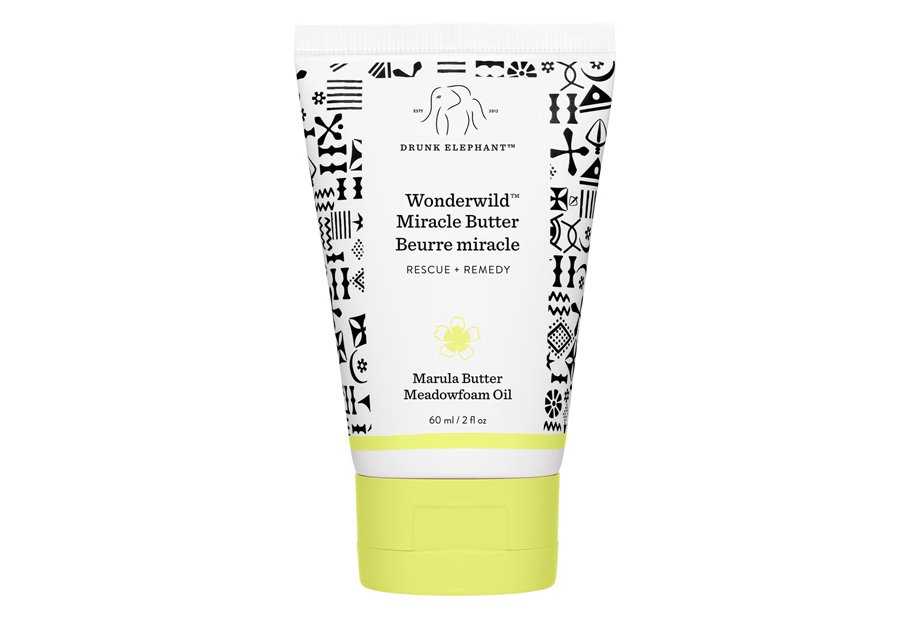
An unscented butter made of essential fatty acid-rich seed oils, this doesn’t just lock moisture into compromised skin (on face, body, anywhere) but actively helps repair it.
Buy nowRosalique 3 in 1 Anti-Redness Miracle Formula SPF50, £29.99
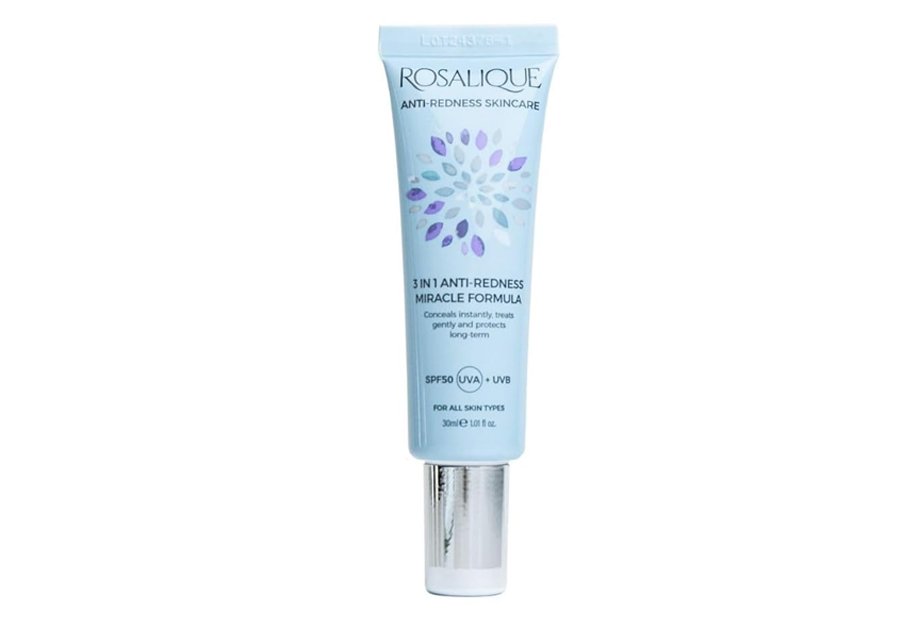
The lurid green lotion turns into a redness-concealing skin tone once you smooth it on, then goes to work with a phalanx of anti-inflammatories. Created, for rosacea-prone skin, it’s just as useful on sunburnt skin and has an SPF 50 to prevent it happening again.
Buy now