Mouth taping: it may look weird but it has surprising health benefits

Some doctors and dentists say mouth taping can aid sleep and boost oral health. So is it worth adding to your bedtime routine?
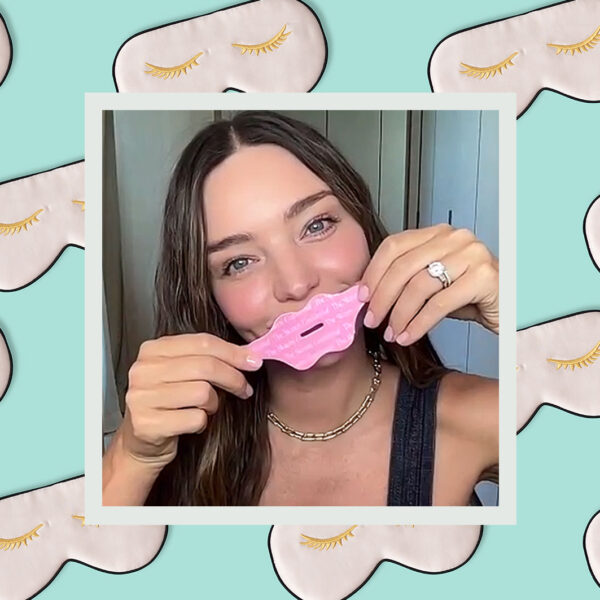
There’s no getting round the fact that mouth taping is not a good look – nor the most sociable bedtime ritual. But it’s certainly A Thing, with over 500 million TikTok views last year, up from 40 million in 2023 (and that’s not counting the inclusion of the ripping off the tape in countless #morningshed reels). Once the preserve of biohackers, it’s now gone mainstream, with Ashley Graham, Tess Daly and, naturally, Gwyneth Paltrow among the celebrities jumping on the bandwagon.

Mouth taping fans Ashley Graham (left) and Tess Daly. Photos: TikTok @theashleygraham, Instagram @tessdaly
The health benefits of taping up your lips before lights out are said to include deeper sleep, no yucky morning breath, less snoring and reduced tooth decay – all because it encourages you to breathe through your nose rather than your mouth (an estimated 60 to 70 percent of us sleep with our mouths open).
Its sleep boosting credentials are the main reason for its popularity, although it is not something the NHS recommends and there is very little published research on the subject, although a 2022 study on mild obstructive sleep apnoea (when you stop breathing while asleep) found mouth taping reduced the condition by nearly 50 percent and significantly lowered snoring intensity.
Beyond mouth taping’s celebrity fans, Dr Rangan Chatterjee advocates it, on his podcast, as does lauded American science journalist James Nestor, whose 2020 book Breath: The New Science Of A Lost Art became a Sunday Times best-seller. At first glance, it seems like “new age, woo-woo BS,” Nestor concedes, before detailing the profound changes to their health and wellbeing people have experienced by being forced to breathe through their noses.
Mouth taping is a tool to retrain us to breathe through our noses rather than our mouths. According to Nestor, 25 to 50 percent of us breathe through our mouths, out of habit. In the daytime, changing the habit is a simple case of being mindful to keep your gob shut, but at night, the tape will prevent you automatically or inadvertently mouth-breathing.
Some will have no issue with some tape stuck over their mouths, but if you do, the trick is to ramp things up slowly. Rather than taping up your mouth just before bed and hoping for sweet dreams, start by practising during the day – ideally somewhere without colleagues.
Stick to tape that has been designed to be safe on contact with the skin – porous medical tape, not duct tape (!) or Sellotape, which can damage skin – and ideally don’t cover your whole mouth.
Nestor uses a small strip of tape “at the centre of the lips – a Charlie Chaplin moustache moved down an inch”, to allow space on either side of the mouth for talking (ventriloquist style) or coughing. When you need to take it off, do a windscreen wiper-type motion with your tongue, behind the tape, until it gently eases off without ripping off a layer of skin with it.
Some mouth tapes have been specially designed to give leave you some room to breathe – see below.
Beyond all the benefits of nose breathing, mouth taping can also prevent jaw problems. When you excessively suck in air through the mouth, it can cause a narrower jaw arch and the teeth can collapse inwards as a result (who knew?!).
Less room in your mouth also means less room for your tongue – which can cause sleep apnoea. If the tongue has more space, you can breathe better.
“Dentists are increasingly at the frontline of identifying mouth breathing, snoring, and sleep-disordered breathing – issues that were once dismissed as benign but are now recognised as key drivers of poor sleep and daytime fatigue,” says Louise Hudson, founder of Kip & Glow mouth tape. “My experience with an airway dentist, who focuses on the structure of the mouth, throat and jaw to improve airflow, convinced me to start my brand.”
Then there’s the dreaded morning breath – who hasn’t woken up with a mouth like the Gobi desert? A dry mouth allows bacteria to proliferate, causing bad breath and even tooth decay.
What’s more, says nutritional therapist Charlotte Faure Green, “our oral microbiome is a driver for systemic diseases such as dementia, heart disease, arthritis, cancer, gut health, and type 2 diabetes.” Mouth taping keeps this microbiome healthy to prevent disease. It also improves REM sleep, she says, “which means better focus the following day. While the scientific jury is out on this, I do feel a difference when I do it.”
“My husband’s snoring often stops me falling sleep and wakes me up in the night,” says our editorial director Victoria Woodhall. So, she says, he tried mouth taping with some porous tape. He kept the tape on all night and slept well – “although I can’t say the same for me. The snoring started straight away. It was possibly a little quieter as his mouth was shut, but it would still register on the Richter Scale.”
Contributing beauty director Inge van Lotringen, who’s a veteran insomniac, has been using mouth tape (well, her mum’s porous medical tape) on and off for a year. “I don’t mouth-breathe at all when conscious, but I often wake up with my mouth open and desiccated,” she says. “The notion that this damages my oral microbiome is enough for me to use mouth tape. While I can’t say it’s noticeably improved my sleep, it may contribute to better sleep quality and every little bit helps.”
Mouth taping is not something that the NHS recommends and The Sleep Foundation, a US non-profit that collates evidence-based sleep health information, calls it “not a commonly accepted practice. There are no official guidelines outlining how to mouth tape safely.” If you have a medical condition, consult your doctor first.
The fun one
We Shut It The Cross Holiday Mouth Tape, £32.99 for 30
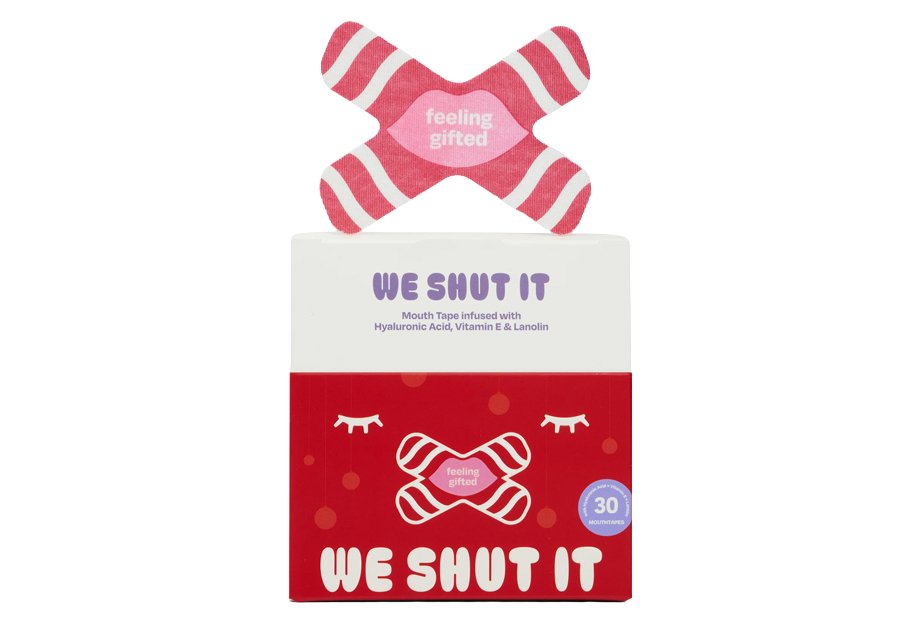
These cute patches in several designs make mouth taping fun. They have K-beauty appeal and little messages scrawled across them, plus they are soft and flexible, made from bamboo fibre and medical-grade adhesive, and infused with hydrating hyaluronic acid. The lip-shaped ones cover the whole mouth but they are breathable and there’s no discomfort. Inge finds these stay put all night.
SHOPFor better sleep
Kip & Glow Sleep Tape, £28 for 30
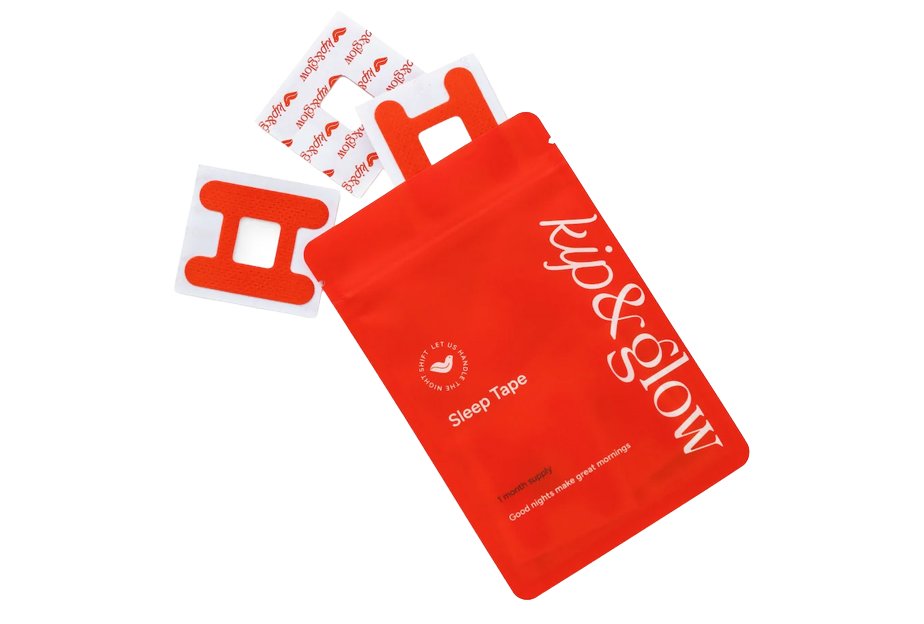
Designed by sleep-deprived women for sleep-deprived women, this Roman numeral-shaped tape trains you to keep your mouth shut (you can still breathe through pursed lips if you try hard) and promises lasting benefits (better sleep, clearer head) after 3-6 months’ use. The only issue, says Inge, is the sticking power is not great for her; that could be different for you though.
SHOPFor easily-irritated skin
Myotape Mouth Tape for Sensitive Skin, £24 for a 3 month supply
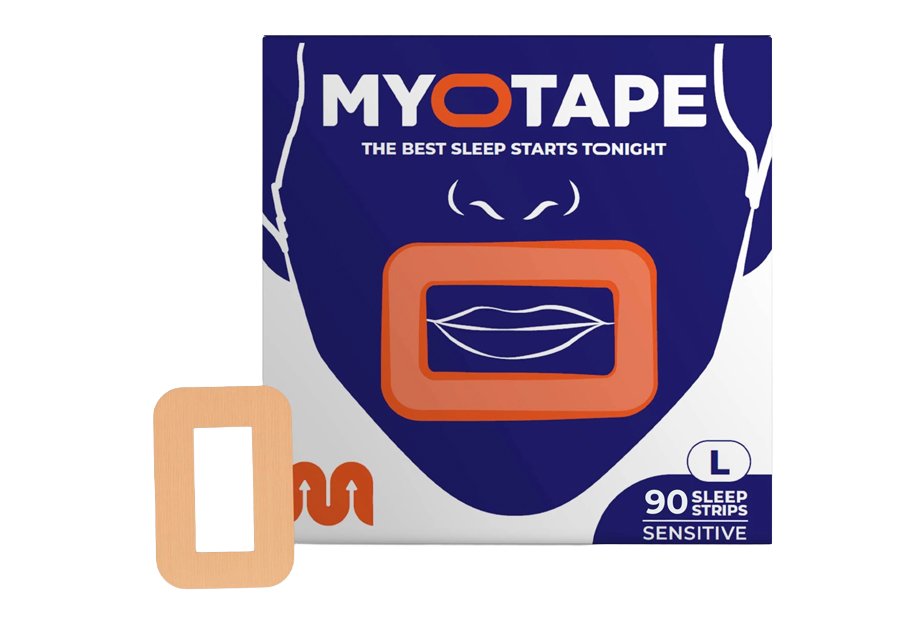
Created by breath expert Patrick McKeown, this tape (which sticks a bit less definitively than regular tape) encircles the mouth in a clown-esque fashion so it doesn’t seal the lips entirely but encourages you to sleep with your mouth closed. There are regular, children and beard-friendly versions as well.
SHOPBest-value mouth tape
Longevity Sleep Tape, £7.99 for 30
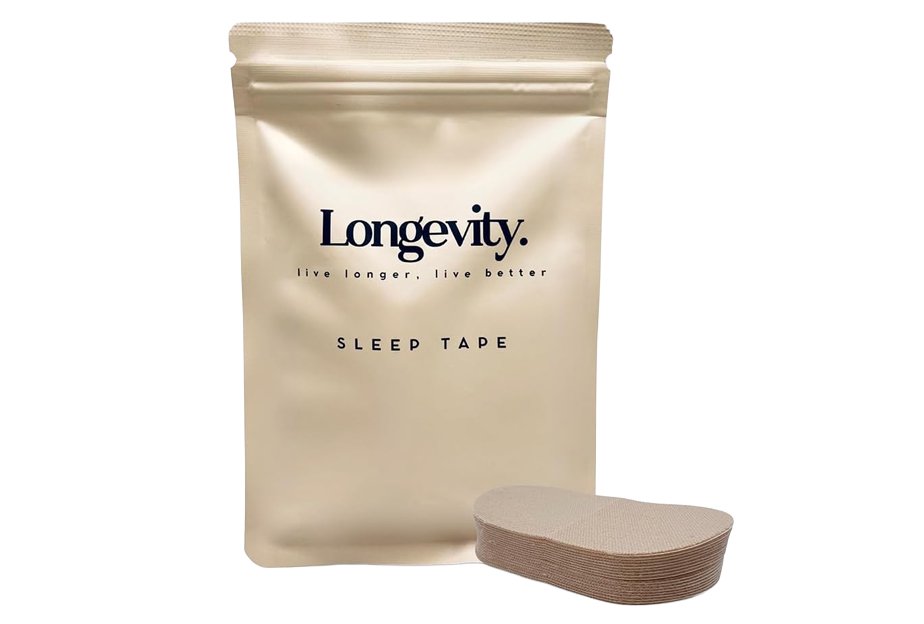
Dermatologically tested and leaving no sticky residue, this covers the mouth entirely, so avoid if that makes you feel claustrophobic. Comes in white and purple if the ‘bring out the gimp’ black is not your bag.
SHOPFor snorers
Woody Knows Extra Strength Mouth Tape, £13.99 for 24
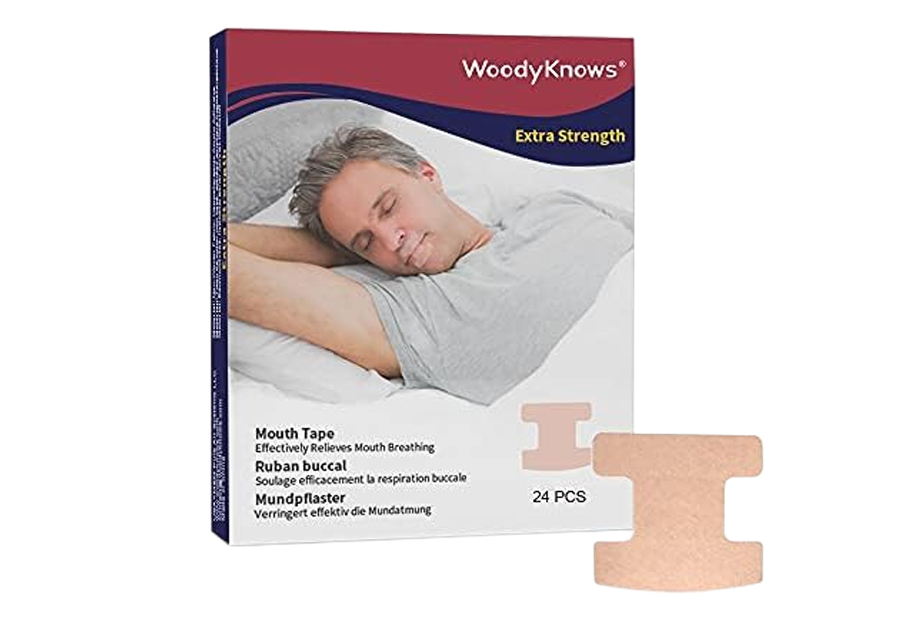
A Capital I-shaped tape that’ll firmly shut your lips (but leaves the outer corners free) to stop you snoring and encourage healthy nose-breathing.
SHOP