The best supplements for hair growth

There are plenty of vitamins and supplements to boost hair growth and combat hair loss. But which will truly make a difference?
Hair loss and hair thinning can have so many causes – from ageing, to menopause, stress, weight loss, nutritional deficiencies, medication, illness, post-pregnancy, hormone imbalance and genetics – it’s no wonder that the market is awash with supplements for hair loss and shedding, full of potent vitamins and other nutrients promising a hassle-free route to restoring growth and volume.
We know a balanced diet is essential to support optimal hair growth and prevent hair shedding (losing 100 hairs a day counts as normal hair loss, by the way) so it makes sense that topping it up with the most crucial nutrients in the form of hair supplements should help, right?
“There is a definite place for some supplements as part of a hair loss treatment regimen,” agrees hair transplant surgeon Dr Bessam Farjo of the Farjo Hair Institute. “As long as you appreciate it is more of a support role.”
To find out what that means precisely, and home in on the nutrients and vitamins that have an actual impact on hair loss, we asked the experts.
Trichologists, dermatologists and hair doctors are unanimous: the right diet is your baseline treatment for supporting or restoring healthy hair growth. “A vitamin and mineral-rich diet that’s good for you generally is good for your hair,” says Dr Farjo.
Food gives us the nutrients we need in a bioavailable way, but that’s not a given for supplements. There’s no guarantee that your body is going to use the pills you pop and put all those goodies into your hair. Trichologist Anabel Kingsley explains: “If your diet is not great, your body is going to send the nutrients within your supplements to essential tissues – not your strands.”
She recommends protein (meat, eggs, dairy, soy) to provide hair’s building blocks, complex carbs (whole grains, potatoes with skin on) for the energy to grow hair, and iron (red meat, beetroot, dried apricots) to prevent fallout as some of your most important hair foods.
Experts agree that supplements only make sense if your hair loss is caused by a nutritional deficiency, rather than the other myriad causes. To check whether nutrition is your issue, you need a blood test. That said, there are some common vitamin and mineral deficiencies, says Kingsley. “Lack of dietary protein is a common cause of brittle hair and hair loss, as is too little ferritin (stored iron), which women who menstruate are often deficient in. Women who’ve entered menopause are often deficient in vitamin B12, D, and zinc,” she says.
If you’re predominantly plant-based, you may not be getting enough protein for hair growth either, which is where vegan protein powders can be a bonus.
Nutritional supplements “are an area of the market where unfortunately you see a lot of overpromising and even mis-selling,” says Farjo. “Some can be a very good option if the hair loss is at a very early stage, or the objective is to improve the quality of the existing hair. But when tackling serious hair loss, they can only be relied on as part of a long-term multi-pronged treatment plan.”
Clinic treatments for hair loss can include hormone treatment, medicinal scalp drops, microneedling (this helped our editor recover from hair loss) or even scalp PRP, polynucleotides treatment, micrografting or hair transplants.
These are the nutrients and supplements recommended by experts.
You may be surprised to hear what our experts have to say about some very popular nutrients and supplements for hair growth…
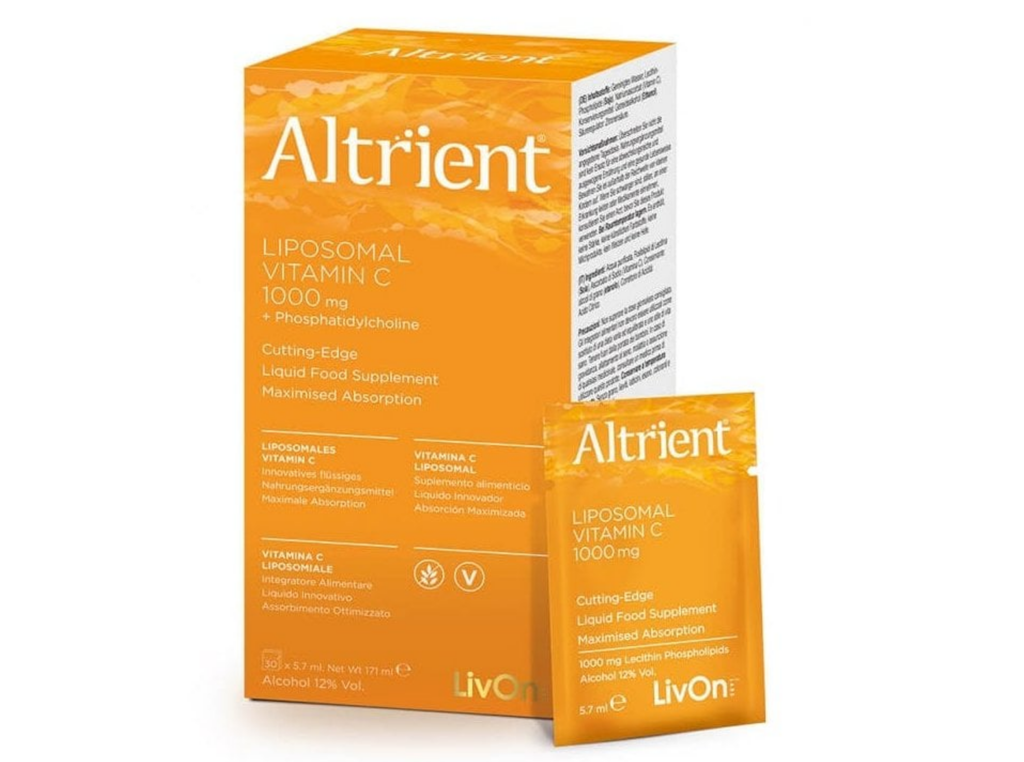
Scooping Gold in the Get The Gloss Wellness Awards Hair Health category, this 1000mg liposomal vitamin C, loved by judge Dr David Jack, already has impressive studies for skin collagen improvement. Now has scientific credentials for hair growth too. A small independent clinical study of 15 women showed a 37.5 per cent reduction in hair loss, a 19 per cent increase in hair count and a 50 per cent drop in the number of broken hairs over 12 weeks on two sachets a day. The results are thought to be down to vitamin C being a co-factor for collagen production as well as supporting iron uptake. Yes, two a day makes it pricey but it’s a supplement that will benefit your overall health – and skin too. Liposomal vitamin C is easier on the stomach too.
Best hair growth supplement for iron-deficient women: Lambert’s Florisene for Women, £21.95 for a three-month supply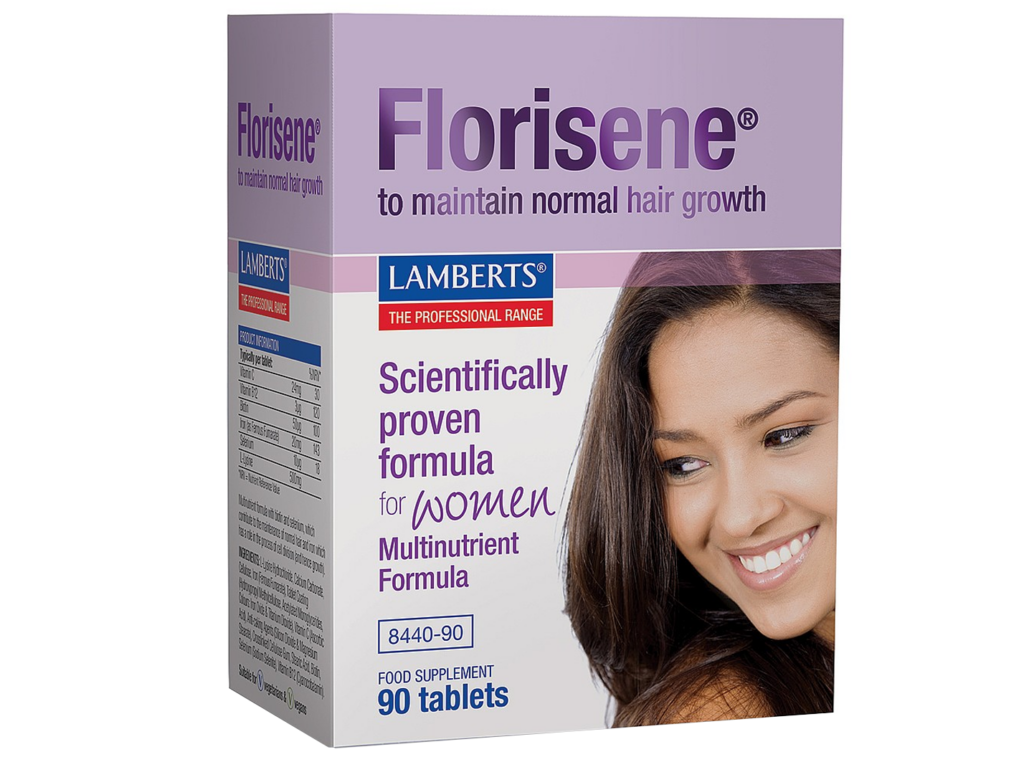
Highly absorbable iron and amino acids alongside vitamins C, B12 and biotin, this has all the main nutrients for hair growth and comes recommended by Dr Jing Gao and Dr Farjo for those deficient in iron.
Best hair-thickening supplement: Philip Kingsley Density Amino Acid Protein Booster Supplement, £32 for a 3-month supply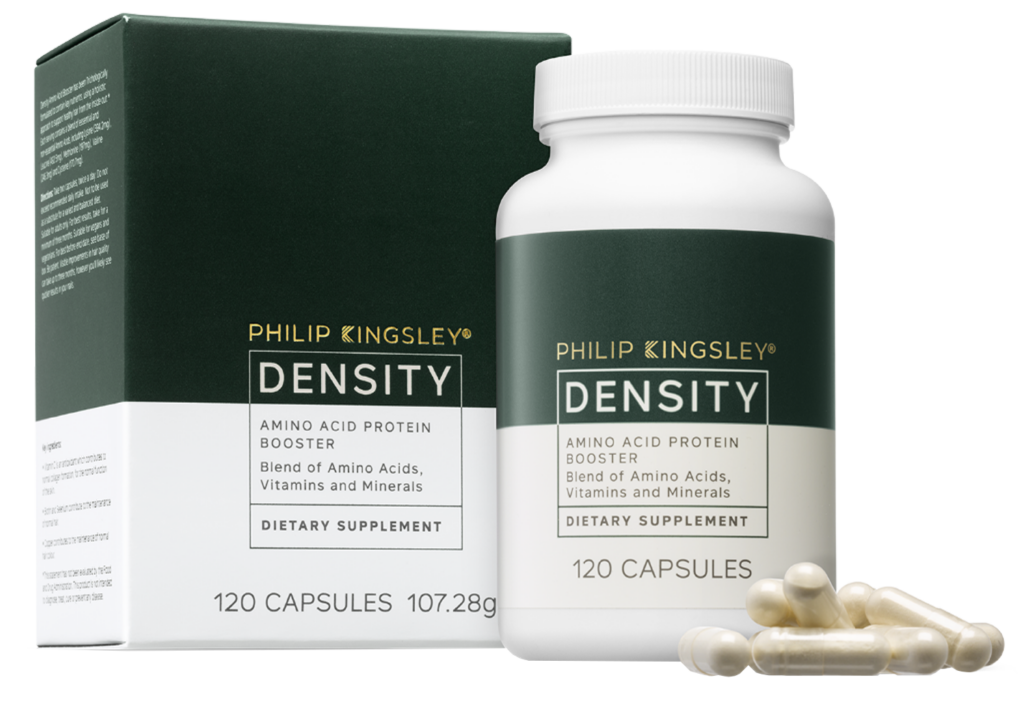
Provides amino acids (the constituents of all proteins), collagen-boosting vitamin C and biotin and selenium for healthy hair maintenance. Also has copper, said to keep hair colour alive.
Best-value powerhouse hair growth-support: Kansha Good Hair Nutrient Complex, £25 for a one-month supply 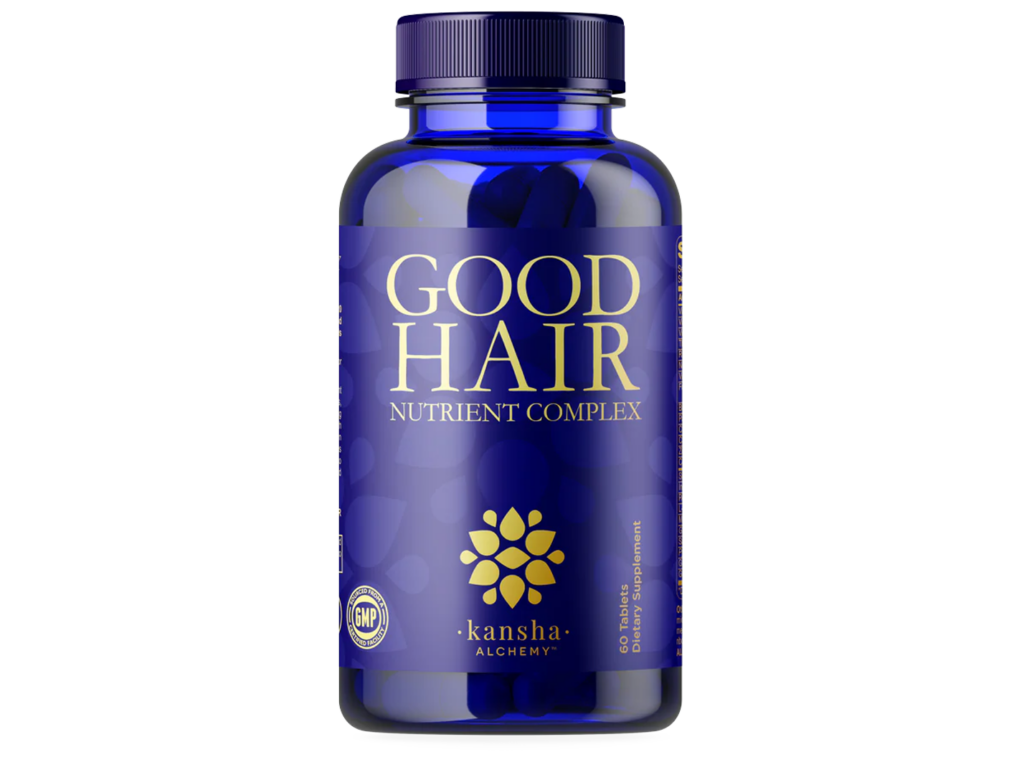
Has every doctor-recommended vitamin and mineral you can think of, including vitamins D and B12, in high doses and in well-researched bio-available form to limit hair shedding and leave it thicker and shinier.
Best collagen-based hair growth supplement: Nourkrin Woman Hair Nutrition, £37.49 for a one-month supply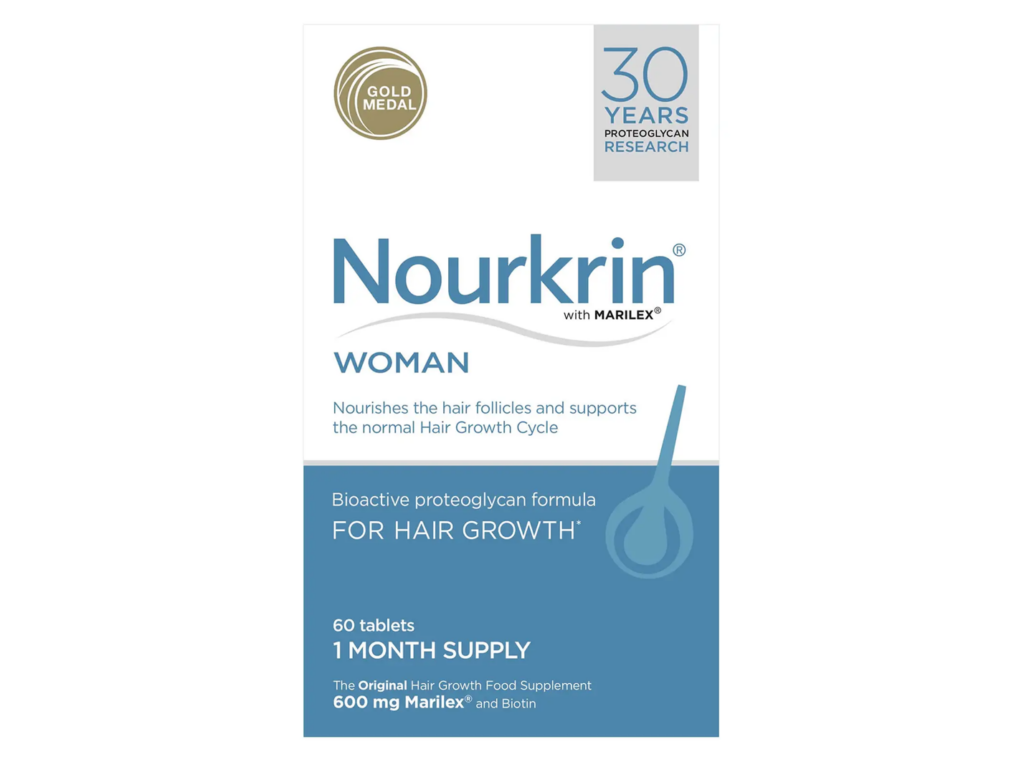
Despite this being based on marine collagen and biotin, this is routinely recommended by hair specialists such as Dr Farjo as a supplement that will support and normalise the hair growth cycle.
Best stress-relieving hair supplement: Hush & Hush Deeply Rooted, £63 for a one-month supply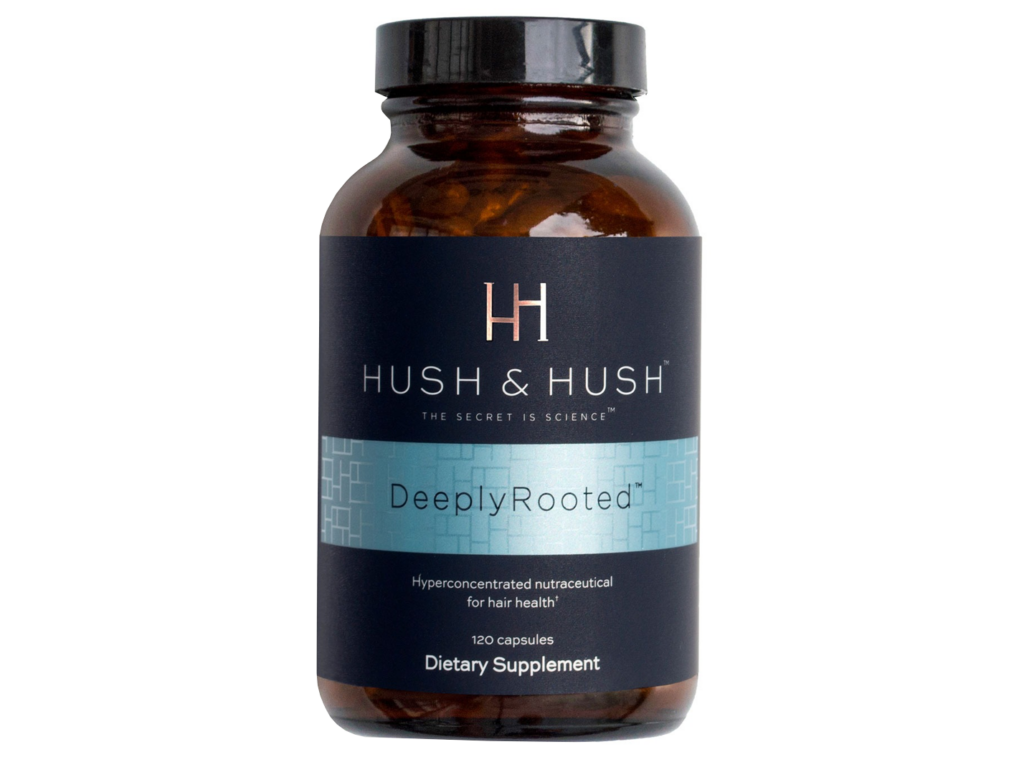
This ‘clinically proven hair growth supplement’ delivers amino acids, B vitamins (including B12 and biotin), vitamins D, E and A and a whole host of anti-oxidants and adaptogen plant extracts like ashwagandha to protect your system from hair-thinning stress and pollutants. It is similar in its makeup to Nutrafol Women, £139, which comes recommended by Dr Farjo but is an expensive US import.
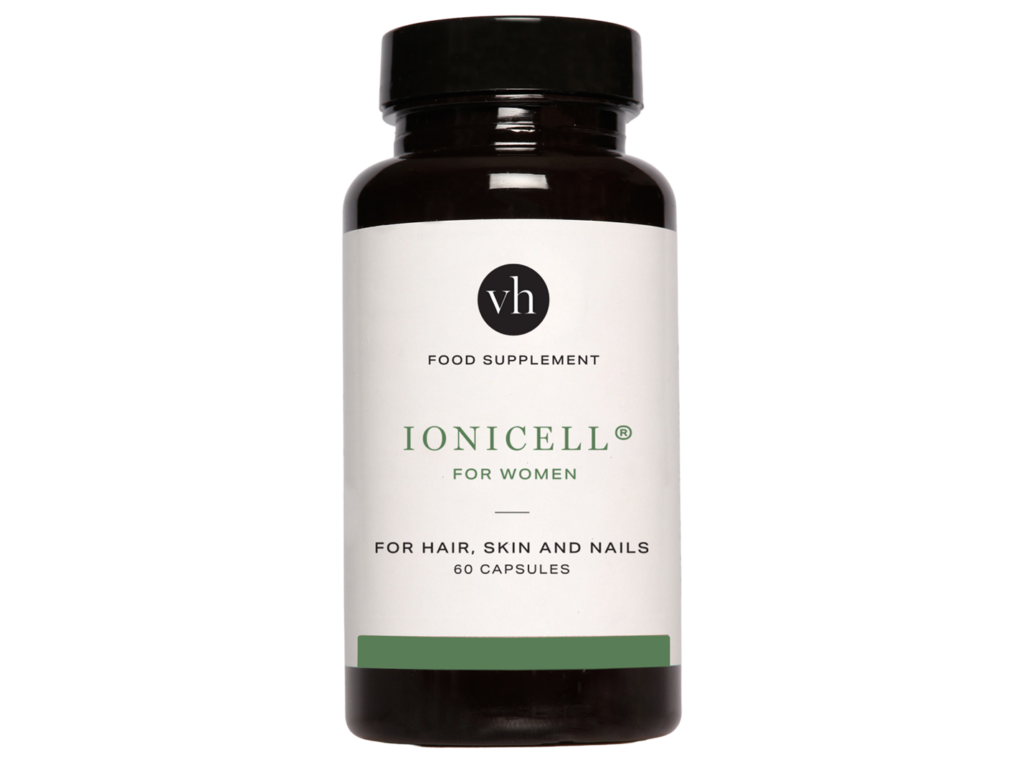
A blend of fulvic acid and minerals in a highly bio-available ‘ionic’ form, this delivers 65 essentials minerals and trace elements including zinc and iron that together provide cellular energy, improve nutrient absorption and stimulate collagen to nourish the scalp. Pharmacist Shabir Daya and GTG favourite Trinny Woodall swear by this supplement to support hair growth.
Best hair growth gummies: Hum Nutrition Hair Sweet Hair, £27.25 for a one-month supply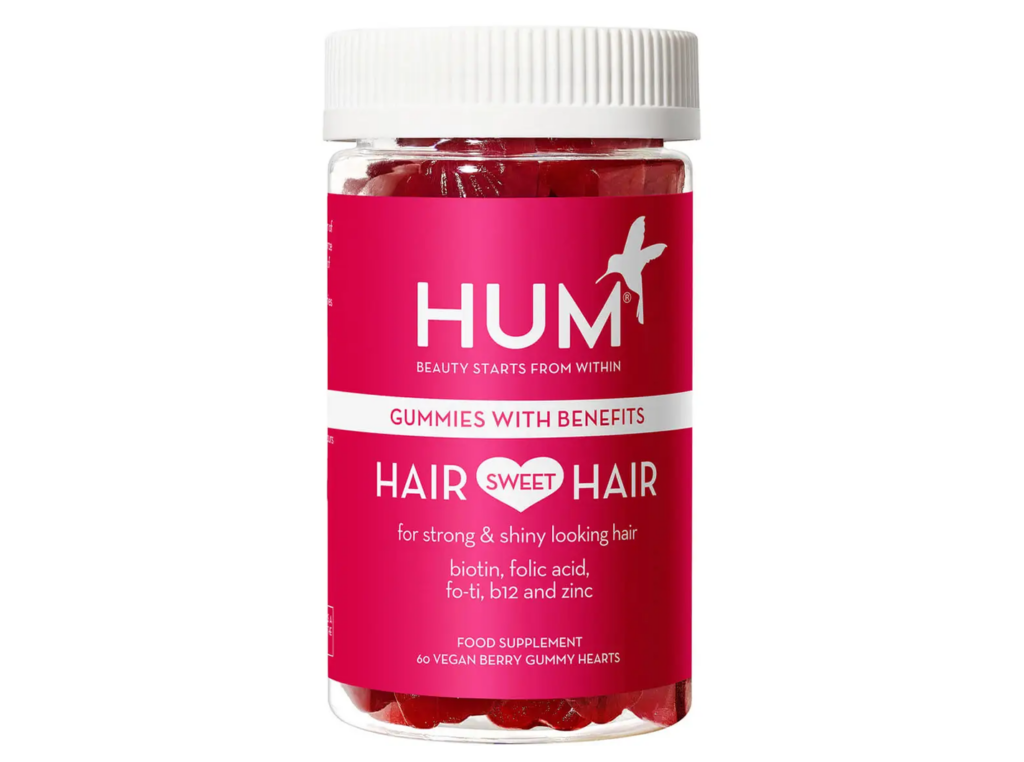
Formulated to support hair growth with doctor-recommended B12 and zinc, these vegan gummies also have circulation-boosting biotin, folate and Chinese herb fo-ti plus PABA, which is thought to ward off greys.
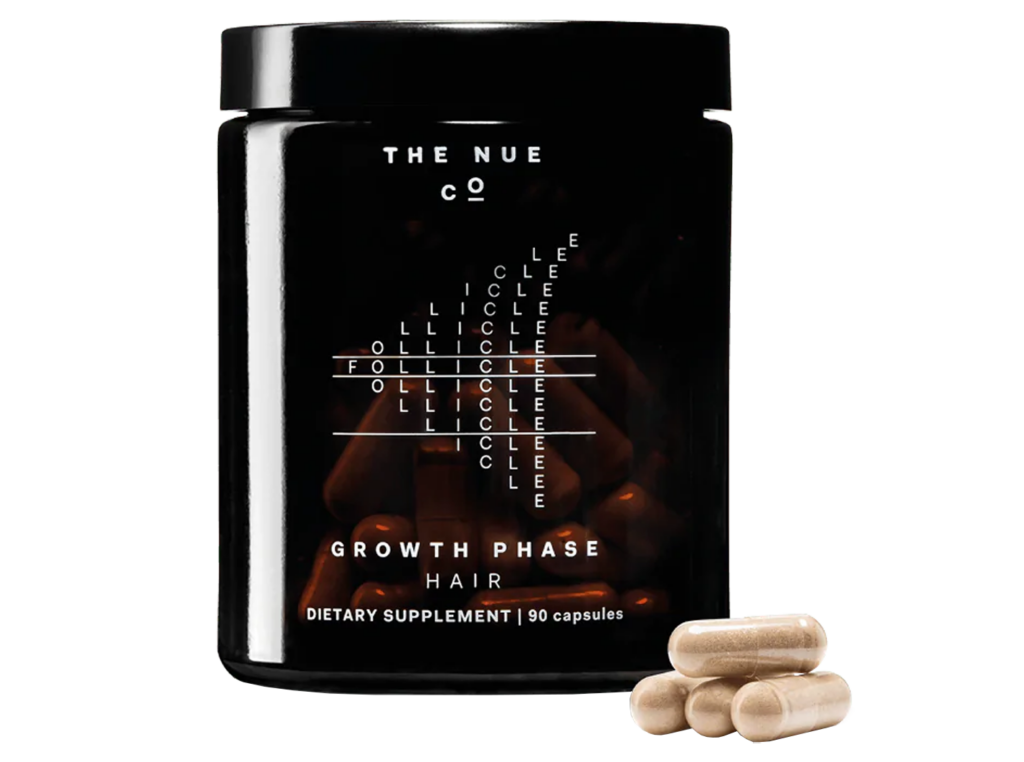
Has the B and C vitamins that experts rate alongside chicken egg membrane to top up protein levels, but also aims to balance hormones (hormonal upheaval is a cause of hair loss) and reduce stress levels with adaptogens such as reishi mushroom.
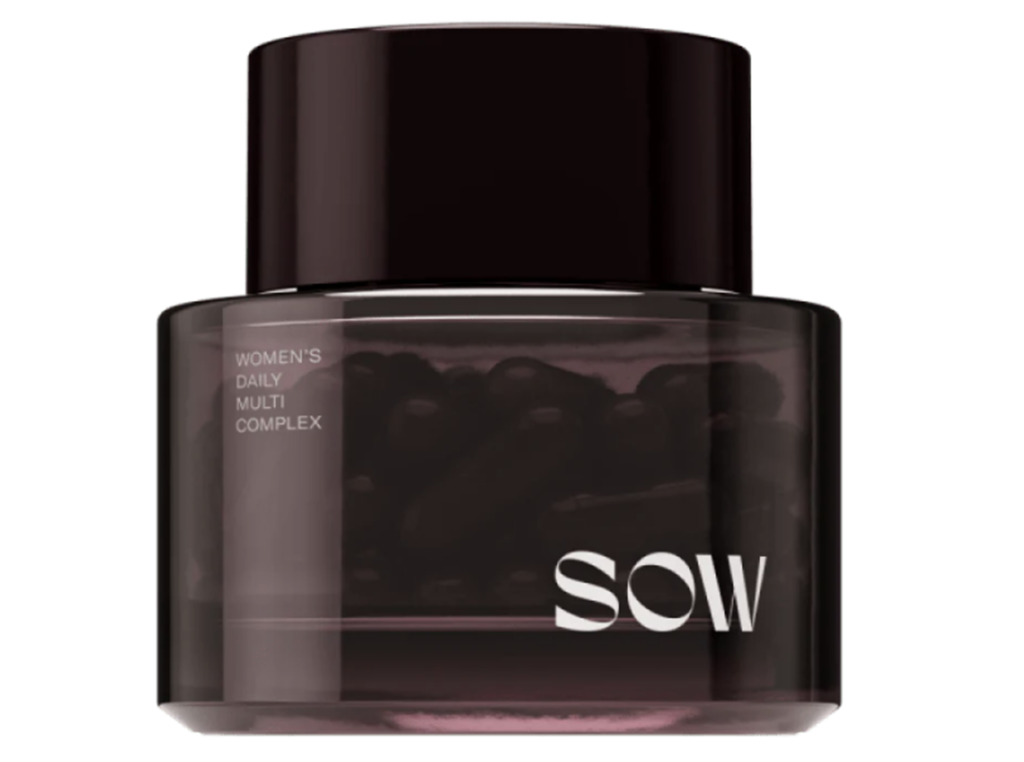
A hair and skin supplement specifically for women of Afro-Caribbean, Asian and Arab heritage? Yep, says founder Simi Launay, because skin of colour is less able to synthesise vitamin D, “so we provide the appropriate inclusion of the vitamin for these communities.” She’s also included moisture-retaining hyaluronic acid owing to the fact that darker skins in particular lose more water, and plenty of red blood cell-boosting nutrients (vitamin C, B vitamins, iron) “because darker skin has lower blood vessel reactivity that lighter skin so needs more support for delivering nutrients to the scalp.” Add zinc and MSM (methylsulfonylmethane, a nutrient thought to strengthen keratin), and you have a supplement that ticks all the boxes.