Longevity skincare – we test the hyped serums and creams
Skin longevity is this year’s big beauty trend but does it deliver anything genuinely new – or is it anti-ageing reinvented?
You might have heard a lot of talk about ‘skin longevity’ in recent months. Because ‘longevity’, for a while a buzzword bandied about by biohacking bros, has entered the beauty lexicon, with longevity skincare taking over the shelves in Boots and SpaceNK.
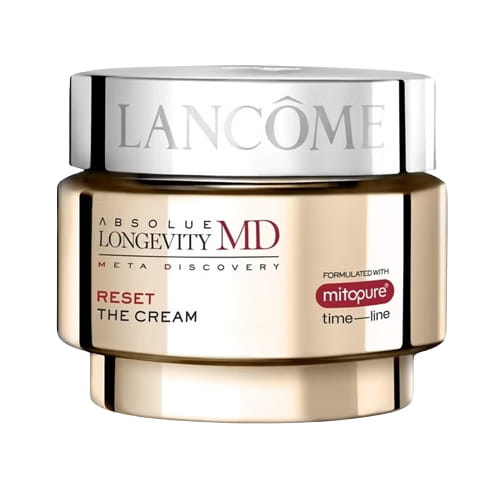
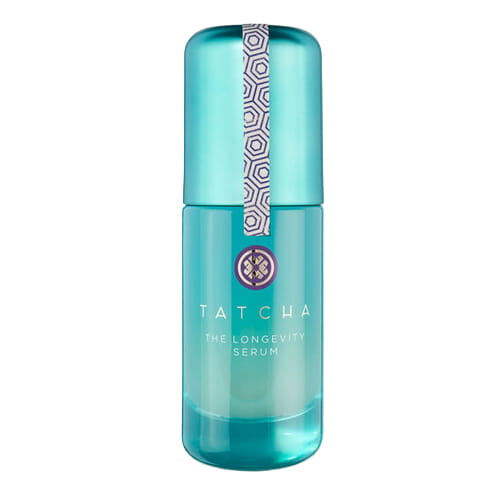
Major brands have brought out expensive ranges that name-drop the L word: Lancome Absolue Longevity MD, from £135, fronted by 63-year-old actress Demi Moore, promises to target ‘cellular senescence’ (when old cells stop dividing), while Tatcha’s The Longevity Serum, £83, suggests that its Blue Zone-inspired ‘Okinawa Cellescence Complex’ of botanicals will do likewise. Meanwhile, on social media, influencers are sharing ‘skin longevity’ guides. But what exactly does it all mean?
From a wellness point of view, longevity science is all about not just extending our lifespan (the number of years we live) but extending our healthspan, the number of healthy years we live. The idea is that we can be proactive, focusing on prevention and preservation, rather than correcting or curing. Translate that into skin, and it’s ostensibly about keeping our skin healthy for longer. Yes, ‘skinspan’ is now a thing.
But is longevity skincare simply ‘anti-ageing’ by another name? Does it really demand specific longevity serums with new ingredients? I asked some of the UK’s top dermatologists – scroll down to find out what they said.
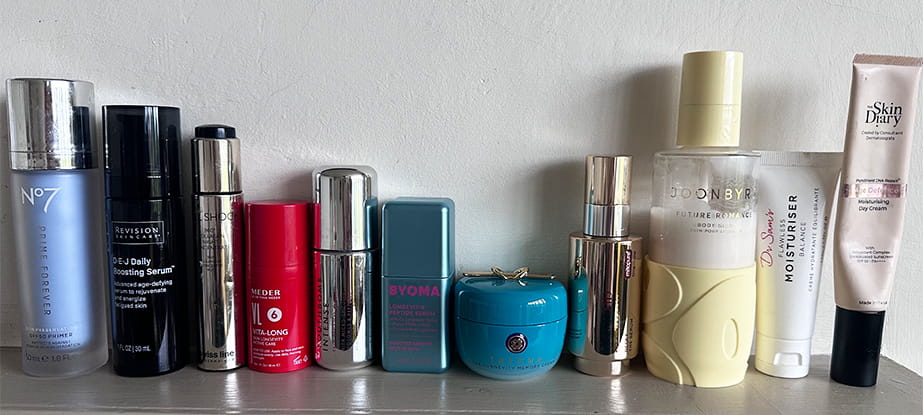
Our longevity skincare stash: all the serums and creams we tested
My first instinct was to dismiss ‘skin longevity’ as a politically correct reinvention of the term ‘anti-ageing’, which has been demonised in the last decade, with many asking why we should be ‘anti’ a natural process, criticising the negative connotations associated with it, and the fact that it’s mainly aimed at women. However, many of the dermatologists I spoke to pointed out that this new term actually represents a shift in our thinking about skin.
“While there is certainly marketing attached to it, skin longevity reflects a genuine change in dermatology and skin science in the last five years,” says Dr Caitriona Ryan, clinical professor at University College Dublin, consultant dermatologist and co-founder of ID Formulas longevity supplements.
“It’s about a deeper scientific understanding of why skin ages and how we may be able to preserve its function over time.”
She points out that while traditionally, anti-ageing has focused on treating the visible consequences of ageing, such as wrinkles, pigmentation, laxity and uneven texture, skin longevity isn’t about how we make skin look younger, but about how we keep skin functioning like younger skin for as long as possible, in the same way that we want all our other organs to support us for the long haul.

“Healthy skin is remarkably resilient,” she adds. ”It repairs DNA damage efficiently, maintains a strong barrier, produces collagen effectively, controls inflammation and protects itself against oxidative stress. With age, those systems gradually become less efficient.
“Skin longevity is about supporting those biological processes before significant decline occurs,” she says. She and other dermatologists now look at skin through the lens of the hallmarks of ageing, the 12 biological processes that drive ageing throughout the whole body.
Applied to skin, these are concepts such as ‘inflammageing’ (the idea that ageing is actually a disease of inflammation), mitochondrial health (the skin cells’ energy banks), cellular senescence (what happens when cells get old), preserving the extracellular matrix (keeping the structure of the skin intact) and DNA repair.
It’s all very different to the ‘anti-ageing’ tropes of blasting our wrinkles and lifting our jowls; these ideas were “simply not part of mainstream skincare conversations a decade ago,” she says.
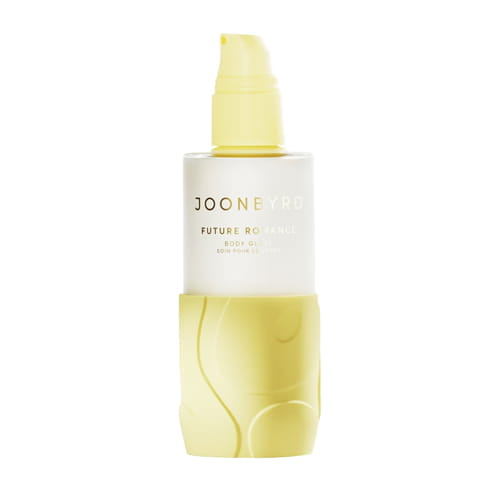
All this does make perfect sense — after all, skin is the body’s largest organ and its first line of defence. The science is credible, but why is it that most of the new longevity skincare products target just the face – which makes up less than five per cent of skin – not the whole body? There are only a handful of body longevity creams, such as Joonbyrd Longevity Body Glaze, £62, which is aimed at improving skin resilience and Neova Body Repair, £69, which has DNA repair enzymes, more on which below.
This is where marketing muddies the waters. While ostensibly the focus of skin longevity is improving skin function, it’s also true that if you stop skin from declining, chances are you’re also preserving a more youthful face.
When we’re talking about prevention rather than cure, it makes sense that you’d start a skin longevity regime earlier in your 20s or 30s, before you start to see an age-related decline in levels of collagen (wrinkles, sagging) and measurable decline in cellular energy (your mitochondria – your cell ‘batteries’.)
But you don’t necessarily need a longevity cream at this stage, as simple skin preservation habits can have the biggest effect, says consultant dermatologist, Dr Sidra Khan. “For most people in their 20s, ‘skin longevity’ is overwhelmingly delivered by daily broad-spectrum sunscreen, not smoking, [sufficient] sleep, and a sane barrier-supportive routine – not a shelf of endless serums!”
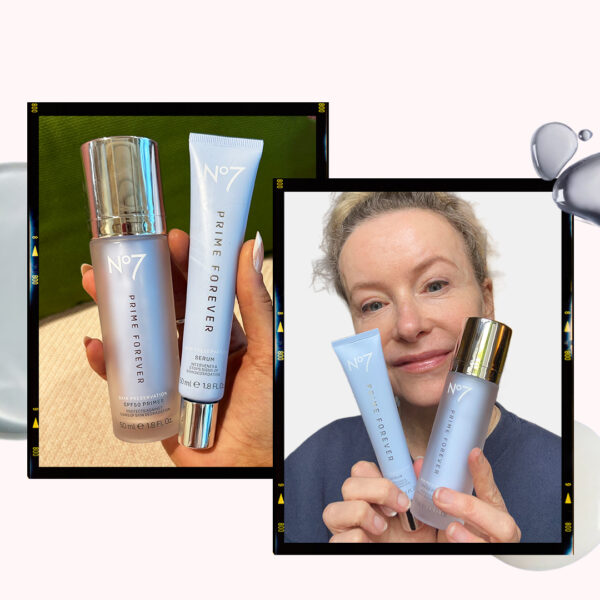
And, in fact, that’s exactly the demographic that No7 is targeting with the Prime Forever launch earlier this year. The range, targeted squarely at 30-somethings, leverages the concept of ‘prejuvenation’ — or keeping skin at its optimum for as long as possible — using a combination of peptides, antioxidants and sun protection.
But while a skin longevity approach can benefit everyone, there are some for whom it can be particularly helpful.
”We know that chronic inflammation drives ageing — ‘inflammageing’ is a real and well-described concept,” says Dr Khan. “So a regime built around calming inflammation, supporting the barrier and avoiding the irritation-repair-irritation cycle is both a longevity strategy and exactly what reactive skin, such as rosacea-prone or sensitised skin, needs.”
She adds that if you’re someone who doesn’t do well with “a traditional ‘anti-ageing’ routine stacked with strong actives that the skin can’t tolerate, a longevity-led, anti-inflammatory approach is often more appropriate.”
There’s a lot of chat about exciting new longevity ingredients. But according to Prof Ryan, “many of our best evidence-based anti-ageing ingredients also happen to be our best longevity ingredients. The difference lies less in the ingredient itself and more in the biological pathways we are trying to support.”
“Ultraviolet exposure remains the single biggest external driver of DNA damage, collagen breakdown and premature skin ageing, so daily broad spectrum sun protection does more to preserve long term skin function than anything else you can apply,” says Prof Ryan. “Any serious longevity conversation that does not begin there is incomplete.”
Like many dermatologists, she’s a fan of physical sun filters (such as zinc) because she believes they are less likely to cause irritation, and favours a tint, which shows the product contains iron oxide, which has been shown to offer extra protection to skin prone to pigmentation.
NAD+ is touted as a longevity ingredient, especially in the supplements landscape and is a coenzyme essential for cellular energy production, DNA repair, and metabolic signalling. But the consensus is that simply putting NAD+ into a cream or serum probably isn’t the answer, as it’s a large, unstable molecule and has limited skin penetration. However, topical ingredients, such as niacinamide, or sunflower sprout extract (see below) can help boost NAD+ levels within the body, might help, as might some oral NAD+ booster supplements. But, says Prof Ryan, “applying NAD+ directly is far more persuasive on a label than it is in the biology.”
UV from the sun damages our DNA, but there are some enzymes — found in bacteria, algae, other plants and many animals — that can help repair this damage. While humans may have evolved to no longer produce these enzymes ourselves, there is a way that we can benefit from them.
“Enzymes like this can be delivered in liposomes [fatty bubbles] so they penetrate skin and help to reverse any DNA damage caused by UV,” explains Dr Khan. “They boost our own repair machinery, clearing UV-induced lesions before they drive pre-cancers or mutations.” Still not widely used, they can be found in The Skin Diary Age Defence Moisturising Day Cream, SPF 50 and Neova’s Correction range and SPF.
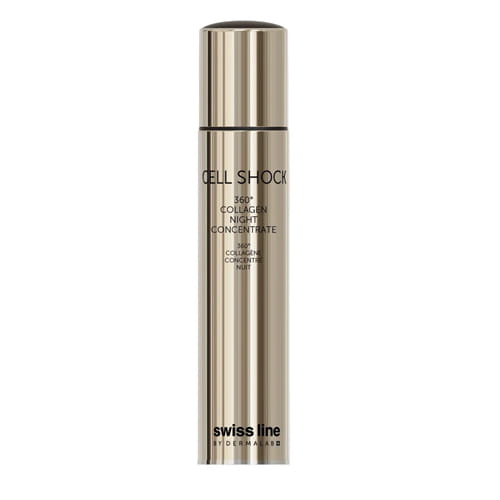
The hottest new skin longevity ingredient is sunflower sprout extract. There’s a trademarked version of it called RejuveNAD, found in Swissline 360 Collagen Night Concentrate, and now also in Beauty Pie Youth Bomb Intense, £59 for members, which has been shown to boost NAD+ in vitro and which has the claim of making skin look eight years younger. However, it gets a lukewarm reception from the derms I spoke to. “Laboratory studies suggest it may activate antioxidant defence pathways and support mitochondrial resilience, but robust human data isn’t there yet,” says Prof Ryan. She’s similarly hesitant about other antioxidant ingredients such as CoenzymeQ10, which some claim can improve mitochondrial energy: “The topical evidence remains modest”.
“Certain botanical extracts [such as astragalus, centella asiatica, and rhodiola rosea] have been shown to slow telomere shortening,” says consultant dermatologist Dr Malvina Cunningham of Renew & Me skincare. Telomeres are protective caps on chromosome ends that shorten with each cell division. These extracts also modulate telomerase, the enzyme that maintains telomeres in vitro. “When telomeres become critically short, cells enter a state of ‘growth arrest’ that contributes to tissue ageing. “Human clinical data are still limited, though,” she adds.
While the promise of longevity skincare is seductive, it feels like the marketing is still outpacing the science. If you want to preserve your ‘skinspan’, start with the basics. They might not be as flashy, but a consistent routine that helps to keep your skin barrier healthy and intact, includes broad-spectrum SPF to protect your skin from DNA damage, and adds in antioxidants and enzymes to help mop up free radicals and repair any damage is essential. Once those basics are in place, then — and only then — you might want to look at products that can preserve your telomeres or boost NAD+ levels as well.
The prejuvenation powerhouse
No7 Prime Forever SPF50 Primer, £24.95
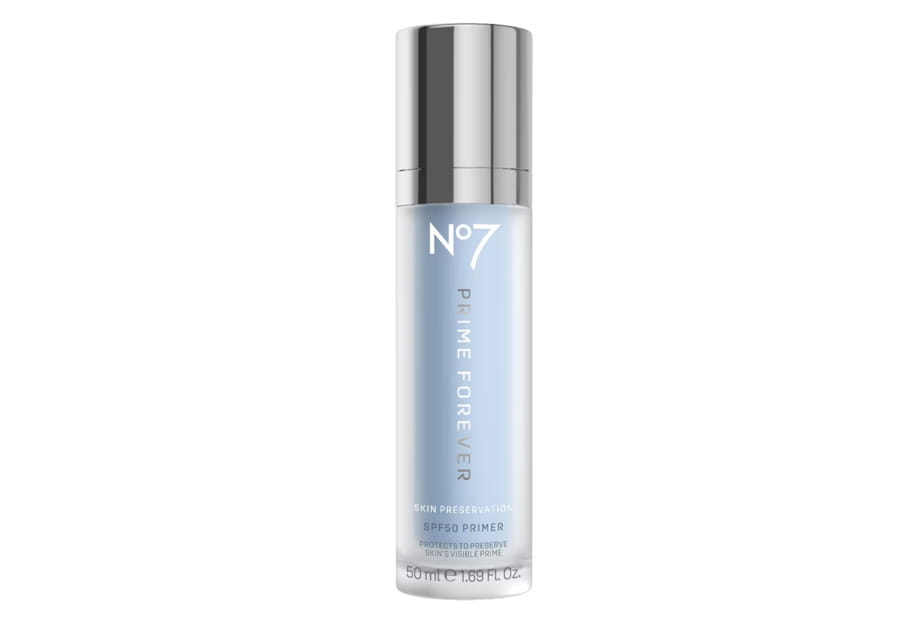
There’s no arguing with the combination of antioxidants and broad-spectrum UVA/UVB protection both found in this lightweight primer, as our most powerful weapon against the destruction (and therefore accelerated ageing) of skin cells of any colour and of any age. To complete the triple threat, they’ve added No7’s potent peptide that’s the hero ingredient of the blockbuster No7 Future Renew damage repair range. It uses chemical rather than the mineral sun filters recommended by the derms I spoke to, but is nevertheless an affordable all-rounder if you aren’t prone to redness.
SHOPThe mineral SPF in 20 shades
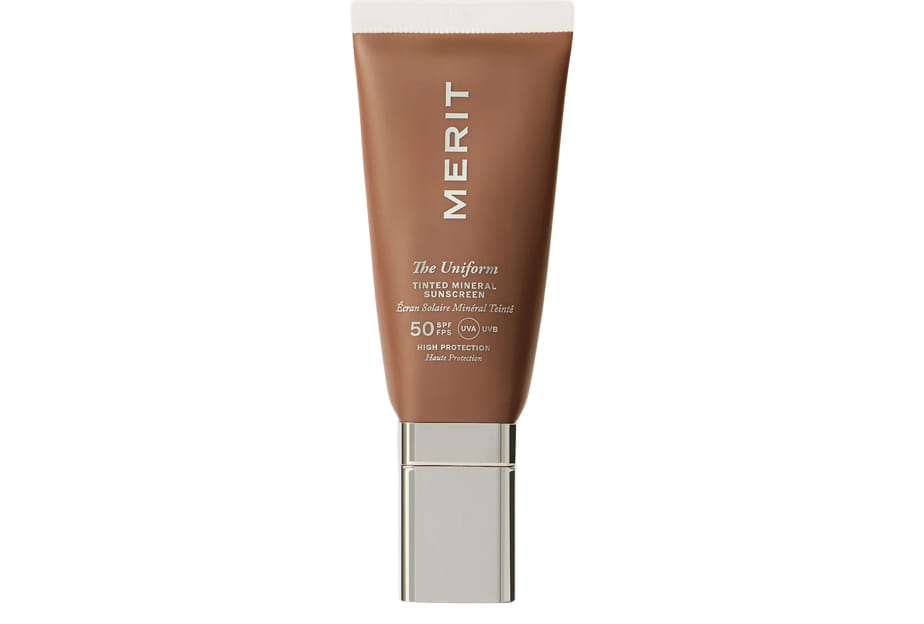
As Prof Ryan says, broad spectrum sun protection, ideally tinted zinc oxide, is the starting point for any longevity regime. And this is particularly important for anyone who suffers from melasma, or any other form of hyperpigmentation, which can be considered a form of inflammation. I’ve tried many tinted SPFs and this, available in 20 shades, is one of the best.
SHOPThe soothing must-have
The Ordinary Soothing & Barrier Support Serum, £17.30
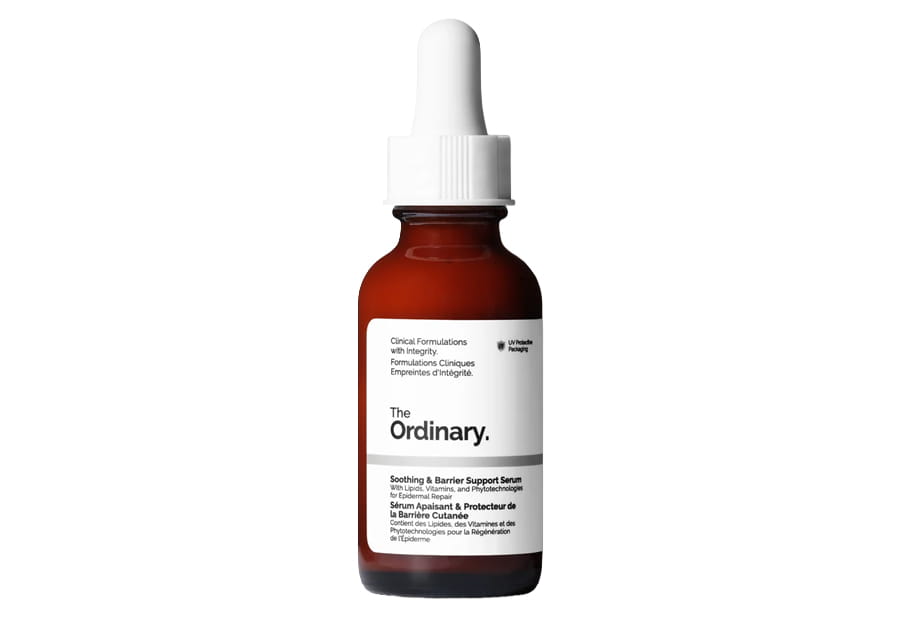
Maintaining the skin barrier and dampening down any irritation is at the heart of longevity skincare so this serum, packed with soothing ingredients, such as bisabolol and centella asiatica, barrier repair heroes, such as ceramides, and that all-rounder, niacinamide, which might just help boost NAD+, is a winner.
SHOPThe dry skin saviour
Dr Sam’s Flawless Moisturiser Intense, £36
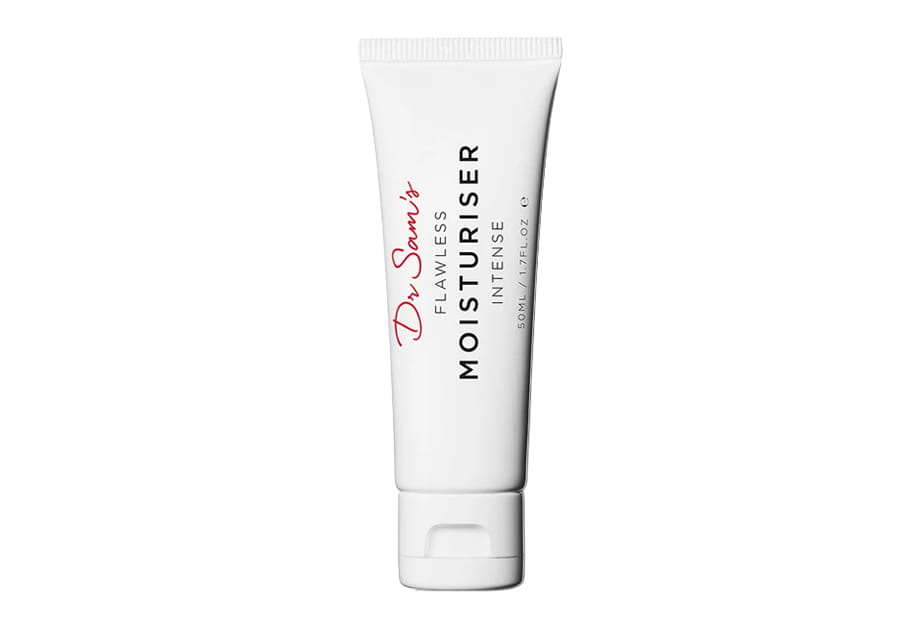
While the jury might be out on whether the sunflower seed extract that this contains can really boost NAD+ levels, this moisturiser is packed with skin-soothing and barrier-boosting ingredients, including panthenol, ectoin, squalane, ceramides, and centella asiatica. It’s perfect for dry, thirsty skin, as well as for any flare-ups after you’ve been heavy-handed with an active. The new lighter version Dr Sam’s Flawless Moisturiser Balance, is a great everyday moisturiser for all skin types.
SHOPThe SPF that repairs sun damage
The Skin Diary Age Defence, £92
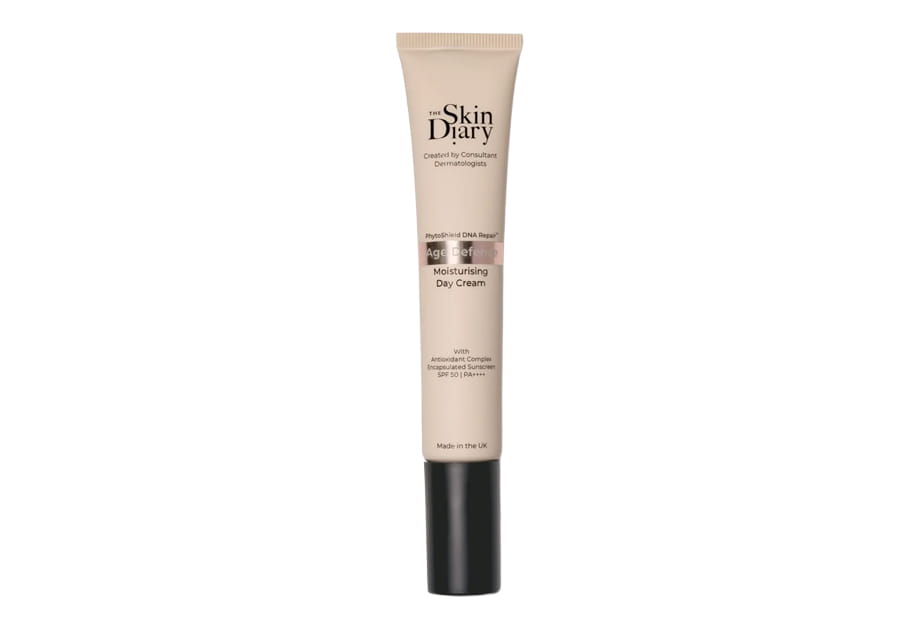
Yes it’s pricey, but not only is it packed with those DNA repair enzymes that target the damage form UV, but it’s been through some seriously rigorous tests to prove that it can reduce damage and inflammation and has been formulated by the UK’s top-tier derms, led by Professor Chis Griffith, OBE. While any skin would benefit from this complex powerhouse, if you find yours normally reacts to UV filters, you should have fewer issues here as these ones are encapsulated.
SHOPThe doctor’s choice
Revision Skincare DEJ Daily Boosting Serum, £265
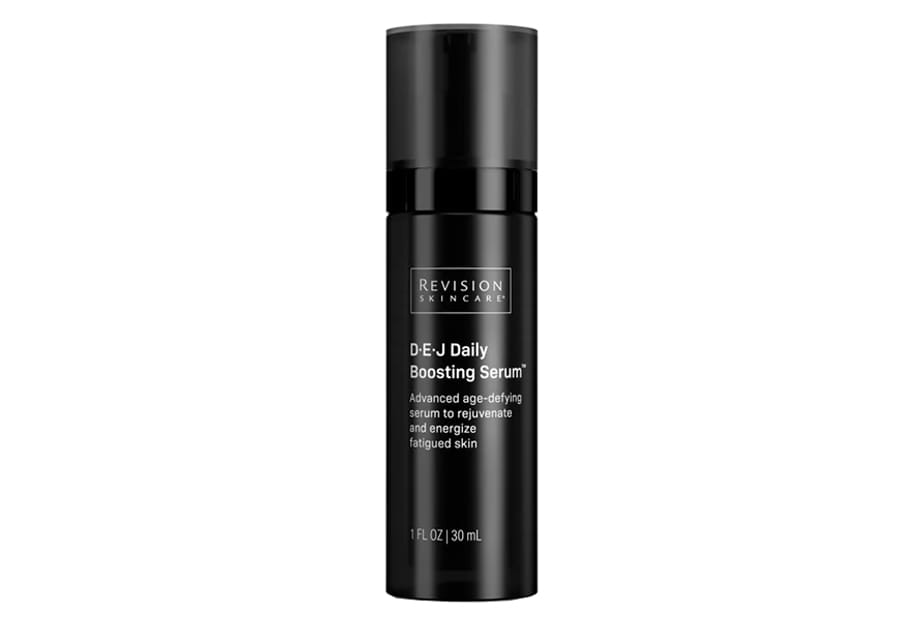
Oft-cited by aesthetic doctors such as Dr Sophie Shotter as their skin longevity serum of choice, this lightweight serum, containing sunflower sprout extract and powerful peptides, scooped Gold in the ‘Ageing Well’ category at the Get The Gloss Beauty Awards 2025. Judge Dr Ash Soni, a plastic surgeon says: ‘The science and the research behind the brand are excellent. The ingredients in this serum are innovative, with sunflower sprout extract to negate the visible effects of glycation and boost the energy of the cells. The clinicals are good – you can’t beat it.” Worth the investment.
SHOPFor body skin longevity
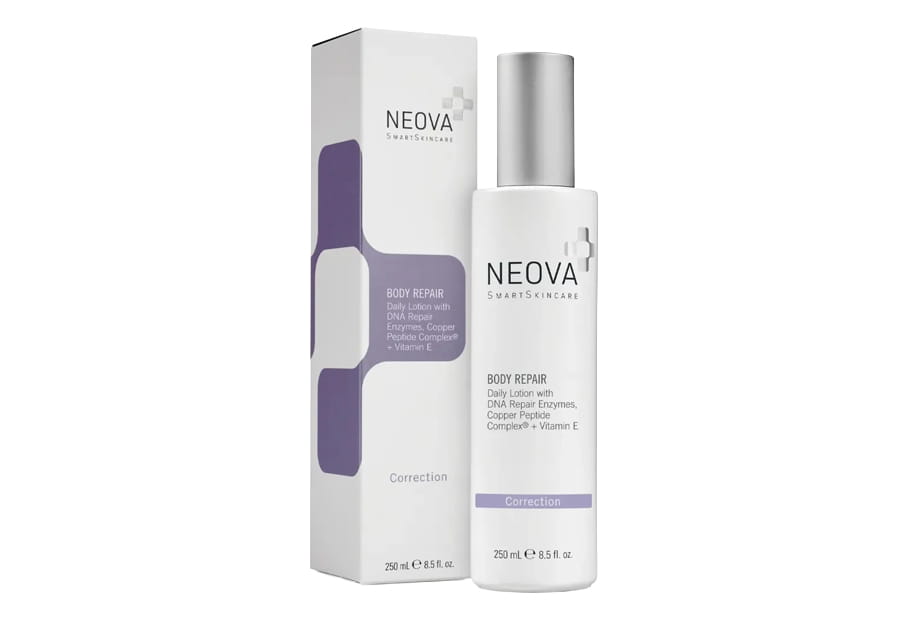
Bucking the trend of longevity skincare focusing only on the face, this body lotion combines those all-important DNA repair enzymes with a copper peptide complex to boost collagen and elastin production, allantoin which soothes skin as well as moisturising ingredients to help hydrate the skin.
SHOP