PDRN is the latest K-beauty craze for glowing skin – but does the hype stack up?

So-called ‘salmon sperm skincare’ is exploding. Here’s what it actually does and the PDRN serums worth trying
Hot on the heels of microspicules (tiny microneedles in skincare) and snail mucin (making a comeback every few years), PDRN is the latest Korean beauty trend to go viral. You only have to step into your local Boots to see their busy PDRN display from K-beauty brands such as Anua, Cosrx and Dr Reju, while Medicube’s PDRN Pink Peptide Serum, £21.50, has become a viral favourite approved by ‘TikTok derm’ Dr Aamna Adel (below). Piggybacking on the ‘salmon sperm for skin’ trend, PDRNs bear some similarity to the OG ‘salmon sperm facial’ polynucleotides, as I’ll explain, but be wary of the hype. The results are by no means equal, whether the PDRNs are indeed salmon DNA fragments or vegan PDRNs, which are used in skincare just as frequently.
@aamnaadel Salmon sperm aka PDRN skincare?? ad #dermatologist #medicube #medicubepartner #pinkglowserum #rosepdrn #pppserum #glassskin #glassglow #pdrnserum #collagenfacemask #koreansheetmask #boosterpro #glassglowdevice #kbeauty #skintok #skincare #skincareproducts #foryou #fyp @Medicube Global #CapCut ♬ original sound – Dr Adel | Dermatologist
PDRNs (polydeoxyribonucleotides) are said to help with anything from improving skin clarity to supporting elasticity, acting as repair signals that calm inflammation and support recovery.
Certainly as barrier-boosting agents, they can make skin more resilient and less reactive. In the long run, this allows your skin to repair itself with ease – and that can lead to smoother, more even-toned skin eventually.
But cosmetic physician Dr Paris Acharya warns not to put too much stock in the ‘regenerative’ and ‘age-defying’ claims PDRN creams and serums are making. That’s because PDRN molecules cannot penetrate your skin deeply because of their large size. Some brands claim that they might signal collagen-boosting messages to the deeper skin layers (which is theoretically possible but in practice only works on a negligible scale) but, Dr Acharya says, “a topical PDRN formulation is most likely to work only on the skin’s top layers, hydrating and supporting barrier function”.
Everyone at any age who wants stronger, more radiant skin with consistent use can benefit. Just like ceramides, cica or ectoin, PDRNs soothe and protect skin so it can regenerate in peace.
Post-procedure is where they come into their own. “Topical PDRNs make particular sense after procedures such as peels, microneedling or energy-based treatments, or in sensitive, inflamed or compromised skin,” says Dr Acharya.
Like polynucleotides, PDRNs are purified DNA fragments that used to be sourced mainly from salmon and trout sperm. But a lot of PDRN skincare now is actually vegan, using DNA fragments from plants such as green tea, rice, cica or ginseng, or even bacteria (we’ve seen the same happening with exosomes). Claims for the benefits of ‘phyto PDRN’ include anything from plumping to brightening to wrinkle reduction. But those claims are likely overstated.
Salmon-derived DNA was originally chosen for its biocompatibility with human cells (it’s used in Medicube and Rodial, below). But plant DNA – as used by Tirtir and Boots – doesn’t have that distinction. While vegan PDRN formulas may have lovely soothing and hydrating benefits, it’s useful to know that independent clinical evidence for vegan PDRN is very thin on the ground (unlike fish-derived PDRN which has clinically proven healing and calming benefits, especially when combined with microneedling).
In serums and creams, both vegan and non-vegan PDRNs are usually teamed with plenty of other soothing and hydrating ingredients, as well as collagen-boosting ones such as peptides. So it may well be that any plumping and brightening benefits are largely down to those additional ingredients and less to the PDRNs.
You have. Polynucleotides, the biostimulating injectable skin boosters that have seemingly been everywhere, are also DNA fragments derived from salmon sperm. In fact, PDRNs are derived from polynucleotides.
But they’re not interchangeable. Unlike PDRNs, says Dr Acharya, polynucleotides “are used in aesthetic medicine to stimulate the dermis, which supports the formation of collagen and other substances that can lead to long-term improvements in skin quality”.
They’re not the same, but a lot of marketing will have you believe they are.
PDRNs are derived from polynucleotides and they are the smaller of the two molecules, but they’re still too large to penetrate the skin effectively without any help from needles.
Polynucleotides injections tackle signs of ageing. “We use them,” says Dr Acharya, “to stimulate the dermis, which supports the formation of collagen and other substances that can lead to long-term improvements in skin quality.” On top of that, they have anti-inflammatory benefits.
So-called ‘PDRN microneedling facials’, meanwhile, are increasingly available in clinics and salons around the country, and are sometimes marketed as an equivalent to polynucleotide injections. Which they are not. They involve an application of PDRN serum, which is microneedled in, not injected, as this procedure is primarily done by aestheticians who are not allowed to inject.
PDRNs, either microneedled or topical, have less of a corrective effect than polynucleotides and “should very much be seen as a soothing, post-procedure option,” says Dr Acharya.
Despite all the noise about PDRN as the ‘latest skin-rejuvenating wonder ingredient’, you’d do better to think of it as an effective skin-calming ingredient in the tradition of cica and ectoin. With inflammation being damaging to your skin, you could reason that its soothing benefits play a role in keeping signs of ageing at bay.

The PDRN glass-skin mask:
Medicube PDRN Pink Collagen Gel Mask, £26 for 4
These second-skin masks by K-beauty innovators Medicube pack salmon PDRN, hydrolysed collagen, 13 peptides and an avalanche of hydrators and plant extracts for dramatically smooth ‘glass skin’. The catch? The advice is to leave it on for 3 hours – so maybe just use overnight. Use it with the viral Medicube PDRN Pink Peptide Serum, £21.50.
Buy Now
The advanced PDRN formula:
Medik8 Exo-PDRN Prismatic+ Serum, £79
This just-launched, weightless PDRN serum is a rare one that has special technology to help its (vegan) PDRNs actually penetrate. They’re teamed with exosomes and miniproteins in a techie formula that optimises its real smoothing and texture-refining potential.
Buy Now
The PDRN jelly:
Mario Badescu Advanced Peptide PDRN Jelly Cream, £20
With vegan PDRNs from the soothing heartleaf plant, this fresh, fragrance-free jelly also has reliable niacinamide (to brighten and support the skin barrier) and Matrixyl 3000 peptides (to minimise wrinkles). Oil-free, it’s the perfect skin-perfecting hydrator for hot summer days.
Buy Now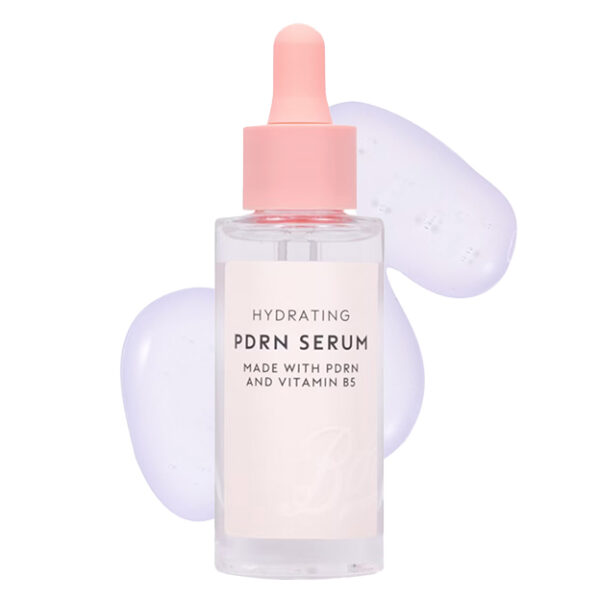
The budget PDRN quencher:
Boots Hydrating PDRN Serum, £8
This hydrating serum doesn’t state which PDRNs it uses (likely ginseng judging by the INCI list) and has niacinamide to brighten and panthenol to soothe, all at a bargain price.
Buy Now
The calming probiotic PDRN ointment:
Dr Althea PDRN Reju 5000 Cream, £26
Dr Althea’s ‘vegan biome PDRNs’ are extracted from friendly bacteria particularly apt at soothing irritated skin. The thick yet lightweight ointment also packs cica and panthenol for a triple calming whammy. Apply wherever you need intensive care, or as an overnight mask.
Buy Now
The wrinkle-smoothing PDRN ‘pudding’ cream:
Tirtir Matcha Calming Cream, £21
This pudding-textured light gel moisturiser by Gen Z fave Tirtir is powered by matcha tea PDRNs and other soothers to calm irritation plus vegan ‘snail’ mucin to support the skin barrier, but it also has 13 peptides to help with elasticity and wrinkles.
Buy Now
The PDRN moisture bomb:
Anua PDRN Hyaluronic Acid Capsule 100 Serum, £20
A fresh, weightless serum from a sensitivity-focused Korean brand, this blend of deep-penetrating hyaluronic acid, salmon PDRN and antioxidant and skin-calming plant extracts will fight redness and dryness all day.
Buy Now
The collagen-doubling PDRN serum:
Rodial Salmon DNA Water Oil, £150
A bi-phase water-in oil formula (that feels watery, not oily) means this serum can pack in not just salmon-derived PDRNs (confusingly, ‘polynucleotides’ and ‘PDRN’ are used in the marketing – it’s definitely not the former), but epidermal growth factors and NAD+ as well for multi-level regeneration. The claims are lofty: almost double the collagen and 98% less wrinkle depth. Well, wow.
Buy Now
The clinic-strength post-procedure PDRN:
Skincycles ExoYouth DNA Repair Cream, £300
This light-feeling, regenerative skin firmer is powered not only by PDRN but also hefty doses of peptides and antioxidants to help smooth texture and leave you glowing. It’s part of the high-end ‘Exoyouth’ regenerative range by aesthetic practitioner Alice Henshaw.
SHOP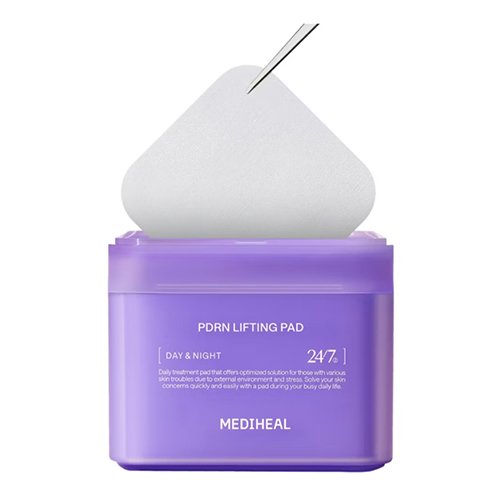
Mediheal PDRN Lifting Pad, £22
These pads make PDRN feel far less intimidating than the usual serum format. You can apply them with the little tweezers provided and put them onto your face and let them sit for 5–10 minutes. The vegan Rose PDRN is plant-based and apparently 250 times smaller than animal-derived PDRN, meaning it can penetrate deeper into the skin.
Buy Now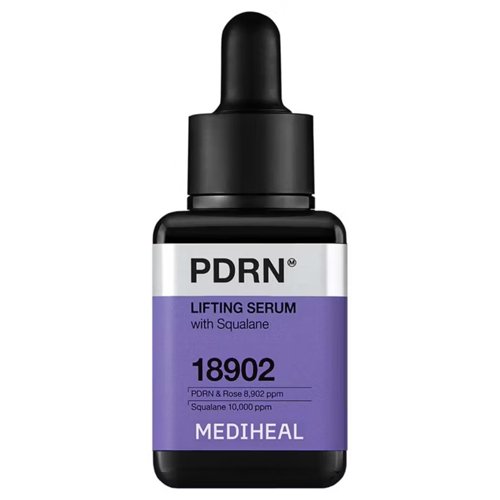
Mediheal PDRN Lifting Serum, £19.43
A pore-tightening serum that’s all about elasticity, firmness and that smoother, more refined look which is essentially everything you want from a lifting product. The texture is lightweight and nourishing without tipping into sticky territory, leaving skin feeling hydrated and bouncy. It’s designed to support renewal and collagen production while improving the appearance of enlarged pores. The claims are ambitious, but the finish is convincing: smoother, fresher and noticeably more radiant.
Buy now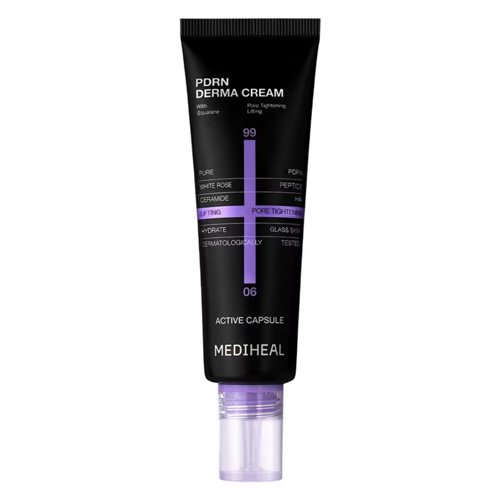
Mediheal Derma Cream PDRN, £20.31
A rich, replenishing face cream packed with high-purity PDRN capsules, this is one for anyone chasing that plumper, more lifted-looking complexion. It’s designed to boost firmness and elasticity while helping to tighten the appearance of enlarged pores, but the real draw for me is the deep, long-lasting hydration. Skin feels nourished and smooth without losing that fresh, radiant finish. Essentially, a comfort blanket for dry, lacklustre skin.
Buy now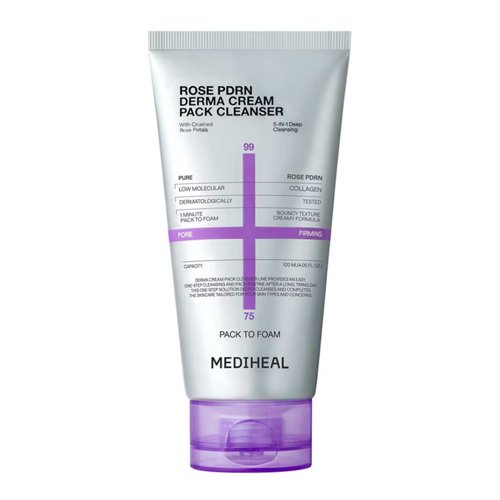
Mediheal Derma Cream Pack Cleanser Rose PDRN, £18.69
A 5-in-1 cream cleanser that doubles up as a wash-off mask, this is one for those days when your skin needs a proper reset. It’s designed to get deep into pores, tackling everything from black and whiteheads to fine dust, impurities and leftover sunscreen, while also helping refine the appearance of pores. Everyone loves a multitasker, and the creamy texture leaves skin feeling properly cleansed, soft and surprisingly glowy.
Buy now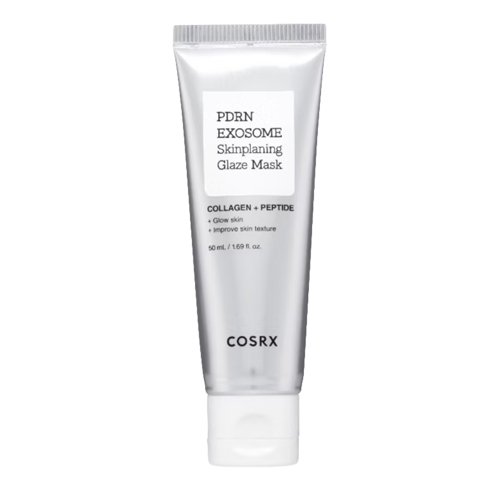
COSRX PDRN Exosome Skinplaning Glaze Mask 50ml, £15.50
An overnight moisture-wrapping mask that’s essentially designed to wake you up with glass skin. Powered by salmon-derived PDRN and exosomes, the formula works while you sleep to strengthen the skin barrier, boost elasticity and smooth out texture. The exosome blend, which is derived from Lactobacillus and Centella, is there to deliver skin-loving nutrients, while PDRN is the regeneration-focused hero.
Buy now