Spikes in your skincare? Why microspicules are the new K-Beauty obsession for glass skin

If it’s glass skin you’re after, try the new crop of creams and facials with tiny sea sponge spikes – we did, and here’s our honest review
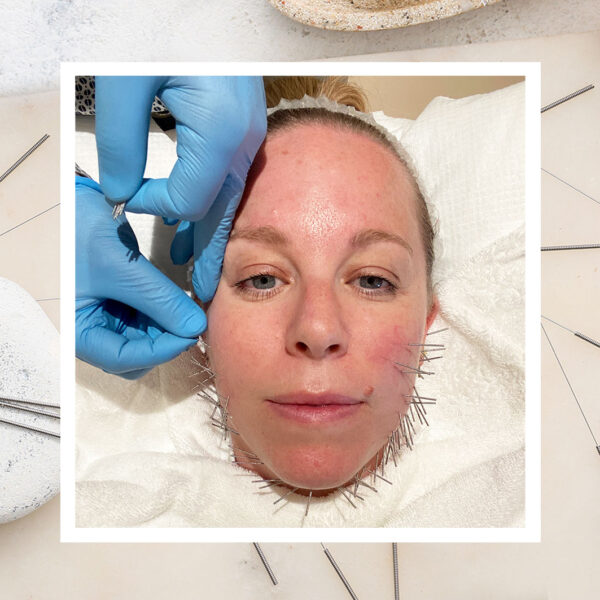
Korean beauty continues to regale us with intriguing skincare technology and ingredients (who knew snail slime would go mainstream?), and some earn the seal of approval of the nation’s top skin doctors. Dr Christine Hall, whose South Korean heritage has placed her ahead of the curve on K-Beauty trends, is particularly excited about one of them: microspicules. These are tiny needles suspended in your skincare, and they are being feted as a gentler alternative to microneedling that doesn’t break the skin barrier, as well as a route to much-coveted ‘glass skin’.
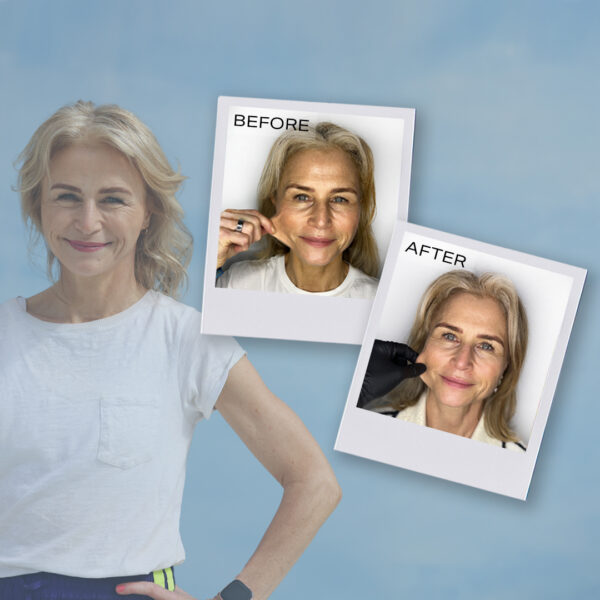
“I anticipate we’ll only see more of them, both in high-performance skincare and clinical aesthetic treatments,” says Dr Hall, who has created one of the first microspicule facial treatments in the UK, ‘Liquid Microneedling’ at the Taktouk Clinic in London, where she practices (read our review below). More clinics are beginning to follow suit with their own liquid microneedling or ‘biomicroneedling’ treatments.
But what on earth are microspicules, and are they as spiky as they sound? Plus, which are the best microspicule creams ot use at home?
Spicules are derived from sea sponges, part of the exoskeleton that gives them their distinctive structure. They are made up of natural minerals such as calcium and silica and can also be replicated in a lab.
They look like tiny needles or jagged little structures under the microscope. In skincare, they have two main benefits:
Spicules settle under your skin’s surface, where they hang around and form tiny microchannels for about 24 hours, before being exfoliated away through our normal skin cell shedding process, explains Dr Hall. Provided you don’t actually rub your product on your eyes, the tiny spines will not migrate there and cause trouble

Microspicules come from sea sponges, and are used in facials
The ‘glass skin’ trend is huge in Korea, and microspicules are a key ingredient in the quest for a smooth, glassy skin surface. “Microspicules have been integrated in Korean skincare for over a decade because they really help to create smooth, radiant skin without the trauma associated with harsher exfoliants,” says Dr Hall.
When they are layered with gentle active and hydrating ingredients, you will get those very desirable visible improvements in texture, tone and radiance, promises Dr Hall.
You may also come across the word ‘reedles’ or ‘cica reedles’, which are essentially the same thing. “These are microscopic needles derived from sea sponge, and ‘cica reedles’ is the trademarked name as used by the Korean brand VT Cosmetics,” says Hall. Cica reedles are coated with a soothing skincare ingredient: cica, or centella asiatica.
Hall says microspicules tend to be well-tolerated by most skin types, but are particularly beneficial for dull, uneven skin and early signs of ageing. However, if you have active eczema, psoriasis, or a severely compromised skin barrier, you may want to stay away or ask a pro.
The Taktouk Clinic in London was the first to introduce ‘liquid microneedling ‘ to meet the trend not just for glass skin, but because consumers are increasingly looking for evidence-based, minimally invasive solutions with less downtime. “Microspicules meet these demands,” says Dr Hall.
“At £250 for a 45-minute facial, Liquid Microneedling is nowhere near as expensive as conventional microneedling, nor does it require numbing cream or leave you with a bright red, tight-feeling face for 24 hours while your skin recovers,” says Get The Gloss Editorial Director Victoria Woodhall, who tried it.
“The only ‘downtime’ is a ban on wearing makeup for the rest of the day. Aesthetician Nadia Amnian, who carried out my treatment at the Taktouk Clinic, explained that this is because the spicules open microchannels in the skin for greater product penetration. You need a course of five, one every one to two weeks, as it’s important to keep the skin stimulated, says Nadia, in order to get good results. Conventional microneedling is usually a course of three, once a month.
“It’s a simple procedure, a cleanse followed by a hydrating mist (the more hydrated you are, the better the microspicules work) and then a serum, into which the microspicule powder has been mixed. Nadia pressed it into my skin manually for a few minutes. Gradually, a prickly sensation built as she pushed the microspicules in more. It felt as though I’d brushed past a cactus with tiny spines. It would be a stretch to describe it as painful.
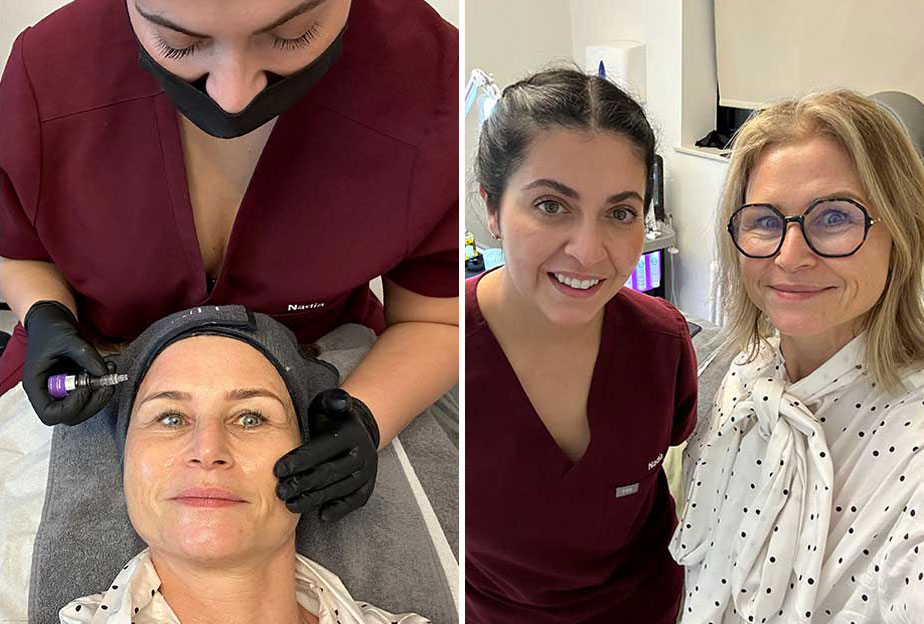
Victoria Woodhall tries Liquid Microneedling at London’s Taktouk Clinic with aesthetician Nadia Amnian,
“The serums can be tailored to offer a combination of brightening, hydrating, clarifying and anti-ageing, and they are suitable for sensitive skins of all tones. You’re not just getting powerful clinical-grade peptides, but thanks to the microspicules, you are getting up to 60 times better penetration, making this akin to a skin booster without the needles.
“The treatment finished with a ‘locking in’ ceramide cream to seal in all the goodies, and protect the barrier, and a relaxing, cooling mask to take down the minimal amount of redness. I was sent home with an Idenel aftercare containing a cleanser, the locking in cream, a peptide microspicule cream and SPF. After 24 hours, you can use your normal skincare again. I was warned that my skin would feel a bit spiky for a couple of days, after which the spicules would miraculously disappear. The pressing became quite addictive!
“As it’s an exfoliating treatment, I did see brighter skin almost immediately. My deeper-seated pigmentation is set to surface over the course of five treatments, meaning there may be a bit of darkening before my glass skin emerges.
“This is an exciting treatment that bridges the gap between creams and needles, perfect for needle-phobes or sensitive skin. Even those with rosacea can have the treatment, says Nadia, as it’s so gentle yet powerful. Idenel makes a Revitalizing Nourishing Cream with peptides microspicules that you can buy in-clinic only to carry on the effect at home. It also feels spiky, but only for the evening that you apply it.
Despite their relative gentleness, it’s best to allow your skin to adapt to microspicules: they are often described as feeling a bit like stinging nettles. Hall advises starting with a low concentration of spicules; they are always applied right after cleansing and before serums or creams
For daily use, a low 0.1 to 1% is considered good. In ‘reedle’ products, this would equate to 50 (0.5%) or 100 (1%).
For a twice-weekly treatment, 10% (or 1000 for reedles).
Avoid applying them to sensitive or inflamed areas, particularly around the eyes, and pair their use with hydrating and barrier-supportive ingredients (these may already be in your spicule product, or you could layer a barrier cream over your spicule serum) to maximise benefits while reducing the risk of irritation. As this is an exfoliating treatment, sun protection is essential.
The pore minimiser:
Erborian Ginseng Micro Shot, from £20
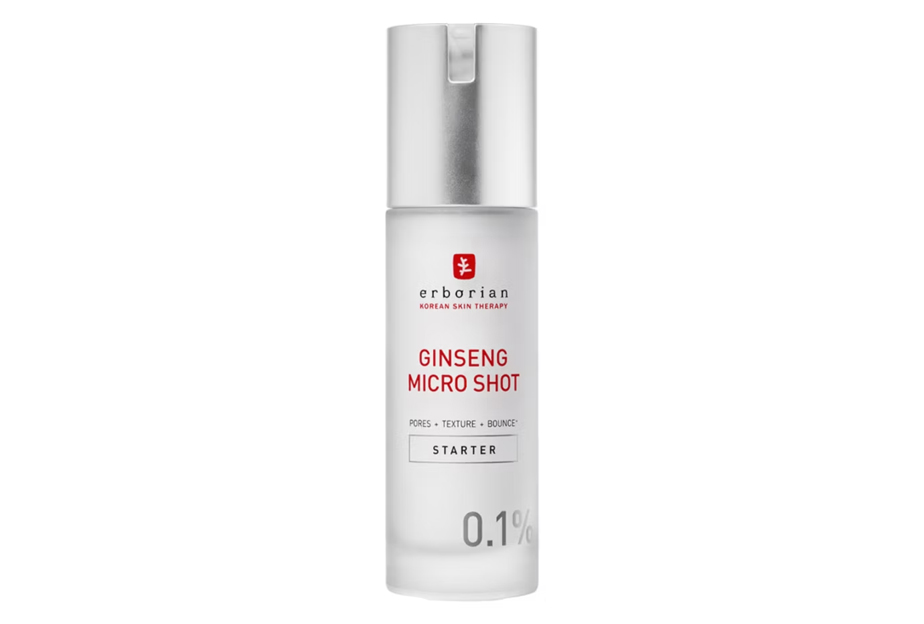
Billed as micro-infusion serum for refined pores and texture and added bounce, these gently scented, silky drops come in a ‘starter’ (0.1 per cent spicules) and ‘advanced’ version (0.3 per cent) – both of which only cause the slightest tingle. There’s lots of revitalising and soothing plant extracts as well.
Buy nowThe lightweight barrier boosting emulsion
VT Cosmetics Reedle Shot 100, £23.90
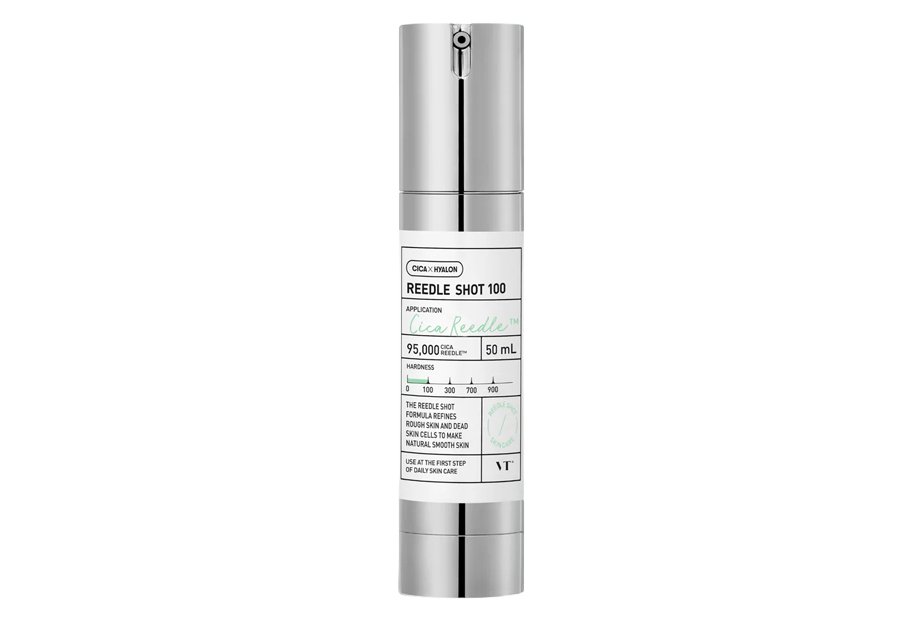
Deploying a low-ish 1 per cent concentration of microspicule ‘needles’ coated in soothing, barrier-boosting cica, this light emulsion also has hyaluronic acid and amino acids for deep hydration and barrier building. It’s one step up from the gentlest serum in the range, 50, so the advice is to use it only every three days initially, in the evening right after cleansing.
Buy nowThe more intensive brightening cream
Exoblanc Liquid Microneedling Spicule Cream, £34
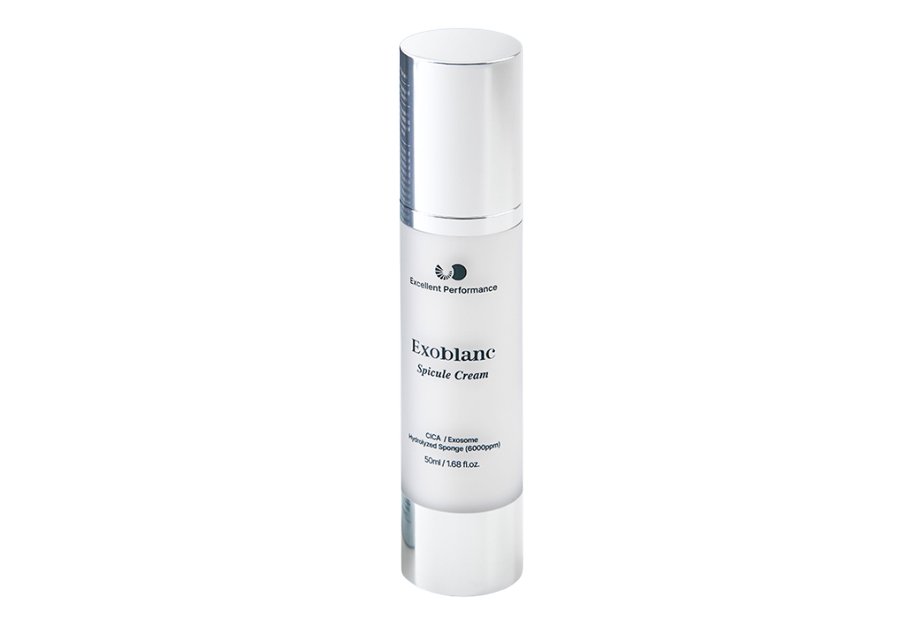
A light, gentle 0.6 per cent microspicule cream with niacinamide, centella, soothing panthenol and PDRN (polynucleotide-like molecules), all working together to give you a brighter, more evened-out complexion.
Buy nowThe premium night treatment
111Skin Exosome Face Lift Treatment, £655
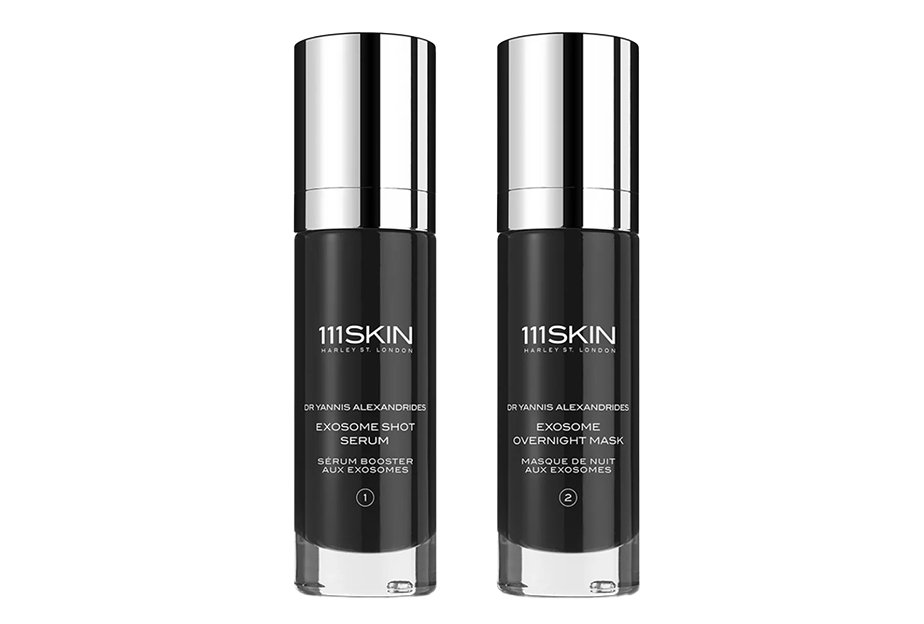
Ahead of the trend, this UK doctor skin brand boasts microspicule technology to drive exosomes, alongside tightening Swiss ice wine extract and other innovative ingredients deep into the skin. It’s a two-part system, used at night over a month to give your skin a lift.
Buy now