Inflight upgrade — how experts avoid everything from jet-lag to bloating and dehydration

Marvelling at how some frequent flyers arrive refreshed, while you cling to your neck pillow and noise-cancelling headphones with blurry eyes? We asked jet-setting experts from the fields of aesthetics, nutrition, and fitness for their secrets
We all want to look and feel at least human when we step off a flight, regardless of how many hours we spend in the air. But with jet lag, the impact of recycled air on our skin, missed sleep, a trolley full of alcohol and ultra-processed foods, and gassy tummies, it isn’t always as easy.
We asked jet-setting Gloss Book experts what really works for them as frequent fliers. No, this is not about whipping out a sheet mask, which could actually make your skin worse, according to a top facialist (who shares her tips below) — or whacking in your earplugs. Instead, a meditation expert tells us her no-fail technique for avoiding jet lag, Dr Rabia Malik and Dr Paris Acharya share their techniques for pimping your drinks to beat stress and dehydration; and a physiotherapist shares her favourite breathing technique for staying relaxed and inviting sleep.
These are the surprisingly effective flight tips you need to know, straight from the pros.
 By longevity expert Dr Nichola Conlon
Some traditional in-flight tips feel like you’re adding to the stress of flying by giving yourself more to do. That’s why leading expert in cellular ageing and molecular biologist Dr Nichola Conlon – who knows just how detrimental stress can be to your health – recommends taking as much of the planning out of your own hands.
“There’s an app I love called Timeshifter, which I use to plan everything about my flight in advance,” she reveals. “I use it to figure out when I should be sleeping, eating, or getting light exposure based on my flight times and destination. For example, “I try to ignore the plane’s meal timings and instead eat according to the time zone I’m landing in, to shift my digestion and metabolism to the right rhythm. Timeshifter helps me do all that easily by giving me a little plan to follow before, during, and after the flight, which means I arrive feeling much more human, especially if it’s a quick trip or I’ve got something important straight after landing.”
 By physiotherapist Laura Wilson
“Flying can easily overstimulate your nervous system, and chronic activation of your ‘fight or flight’ response can contribute to disrupted sleep, impaired digestion, slower tissue healing, and increased stress levels,” reveals physiotherapist Laura Wilson. Luckily, she’s an expert in the simple, effective strategies that support the body’s key systems during a flight. After all, she works with high-achieving clients who frequently travel, and also splits her time between her London and Switzerland-based clinics.
“Box breathing is a structured breathing technique shown to stimulate the vagus nerve, thereby enhancing parasympathetic activity and promoting a sense of calm, physiological balance, and recovery. Breathe in through the nose for four, hold for four, exhale through the mouth slowly for four, and hold again for four. Repeat for up to five minutes.” That makes it especially helpful if your flight gets a bit bumpy, a toddler is screaming in the row behind you, or you feel tension rising on take-off and landing.
 By functional nutritionist Pippa Campbell
“I always bring my own food, drink and supplements onto the plane,” reveals leading nutritionist Pippa Campbell — and that’s not nothing to do with fussiness; it’s the product of her decades of nutritional expertise. It turns out that the common rundown feeling you can get after a flight could be due to your in-flight diet.
“I don’t even use the tap water for teeth brushing as aeroplane tap water is often stored in tanks that aren’t regularly cleaned and can be contaminated with bacteria like E. coli,” the nutritionist explains. “I always use bottled water instead, and I avoid ultra-processed plane meals, which can be loaded with seed oils, preservatives, and sugar.”
Pippa is not relying on grab-and-go snacks from the airport either: “Instead, I pack a blood sugar–friendly meal with protein, healthy fats and fibre – often something like chicken, olives, rocket, quinoa.”
 By meditation teacher Jillian Lavender
Meditation isn’t just a solution for nervous flyers. It can help with jet lag as well, says the founder of the London Meditation Centre, Jillian Lavender. With schools in London and New York, Lavender travels all over the world, teaching thousands of people, including discreet celebrities and frazzled CEOs, the stress-beating benefits of Vedic Meditation, a 20-minute silent mantra-based technique.
“Vedic Meditation is the ultimate jet lag buster because the rest that a meditator gains in just 20 minutes is much deeper than sleep,” she says. “I recommend students meditate as much as is comfortable when they’re on the plane. You can do it anywhere where you can sit and close your eyes, so it works brilliantly for travel. Rather than accumulating fatigue that leaves you feeling wiped out and in need of stimulants, meditation can help you adjust to the new time zone very quickly, so it is great for jet lag.”
Can’t meditate? Try Jillian Lavender’s Body Feeling technique
 By holistic dietitian Clementine Vaughan
“Bloating can be a real issue in flight as gases in your body expand due to the depressurisation of the cabin,” reveals dietitian, Clementine Vaughan. “Try to avoid anything that creates gas, such as carbonated drinks (including sparkling water) or any food with resistant starch found in things like pre-cooked pasta and rice, so avoid the on-board pasta dishes and sushi at the airport, as well as other bloaty foods like beans and pulses.”
Dehydration is a major issue in-flight too, with drying air conditioning, salty foods (airlines put more salt and spices in food as our taste buds are less sensitive at altitude), and this can affect your gut and cause even more bloating. “If things are not moving through the gut smoothly, your stool can get blocked up, and that’s going to add pressure as the gas builds, and it’s going to feel even more painful,” says Vaughan. “Avoid caffeine and alcohol as they are dehydrating, and remember to get up move around every hour or so.”
Also, while you might be less inclined to fart in close proximity to others, try not to hold it in the whole flight, says Vaughan. “That’s only going to make your discomfort worse, especially on a long-haul flight!”
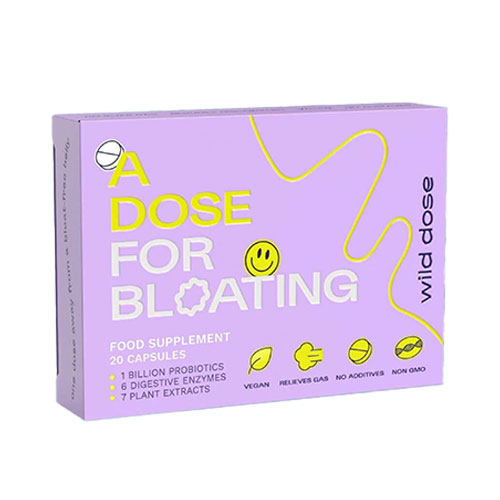
We love Wild Dose A Dose for Bloating, which gets to work in minutes.
 By integrated facialist Annee de Mamiel
“One of the biggest mistakes to make when flying is using a hydrating sheet mask or just layering up lots of hydrating serums,” reveals integrated facialist Annee de Mamiel. “This can leave your skin even more dehydrated as the ultra-arid cabin air will suck up any moisture it can, including from your freshly hydrated skin.” If you can’t be parted from your sheet mask or hydrating serum, just remember to pack an oil-based cream or face oil to apply on top to “seal in the moisture and keep hydration in your skin,” says de Mamiel.
 By aesthetic doctor Dr Rabia Malik
While we all know to drink more water on a flight because recycled air can be seriously dehydrating, leading aesthetic doctor Dr Rabia Malik suggests going one step further.
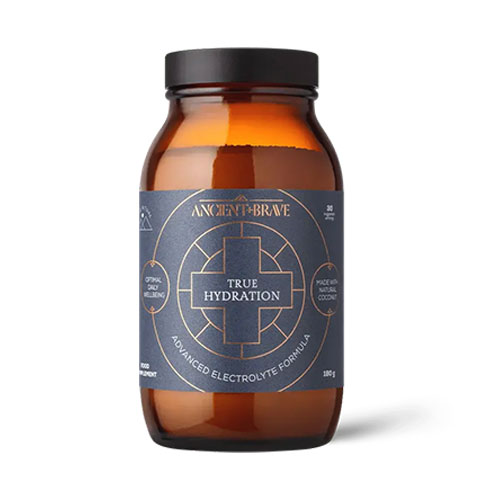
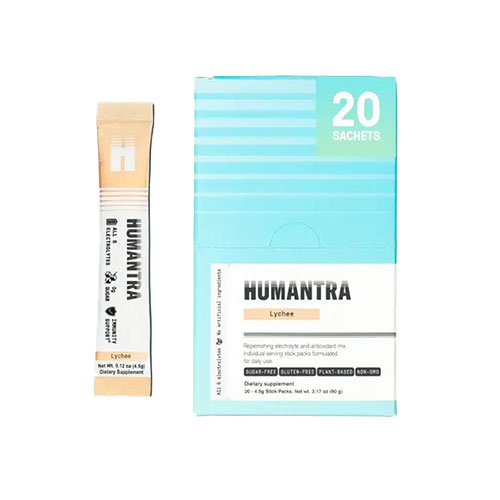
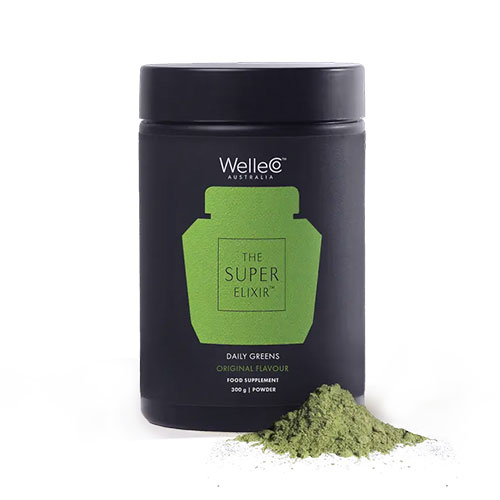
“Hydration isn’t just about water intake. Aeroplane environments are incredibly dehydrating at a cellular level,” Dr Rabia explains. She always adds electrolytes – her favourites are Quinton Isotonic and Humantra – to a glass of water during a flight, to make the drink even more hydrating. “These minerals help replenish electrolyte stores, support the skin barrier, and optimise intracellular hydration.” Other experts we spoke to like Ancient + Brave True Hydration electrolytes, and Dr Rabia is a fan of green powders too, for an extra nutrient hit.
 By aesthetic doctor Dr Paris Acharya
Dr Paris avoids dehydrating caffeine and alcohol, and instead takes London Nootropics Zen Adaptogenic Coffee with ashwagandha “for a small caffeine fix but with calming properties.” Try taking it mid-flight, when fatigue typically hits hardest, as it can offset the cortisol spike from travel stress without the caffeine crash.
By Dr Rabia Malik
Dr Rabia also likes to microdose melatonin for better sleep without the overhanging grogginess of some sleep supplements. She says it can support your skin too.
“I recommend using a low-dose melatonin oral spray or taking a melatonin gummy about 30 minutes before your intended rest time – even on daytime or short-haul flights,” she suggests. “Beyond sleep regulation, melatonin also functions as a potent antioxidant, helping counteract the oxidative stress of cabin altitude and poor air quality. It’s also involved in mitochondrial repair and skin regeneration.”
The only downside: “melatonin sprays and gummies aren’t always available over the counter in the UK,” Dr Rabia warns. “However, they are available in pharmacies in many other countries you might be visiting, so it’s worth stocking up! Always check with your doctor if you’re pregnant, breastfeeding, or on medication before use.”
 By aesthetic practitioner Dr Galyna Selezneva
Want to feel extra fresh both during and after the flight? Cutting back on carbohydrates isn’t just a method to look a little trimmer in your bikini, says the aesthetic doctor, Dr Galyna Selezneva, who has just launched her Biohacking Bar at The Lanesborough Spa.
“You want to make sure that, a couple of days prior and straight after flying, you double up on fibre and proteins as well as good hydration,” she explains. “But, my biggest piece of advice… keep your carbs low! That will ensure no post-long-haul bloating issues.”
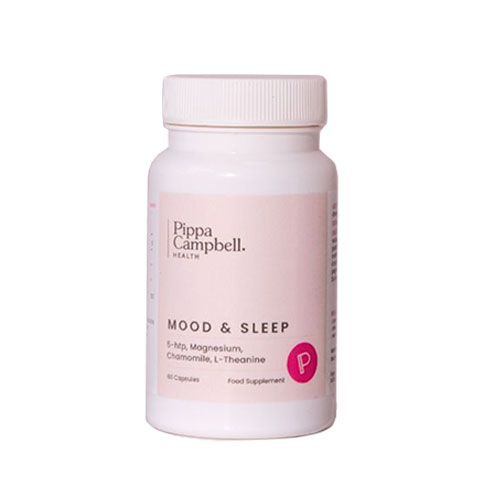
Too late? Try Pippa Campbell’s Mood & Sleep supplement. Designed for sleep, it supports serotonin in the gut, which prevents bloating and constipation.
By Pippa Campbell
That groggy ‘zombie-like’ feeling you get after a long flight is not only caused by your sleep schedule being disrupted. It’s often because your body has been knocked out of sync with its natural circadian rhythm or ‘internal clock’. Blocking out all light with a silk eye mask isn’t going to fix that, says Campbell.
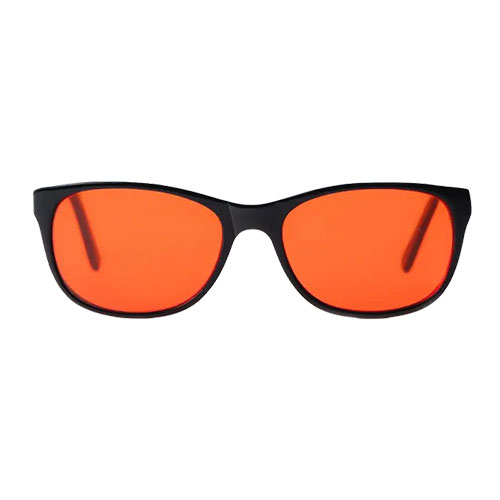
“For long-haul flights, light is key to syncing your circadian rhythm,” the nutritionist explains. “I pick a window seat so I can control when I get natural daylight, opening the shade when I need light to help reset my body clock and adjusting it to mimic local time at my destination. I also wear red-tinted blue light blocking glasses in the final hours before landing to support melatonin production. They help my body adjust to the new time zone by mimicking natural evening light, which is important for reducing jet lag and resetting circadian rhythm.”
By Laura Wilson
As a physiotherapist, Wilson knows a thing or two about beating that swollen, heavy-legged feeling: “The lymphatic system plays a vital role in detoxification and fluid balance, but its function can become sluggish during long periods of immobility,” she explain. “To stimulate lymphatic flow during a flight, I recommend popping a small spiky massage ball in your carry-on and then, while seated, roll the ball slowly under the arch, heel, and forefoot for two to three minutes per side. Apply light to moderate pressure, focusing on areas of tension or tightness.”
By Dr Rabia Malik
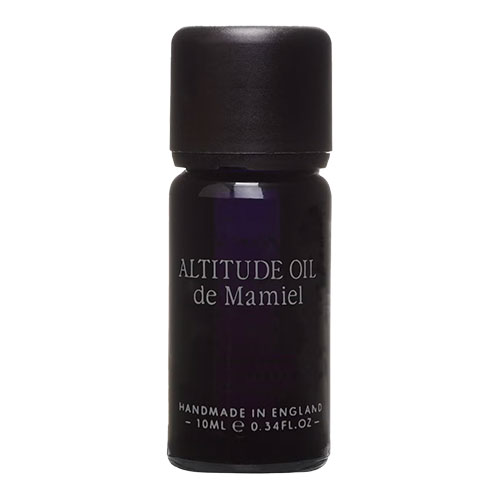
To make your travels a little more stylish and stress-free, follow Dr Malik’s example: “I carry a cotton or muslin scarf with me on flights, subtly infused with essential oils known for their skin and mood benefits, such as lavender (soothing, antimicrobial), rose geranium (balancing and hydrating), and frankincense (regenerative). The scarf becomes a multifunctional wellbeing tool—a calming wrap, a barrier against dry cabin air, or a light eye pillow. When I don’t have time, I reach for de Mamiel Altitude Oil – it’s beautifully formulated and travel-friendly.”
By Laura Wilson
Calf raises are another favourite stretch of Wilson’s during a flight – and they have a surprising benefit beyond stretching your tired limbs: “Research has shown that brief, low-intensity muscular activity like calf raises, which stimulate the calf muscle pump, can help regulate blood glucose levels, by enhancing glucose uptake into skeletal muscle,” she explains. “This helps avoid blood sugar spikes that can disrupt your metabolic health and worsen jet lag. This is particularly beneficial post-meal and during periods of prolonged sitting.”
By Dr Galyna Selezneva
“My worst nightmare is seeing all the viral in-flight videos of patients using their hands to apply and reapply skincare products – we should all know that cross-contamination in flight is high,” reveals Dr Galyna.
Instead, try to limit how often you touch your face and wash your hands before giving your skin a hydration boost if you need it. Wipe down your armrests and tray table too (especially if you are tempted to rest your head on them!).
Find out more about the experts at The Gloss Book
The in-flight essentials the pros can't live without