Julaine is the injectable ‘face filter’ everyone’s talking about – and I tried it

Not since polynucleotides has there been such a buzz around a new tweakment for all-over glow. Here’s why our beauty director loves Julaine – and the caveats to know
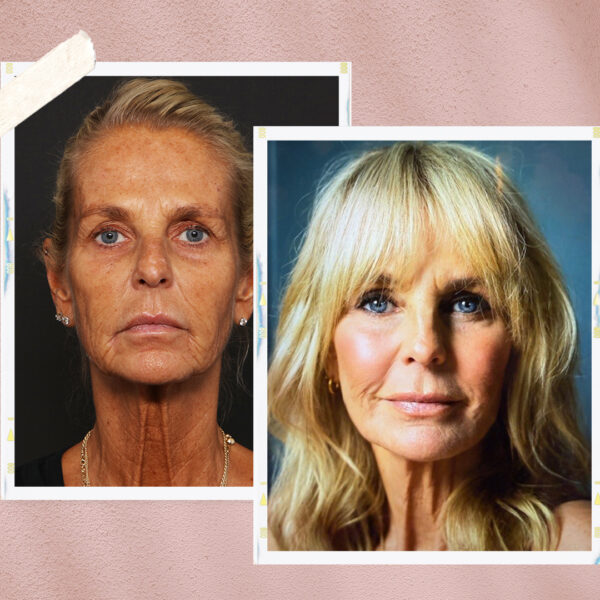
When Ulrika Jonsson went public with her £17,000 glow-up, perhaps most striking was the fresh, youthful quality of her once heavily-lined skin. This was in no small part down to Julaine, the latest biostimulating injectable on the block. Biostimulators (Sculptra and polynucleotides are others) are the tweakments of the moment: they prompt your skin to make its own fresh collagen and elastin for the kind of results you can never quite get from fillers.
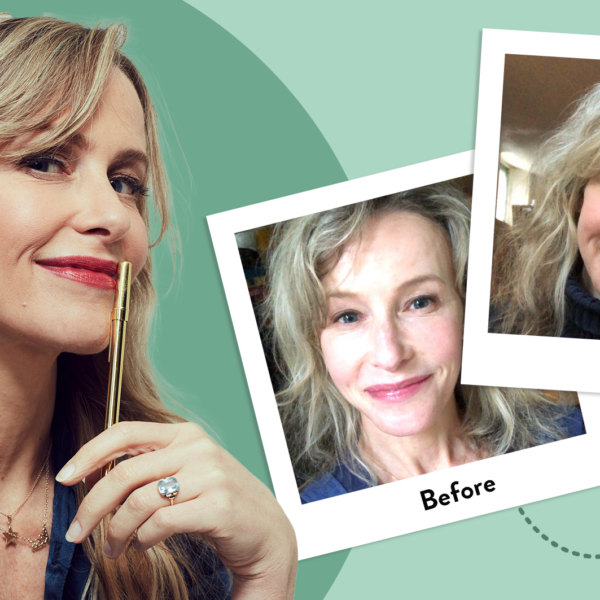
I had a course of three Julaine treatments myself last Autumn and emerged similarly juicy-cheeked, without looking inflated; the best way to describe it is like an IRL version of the Paris face filter. It was a result I had not seen from any injectable before.
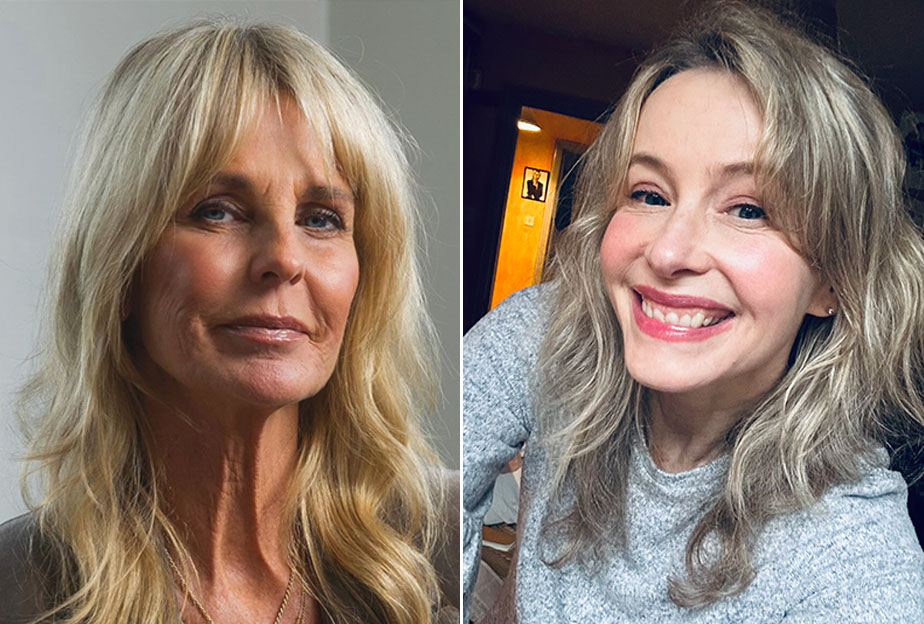
Happy with their Julaine results: Ulrika Johnson (left) and Ingeborg van Lotringen (right)
Now I can spot this look increasingly among celebrities, skin doctors and beauty editors, and while most have so far remained tight-lipped about the key to their glow, celeb darling Dr Wassim Taktouk whispers: “Everyone is having Julaine jabs.” As one of the early cosmetic doctors to offer them, he should know.
Julaine offers something genuinely new – a middle ground between the ultra-subtle improvements of skin boosters such as polynucleotides and Profhilo, and the more obvious volumising effects of filler.
Dr Sophie Shotter describes the results as “firmer skin with more dermal plumpness – but your face doesn’t look different; it’s not being filled.”
Dr Sarah Tonks, who’s performed more Julaine sessions than any other UK doctor, says that it “takes away that crepey flaccidity that can come with age. It ‘snatches’ everything up, tightening without puff or lumpiness.”
While officially Julaine is indicated to soften nasolabial folds (nose-to-mouth lines), it can be used to plump skin, improve texture and soften fine lines, “even around the eyes, neck and forehead,” says Dr Tonks, who loves its “subtlety and versatility.”
Over time, Julaine also leaves skin naturally better hydrated. And while it’s not primarily meant to ‘plump’ specific areas of the face, “when it’s less diluted and injected deeply, it’s excellent for volume and lifting,” she says.
The best thing, says Dr Tonks, is that results “keep improving. I see patients look progressively better as the product remains at work inside the skin for up to two years.”
Julaine is a biostimulating injectable that uses the same basic ingredient, poly-L-lactic acid (PLLA), as the long-standing biostimulator Sculptra. Get The Gloss editorial director Victoria credits Sculptra with dialling her face back a decade. At home, Sculptra needs to be massaged five times a day for five days to prevent clumping, which can be an annoyance. But not so Julaine, whose molecules are spherical rather than crystalline. “This means the product is very easy to inject and spreads smoothly and evenly under the skin, without any need for massage,” says Dr Shotter. The smooth, extra-spreadable consistency means Julaine can, uniquely, be used to plump skin, rather than fill out areas of the face.
Unlike other poly-L-lactic acids, Julaine’s ‘pathway’ doesn’t involve inflammation, according to the brand. Rather, it acts more like a powerful signalling peptide. Dr Shotter says that the fresh tissue it generates “looks like healthy collagen, not scar tissue.”
You are right if you’re thinking you’ve heard those ‘better skin texture’ claims before – it’s the calling card of every biostimulating skin booster, including polynucleotides, Sunekos and Jalupro.
But while these jabs all rev up collagen and elastin production, calm skin and help brighten it, they stay in the skin no longer than three months, giving a subtle and temporary result. They work more as prevention and maintenance for skin health rather than as an upgrade that everyone will notice. Julaine’s effects are far more visible and last up to two years.
Some doctors stick firmly to the official protocol of injecting Julaine exclusively in the mid-face for nose-to-mouth lines over the standard course of three treatments, but others like to inject it anywhere around the face and neck, so an in-depth consultation about the possibilities and your wishes is important. Sarah Tonks, who did my treatments, suggested spreading it across several areas of my face, including the temples, sides of the cheeks, nasolabial area and even my forehead. I wanted my results to be as subtle as possible, which is why we went with a bigger ‘spread’. If you have all the product injected in roughly the same area, it can have a more noticeably plumping effect, which may not be for everyone.
I suggested to a relatively young friend (with no discernible volume loss) in the that he consider stopping at two treatments of the mid-face protocol and to wait to see whether that was enough. He’s grateful he did so, saying that three would have meant tipping into ‘puffy’ territory. The noticeable plumping of the skin adds incremental volume to your face, and while for some, that’s the desired outcome, personally I’m really wary of that ‘shovel face’ effect. Remember that in the end, collagen does equal volume!

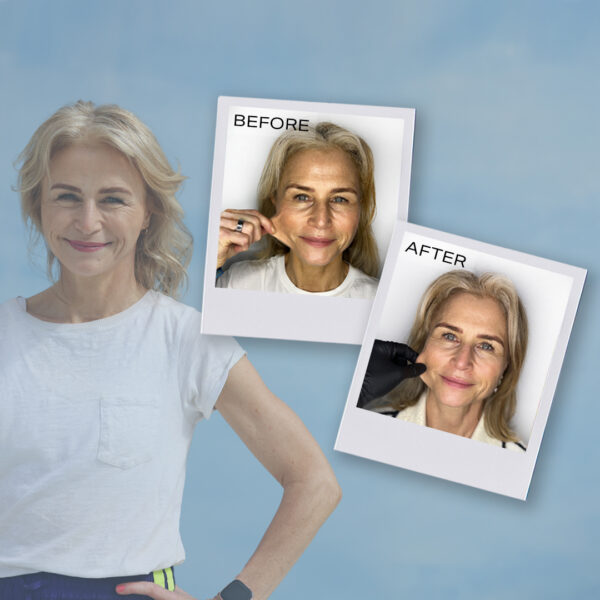
Image: Dr Sarah Tonks, The Lovely Clinic. Inge before and after Julaine biostimulator, which is said to give an Instagram ‘Paris’ filter effect
I had numbing cream applied half an hour before each treatment. Julaine is injected with a cannula, and while feeling a huge needle move around under your skin is hardly the most comfortable thing ever, it’s not terribly painful either. It was all over in less than ten minutes. I had no side effects or downtime at all after any of my sessions, but I’ve seen colleagues of mine looking pretty swollen in the cheeks for a day or so.
The jabs left my skin clearly looking and feeling denser, firmer and juicier, with a visible glow and softened lines, even after the first of three treatments. These are spaced one month apart, with results officially appearing three months after the last session. It’s like refilling the tank with collagen in a way no cream or other procedure manages, and it definitely gets noticed: lots of people have commented on how good my skin looks.
As I mentioned earlier, it’s good to be aware that, despite the brand being at pains to avoid the word ‘volume’ (preferring instead ‘skin quality enhancer’), all this extra collagen gives a subtle but noticeable fullness to the face. That’s great for someone who feels they look a bit gaunt (like me). But if you have a naturally fuller face, you might baulk at seeing even marginally plumper cheeks.

Inge had Julaine and experienced a bulkier jawline despite the area not being treated
After my third session, I felt my jawline looked bulkier and less sculpted (as you can see in my pictures), despite the area not being treated. Dr Benji Dhillon, the doctor behind Ulrika’s transformation, suggests that “denser tissues mean incrementally more weight, which especially in older skin can ever so slightly ‘push down’ on the jawline.” Three months on, it’s somewhat less prominent, but it’s worth noting how the product can affect the face in multiple ways.
It’s also important to keep in mind that if for some reason you’re not happy, you’re stuck with Julaine: the product cannot be dissolved like fillers can.
Julaine is definitely the priciest jab in town. Dr Tonks charges from £3995 for three sessions when using one vial of product for the face. But she says many people need double that, at almost double the price. On the plus side, you’ll get about two years’ worth of rejuvenating joy out of it, which I say is a pretty good investment.