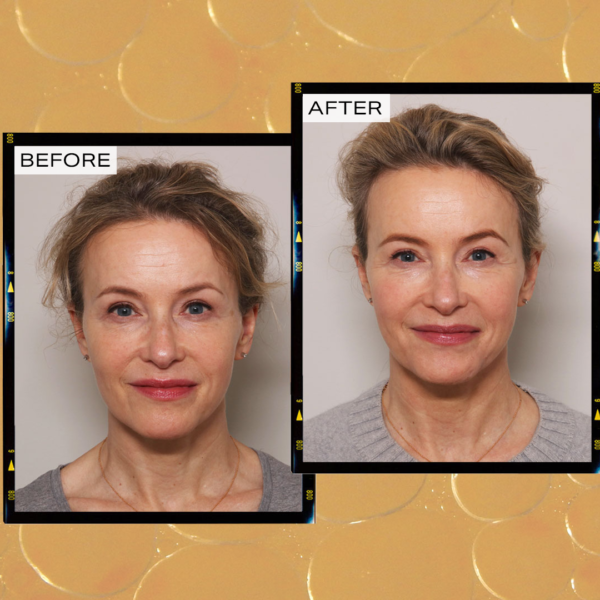
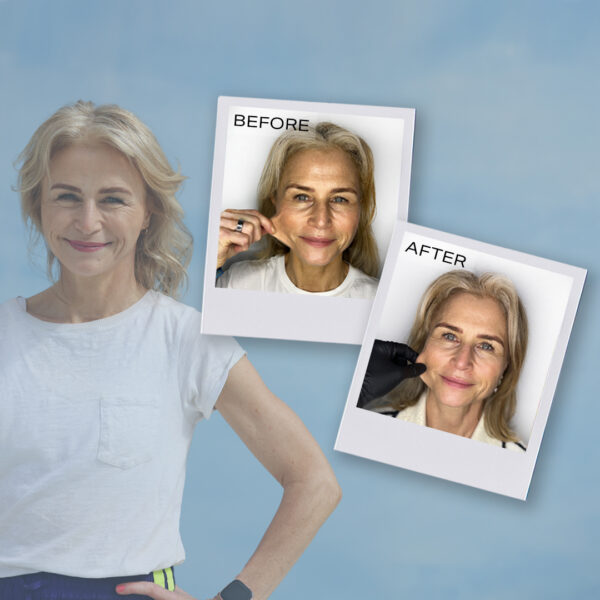
Skin boosters are the invisible tweakment everyone’s having

From Babyglow to Profhilo, skin boosters are the trending ‘injectable moisturiser’ jabs that improve the quality of your skin in a way few face creams can – without filler. Here’s what you need to know
It’s been almost a decade since injectable moisturiser Profhilo cornered the ‘skin booster’ market, delivering hydrating and plumping hyaluronic acid (HA) at depths no topical skincare can reach. Today, there are dozens of glow-giving skin booster options, from Skinvive and Babyglow (loved by Gen Zs) to skin-repairing Jalupro and newcomer Celora Vita, dubbed ‘The Protein Facial’.
Skin boosters are great for long-term hydration and a real glow – many were designed to do simply that.
The original treatments, such as Profhilo, primarily use hyaluronic acid to boost moisture. Other, newer versions like Jalupro or Babyglow, promise superior juiciness and some reduction of signs of ageing too, thanks to ingredients such as amino acids that kickstart skin repair.
So you might see skin boosters positioned as ‘longevity serums’ that help improve skin health. As they are injected, they are much more effective than topical skincare.
The best thing is, despite being delivered with a syringe, skin boosters won’t freeze or inflate parts of your face like Botox and fillers will. Aside from some very temporary swelling, these tweakments leave no trace – apart from, of course, juicier, more radiant and less blotchy skin.
Biostimulating injectables such as Julaine, Harmonyca and Sculptra focus not on hydration and skin health, as skin boosters do, but on collagen and elastin regeneration. The way they work is by introducing compounds the skin recognises as a ‘foreign body’ (such as PLLA) which initiates a rush of collagen and elastin production. The result is less-deep wrinkles, better-toned skin and added volume. They remain in the skin for up to two years.
‘Salmon sperm facial’ polynucleotides are also biostimulating injectables, although they act much more like skin boosters, in that they calm and fortify the skin to help it act and look a bit ‘fresher’. They don’t last longer than three months. Unlike skin boosters, polynucleotides don’t hydrate but have a brightening effect, which you see with long-term, repeated use.
Costs differ depending on the doctor and the product, varying from roughly £250 to £550 for a single face session. Most skin boosters require three initial treatments, spaced two weeks apart, and top-ups every three to six months to maintain the results. Remember, skin boosters, like polynucleotides, are designed to stay in the skin for no longer than three months before the body naturally breaks them down.
If needles freak you out, this is not for you. You can expect between 12 and 20 (or even many dozens) of stingy face jabs per treatment depending on the product.
Most skin boosters can also treat areas like the neck and hands, while some are suitable for the body and eye area too. Despite them having skincare effects, skin boosters can’t quite replace topical products so you’ll still need to invest in a good moisturiser, exfoliant and, above all, a daily SPF (or just stick to skincare, injectables are an option not a must).
Skinboosters (there’s a version for face and one for eyes) by injectables brand Restylane, were the original, well, skin boosters. They came out in 2005 and deliver effective, long-lasting hydration. Skinboosters Vital treats wrinkles, acne scarring and skin quality in the face and hands and Skinboosters Vital Light is for the under-eyes and chest.
They remain in the skin for months rather than weeks, because the hyaluronic acid (the only ingredient) is ‘cross-linked’, a process that makes it more durable. “These are clinically proven, with decades of data behind them,” says aesthetic doctor Mrs Priya Chadha, who describes them as “fast-acting, with a firming, lifting quality”; one to three initial sessions, two weeks apart are recommended.
The best-known of all the injectable moisturisers, Profhilo, says Dr Sarah Tonks, “gives a lot of hydration off the bat, but doesn’t give as much improvement in luminosity as some of the other boosters I use.” The hyaluronic acid is heat-treated to have, say the brand, a collagen-stimulating effect. But it can also help with skin issues such as eczema and psoriasis. “It’s brilliant for improving water retention and subduing the inflammation at the root of skin diseases,” says Dr Ayah Siddiqui.
Dr Inna Szalontay, Dermatologist and Founder of Libi & Daughters, feels Profhilo improves skin elasticity without adding volume, and treats skin on a deeper level than most other boosters. It’s administered as about 12 deep, stingy injections that spread under the skin – do expect some alien lumps that take a day or two to settle after each of the recommended two to three initial sessions, four weeks apart.
Apart from the lower half of the face, it can be used on many areas of the body such as the knees, chest and abdomen using Profhilo Body, which is the same product in bigger vials.
This is good for an instantly noticeable moisture upgrade that leaves skin more supple – it’s another crosslinked HA-only product which, says the brand, also boosts production some of skin’s self-hydrating molecules. It’s administered as multiple (think 100 – after numbing cream, thankfully) small injections all over the face. Dr Apul Parikh prefers it to Profhilo as it is “more efficient at giving real hydration and a visible glow.”
A big selling point is that it, unlike almost all other skin boosters, requires only one treatment said to last six to nine months. It can be used anywhere, really – Parikh is even pioneering it for use on wrinkly fingers. Skinvive used to be called Juvéderm Volite before its shiny relaunch.
This is best suited for glass skin-seekers that need a jolt of deep hydration and nourishment. It’s very light and liquid (non-crosslinked) hyaluronic acid plus a host of antioxidants, amino acids, vitamins and peptides, which are all essential for skin health. Baby Glow is a relaunch of Redensity-1 by injectables brand Teoxane, but injected in a new way. Targeting time-poor and discomfort-averse twentysomethings, the new protocol features about 15 injections in strategic ‘high points’ of the face (like highlighter) which then spread under the skin. Cosmetic physician Dr Wassim Taktouk likes it for its speed – it all takes ten minutes, max. It will leave you with lumps, but these melt in two to 24 hours; depending on your age, you can opt for one to three sessions, four weeks apart.
A super-versatile booster-withh-benefits for wrinkle and crepiness reduction, according to Dr Sarah Tonks. “It really improves skin quality, and you can use it anywhere, even in the forehead (many other skin boosters are only for the lower half of the face) and under eyes.
Sunekos, which requires three to four initial sessions, two weeks apart, is liquid (non-crosslinked) HA with a blend of six amino acids selected for their ability to support collagen as well as elastin regeneration. It can also be used on the body to firm slack skin or to target cellulite (Sunekos Cell). The latter “helps correct the inflammation and fibrosis that are major contributing factors to cellulite,” Dr Pamela Benito, who is enthusiastic (as are we) about the smoothing results.
Jalupro, like Sunekos, doesn’t just hydrate but supports skin health as well, as it’s made of amino acids in HA. Jalupro Classic and Jalupro HMW are great for “surface-level texture ‘polishing’, really plumping and smoothing the skin,” says longevity expert Viviana Botoaca, who offers them at her Geneviv Clinic.
Jalupro Super Hydro (which also contains peptides) targets facial ligaments and connective tissues under the skin. “This gives structural support for a subtle lifting effect to, for example, jowls,” says Botoaca. Combining it with one of the hydrating options gets you a double whammy of toning and smoothing; two to four initial treatments, two weeks apart are required.
The latest amino acid-spiked booster on the block is Celora Vita, which can help strengthen delicate and damaged skin. Celora adds skin and barrier repair plus free radical protection into the mix, thanks to a whopping nine amino acids, some of which support the skin’s own power antioxidants. Botoaca says it acts as “an instant, complete nutritional replenishment kit” for the skin and also loves how quickly the HA in the formula plumps crepy, dehydrated areas.
“I’ve noticed a fast impact on brightness and skin plumpness after just one session, while after the standard course of three sessions, three weeks apart, skin looks firmer, bounces back faster, and looks genuinely younger and more vibrant,” she says.
Revive quenches, stimulates the skin’s production of more HA over the long term, and helps restore the skin barrier. “More so than Profhilo, I find it leaves skin luminous and softens hyperpigmentation. Studies have shown it to improve skin discolouration for up to nine months, and firmness for up to seven months after three sessions, four weeks apart,” says Dr Sarah Tonks. It’s made of cross-linked HA plus glycerol, a very hydrating substance “that boosts the hydrating and plumping power of HA,” says Tonks.
Dr Szalontay is a fan of this lesser-known liquid, non-crosslinked booster for its fast-acting hydration: “it works more superficially than Profhilo to improve overall skin glow and moisture balance, and gives an improvement in radiance and fine lines,” she says.