Confused about K-beauty? Read this before you buy anything

Korean skincare is booming – but where do you start? And can it really deliver glass skin? Our beauty expert has the answers
K-beauty isn’t just another skincare trend—it’s fundamentally changed the way we think about skin. Korean skincare has become the benchmark for innovation, efficacy and glowing, healthy-looking skin – it’s no wonder so many celebrities (Dua Lipa, Selena Gomez and Kendall Jenner among them) and beauty editors (myself included) are such huge fans.
A few years ago, names such as Medicube, Beauty Of Joseon and Haruharu Wonder would have drawn puzzled looks. Today, they’re just as likely to be found on bathroom shelves as long-established Western brands. While TikTok has fuelled an obsession with achieving ‘glass skin’, the appeal runs far deeper than a flawlessly dewy finish. Behind the viral aesthetic is a skincare philosophy centred on prevention, skin barrier health and cutting-edge formulations that has pushed the entire beauty industry to raise its game.
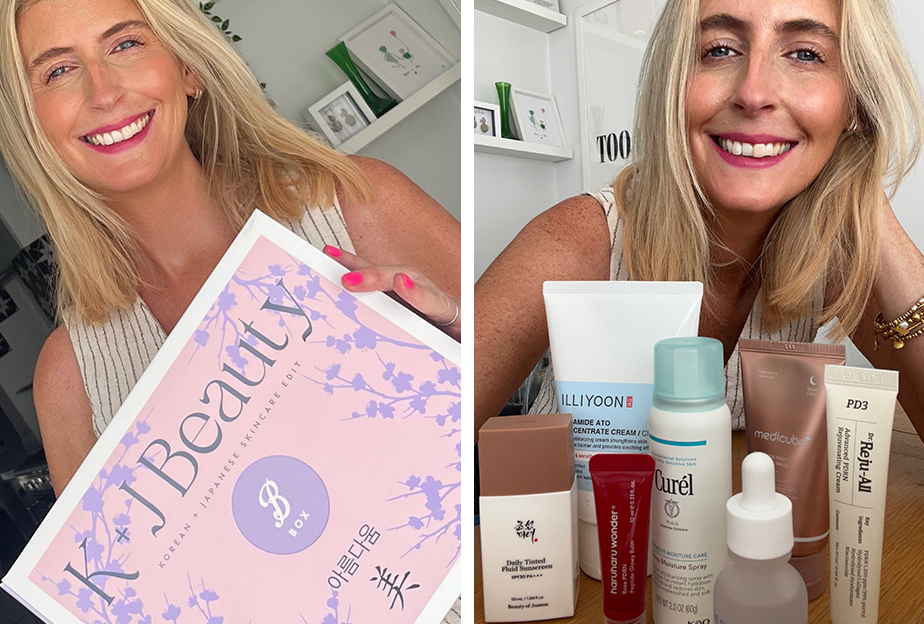
Beauty editor Charley with her new box of Boots K-beauty goodies (left) and her Korean favourites that reside on her bathroom shelf
K-beauty’s popularity, however, has also made it increasingly difficult to navigate. Walk into Boots, M&S or Superdrug and you’ll now find dedicated Korean skincare displays alongside a constant stream of launches inspired by the category—from beauty Boots’ new K+J Beauty Skin Edit, £35, to L’Oréal Paris’s forthcoming Revitalift Filler Hyaluronic PDRN+ Anti-Wrinkle Plumping Serum, £31.99. With unfamiliar ingredients and countless viral products competing for attention, knowing what’s genuinely worth buying isn’t always straightforward. So here’s the lowdown.
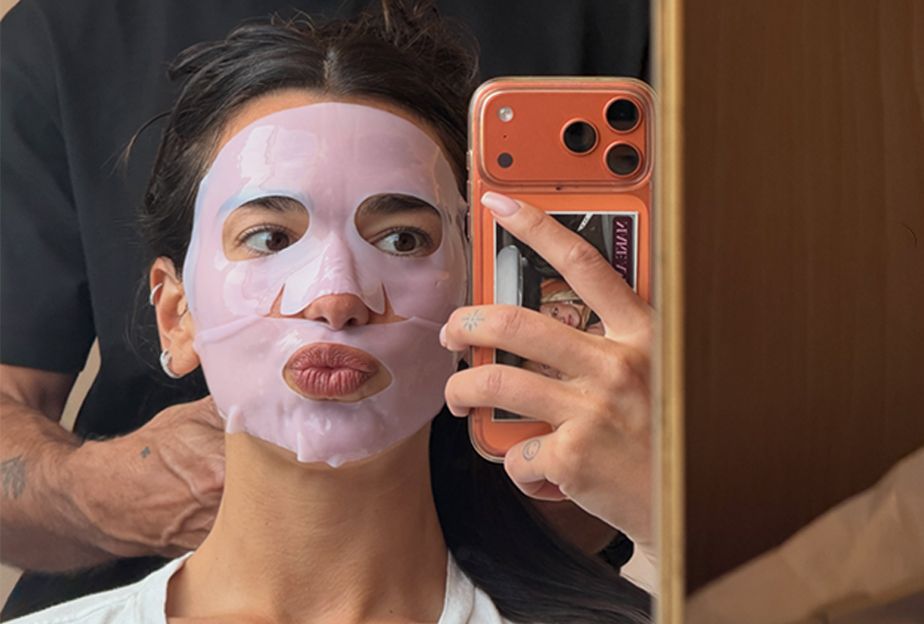
In the pink: Dua Lipa in Medicube’s viral sheet mask (Image: Instagram @dualipa)
I used to think that K-beauty was all sheet masks, cute packaging and the promise of impossibly ‘perfect skin’. But the more I tested the products, the more I realised the biggest difference is the philosophy. It isn’t simply skincare that happens to come from South Korea—it’s a completely different way of thinking about skin.
“Historically, Western skincare has been quite treatment-led: you identify a problem and use a strong active ingredient to correct it,” explains Dr Ahmed El Muntasar, GP and aesthetic doctor. “Korean skincare has tended to put much more emphasis on prevention, hydration, maintaining the skin barrier and keeping inflammation under control.” Rather than waiting until pigmentation, wrinkles or sensitivity appear, the aim is to keep skin healthy enough that those concerns are less likely to develop in the first place.
According to Dr Christine Hall, whose South Korean heritage and regular visits to Seoul give her a unique insight into the country’s beauty culture, this mindset stretches back thousands of years. During Korea’s Three Kingdoms era two thousand years ago, skincare rituals were already part of everyday life, with face powders made from ground rice and millet, cleansers created from mung beans and creams derived from plant extracts. “Skincare was for everyone regardless of status, gender or wealth,” she explains. “Appearance and beauty are ingrained from a young age and are as intuitive as combing your hair.”
That philosophy still exists today, where caring for your skin isn’t viewed as vanity, but as an everyday act of self-care and a way of presenting your best self to the world.
Despite originally being developed for Korean consumers, today’s K-beauty brands formulate for a much more global audience. “Good skincare science doesn’t necessarily change with ethnicity,” says Dr Hall. “Hydrating toners, essences and barrier creams work across all skin tones and skin types.”
But it’s not a one-size-fits-all approach. “If you have acne, persistent breakouts or more advanced signs of ageing, you may benefit from the higher concentrations of active ingredients that are often found in Western products.” Climate matters too. Many richer Korean moisturisers were designed for Korea’s cold winters, so if you live somewhere that’s hot and humid year-round, they can feel too occlusive and potentially contribute to congestion.
Between PDRN, cica, fermented ingredients and spicules, it’s difficult to know what’s genuinely innovative and what’s simply clever branding.
Cica (Centella asiatica): Probably the easiest ingredient to embrace. Both Dr Hall and dermatologist Dr Brendan Khong rate it highly for calming inflammation and supporting the skin barrier, making it particularly useful if your skin feels irritated or after in-clinic treatments.
Fermented ingredients: These have become a K-beauty signature. Fermentation can make certain ingredients easier for skin to absorb while adding beneficial amino acids and antioxidants. They’re generally hydrating and well tolerated, although Dr Hall says their benefits are sometimes overstated.
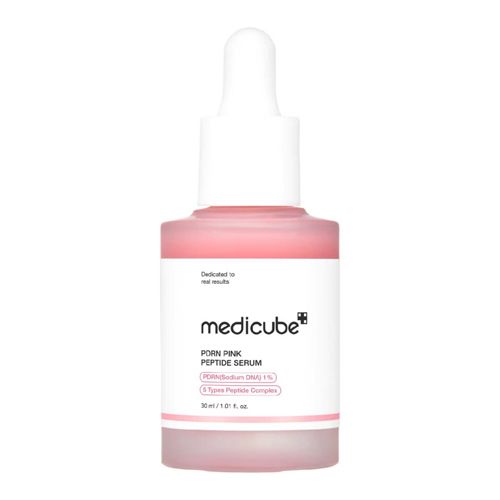
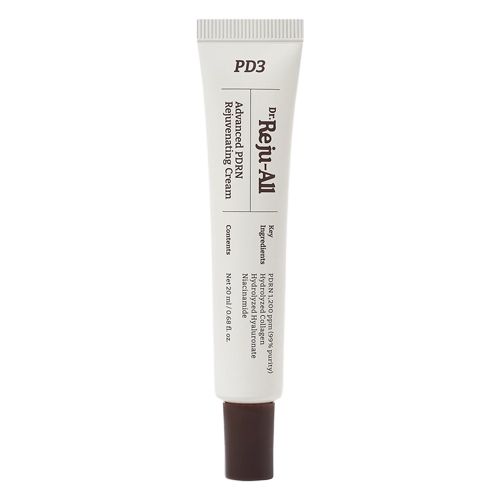
PDRN (or polynucleotides): One of the buzziest ingredients right now. Dr Khong explains that these DNA fragments help stimulate repair processes involved in skin healing, barrier recovery and hydration. However, Dr Hall points out that while there’s good science behind injectable polynucleotides, the evidence for PDRN creams and serums is currently much weaker.
Exosomes: Tiny messenger particles that help skin cells communicate and support repair. They’re generating huge interest in aesthetics, although the technology is still evolving in topical skincare. For more, read our report on exosomes.
Spicules: Proceed with caution. These microscopic needle-like structures create tiny channels in the skin to improve ingredient penetration. “They should be treated with respect, particularly on sensitive skin,” warns Dr Hall. For more, see our deep-dive on microspicules.
One of the first things you’ll notice about K-beauty is the textures. Jelly essences, watery toners, silky ampoules and lightweight gel creams feel worlds away from the rich creams many of us grew up using. One of the reasons I keep reaching for Korean skincare; it simply feels lovely to apply. But is there actually any science behind it? “Partly marketing, partly real,” says Dr Kong. “Texture affects compliance and layering order. For example, a jelly essence sinks in and lets you layer a couple more steps without pilling, which a traditional heavier Western cream doesn’t. That’s a genuine formulation achievement.”
The focus on elegant textures is one of the reasons K-beauty routines are often so enjoyable to stick with—and consistency is what ultimately delivers results.
If you’ve ever searched #GlassSkin on TikTok or Instagram, you’ll know the look: poreless, reflective skin that almost resembles polished glass. But that’s only part of the story. “Glass skin refers to dewy, hydrated, radiant skin,” says Dr Hall. “But it also reflects what is happening inside the body – good sleep, a healthy diet, less stress and well-hydrated skin. It’s the embodiment of wellness culminating in what you see on the surface.”
There isn’t one miracle serum doing all the work, so keep expectations realistic. “Real skin has texture, pores are normal and blemishes happen. Genetics also play a huge role.”
There’s another reason those flawless images can feel impossible to replicate: many people in South Korea combine skincare with aesthetic treatments, which are both more commonplace and more affordable than they are here. Dr Ahmed believes we should redefine the goal altogether. “Rather than trying to make a 55-year-old’s skin look like a 20-year-old’s, I’d aim for healthy, hydrated, resilient and luminous skin for that person’s age.”
One of K-beauty’s biggest strengths is that it spans every budget. Alongside premium brands, you’ll find many of its cult products priced well under £20. That said, don’t let flashy packaging or viral claims do the shopping for you. “Assess a K-beauty product in exactly the same way as any other skincare,” says Dr Ahmed El Muntasar. “What are the ingredients? What evidence is there? And does that particular person actually need it?”
The same goes for bold claims on the front of the bottle. If you’ve spotted products promising ‘1100 Hyper Collagen’ or similar, don’t assume bigger numbers mean better results. “Numbers on the front of packaging are marketing rather than science,” says Dr Christine Hall. “Topical collagen is too large a molecule to penetrate the skin, so treat those claims with a healthy pinch of salt.”
Here are the brands – and their hero buys – that you’ll find on my bathroom shelf.
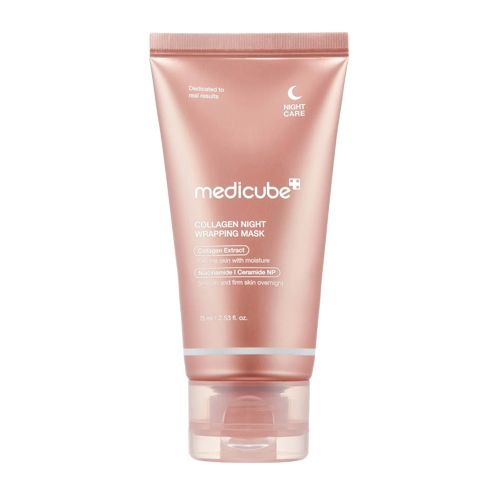
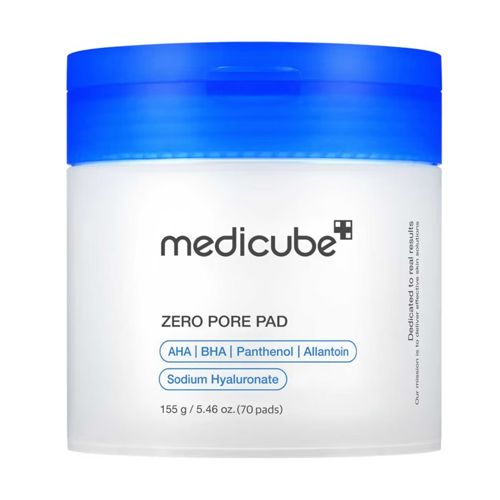
If you do fancy that ‘glass-like’ skin sheen, then this is the brand, loved by Dua Lipa, that will give you the best results, without having to follow a 10-step routine. Juicy actives and super hydrating ingredients target the most common skincare gripes – and I particularly enjoy how almost every product gives a cooling, refreshing sensation on my skin.
This big-hitting brand swaps cute packaging for doctor and pharmacist led formulas. The focus is less on shelf glamour and more on effectiveness, with dermatological research and targeted treatments. I used the Ceramide Barrier Cream after a retinol reaction, and it repaired my skin in record time.
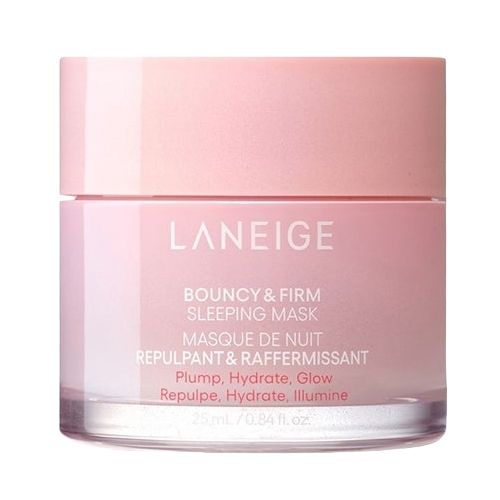
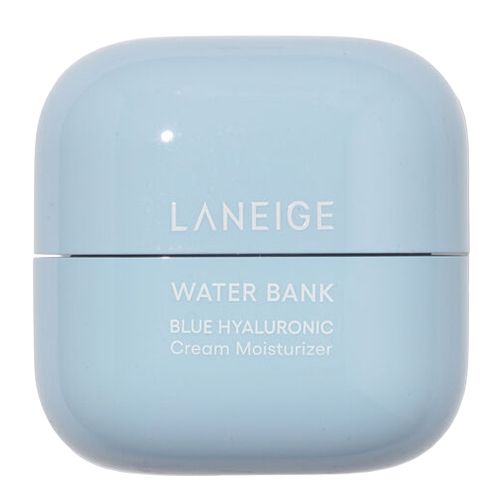
If your face is crying out for hydration then this brand will be sure to revive it, with its quenching and plumping ingredients housed within light and gel-like formulas. I am obsessed with the Sleeping Mask, which lives on my bedside table.
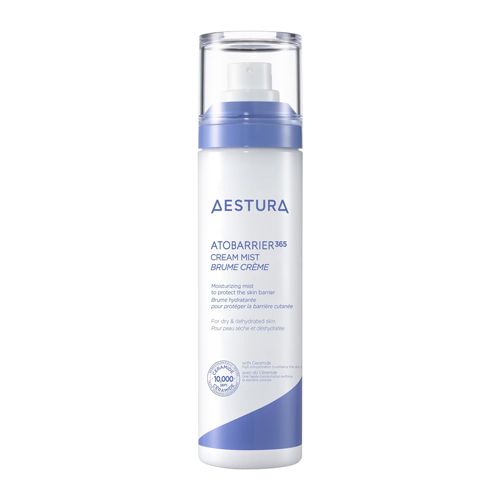
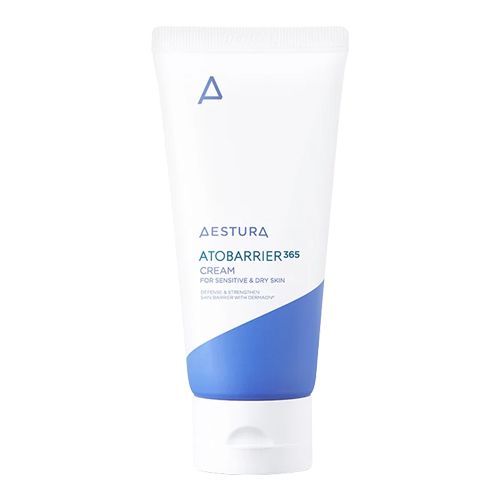
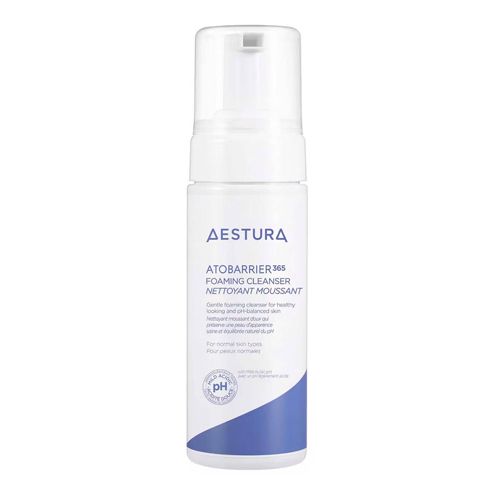
Another derm-backed brand that doesn’t look particularly sexy, but it delivers big on care. Don’t expect strong actives like vitamin C and retinol, but it repairs and replenishes your skin with lipids like ceramides, cholesterol, and fatty acids.
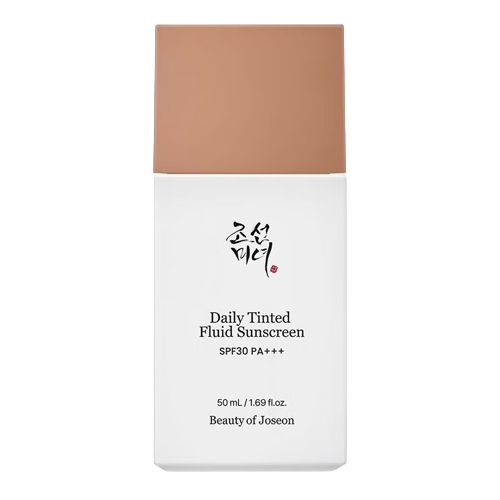
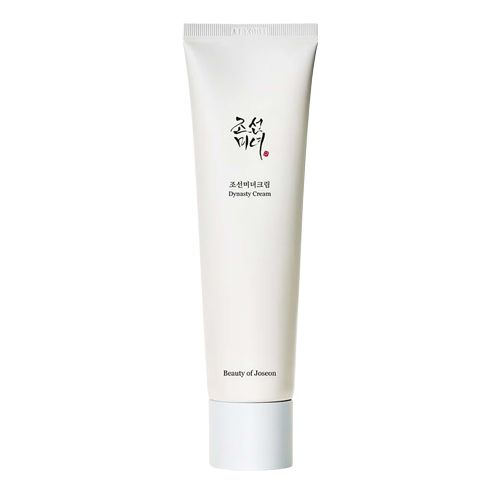
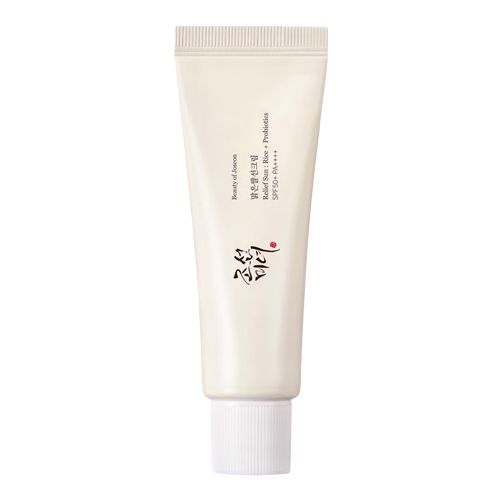
Its gentle, uncomplicated formulas suit most skin types, making it an easy brand to build a routine around. Ingredients such as rice, ginseng and honey are combined with modern skincare science. It’s also one of the world’s biggest K-beauty success stories, with one product is sold every 45 seconds.
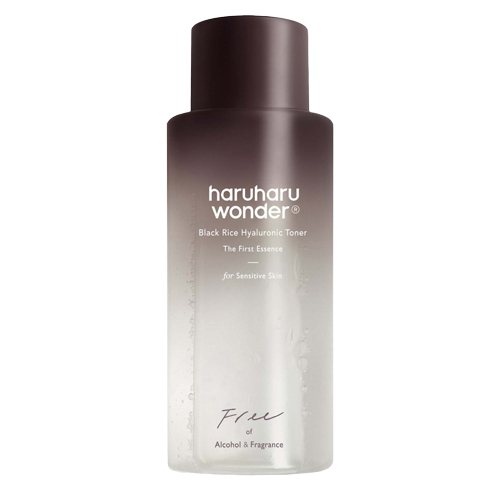
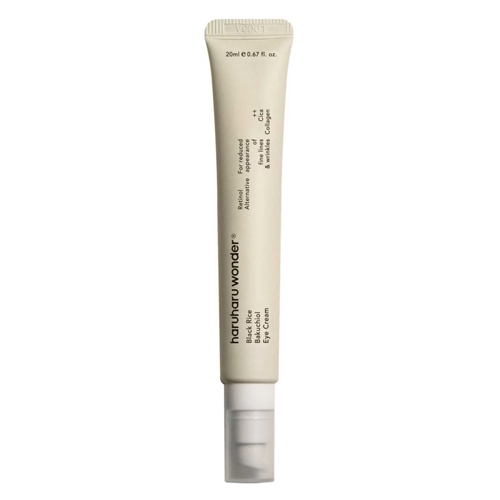
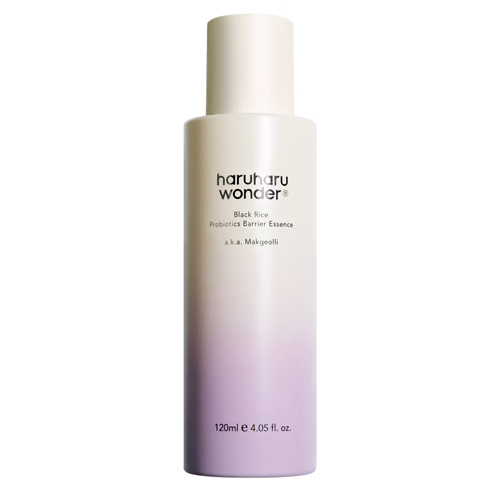
Its fermented black rice-powered formulas are all about replenishing moisture, strengthening the skin barrier and reducing irritation — three things sensitive skin craves. It all feels incredibly comforting: calming tightness and dryness without leaving my skin feeling overloaded.